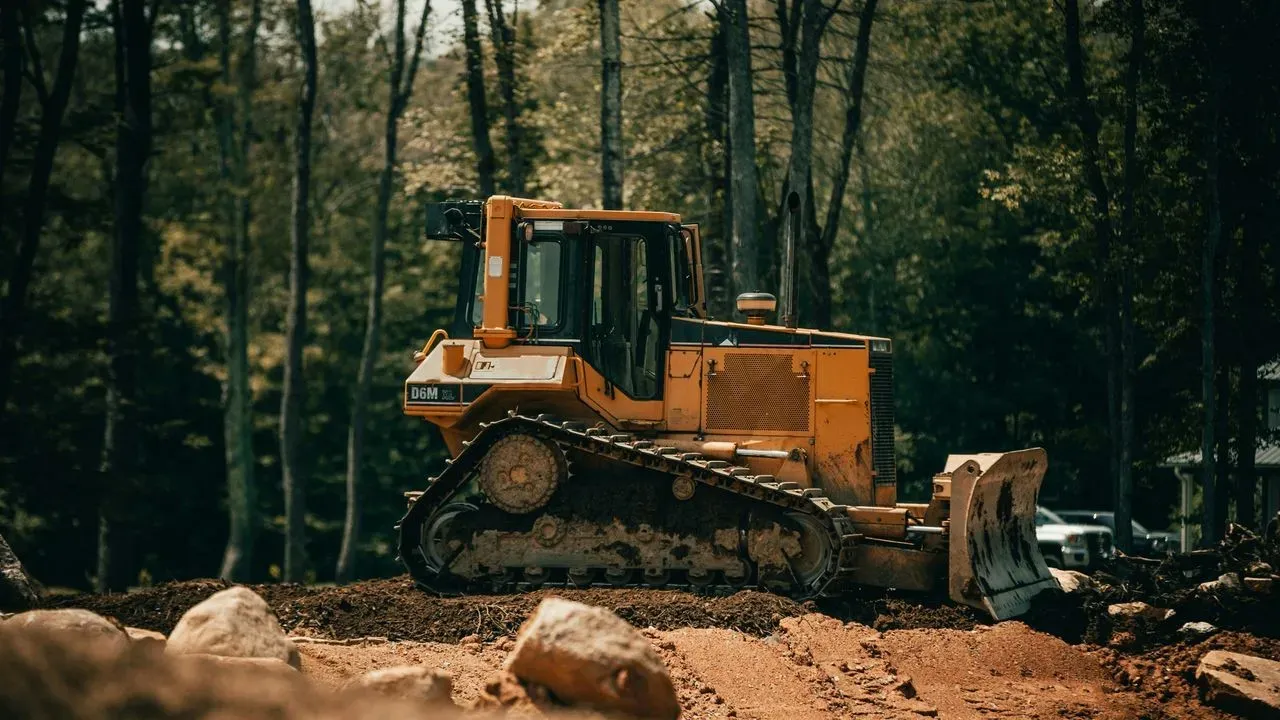

Big Bend National Park in Texas has long stood as a remote sanctuary of desert wilderness. Its rugged canyons and arid flats shelter plant species found nowhere else on Earth. Recent weeks brought heavy equipment onto the grounds, clearing paths through native vegetation as part of broader border security efforts. Conservation groups now urge the public to step forward before more habitat disappears.
Unique Desert Life at Stake
The park protects a remarkable array of flora adapted to extreme conditions. Mesquite and willow groves line stretches of the Rio Grande, while rare cacti and wildflowers thrive in the surrounding flats. Construction activity has already disturbed some of these areas, with reports of cleared shrubs and marked paths where native growth once dominated. Such changes threaten the delicate balance that supports pollinators, birds, and other wildlife dependent on this ecosystem.
Groups Mobilizing Against Further Damage
The Big Bend Protection Alliance and the National Parks Conservation Association have both launched efforts to limit the impact. These organizations focus on education, monitoring, and public outreach to highlight risks to the park’s ecological and cultural features. Their work draws attention to the long-term consequences of road building and barrier installation in sensitive zones. Local observers note that the remote terrain already limits crossings, raising questions about the necessity of extensive new infrastructure inside park boundaries.
Practical Steps for Supporters
Concerned individuals can take several direct actions to support protection efforts.
- Donate to the Big Bend Protection Alliance to fund monitoring and awareness programs.
- Sign the National Parks Conservation Association petition calling for a pause on bulldozing activities.
- Contact Texas representatives through official legislative lookup tools to express views on park preservation.
These measures allow everyday citizens to add their voices without traveling to the site.
Looking Ahead for the Park
The arrival of equipment marks a turning point for one of the country’s most distinctive landscapes. Continued public involvement may yet influence how much of the original desert character remains intact for future visitors and the species that call it home.
AI Disclaimer: This article was created with the assistance of AI tools and reviewed by a human editor.