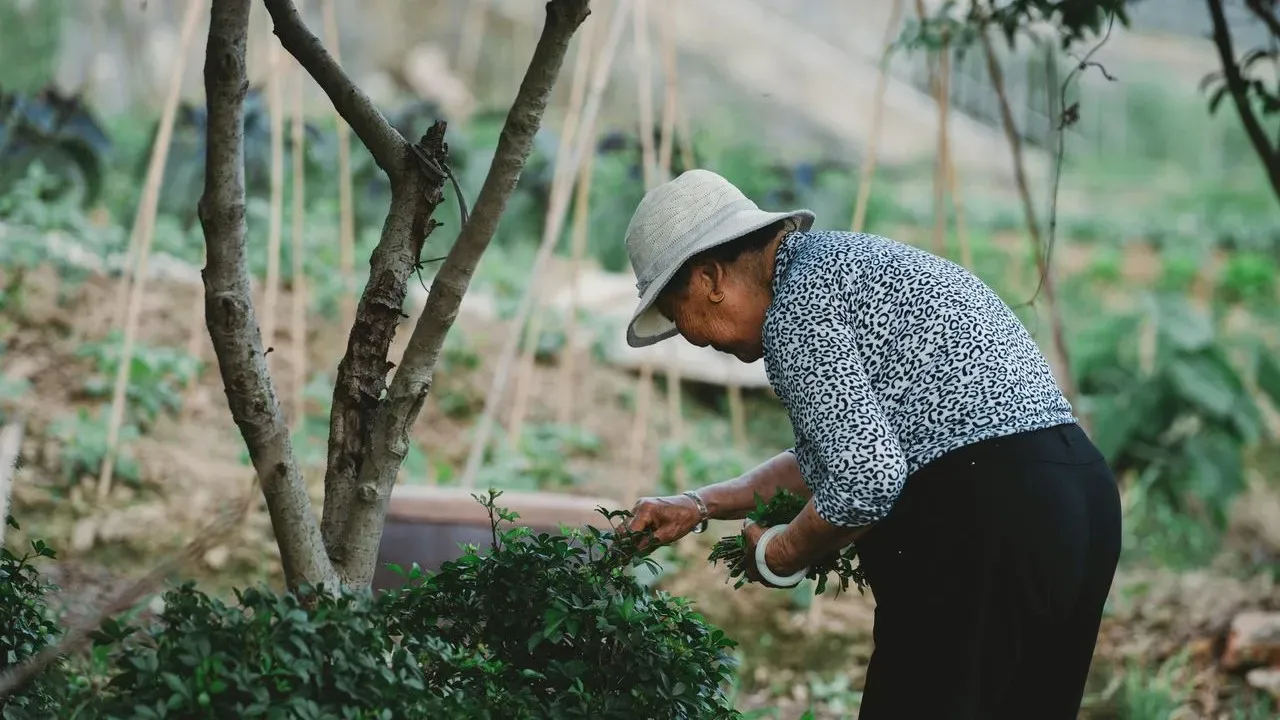

The decision to move after five decades in one home carries weight at any age, yet for an 80-year-old gardener the stakes felt especially high. A lifetime of established beds, familiar trees, and seasonal rhythms had to be left behind. In their place stood an urban yard stripped bare after years of neglect, requiring a complete restart from cleared ground. The process revealed both the demands and the quiet satisfactions of beginning again.
The Weight of a Fresh Start
Relocating to a new property meant confronting an empty canvas rather than refining an existing one. Previous owners had allowed the space to fill with weeds, vines, and debris, including discarded items that required removal before any planting could begin. The initial winter view showed little more than bare soil and a few struggling trees, a sharp contrast to the layered garden left behind. This blank slate demanded immediate choices about what to introduce and how quickly results could appear.
Time remains the central constraint in any garden project. Perennials and trees need seasons to settle, while annuals offer quicker color but require annual renewal. At this stage of life, the gardener weighed those timelines against the desire for immediate enjoyment, opting for a mix that balanced patience with visible progress within the first growing year.
Carrying Forward What Mattered
Not everything from the old garden could travel, yet several plants made the transition. Day lilies, hydrangeas, and select peonies were relocated to provide continuity. An established ginkgo offered shade and structure from the outset, while a pair of magnolias, though slender, anchored the new layout. These familiar elements reduced the sense of total loss and gave the emerging beds an early sense of history.
Additional structure came from practical additions such as stepping stones and a painted mural that housed a small collection of garden ornaments. The focus stayed on plants that could adapt to the new conditions rather than attempting to replicate the previous design exactly. This selective approach kept the project manageable while honoring what had proven reliable over decades.
Building Color Through the Seasons
Indoor seed starting in early spring addressed the winter lull and supplied plants unavailable at local nurseries. Marigolds and zinnias in varied heights and hues filled gaps quickly, while dahlias grown from seed produced tubers that could be lifted and replanted in future years for faster blooms. Geraniums purchased as established plants lined walkways, thriving in full sun with consistent moisture and mulch to extend their display until frost.
Larger specimens added drama once outdoor planting began. Hibiscus brought bold flowers, and elephant ears created striking foliage in moister, partially shaded spots. Lower layers included heucheras, coleus, and hellebores for shade interest, while inherited daisies contributed mid-summer white and gold. By June the combined plantings had filled out enough to transform the view from the house, turning a once-empty space into a destination for evening observation.
What Matters Now
The experience underscores several practical points for anyone considering a late-life garden move:
- Selective relocation of proven plants preserves continuity without overwhelming logistics.
- Seed starting and nursery purchases together shorten the wait for color.
- Focus on sun exposure, soil moisture, and seasonal succession supports longer displays.
- Reusing tubers and dividing perennials compounds returns in subsequent years.
By midsummer the new garden had reached a level of fullness comparable to earlier efforts, proving that meaningful results do not require decades on the same plot. The contrast between the January clearing and the August display served as a reminder that gardens reward consistent attention regardless of when the work begins.
The larger lesson lies in recognizing that gardening remains an ongoing conversation with place and season rather than a fixed achievement. Each move or reset simply restarts that conversation with accumulated knowledge and adjusted expectations. For this gardener, the effort restored daily connection to growth and color, showing that the cycle of planning, planting, and observing continues to offer purpose well into later years.
AI Disclaimer: This article was created with the assistance of AI tools and reviewed by a human editor.