

Most people treat their air fryer like an indestructible kitchen workhorse. You cook in it, rinse it out, and reach for it again the next evening without a second thought. That’s understandable. These appliances are designed for everyday use, and they hold up reasonably well. Until, slowly, they don’t.
The nonstick coating in your air fryer basket is more fragile than it looks. A handful of common, seemingly harmless habits chip away at it over time, often without leaving any obvious sign until the damage is already done. Here are ten of the most widespread offenders worth knowing about.
1. Using Aerosol Cooking Sprays Directly on the Basket
Aerosol spray oils feel like a natural pairing with air fryer cooking, but many of these sprays contain additives that can degrade the nonstick coating on your air fryer basket, causing it to become sticky or damaged. The issue is the propellants and emulsifiers inside the can, not the oil itself.
To maintain their sprayable consistency, aerosol oils typically contain additives such as propellants and emulsifiers. These additives break down at high temperatures and can ultimately stick to nonstick coatings in air fryer baskets, clinging like super glue. That sticky residue then becomes very difficult to clean without aggressive scrubbing, which creates its own set of problems.
The common problem is buildup: spray leaves a sticky film that bakes on, then food sticks, then people scrub harder, so the coating wears faster. A refillable oil mister with pure oil is the straightforward fix.
2. Running the Basket Through the Dishwasher
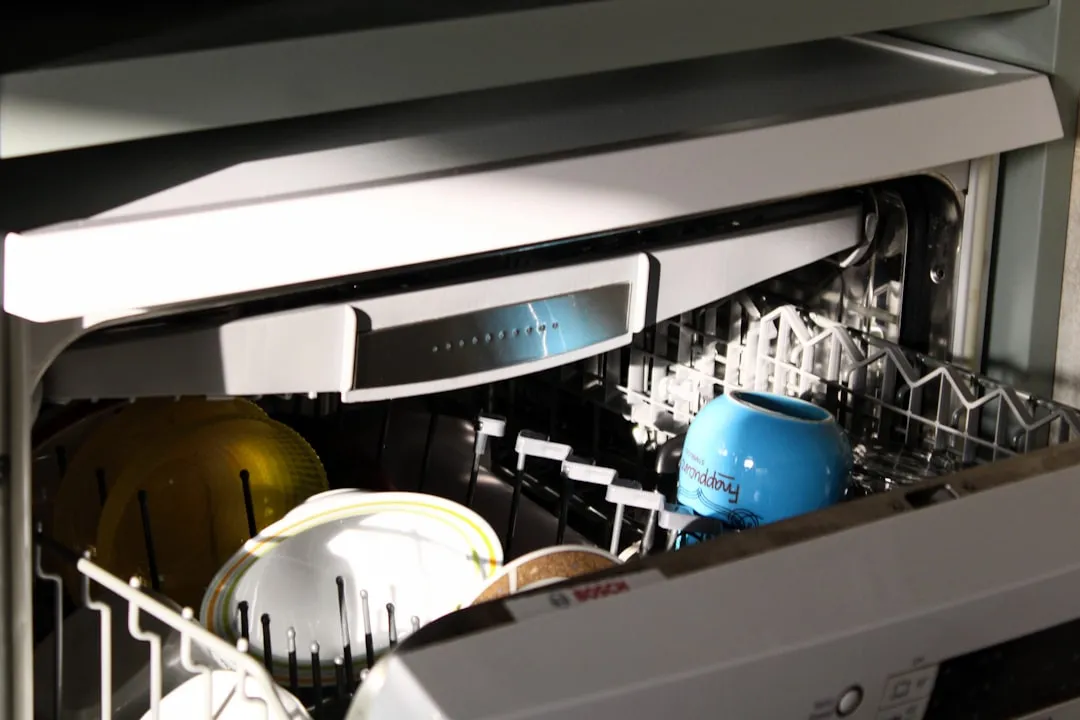
Even baskets labelled “dishwasher-safe” degrade faster when put through dishwashers regularly. The label means the basket won’t warp in a single cycle. It doesn’t mean repeated machine washing is harmless.
Heat, detergents, and abrasion from other items can all play a role, especially if the basket rubs against metal utensils during the wash. Over dozens of cycles, that friction adds up in ways that hand washing simply would not produce.
The dishwasher’s mechanical action and detergent both abrade the coating. The convenience of dishwasher-safe is actually the main reason air fryer coatings wear out. Hand washing with warm water and a soft sponge remains the most protective option.
3. Using Metal Utensils Inside the Basket
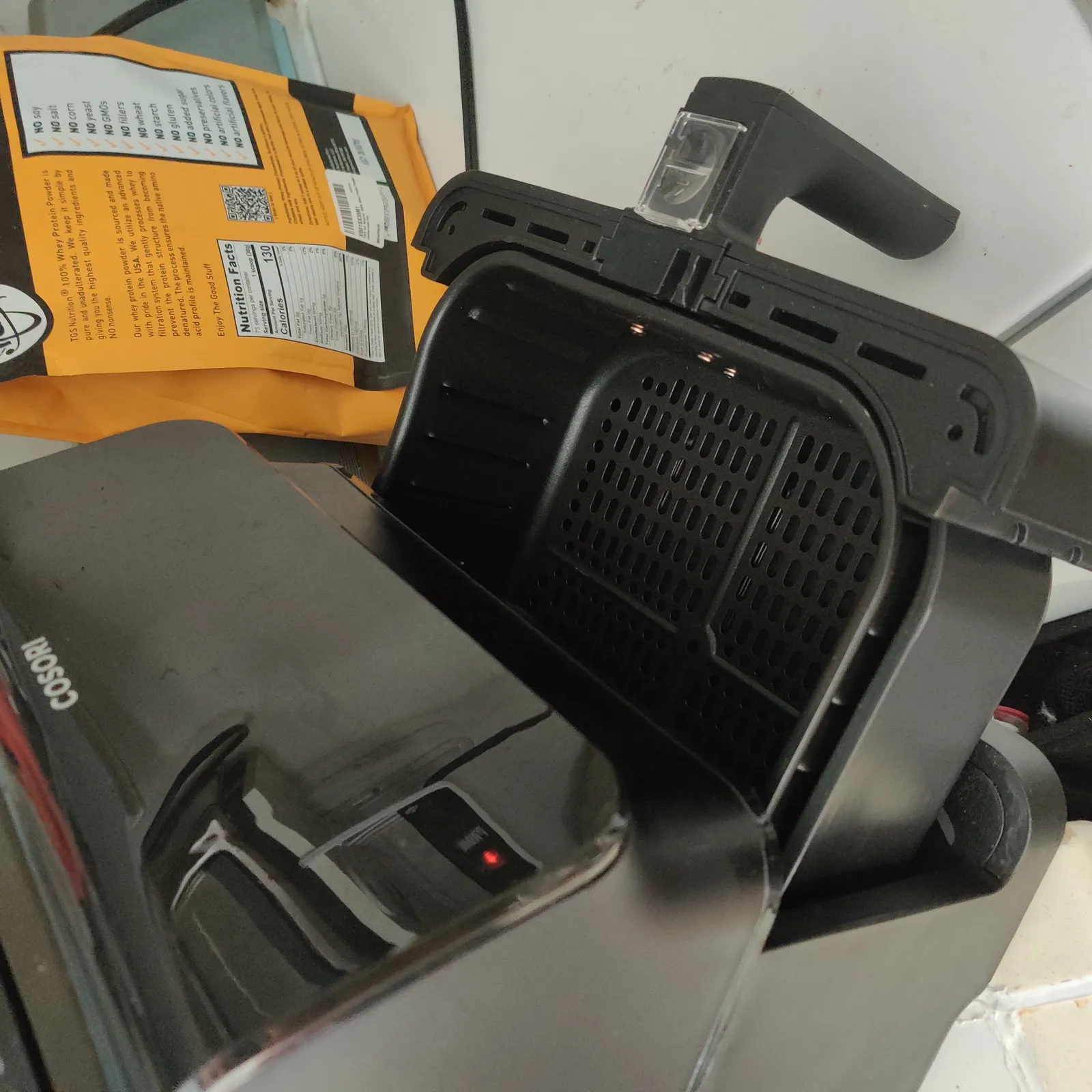
The coating gets nicked by metal tongs, a fork, or a stubborn piece of food you try to pry loose. The nick becomes a weak point. Heat then expands and contracts the surface over and over. What starts as a tiny scratch becomes a much larger problem over time.
A 2022 study by Luo et al., published in Science of the Total Environment, found that a single crack in a PTFE coating shed thousands of Teflon particles, while a broken coating shed millions. That’s a meaningful difference, and it starts with one metal utensil used carelessly.
Better tool choices are silicone tongs, wooden chopsticks, or a soft silicone spatula. They’re less satisfying to use in a hurry, but the coating lifespan difference is substantial.
4. Scrubbing with Abrasive Pads
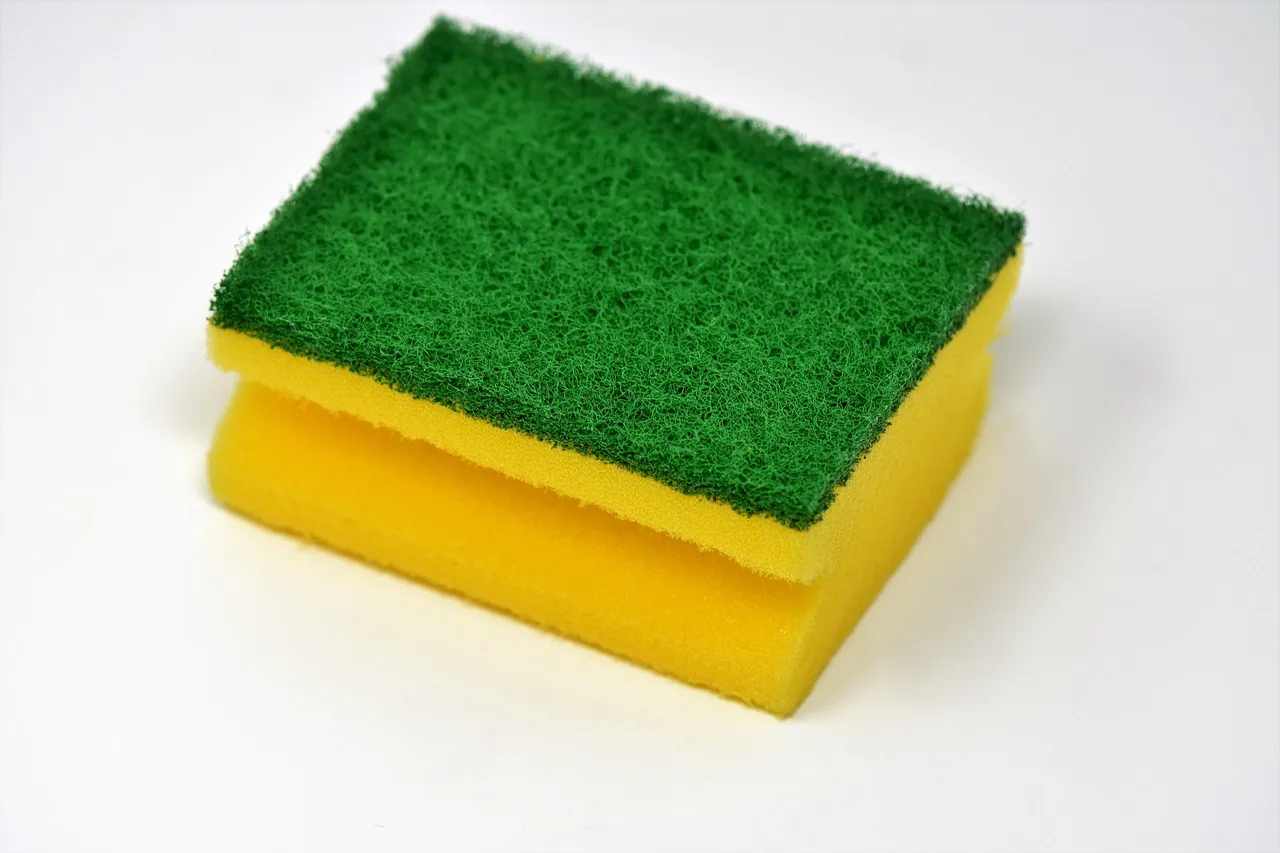
Abrasive pads can wear the surface down. Many air fryer care guides explicitly warn to avoid abrasive cleaning materials on nonstick-coated baskets. The impulse to scrub harder when food is stuck is completely natural, but it accelerates the degradation.
By far the most common cause of peeling is improper cleaning. Many air fryer owners unknowingly use tools that scrape the coating instead of cleaning it. The result is a basket that looks cleaner after scrubbing but is structurally more vulnerable the next time it’s used.
Nonstick coatings used in modern baskets are heat-resistant, but not abrasion-proof. Repeated scraping thins the surface until it begins separating from the metal beneath. Letting the basket soak briefly in warm soapy water before wiping makes most residue lift without any real scrubbing at all.
5. Cranking Temperatures Too High
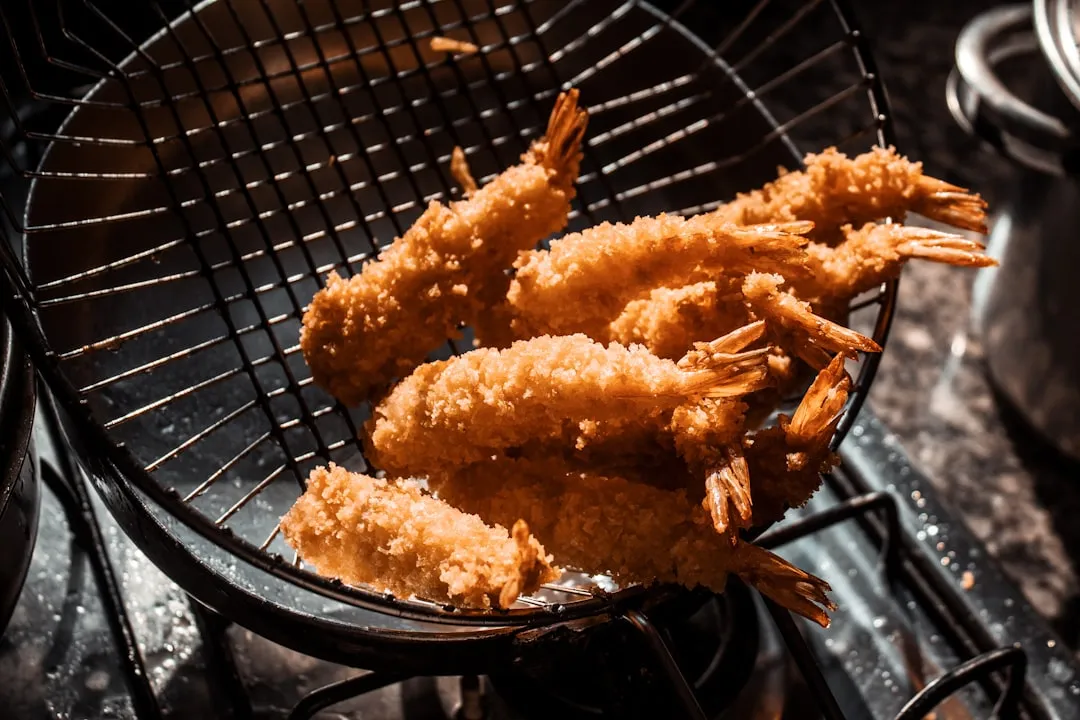
When Teflon cookware or appliances like air fryers are heated to temperatures exceeding 500°F (260°C), the nonstick coating can break down and release toxic fumes. Most home recipes don’t require anything close to that ceiling, yet it’s worth understanding where the line is.
Below 500°F, the chemical bonds in PTFE hold together and the coating behaves as intended: inert, nonstick, and stable. Above that threshold, the bonds begin to break. The problem is that some cheaper models have inconsistent thermostats, meaning the actual surface temperature can overshoot the dial setting.
Air fryers heat quickly and repeatedly, and cheaper models often have inconsistent temperature regulation. Excessive heat cycles stress the nonstick layer and cause micro-cracking. Sticking to a maximum of around 400°F for everyday cooking is a simple precaution that preserves the coating and falls safely within the established degradation threshold.
6. Preheating the Basket Completely Empty
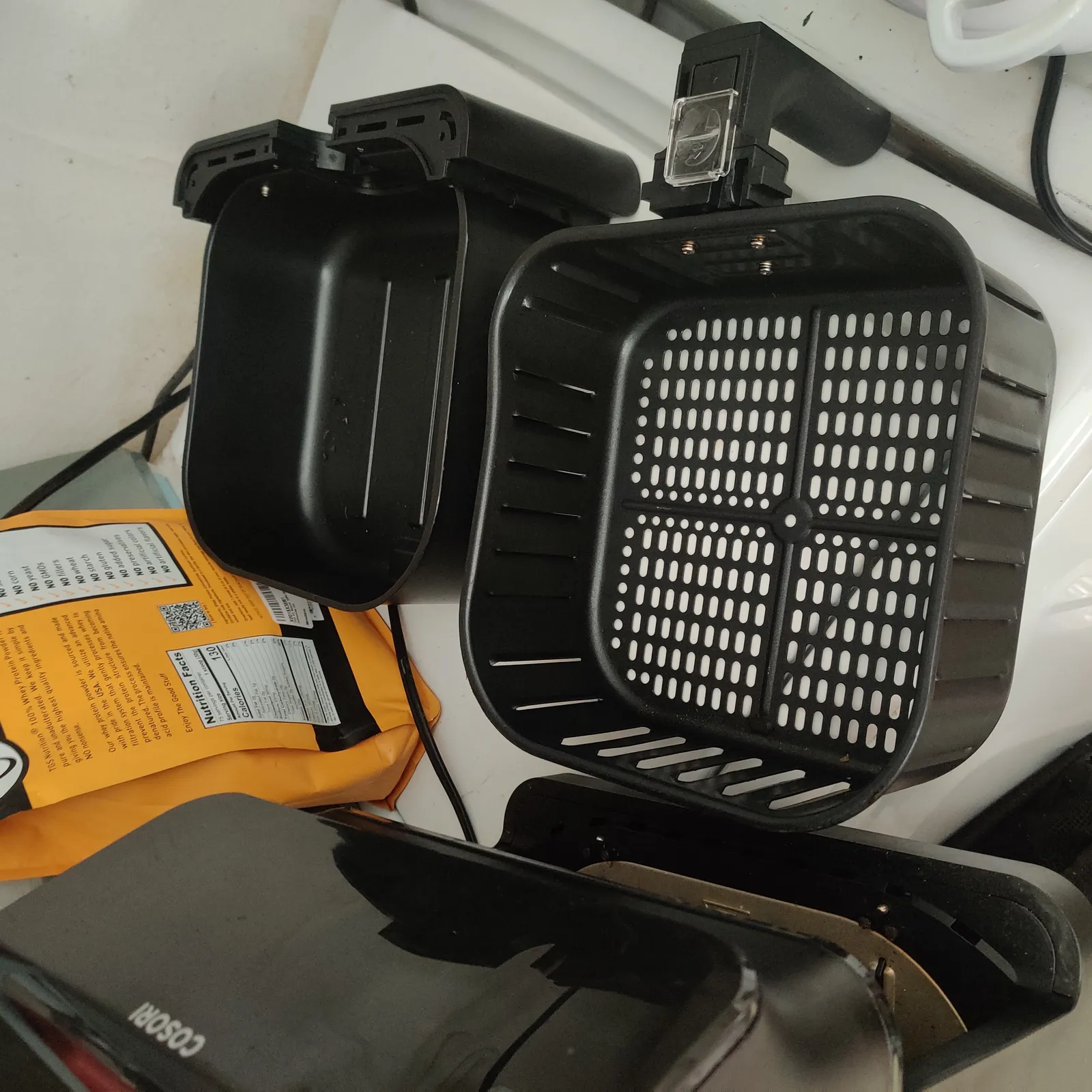
Under normal operating conditions, air fryers reach internal temperatures of 200 to 260°C. PTFE begins to degrade around 260°C, releasing ultrafine particles and fluoropolymer fumes. During empty preheating, a common step recommended by many air fryer manuals, basket surfaces can approach these limits faster than when food is present.
When food is in the basket, it absorbs heat energy, moderating how fast the surface temperature climbs. An empty basket has no such buffer. The nonstick surface hits its maximum temperature sooner and holds it longer than it would under normal cooking conditions.
It is important to keep cooking temperatures below 500°F to minimize the production of harmful chemicals. If a short preheat is necessary, keeping it brief and not exceeding the recommended temperature setting reduces the surface stress considerably.
7. Stacking Items Directly on the Coating
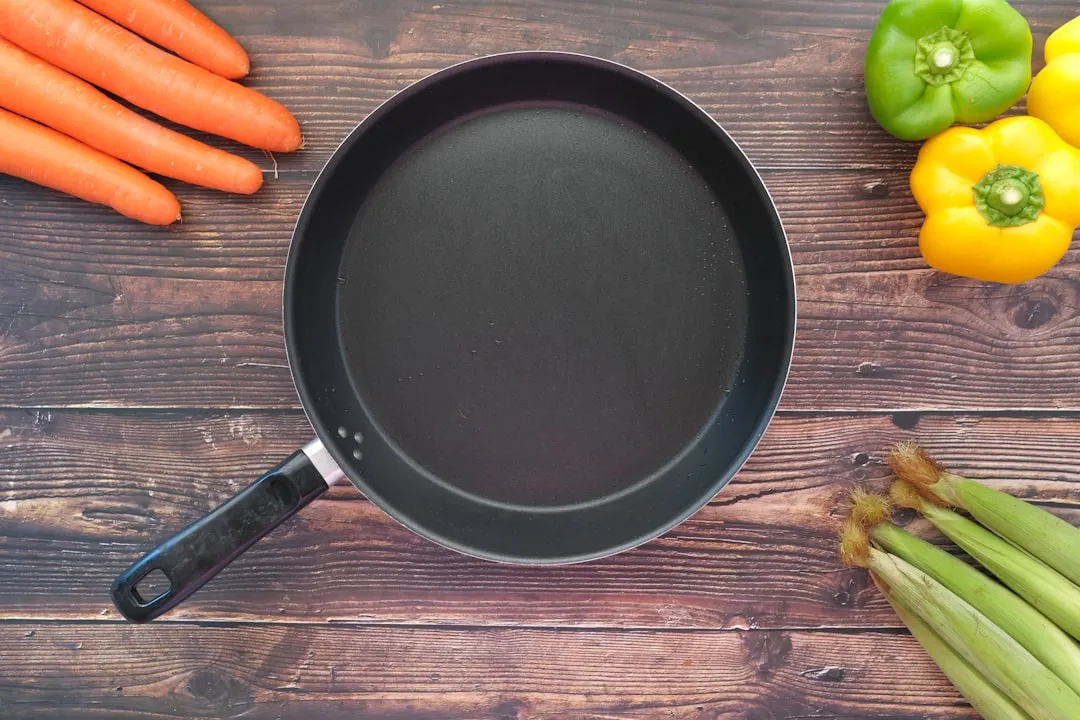
Stacking the basket with metal tools inside it, or storing it under heavy cookware, can create micro-scratches that grow into peeling later. This is a storage problem as much as a cooking one, and it’s easy to overlook.
Racks and pans that fit too tightly can scrape corners and edges every time you insert or remove them. Corners are usually where damage starts because they take the most friction. A bit of clearance during storage goes a long way.
Placing a folded paper towel or thin cloth between the basket and anything resting on top of it during storage is a simple habit that protects the surface from contact damage between uses. It sounds minor, but the coating doesn’t distinguish between damage from cooking and damage from storage.
8. Dunking a Hot Basket in Cold Water
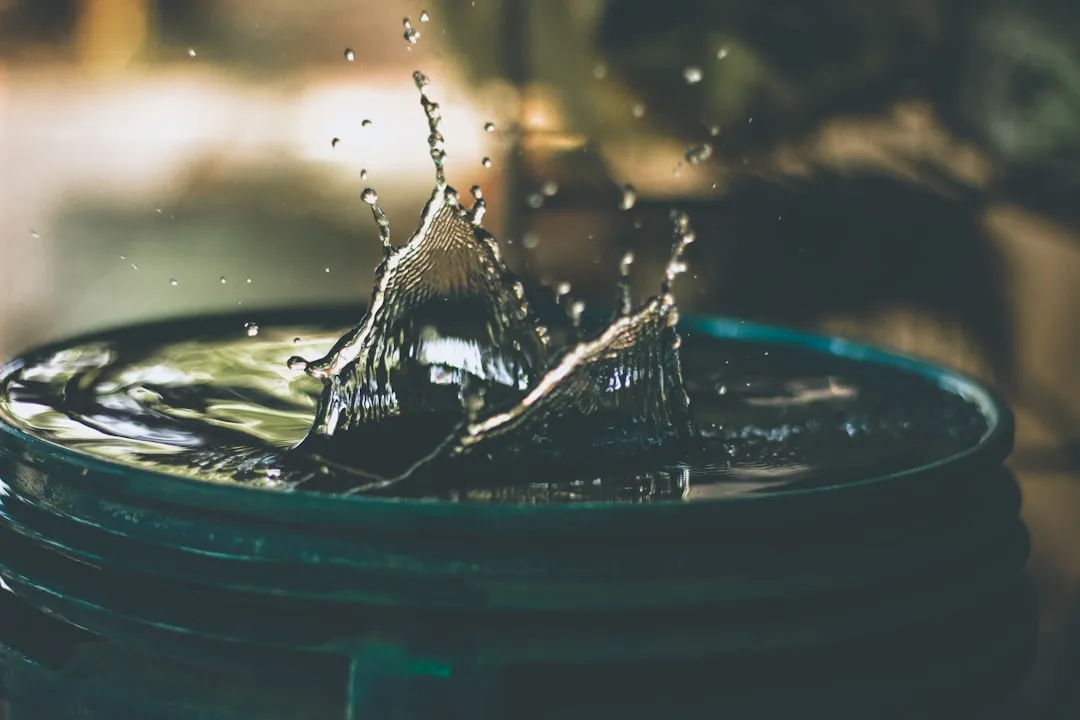
Thermal shock is a real and underappreciated threat to nonstick coatings. When you pull a hot basket out of the air fryer and immediately submerge it in cold water, the rapid temperature change forces the metal and coating to expand and contract at different rates simultaneously.
When the metal beneath expands faster than the coating, the bond weakens, leading to bubbles and eventual flaking. This process may not be visible after one incident, but it accumulates with each repeat of the same mistake.
The fix is simply patience. Allowing the basket to cool to roughly room temperature before washing it takes only a few minutes and eliminates this particular stress entirely. It’s one of the easiest habits to change with the highest return on coating longevity.
9. Ignoring Early Warning Signs of Damage
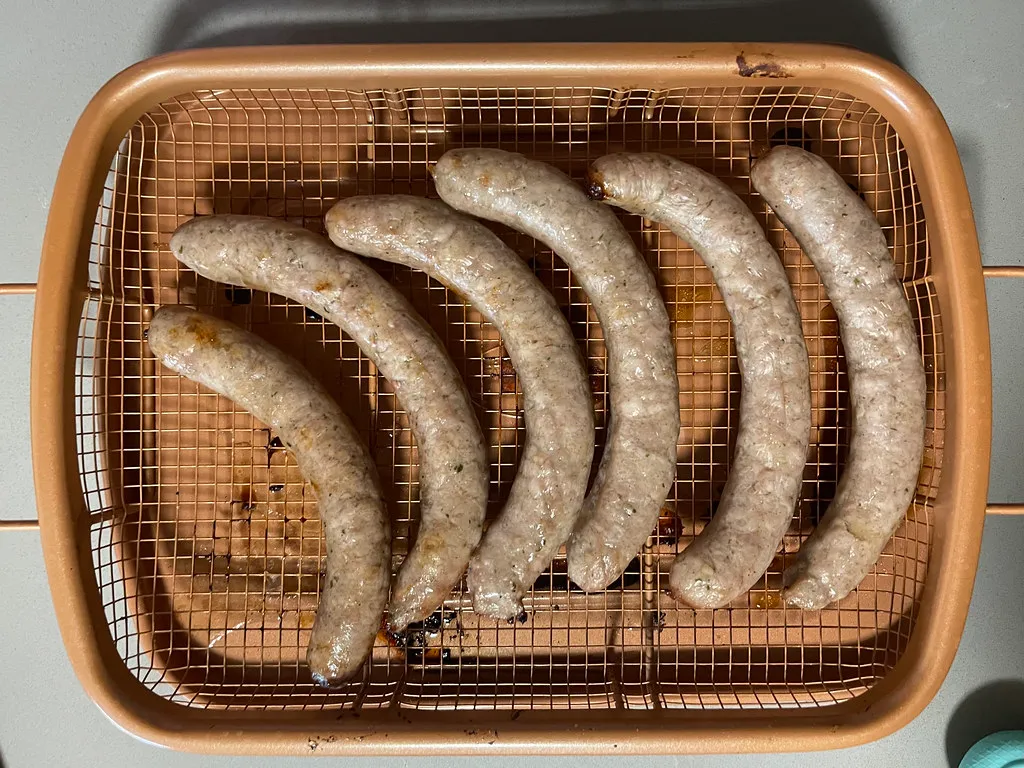
Peeling doesn’t always show up as dramatic flakes. Early signs are subtle and appear long before the coating starts shedding visibly. Small grey or brown patches where the coating looks thin, and fine scratches that slowly widen after each use, are the first indicators.
Visible discoloration, bubbling, or dullness on the basket surface are warning signs. A healthy PTFE coating has a uniform, slightly glossy appearance. Matte patches, brown discoloration, or bubbled areas indicate heat damage. Most people keep cooking through these signals and wonder why performance keeps declining.
Consider replacing the basket if the coating is scratched, flaking, or peeling, since a damaged surface is more likely to shed microparticles with unknown consequences. Catching the early signs and acting on them is cheaper and safer than waiting until the basket is clearly failing.
10. Assuming “PFOA-Free” Means Fully Safe When Damaged
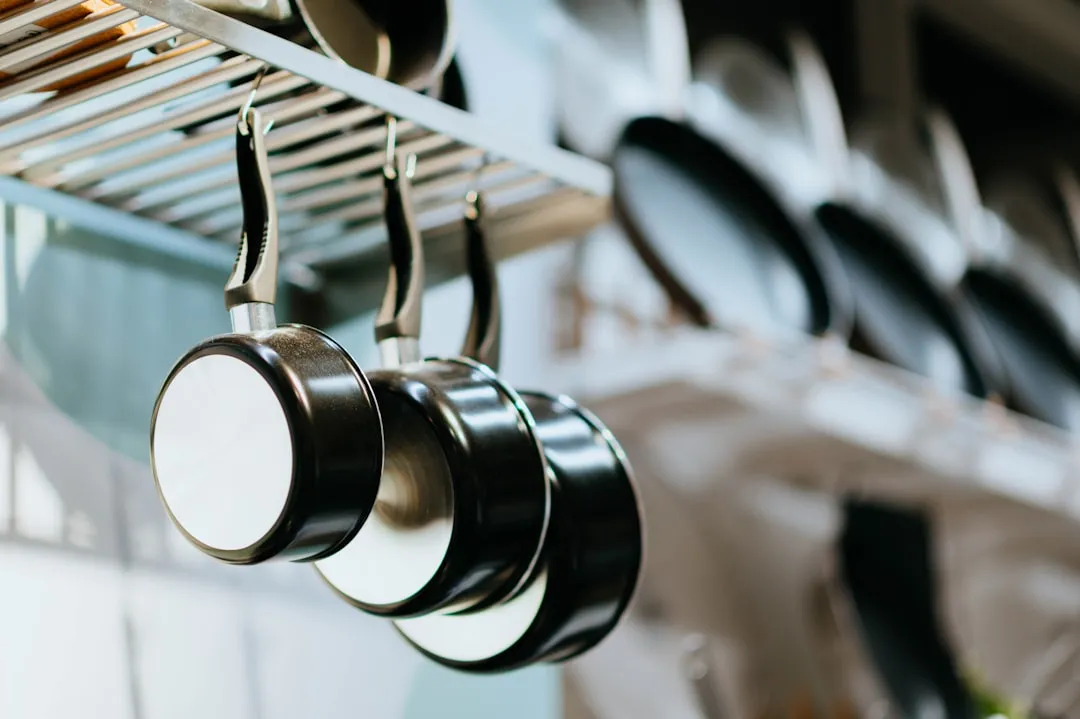
The label “PFOA-free” on packaging does not mean PFAS-free. This distinction matters more than most people realize, and it’s easy to misread packaging as a broader safety guarantee than it actually provides.
PTFE itself is still in the PFAS family, and the breakdown products of high-temperature PTFE above 500°F include perfluoroisobutylene and other PFAS compounds. A coating that is intact and kept within normal temperature ranges is a different risk profile from one that is scratched, flaking, or regularly overheated.
PTFE can leach chemicals and microplastics into food when scratched or damaged. There is a potential risk of exposure to toxic fumes and chemicals from PTFE coatings, especially when the surface is overheated or damaged. For those wanting to avoid the uncertainty altogether, a fully stainless steel model is the safest choice, as stainless steel is non-reactive and does not shed harmful particles.
The Takeaway
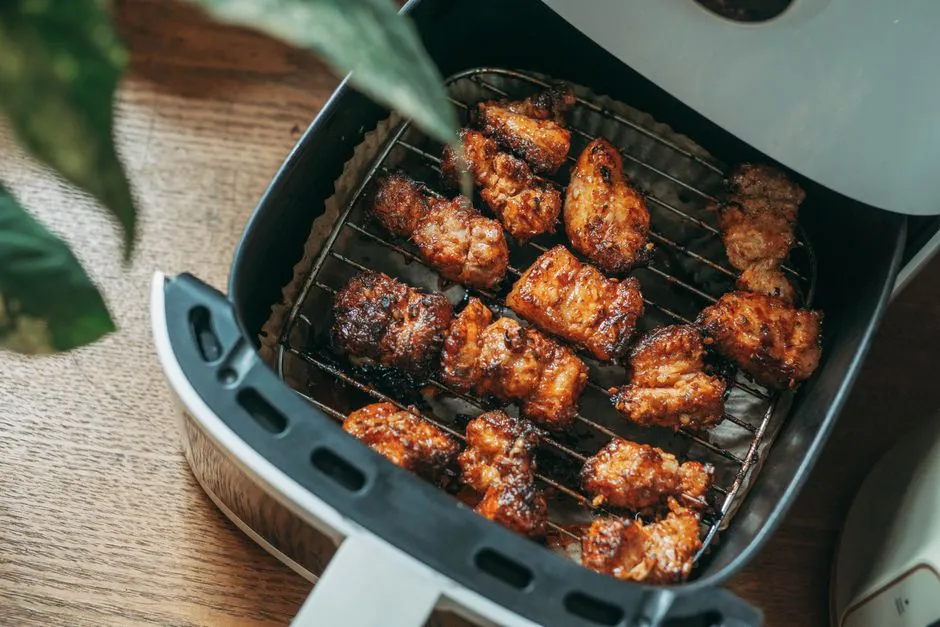
None of these habits are dramatic. That’s exactly what makes them easy to overlook. A quick spray of PAM, a run through the dishwasher, a metal fork used in a hurry: each one alone seems trivial. Together, over months of daily cooking, they quietly erode the coating that the whole appliance depends on.
The good news is that protecting your air fryer basket requires no special products or difficult routines. Soft tools, hand washing, lower temperatures, and a little patience after cooking cover most of the risk. Small adjustments now mean you’re not shopping for a replacement basket six months from now, and more importantly, you’re not cooking with a surface that’s silently degrading into your food.
AI Disclaimer: This article was created with the assistance of AI tools and reviewed by a human editor.