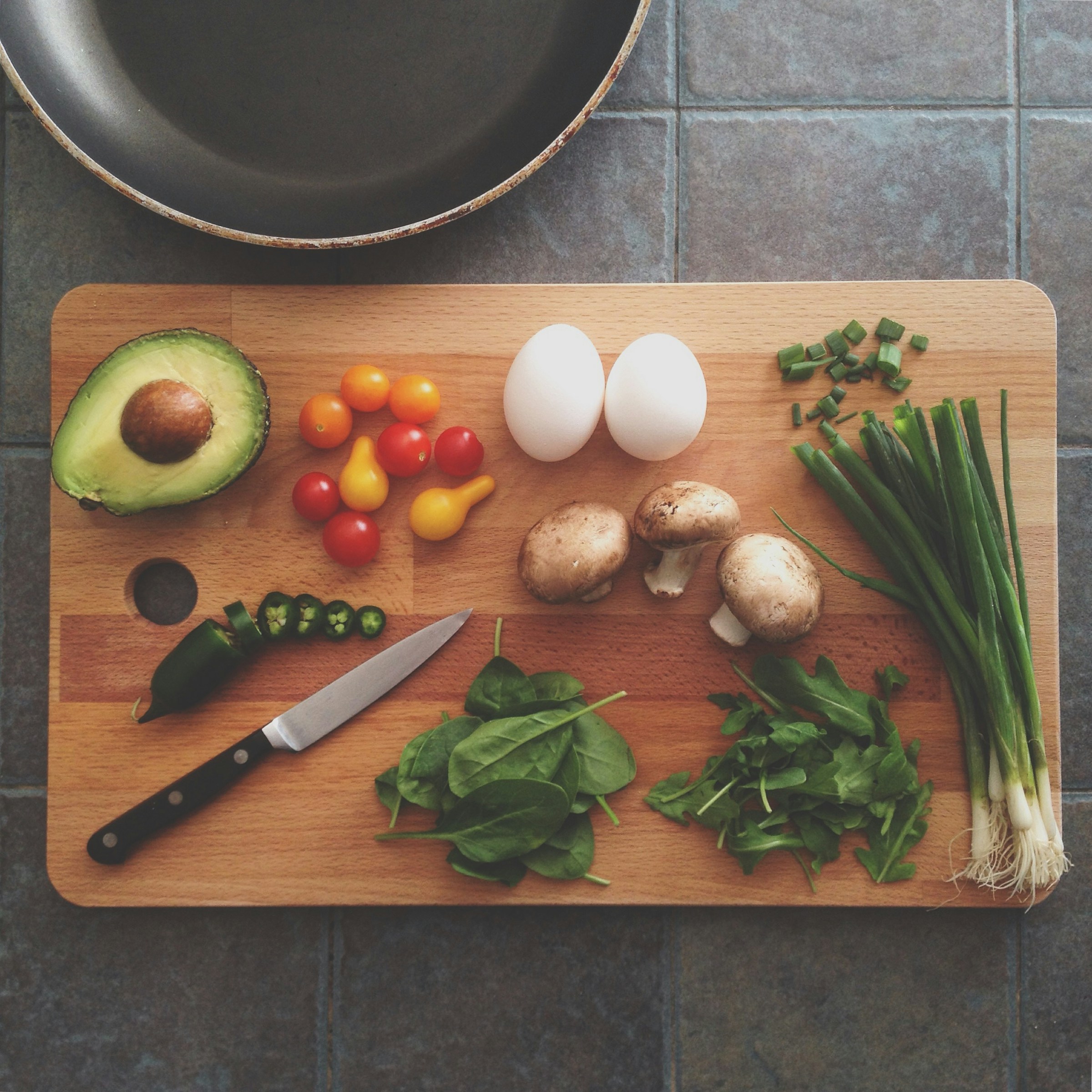

There’s a certain pride that comes from standing in your backyard with a colander full of vegetables you grew yourself. Zucchini the size of a baseball bat. Cherry tomatoes spilling over the rim. A handful of herbs you keep forgetting to label. The problem isn’t the harvest. It’s figuring out what to actually do with all of it, every single night, for weeks on end.
That’s where AI enters the kitchen. Chatbots have become go-to tools for everything from vacation planning to writing cover letters, so asking one to build a weekly dinner schedule around a garden glut felt like a reasonable experiment. What followed was instructive, occasionally surprising, and, on at least one evening, genuinely strange.
More People Are Growing Their Own Food Than Ever Before
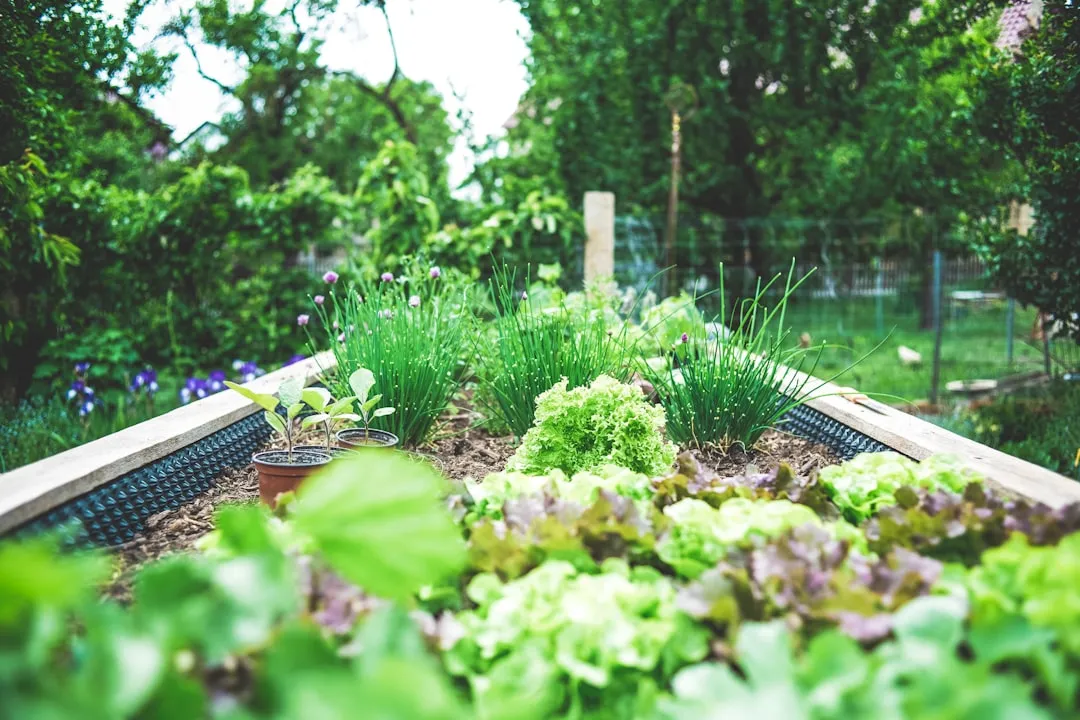
The home garden boom is real and, at this point, well-documented. Roughly seven in ten Americans reported planning to grow a food garden in 2025, with rural residents leading the way. That’s not a niche hobby anymore. About six in ten respondents said they already grew a food garden in 2024, and they estimated saving an average of $875 over that year.
Among those planning to grow food in 2025, two in three cited a desire for higher-quality produce, while more than half said they were explicitly trying to reduce their grocery bills. These aren’t idle motivations. The National Gardening Association has reported that roughly one in three American households now grows vegetables, fruit, or other food at home.
The Harvest Problem Nobody Talks About
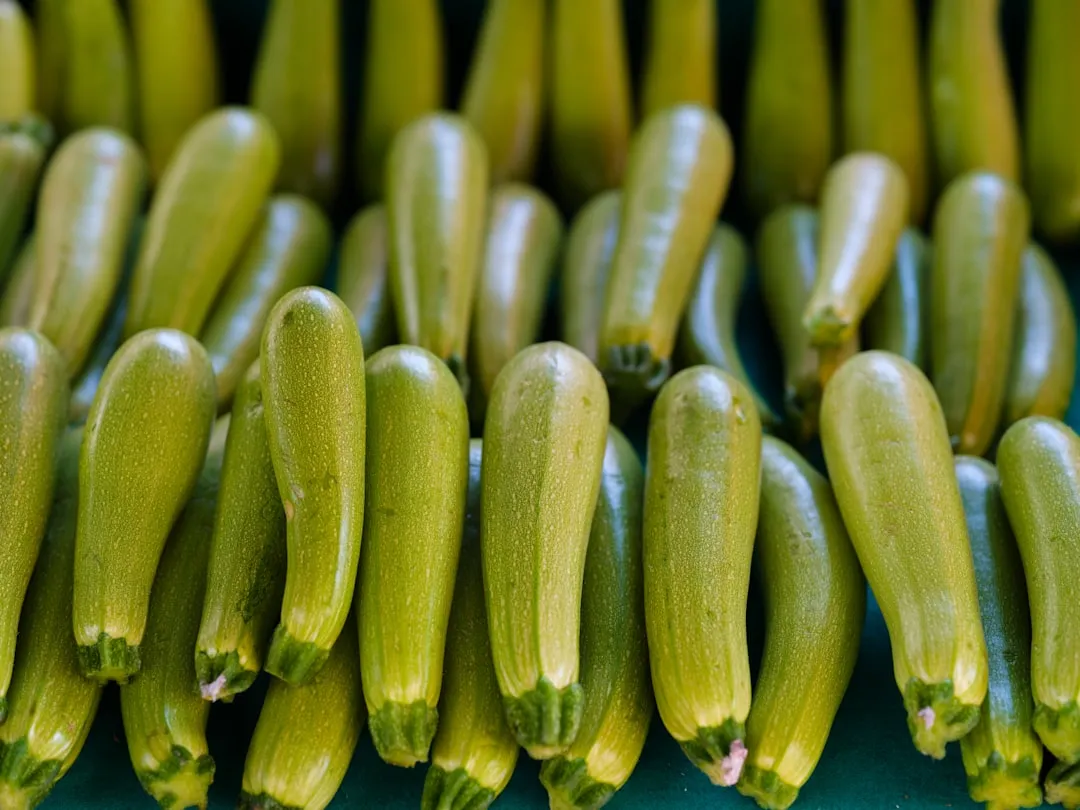
Growing food is satisfying right up until the moment everything ripens at once. That’s the quiet challenge of kitchen gardening: nature doesn’t respect your meal schedule. Zucchini won’t wait. Cucumbers pile up. Basil bolts before you’ve used a quarter of it.
Tomatoes are the most commonly grown vegetable, with an extraordinary share of home gardeners cultivating them. Cucumbers, sweet peppers, beans, and carrots round out the top five most popular homegrown vegetables. Each of those plants produces in waves, and coordinating dinners around unpredictable yields is genuinely difficult. This is where the appeal of offloading the planning task to an AI starts to make some sense.
Setting Up the Experiment
The prompt was straightforward: a week of dinners built primarily around what was coming out of the garden. Tomatoes, zucchini, cucumbers, green beans, basil, and a rogue butternut squash that appeared ahead of schedule. No serious dietary restrictions, just real garden produce, preferably in meals that a normal household would actually want to eat.
AI chatbot platforms work by scanning and synthesizing enormous amounts of information after being given a specific prompt, returning results in natural, human-like language. The idea of using this capability for meal planning isn’t new. The mental effort required to plan weekly meals is often the hardest part of the whole process, which is exactly why people keep looking for ways to simplify it.
The First Week: Genuinely Useful
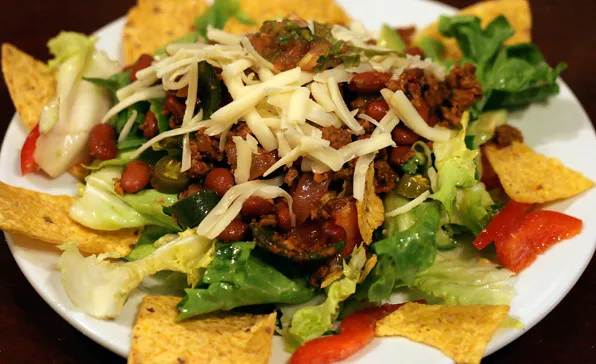
Some of what the chatbot produced was legitimately good. Tomato-based pasta with fresh basil, roasted zucchini frittata, green bean stir fry, a simple cucumber salad. Sensible, seasonal, achievable on a weeknight. The AI even suggested making a tomato sauce in bulk on Sunday to carry through multiple dinners, which is solid practical advice that any experienced home cook would endorse.
AI tools can generate useful information around harvesting and storage that helps people get the most out of their garden. When asked follow-up questions about what to do with excess zucchini, the chatbot offered freezing guidance and prep tips that were accurate and practical. For this kind of broadly useful, general knowledge, AI handles itself well.
Where Things Got Creative (in the Wrong Direction)

By day four, the suggestions started drifting. A cucumber and butternut squash “Thai-inspired soup” that no traditional Thai cuisine would recognize. A zucchini-based flatbread where the structural logic was unclear at best. The chatbot wasn’t wrong exactly, just untethered from how flavors and textures actually behave together.
One study published in the journal Nutrition in 2023 tested an AI chatbot’s ability to recommend diets, and found that the AI-recommended meals were balanced but also monotonous, at times inaccurate in detailing food quantities, and, in one case, unsafe. In the garden harvest context, “inaccurate” translated to combinations that were technically edible but culinarily questionable. The chatbot had no real understanding of what those combinations would taste like.
The Nutritional Accuracy Problem

One of the more surprising findings from real research is that AI meal plans carry a specific type of risk when it comes to nutrition claims. AI can “hallucinate” incorrect information, and this extends to meal planning, where AI plans can overstate quantities or misrepresent the nutritional composition of certain foods, including total calories, grams of protein, or grams of carbohydrates.
LLM responses to prompts are often prone to biased, unhealthy, and incorrect outputs due to the nature of training data; one user’s prompt for a gluten-free meal plan, for example, yielded a diet that was very low in carbohydrates and calories, and deficient in key vitamins and minerals. For a casual garden harvest plan, these errors are mostly harmless. For anyone managing a health condition, they’re worth taking seriously.
Prompting Matters More Than You’d Think
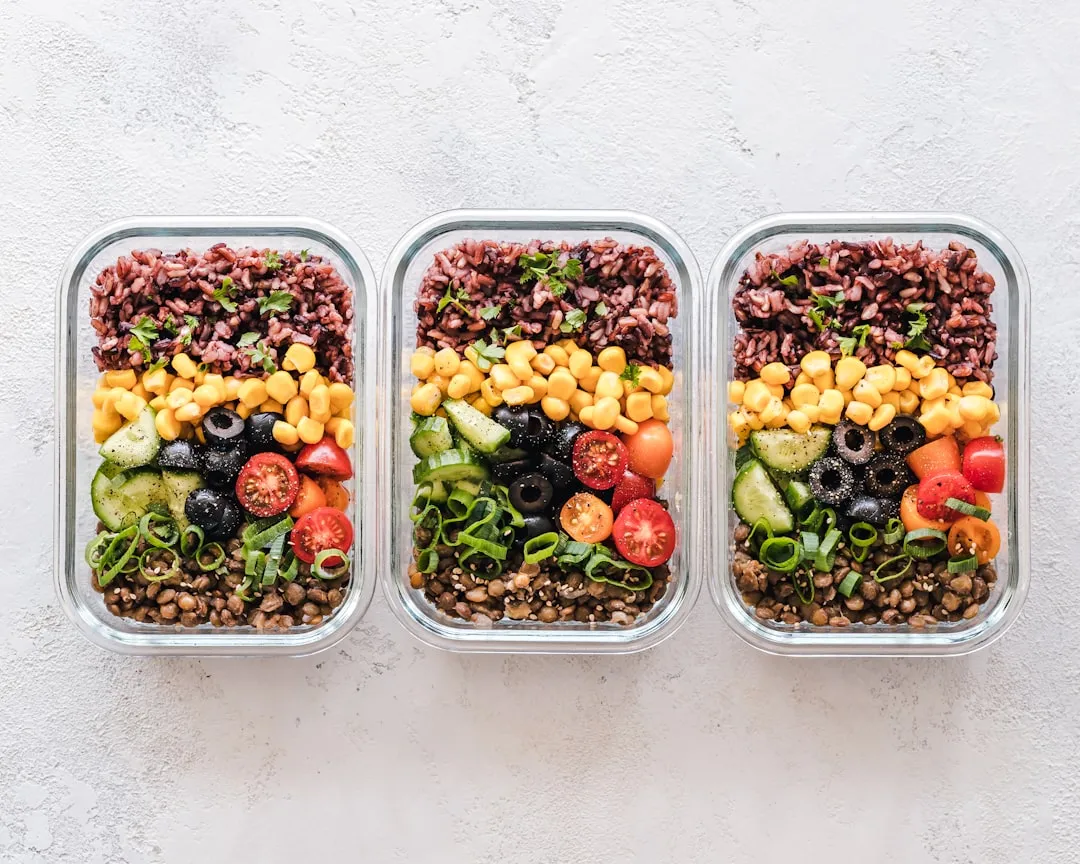
The quality of what you get from an AI meal planner is almost entirely determined by how specifically you ask. A vague prompt like “help me use my garden vegetables” produces generic results. A precise prompt that lists specific quantities, cooking equipment, time constraints, and flavor preferences produces something far more targeted and usable.
Recent research has highlighted the importance of prompt structure in improving AI recipe quality overall. In practice, this means treating the chatbot less like a chef and more like a well-read assistant who needs clear direction. The role of AI is to support the meal planning process, not take it over, with a human supervising and ensuring that any recipe suggestions pass a common-sense test.
What AI Actually Does Well in the Kitchen

AI improves the dietary planning process by breaking down meals into their fundamental components with high accuracy, offering precise quantitative and qualitative evaluations that help tailor dietary plans to individual goals. For garden-to-table cooking, this strength shows up most clearly in substitution suggestions, scaling recipes up or down, and identifying which flavor profiles match which vegetables.
AI chatbots are available around the clock to answer questions, provide troubleshooting tips, and offer guidance on demand. That kind of immediate availability is genuinely useful mid-cook when you realize you have three pounds of green beans and absolutely no plan. It’s also useful for those “what can I make with just these five things” moments, where a fast creative suggestion beats a long internet search.
The Limits of a Tool That Doesn’t Know Your Garden
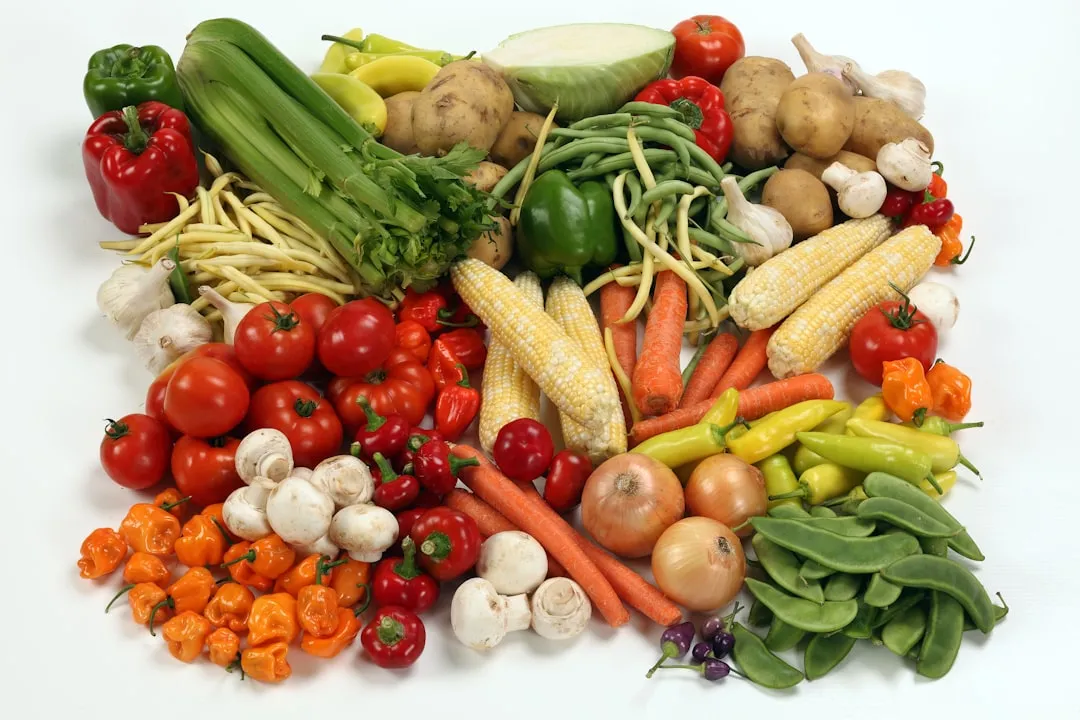
Research on AI tools and their effectiveness in meal planning remains limited, in part because research takes time and AI technology is updated so rapidly. One limitation that no amount of updating fully solves is that the chatbot cannot see your garden. It doesn’t know that your butternut squash is small and slightly under-ripe, or that your cherry tomatoes are bursting sweet while your paste tomatoes are still green. It works with what you tell it.
While AI offers genuinely exciting possibilities, it remains a tool, and observing your plants, understanding their unique needs, and using your own judgment will always be crucial. The same is true in the kitchen. The chatbot can generate a plan, but only you know what actually tastes good, what your household will eat, and what’s realistically sitting in your colander tonight.
The Garden Harvest Math Still Works in Your Favor
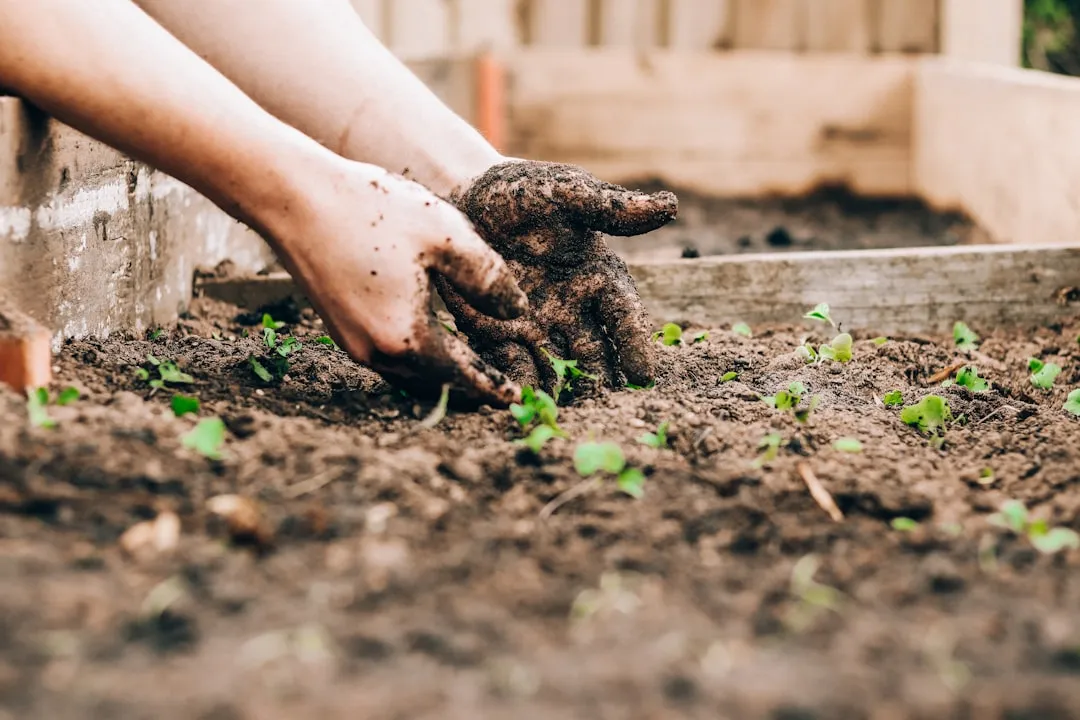
Even with the occasional weird dinner suggestion, the economics of home growing remain compelling. The average U.S. garden produces roughly $600 worth of food annually. Using AI as a planning layer on top of that doesn’t eliminate the value; it just adds a variable. Some nights the chatbot nails it. Other nights you end up with a cucumber squash soup that nobody asked for.
On average, food gardeners aim to cover nearly a quarter of their grocery bills through what they grow. That goal is well within reach with or without an AI assist. The average garden yield of around $600 annually is meaningful savings, and any tool that helps you actually use what you’ve grown, rather than letting it go soft on the counter, is worth experimenting with.
The Takeaway
AI meal planning works best when you treat it as a starting point, not a finished plan. For garden-based cooking, it’s a useful brainstorming partner that can shake loose ideas you wouldn’t have thought of on your own, suggest preservation techniques, and handle the tedium of building a weekly framework. Where it falls short is in flavor intuition, actual seasonal knowledge, and understanding the physical reality of your specific harvest on any given day.
The cucumber butternut squash soup, for the record, was not a success. The zucchini frittata, though, was excellent. That ratio, genuinely useful most of the time with occasional departures into experimental territory, is probably fair for where AI stands right now. Cook with it by all means. Just keep tasting as you go.
AI Disclaimer: This article was created with the assistance of AI tools and reviewed by a human editor.