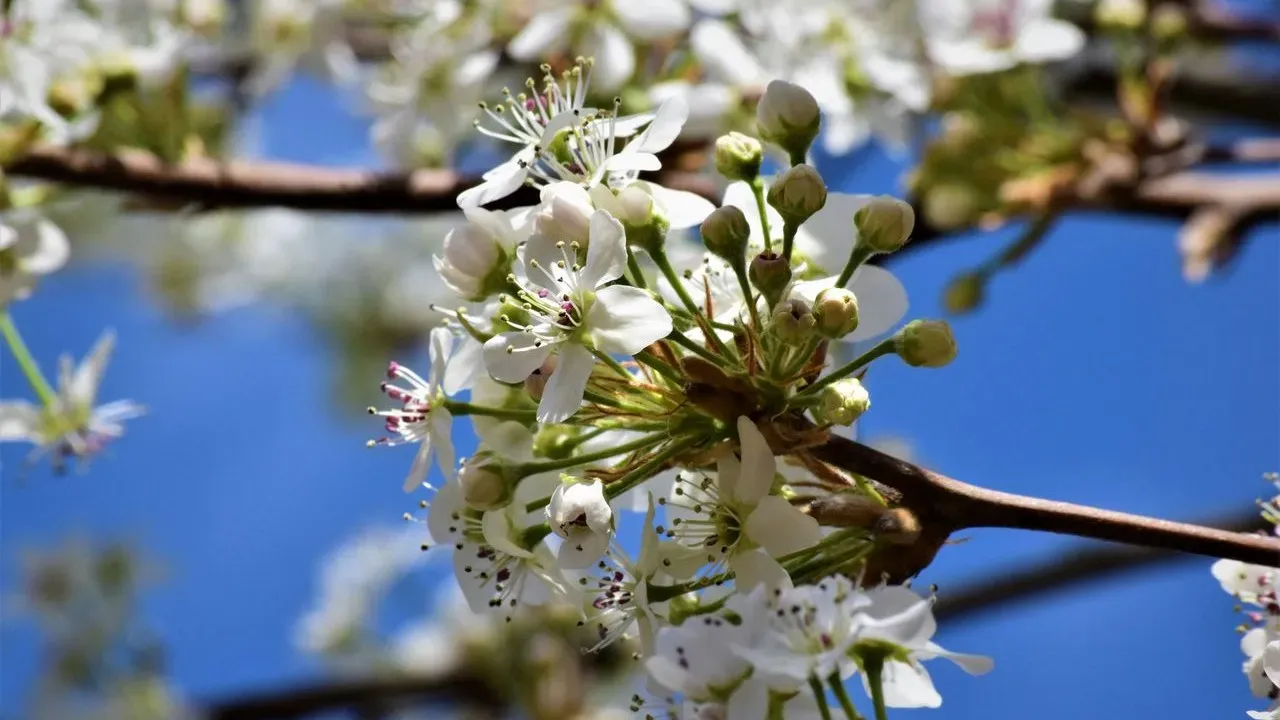

In a church parking lot in the South, two trees often discussed separately in gardening circles stand intertwined. Their branches appear to lean toward one another, creating an image of quiet coexistence amid asphalt and daily traffic. This sight has prompted some observers to reconsider long-standing views on the Bradford pear, a tree frequently criticized for its invasive tendencies.
Practical Stakes for Homeowners
Many property owners face real decisions when Bradford pears appear on their land. The trees can revert to their wild Callery pear roots, producing thorns that complicate maintenance and reduce usability of surrounding space. One commenter described watching her father’s tree transform into a thorny problem that required removal, only for sprouts to return and demand further treatment with brush killer.
Landowners who act early can avoid larger costs later. Those who delay often deal with denser thickets that affect both aesthetics and safety around homes or businesses. The timeline from planting to reversion varies, yet the outcome frequently leaves residents managing unexpected growth years after the initial appeal fades.
Documented Benefits of the Wood
Despite the drawbacks, Bradford pear wood offers tangible value when harvested responsibly. Craftspeople have turned the material into tool handles, noting its striking tiger-stripe patterns that become visible once varnished. The density and grain make it suitable for small projects where durability matters.
Gardeners who choose to remove trees can still extract usable lumber rather than discard it. This approach turns a potential nuisance into a resource for local woodworking. Several accounts confirm the wood’s workability for items that benefit from both strength and visual interest.
Grafting as a Management Option
Over-grafting fruiting pear varieties onto existing Bradford rootstock provides another path forward. Successful grafts have produced edible fruit while retaining the established root system. This method reduces the need for complete removal and limits the spread of wild seedlings.
Video updates from practitioners show steady progress on such projects. The technique appeals to those who want productive trees without starting from scratch. It also addresses concerns about invasiveness by channeling the rootstock into controlled, useful growth.
Crepe Myrtle’s Steady Role
The crepe myrtle in this pairing brings reliable summer color and heat tolerance common in Southern landscapes. Its wood, though dense and sometimes used for mallets or decorative pieces, receives less attention than its flowers. The tree’s ability to persist in challenging conditions makes it a frequent choice for public and private plantings.
When the two species grow close, the contrast in form and season of interest becomes noticeable. The crepe myrtle’s canopy offers a different texture against the pear’s earlier bloom. Observers note that such combinations can soften the visual impact of either tree alone.
Next Steps for Gardeners
Those encountering similar situations can weigh several options based on site conditions and goals:
- Assess trees for signs of reversion before deciding on removal.
- Consider grafting if fruit production is desired.
- Harvest wood for small projects when cutting is necessary.
- Monitor nearby seedlings to prevent wider spread.
These choices affect both immediate property maintenance and longer-term landscape health. Homeowners who act with awareness often find workable balances between the trees’ drawbacks and their occasional advantages.
The parking lot example illustrates how common landscape plants can interact in ways that challenge simple labels of good or bad. Gardeners continue to navigate these realities one property at a time.
AI Disclaimer: This article was created with the assistance of AI tools and reviewed by a human editor.