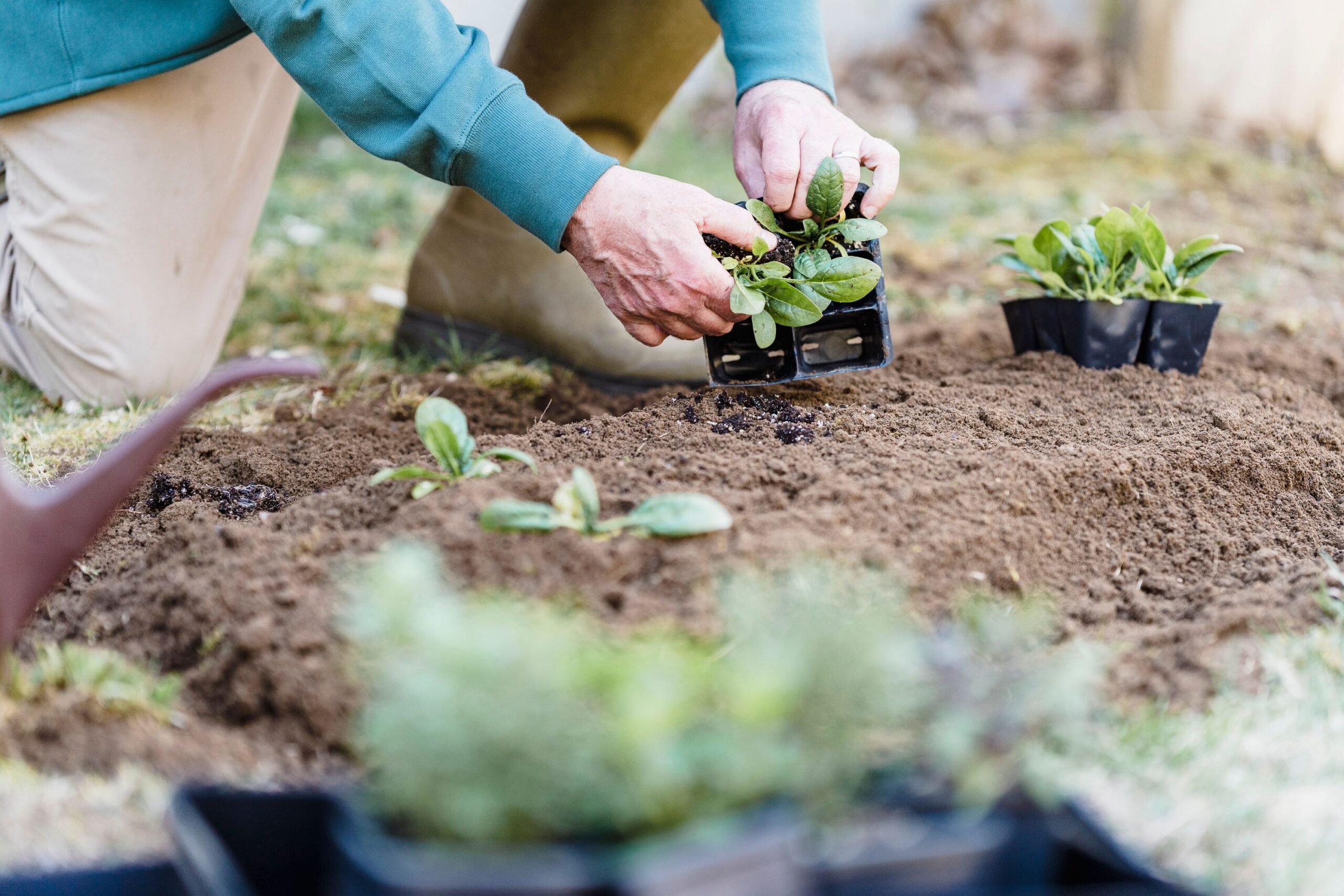

The Mistake Almost Every Gardener Makes
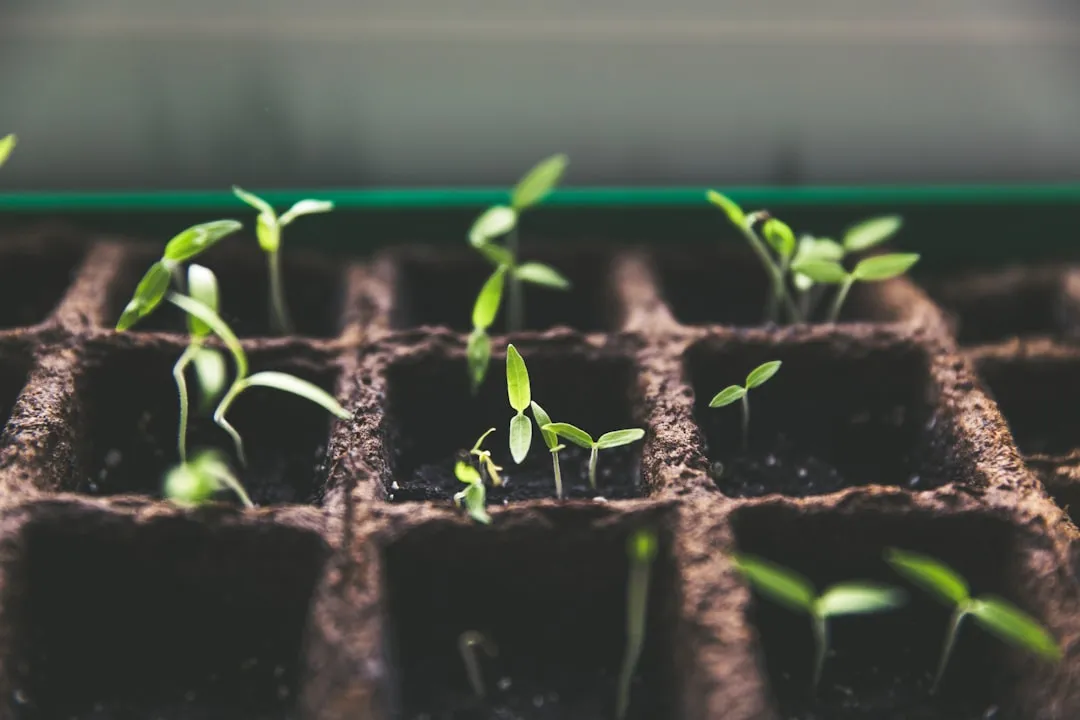
Many gardeners either plant seedlings way too close, which stunts their growth, or plant them too far apart, which wastes space. The first error is far more common, and far more damaging. A fresh transplant takes up almost no room, so a six-inch gap between two seedlings can look perfectly reasonable on planting day.
Pepper plants compete for the same finite resources: light, water, soil nutrients, and airflow. Crowd them and you get leggy stems, reduced fruit set, and fungal problems that spread plant to plant. The mistake isn’t dramatic. It just quietly compounds every week until fall, when the harvest tells the whole story.
What the Right Spacing Actually Looks Like
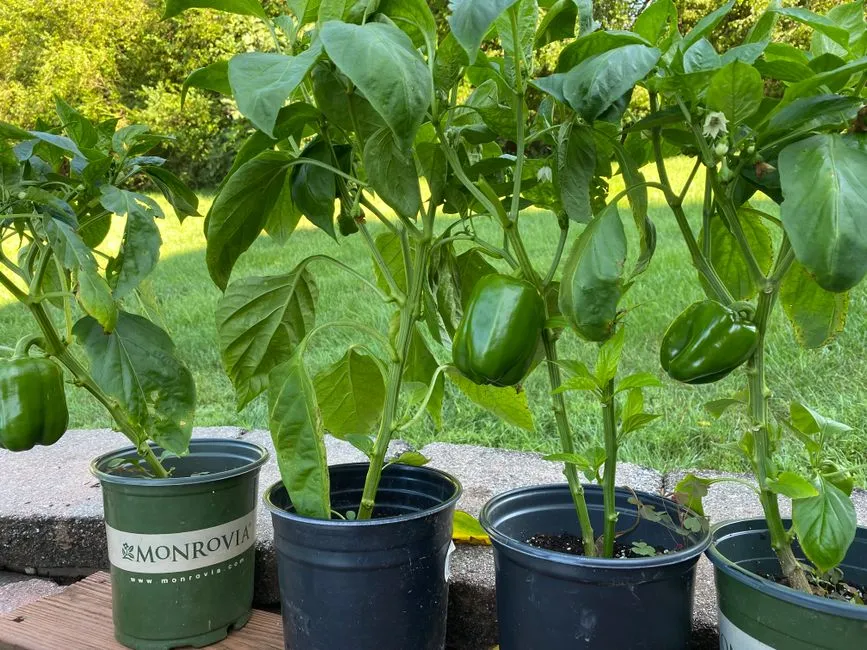
In general, peppers should be spaced at 18 to 24 inches between plants, stem to stem. That number isn’t arbitrary. It reflects how wide a mature pepper plant actually grows once its canopy fills out through the summer months.
Pepper spacing recommendations generally fall into three tiers based on mature plant size: compact varieties at 12 to 14 inches apart, mid-size plants at 18 inches, and large or sprawling types at 24 to 36 inches. Choosing which tier applies to your plants requires knowing which variety you’re growing, not guessing based on what the seedling looks like at transplant time.
At their mature size, the leaves of the pepper plant should be just touching the leaves of its neighbor plants on either side. Anything closer and they’re too crowded; anything farther apart means you could have fit more plants in that space. It’s a tighter margin than most people realize.
How Overcrowding Cuts Into Your Yield
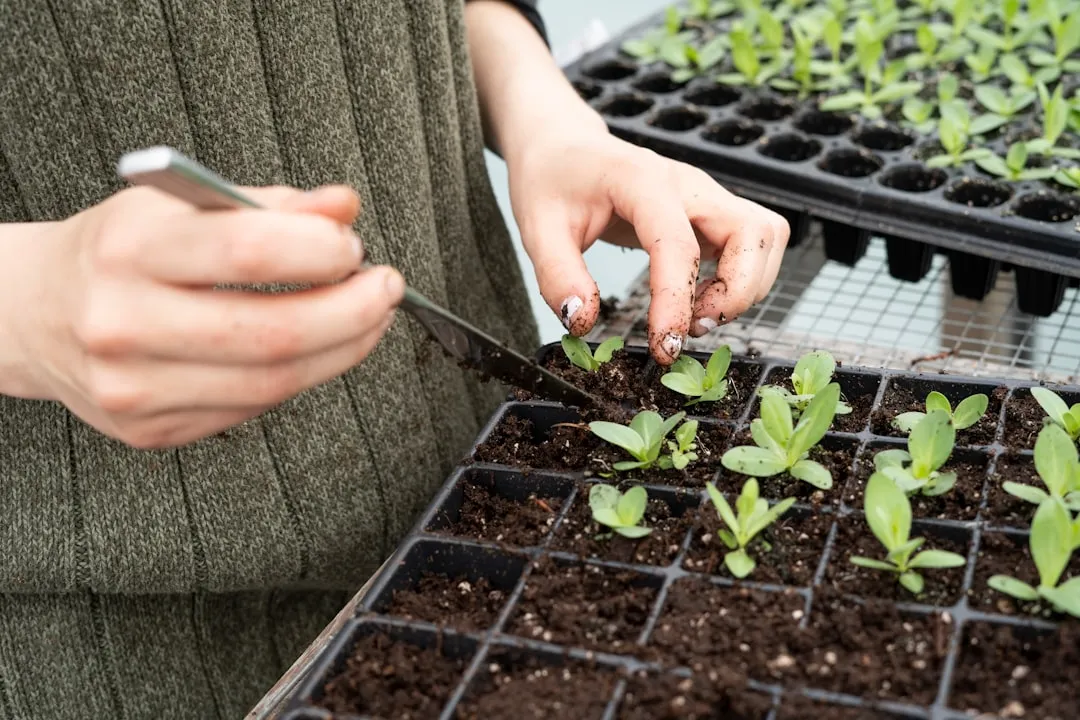
Research from a Purdue University high tunnel trial suggests that tighter plant spacing increased yield per unit area but decreased the yield per plant. That distinction matters. More plants per row doesn’t automatically mean more peppers per plant. When each individual plant is squeezed for resources, its personal productivity drops.
Crowded plants produce more fruit per square foot early on, but they decline faster due to disease pressure and root competition. Properly spaced plants maintain production longer and often win on total seasonal yield. The long game favors breathing room.
The Root Problem Nobody Sees
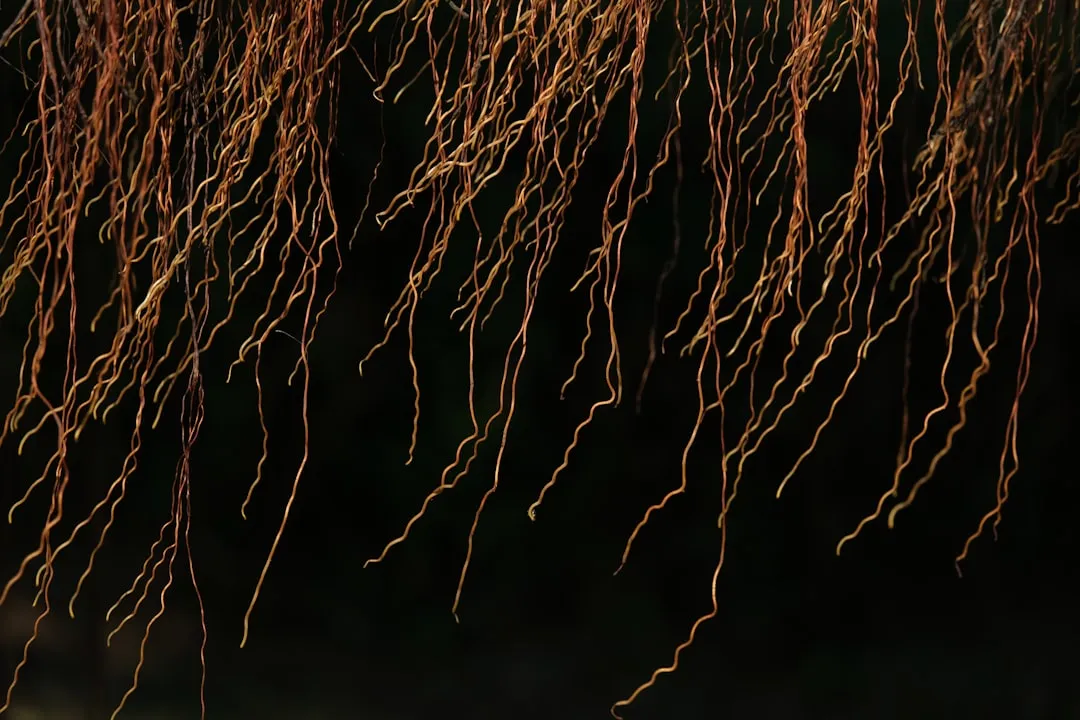
Since pepper plants have extensive root systems, planting them too close together can cause them to become entangled. This makes air circulation difficult and causes problems such as edema, which makes it harder for the plant to retain moisture. Root entanglement isn’t something you can spot from above the soil line, which is part of why this problem goes undiagnosed so often.
There are a few unwanted outcomes that can happen if you plant pepper seeds too close together. The first and most worrisome problem is that as the plants grow, they will compete for nutrients, and one or both plants will die since they won’t be getting what they need to grow. In milder cases, both plants survive but neither reaches its potential.
Poor Airflow and the Fungal Disease Connection
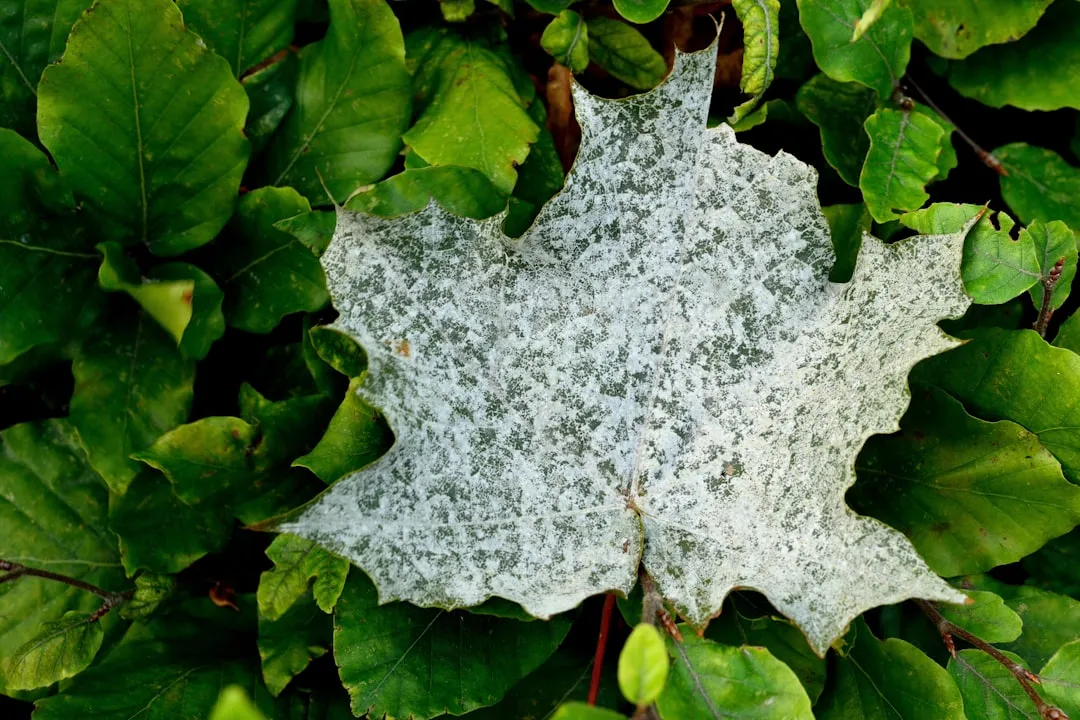
If peppers are planted too close, they’ll grow into their neighbors. This reduces air circulation around the plants and the foliage won’t dry off as quickly after watering or rain. Wet foliage is an invitation to disease. This is especially worth taking seriously in humid climates or during wet summers.
Reduced airflow leads to fungal disease, plants compete for soil nutrients and water, and fruit set drops as the season progresses. Leggy growth and powdery mildew are the most common visible symptoms of overcrowded pepper plantings. Powdery mildew, in particular, can travel from plant to plant with alarming speed when foliage is packed tight.
Powdery mildew spreads in warm locations with high humidity around peppers. This occurs with crowded plants, low airflow, and shade. Prevent the disease by spacing plants correctly under full sun. Prevention is the only truly effective strategy here. Once mildew establishes itself across a dense planting, containment becomes difficult.
Light Starvation Happens Faster Than You’d Think
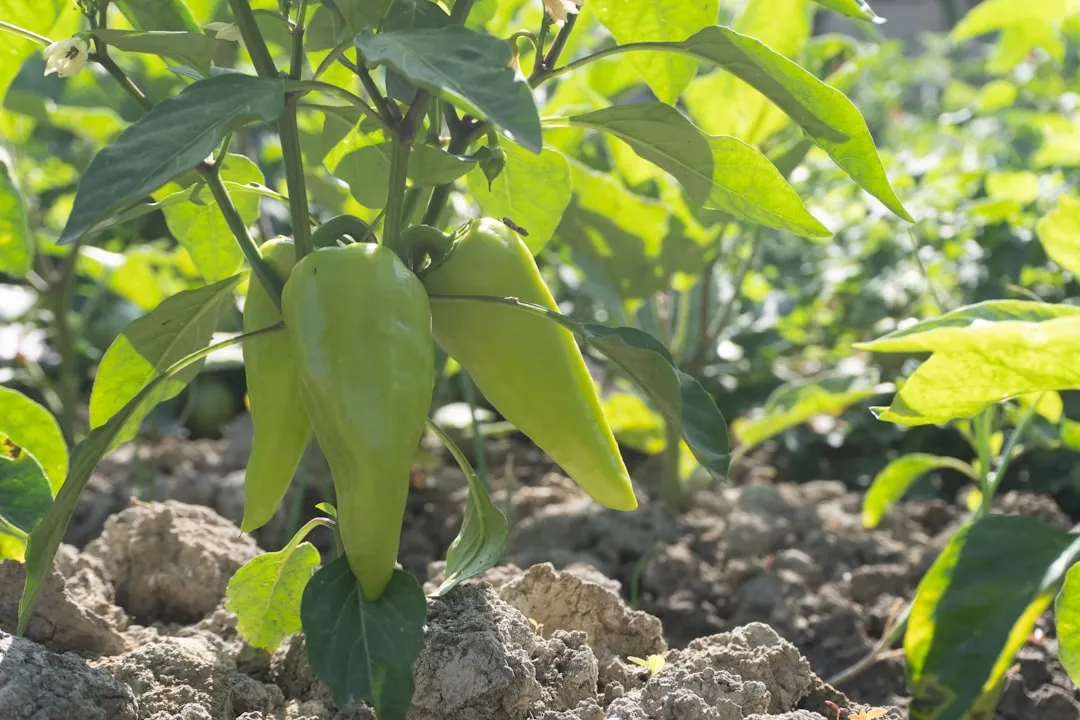
Peppers need a minimum of eight hours of sunlight to produce sturdy, healthy plants. Tightly packed plants don’t get enough light to grow into large plants. When a canopy closes in over itself, lower leaves and developing fruits are shaded out first.
Peppers need a full six to eight hours of direct sunlight daily to thrive. Too little light produces weak, spindly plants and smaller fruit. This is worth keeping in mind even when spacing is correct, since neighboring plants, fences, or garden structures can also reduce light exposure throughout the day.
Variety Matters More Than Most Guides Admit
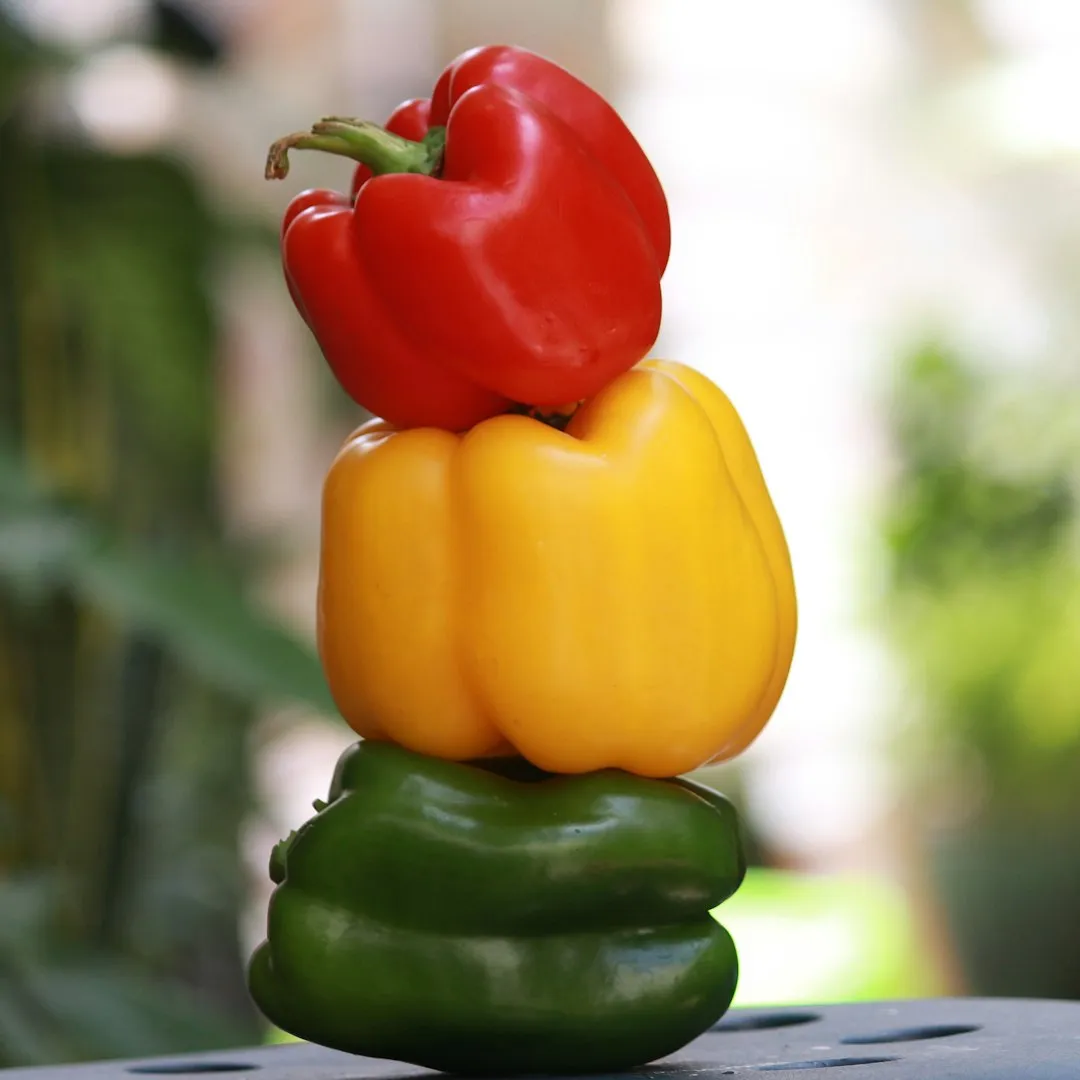
Different pepper plant varieties have different growth patterns. Some tend to grow wide and bushy, while others grow tall and slender. Leaf size and density are also highly variable. A spacing rule that works perfectly for a slender cayenne may leave a wide bell pepper grossly overcrowded.
Bell peppers are among the largest pepper varieties, and also the most commonly grown. The plant’s leaves are broad, and plants can grow quite tall, easily four feet or taller in one season. However, they tend to be more thin than bushy, so they don’t take up as much lateral space as you would expect. Knowing how a variety grows vertically versus laterally changes how you plan your spacing grid.
Pepper plants typically grow at least three feet tall, but some cultivars reach over five feet. That height difference has direct implications for shading, staking, and how much space each plant ultimately dominates.
The Case Against Planting Too Far Apart
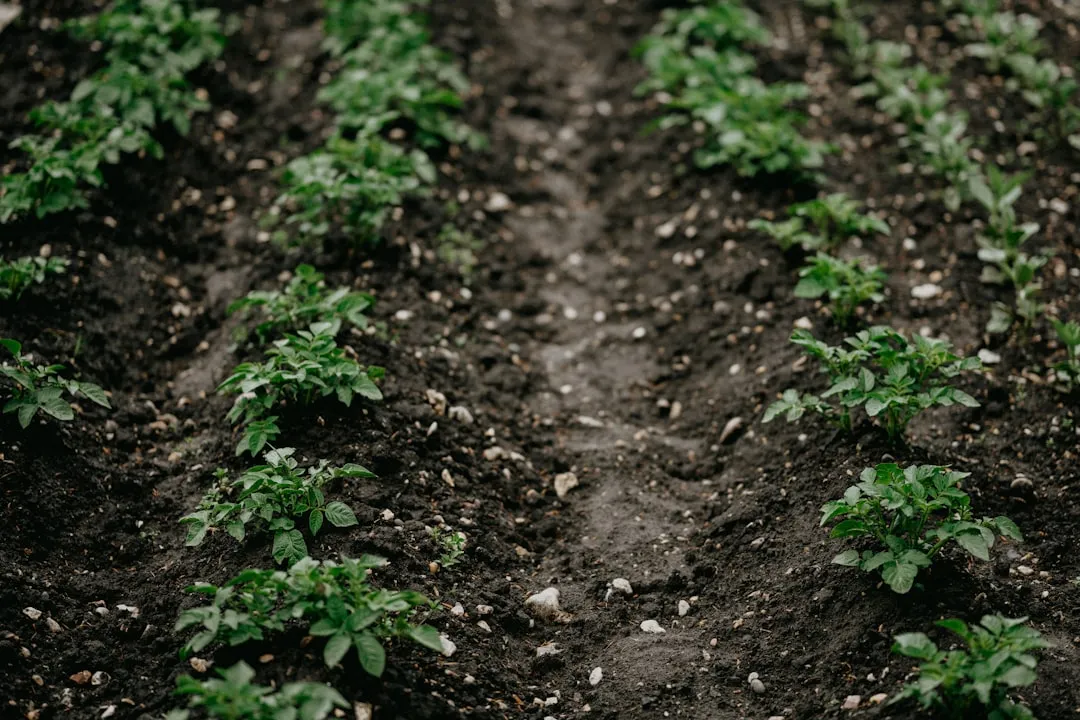
Give plants too much room and you waste garden space, lose yield per square foot, and sometimes stress the plant with excessive soil temperature fluctuation around the roots. Over-spacing is a real problem too, even if it draws less attention than crowding.
Empty space between plants is not only unproductive, but also encourages weeds. Plants spaced the right distance apart shade the soil and reduce weed growth. A well-timed, well-spaced planting actually makes the garden easier to manage as the season goes on. The plants themselves do some of the work of suppressing weeds when they’re positioned correctly.
Spacing in Containers and Raised Beds
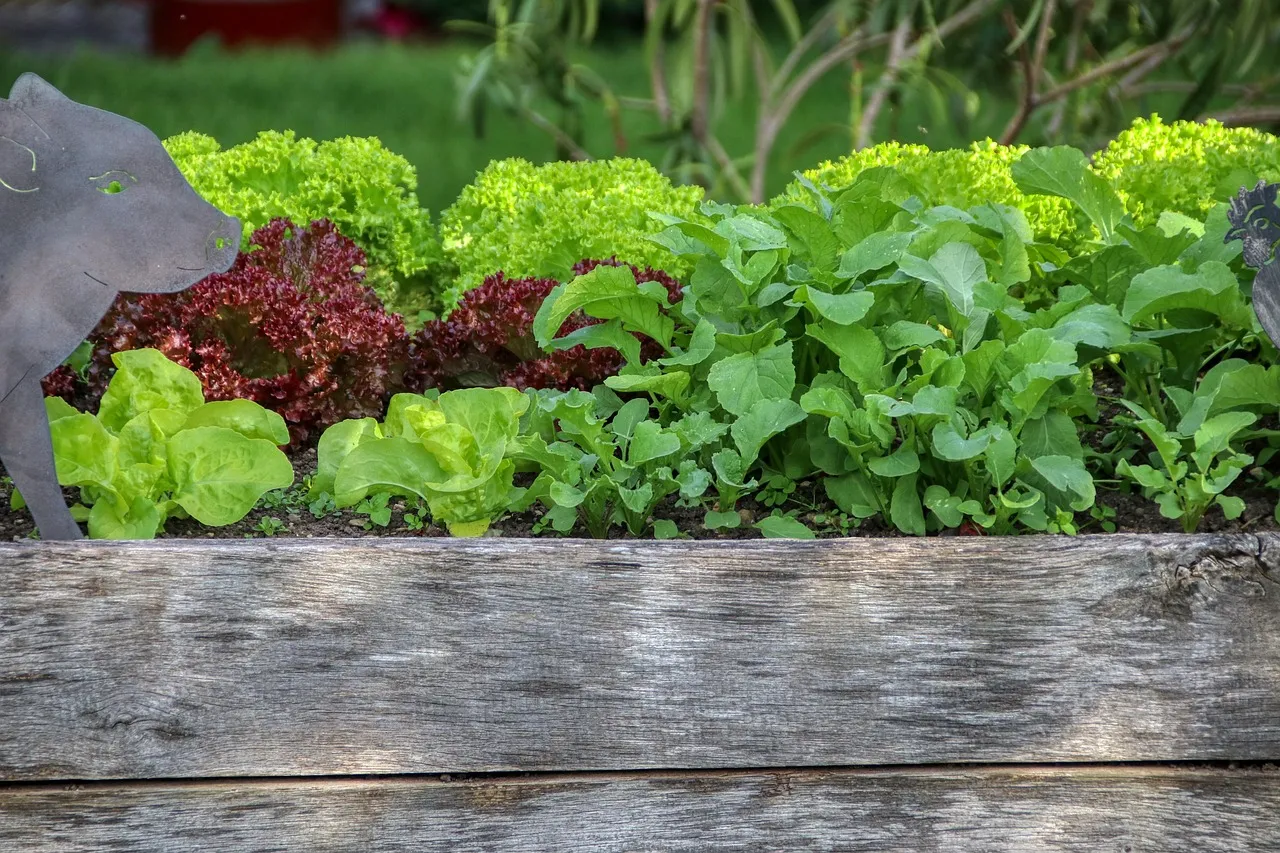
The seedlings of all species should be planted 18 to 24 inches apart, with rows set 24 to 36 inches apart. This spacing provides enough airflow to prevent disease and allows each one room to spread and bear fruit. In raised beds, that formula applies just as firmly as it does in the ground, even though the temptation to squeeze in one more plant is usually stronger.
Rows should be arranged 24 to 36 inches apart and plant positions staggered to improve sunlight exposure and reduce disease risk. In containers, use one plant per five to ten gallon pot and stake or cage early to support branches and save space. Staggering the planting in a triangular pattern rather than a rigid grid is a practical way to improve both airflow and light penetration without wasting any ground.
How to Correct a Spacing Mistake Mid-Season
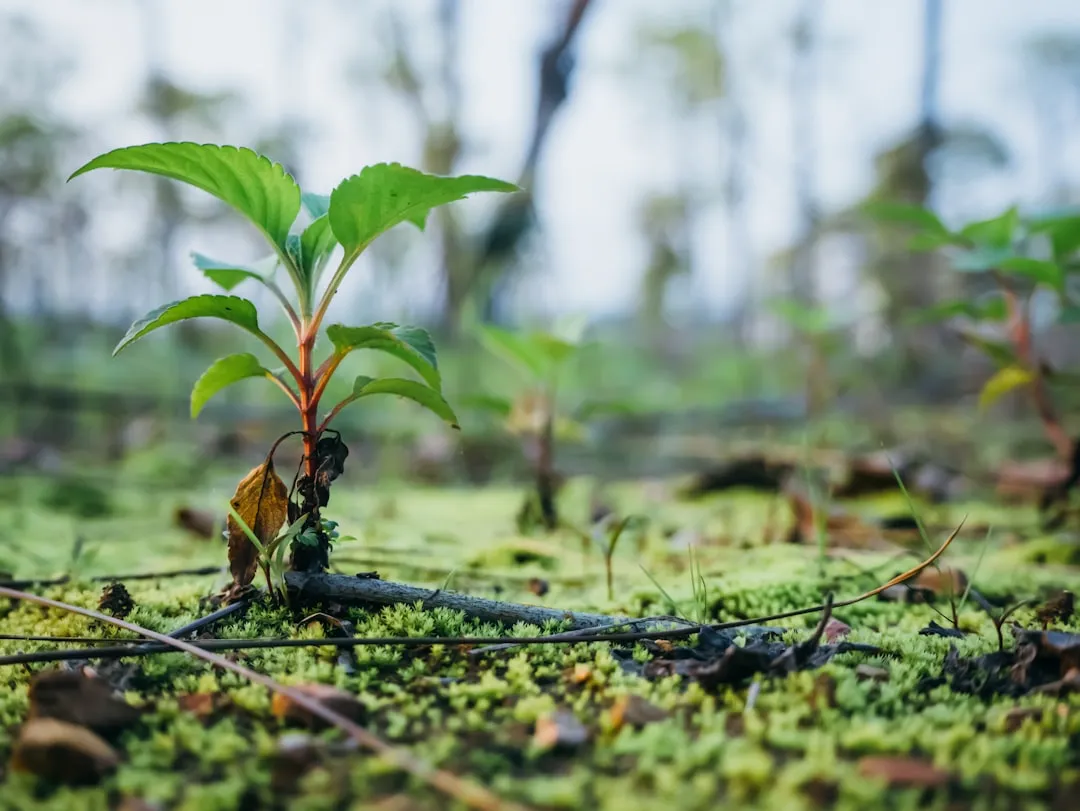
Overcrowding your plants can lead to problems in airflow, which produces prime conditions for bacteria and viral pathogens to flourish. For the benefit of your whole crop, it’s best to thin out tightly packed plants to ensure each one has the space it needs for optimal production. You’ll get better results from fewer, healthier plants than from ones that are competing with each other.
Thinning established plants mid-season isn’t pleasant, but the math supports it. One healthy, well-spaced pepper plant with full sunlight and uncontested root access will outperform two struggling neighbors every single time. Spacing pepper plants at the appropriate distance encourages healthy growth and can reduce the occurrence of pests and diseases. Acting on that earlier in the season produces the most noticeable difference.
The Takeaway
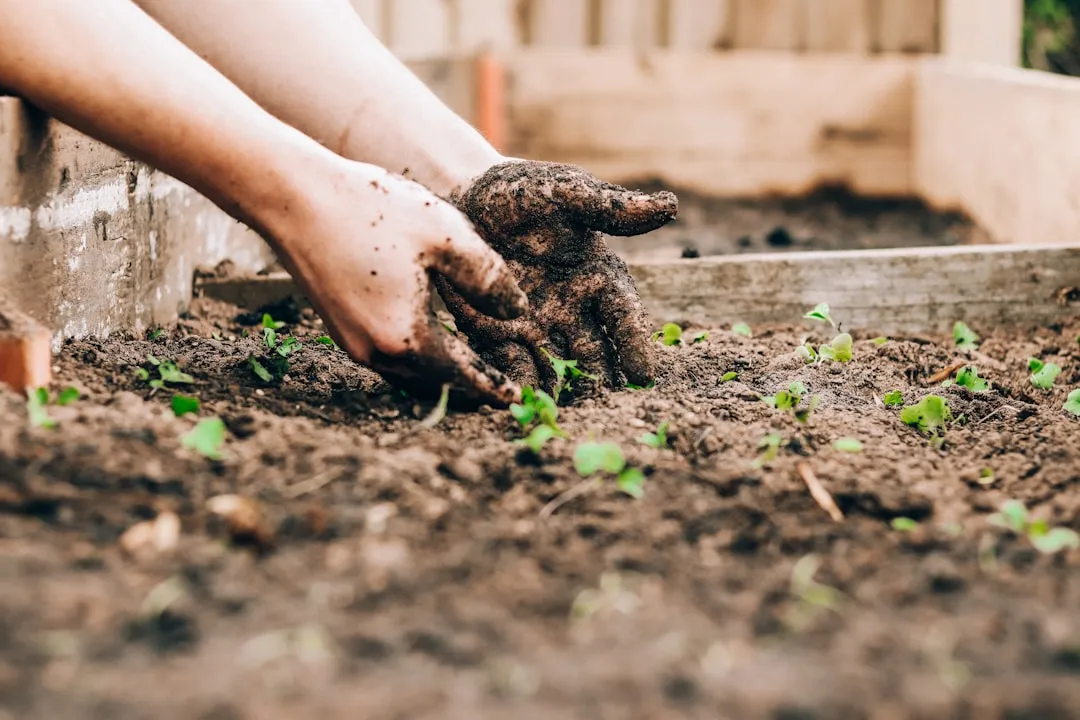
Spacing is one of those foundational decisions that costs nothing except a little planning, yet it affects nearly every other variable in the growing season. The gap between two healthy plants is where light enters, where air moves, where roots avoid conflict, and where disease finds less opportunity to take hold.
Eighteen inches is the most widely supported standard for most mid-size pepper varieties, with room to adjust up or down depending on the specific cultivar. That number holds up across professional guidance and research alike, and it’s worth measuring rather than estimating. A tape measure used once at planting time tends to pay for itself in full by harvest day.
AI Disclaimer: This article was created with the assistance of AI tools and reviewed by a human editor.