
Using One Board for Everything
Survey results from a 2025 study examining domestic kitchens found that the vast majority of food handlers, roughly nine in ten, used the same board for all foods. That means raw chicken, salad vegetables, bread, and fruit all touching the same surface, one after another, with only a quick rinse in between.
When juices from raw meats or germs from unclean objects accidentally touch cooked or ready-to-eat foods such as fruits or salads, cross-contamination occurs. The fix is straightforward in principle. Food safety authorities recommend using separate cutting boards for raw meat, poultry, or seafood and one for fresh produce.
Ignoring the Grooves and Knife Scars
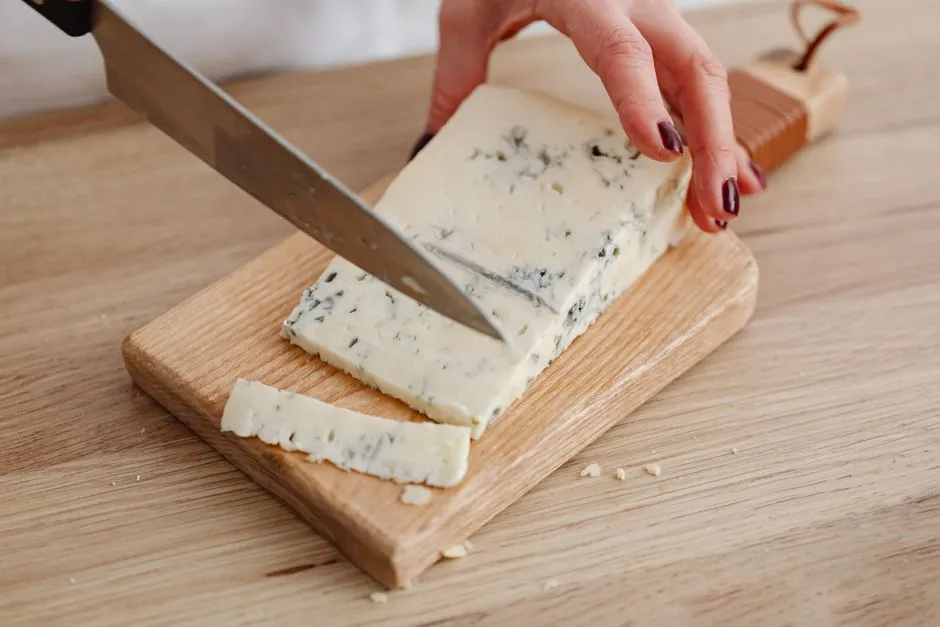
Pathogens like Salmonella and E. coli can linger on grooves and scratches in a cutting board, leading to foodborne illness if not properly cleaned. This is the part of the cutting board story that surprises most people. The damage from daily knife use doesn’t just wear out the surface visually; it creates microscopic shelters that cleaning cannot easily reach.
Scanning electron microscopy has revealed the presence of microorganisms within deep cracks on cutting boards, suggesting that surface wear may promote microbial persistence. Research has found that these little hiding spots can protect bacteria even on plastic cutting boards that go through the dishwasher.
Thinking a Quick Rinse Is Enough
Although washing cutting boards is a common practice, experiments have shown that bacteria can remain and continue to be a source of cross-contamination even after washing. This is not a minor edge case. A rinsed surface may look pristine while still harboring enough bacteria to cause illness.
Research results showed that common cleaning methods were inadequate in eliminating contamination to a safe level. The USDA’s Food Safety and Inspection Service is clear on what’s actually required: after raw meat, poultry, or seafood, sanitize with a dilute bleach solution of one tablespoon per gallon of water, or use a commercial food-safe sanitizer.
Keeping an Old, Heavily Worn Board Too Long
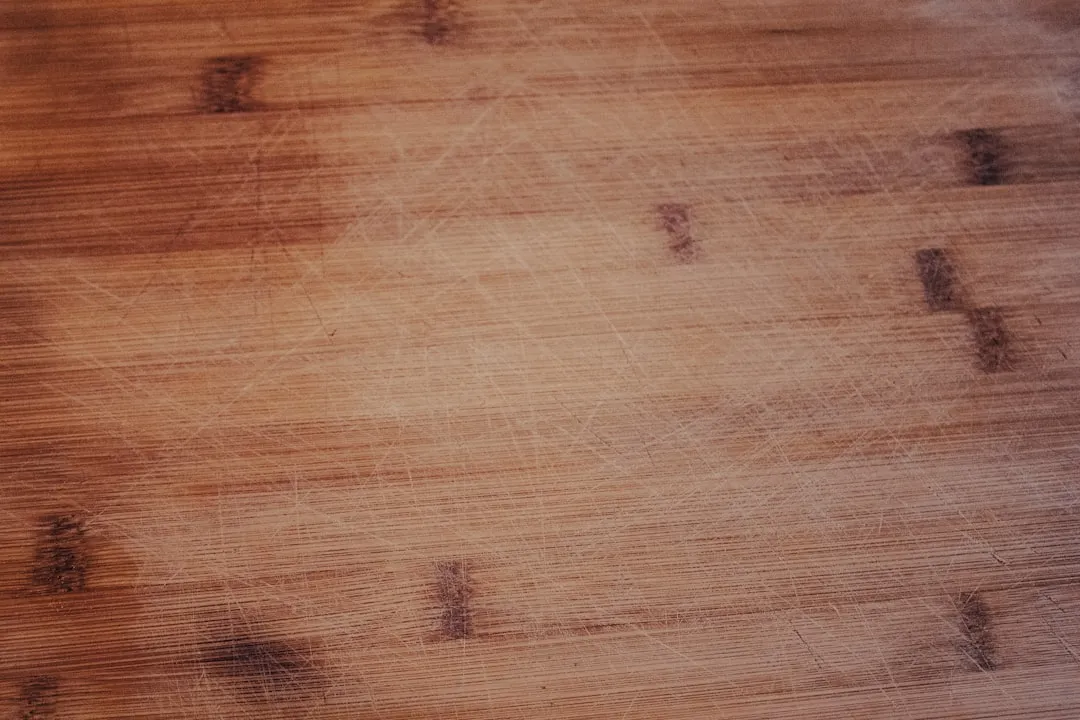
All plastic and wooden cutting boards wear out over time, and once they become excessively worn or develop hard-to-clean grooves, they should be discarded. Most people hold onto their boards well past this point, often for years or even decades without giving the surface condition much thought.
Regularly inspecting your cutting board for cracks, deep grooves, stains, or other signs of wear is essential, since these imperfections can trap bacteria, making thorough cleaning and sanitation difficult and increasing the risk of cross-contamination. If a board becomes excessively worn, deeply scratched, or damaged beyond repair, it should be replaced to maintain food safety.
Assuming Plastic Is Safer Than Wood (Or Vice Versa)
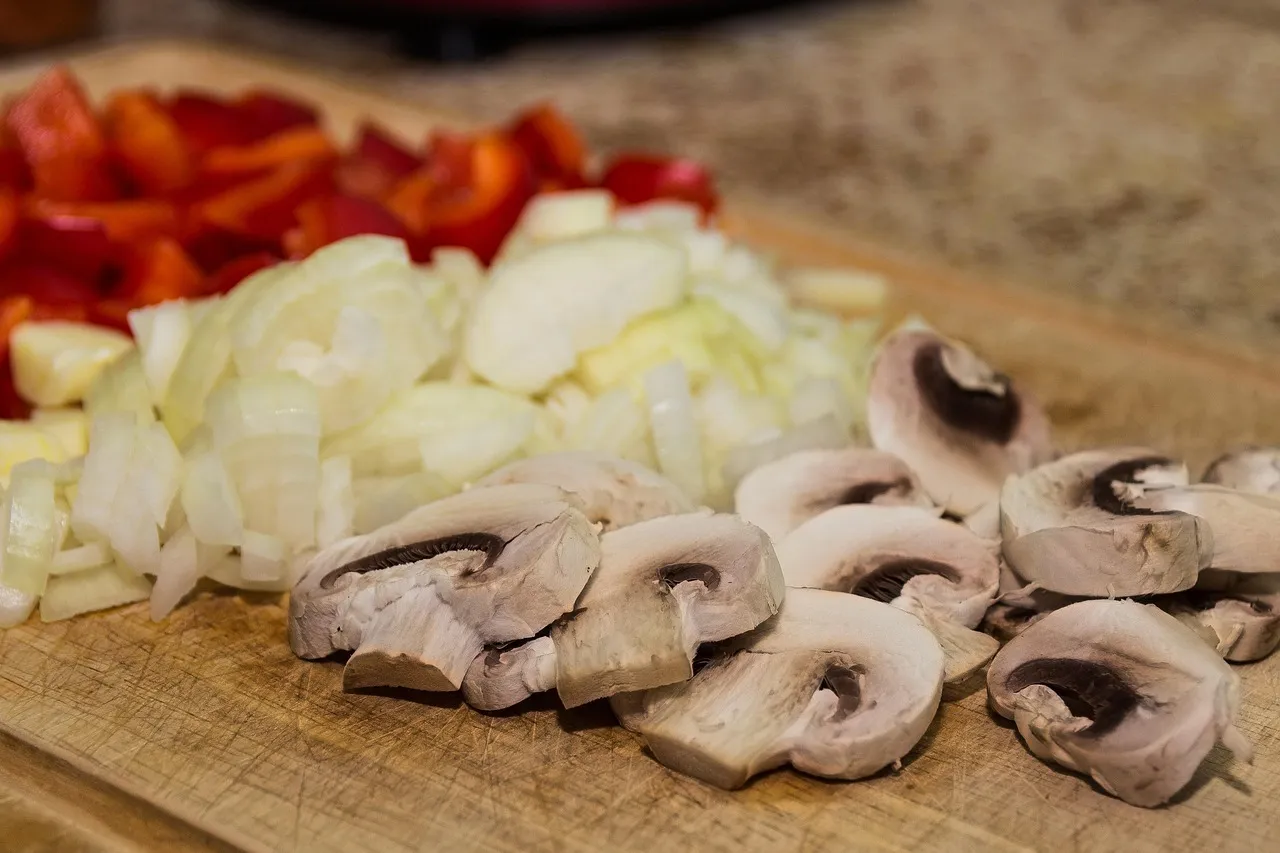
Plastic keeps bacteria on the surface initially, but as knife scars accumulate those grooves shelter bacteria in places that standard scrubbing cannot reach. A 2025 study published in LWT confirmed the pattern in real-world conditions, with plastic cutting boards taken from actual home kitchens showing higher counts of aerobic mesophilic bacteria and Enterobacteriaceae compared to wooden boards from the same households.
Wood is not automatically better either. Wooden cutting boards have been found to harbor microbial contaminants and pose challenges in terms of effective cleaning, with the porous nature of wooden surfaces allowing bacteria to penetrate easily and increasing the risk of cross-contamination incidents. The honest answer is that both materials carry risks when they’re not properly maintained.
Not Accounting for How Long Bacteria Actually Survive
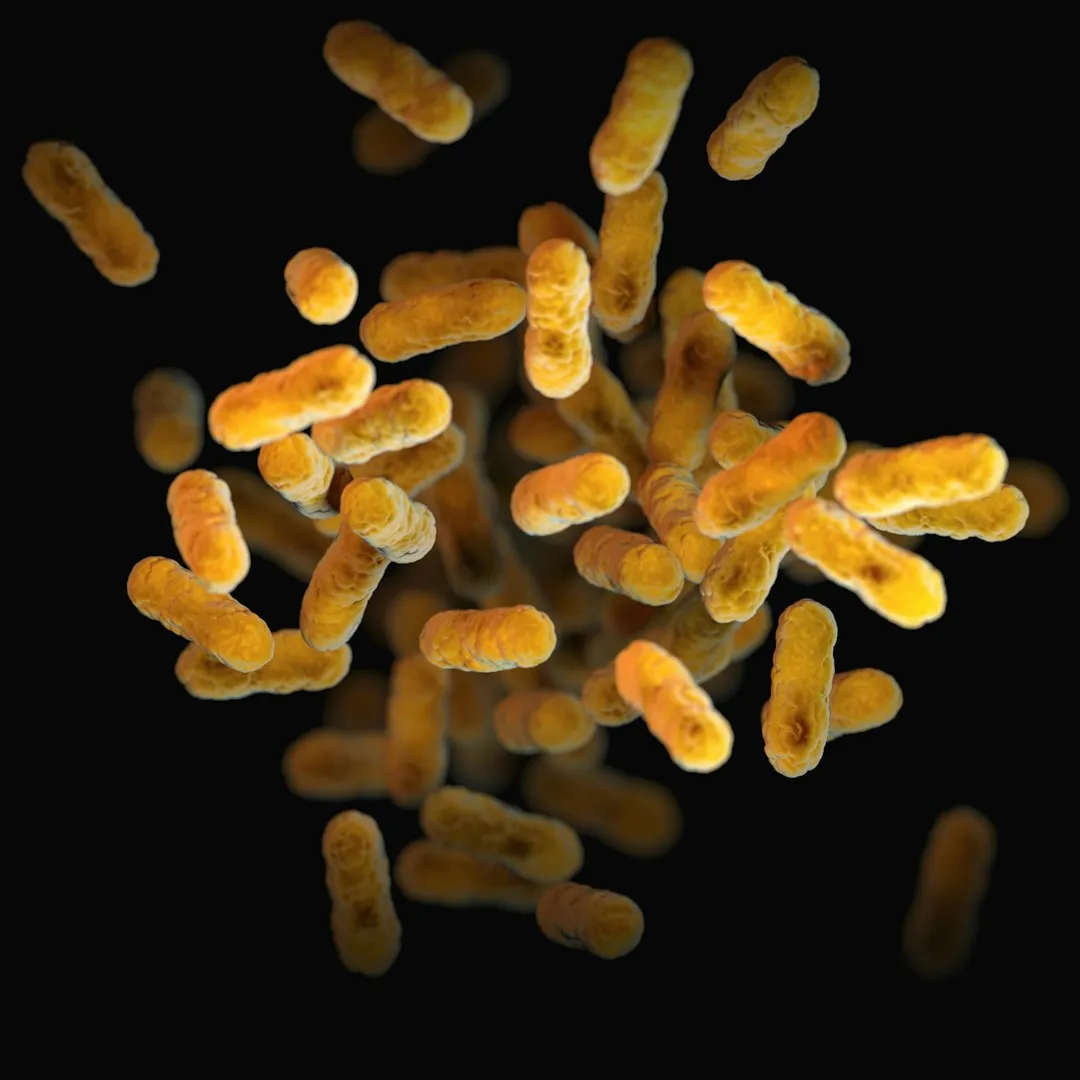
Salmonella bacteria persisted on polyethylene and glass cutting boards for up to four hours, whereas on wooden surfaces they were detected only up to two hours. This 2026 study published in the Journal of Food Safety is a reminder that leaving a board sitting on the counter after raw meat prep is not a neutral act; it’s time during which pathogens remain fully capable of transferring to the next food.
Campylobacter survival on plastic surfaces extended to four and a half hours at cooler temperatures, with cross-contamination risk exposure continuing for three to four and a half hours after chicken preparation. That’s a considerable window for an accident to happen, especially in a busy kitchen where multiple dishes are prepared back to back.
Spreading Contamination Beyond the Board
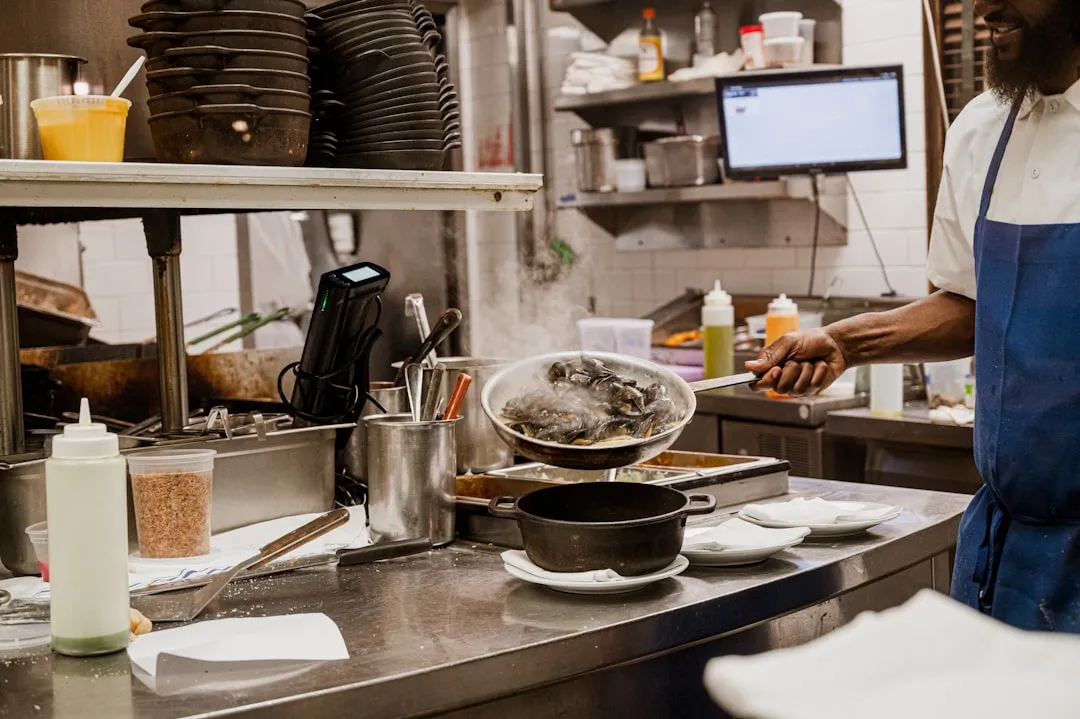
In kitchen environment tests, contaminated chicken chopped on cutting boards produced splatter with a maximum distance of sixty centimeters for low contamination levels and up to one hundred and twenty centimeters for medium and high contamination levels, suggesting a contamination risk exposure area of that full range.
Campylobacter can easily spread from contaminated chicken meat to various kitchen equipment, including cutting boards, clothing, and knives. In other words, the board isn’t working alone. It’s part of a broader contamination zone that extends across nearby surfaces, utensils, and even dish cloths.
Letting the Board Stay Damp
After cleaning, always ensure your cutting board is thoroughly dried before using it again, because moisture can promote the growth of bacteria, mold, and mildew. This step gets skipped constantly. Boards are rinsed, set upright or flat on the counter, and assumed to air dry safely on their own.
Improper cleaning, handling, and storage of cutting boards can increase the risk of pathogen persistence, and a lack of awareness regarding appropriate hygiene and maintenance practices can allow organic residues and microorganisms from raw foods to accumulate on cutting board surfaces, acting as a continuous source of contamination. A damp, food-residue-laced surface sitting at room temperature is close to ideal conditions for many foodborne pathogens.
Overlooking Listeria as a Specific Threat
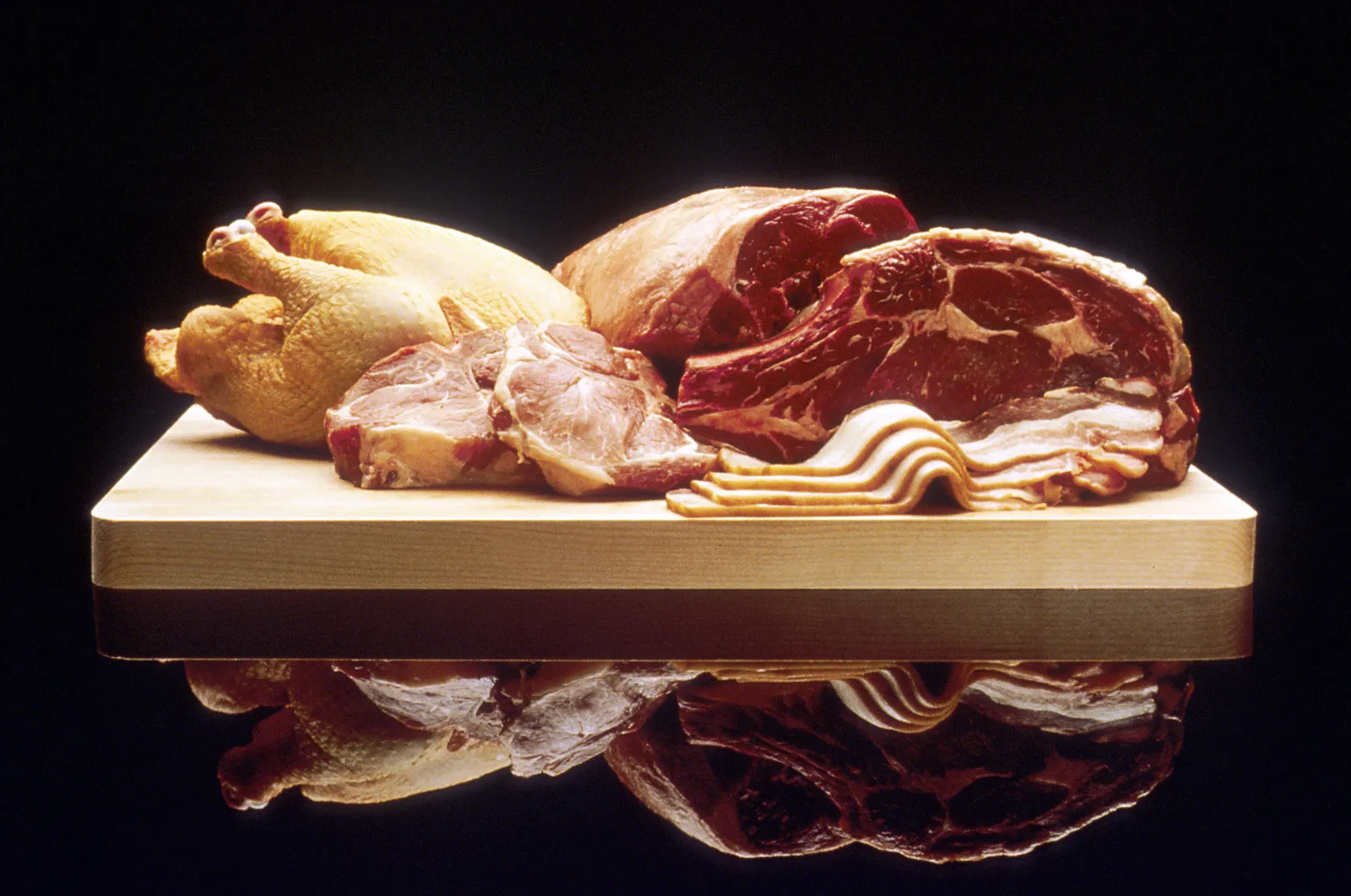
Pathogens such as Listeria monocytogenes can persist on food-contact surfaces including cutting boards, complicating contamination source identification. What makes Listeria particularly concerning is its ability to survive in cold, wet environments, including refrigerated storage areas where boards are sometimes kept.
Listeria monocytogenes is well recognized as a cross-contaminant in kitchens, as it can be transferred between foods via cutting boards. The Food Safety and Inspection Service recommends using separate cutting boards just for raw meat, poultry, and eggs, different from those used for fruit and vegetables, to decrease the risk of illness from Shiga toxin-producing E. coli, Listeria, Salmonella, and many other pathogens.
Skipping Color-Coding in Busy or Multi-Cook Kitchens
In kitchens where multiple foods are being prepped at the same time, using color-coded cutting boards for specific food products is a practical and proven step toward reducing cross-contamination. Color-coded systems work because they remove the need to remember which board was last used for what food; the color makes it impossible to confuse the two.
In commercial kitchens, the color-coding system only works if it’s enforced, with specific colors assigned to specific food groups and no cross-use permitted. The same logic applies at home. A second board sitting in the cabinet doesn’t help if nobody in the household agrees on or sticks to which one is for meat.
The Takeaway
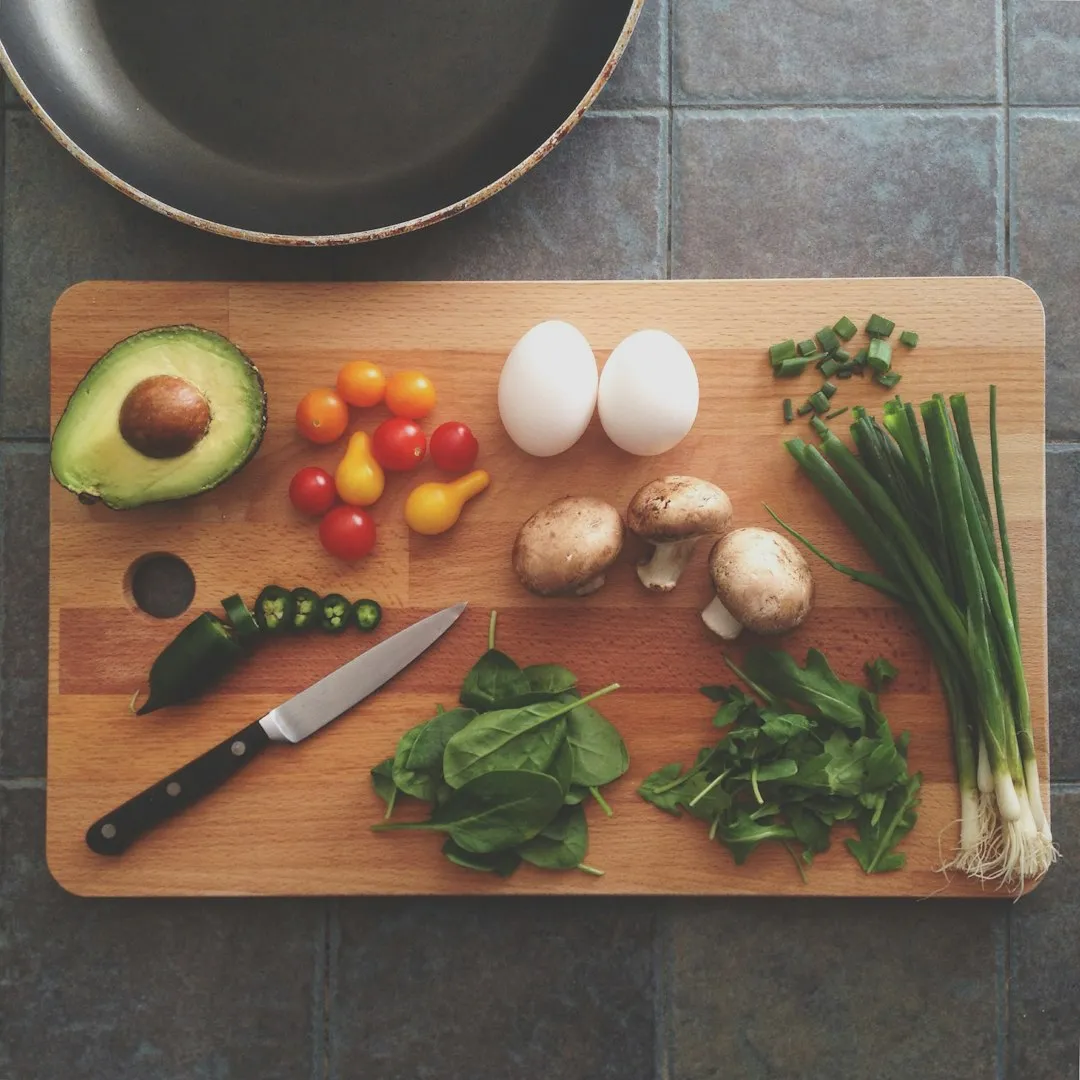
The cutting board is probably the most-used and least-scrutinized tool in most kitchens. It gets washed, sometimes sanitized, and rarely replaced until it’s visibly falling apart. Meanwhile, the research is clear: pathogens survive on board surfaces for hours, shelter in knife grooves that scrubbing misses, and transfer readily to the next food that comes into contact with the surface.
None of the fixes here are complicated or expensive. A second cutting board, a splash of diluted bleach after handling raw meat, and the habit of checking for deep grooves every few months are enough to close the gap between a restaurant’s standard and your own. The habit you already have with your cutting board is probably close to correct. It just needs a few deliberate adjustments to actually match the protection you think you’re getting.
AI Disclaimer: This article was created with the assistance of AI tools and reviewed by a human editor.