

There’s a single question that has become a reliable opener in the scammer’s playbook: “Is anyone else home with you right now?” It sounds harmless, almost neighborly. Depending on the context, you might not think twice about answering it honestly. That’s precisely the point.
Whether it arrives at your front door, over the phone, or through a seemingly official visit, this question serves one purpose. It tells the scammer everything they need to decide whether to move forward or move on. Understanding how and why this question is used is the first step to not falling for it.
Why This One Question Changes Everything

Scammers want to gauge how vulnerable a person is, because people who are alone are much easier to scam than someone who isn’t. A second person in the home introduces a complication: another voice, another opinion, someone who might call out the story as suspicious. Confirming your solitude removes that buffer entirely.
The logic is straightforward. A person answering a door alone, or picking up a phone without family nearby, has no one to consult in the moment. Social engineering works by exploiting human instincts like trust or urgency, and both of those instincts are amplified when someone feels isolated and pressured. The “are you alone?” question is not small talk. It’s reconnaissance.
The Scale of the Problem Right Now
Americans lost over $12.5 billion to scams in 2024 alone, and AI is now powering increasingly sophisticated schemes, making the risk of financial loss higher than ever. These numbers represent confirmed, reported losses. The true figure is almost certainly higher, since many victims never come forward out of embarrassment or confusion.
Scam rates are rising, with 2024 seeing a roughly one quarter increase in total losses in the US compared to the prior year. Meanwhile, imposter scams generated over 800,000 consumer reports to the FTC in 2024, making them the most frequently reported fraud category. The question of who is home is central to many of these impostor schemes.
The Door-to-Door Version of the Question
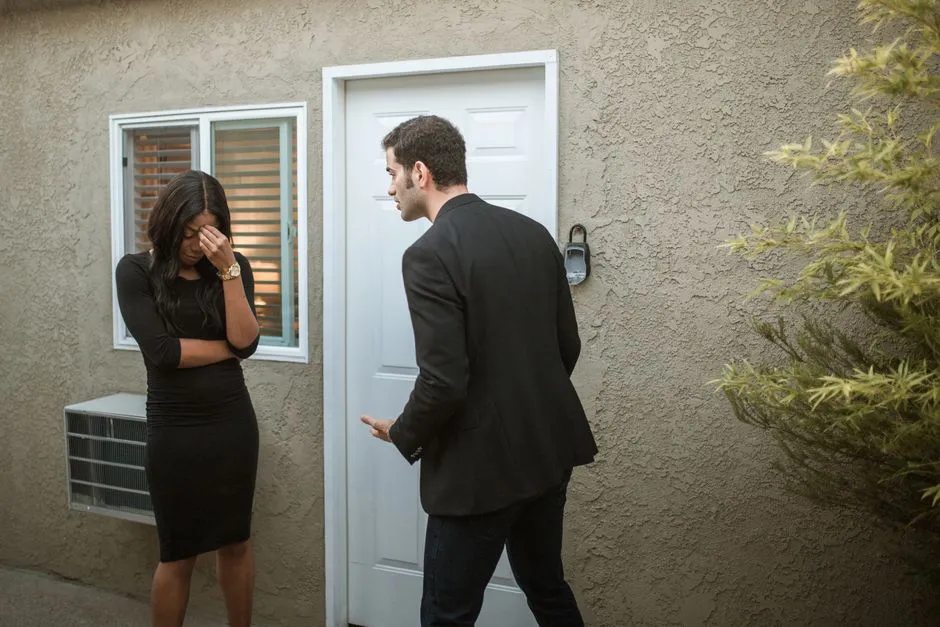
Scammers usually appear at your door without any prior contact, catching you off guard and unprepared. When someone unexpectedly knocks and you answer alone, they’ll often open with a soft, conversational check: “Is your husband or wife around?” or “Is the homeowner in?” These phrases feel polite. They’re actually filters.
Scammers prey on older adults because they may live alone, have more assets, or be at home during the day. Once they hear confirmation that no one else is present, the pitch begins in earnest. In these scams, fraudsters usually pose as contractors offering roofing, driveway resurfacing, or gutter cleaning services and demand upfront payment, often performing substandard work or disappearing with the money entirely.
Who Scammers Target Most
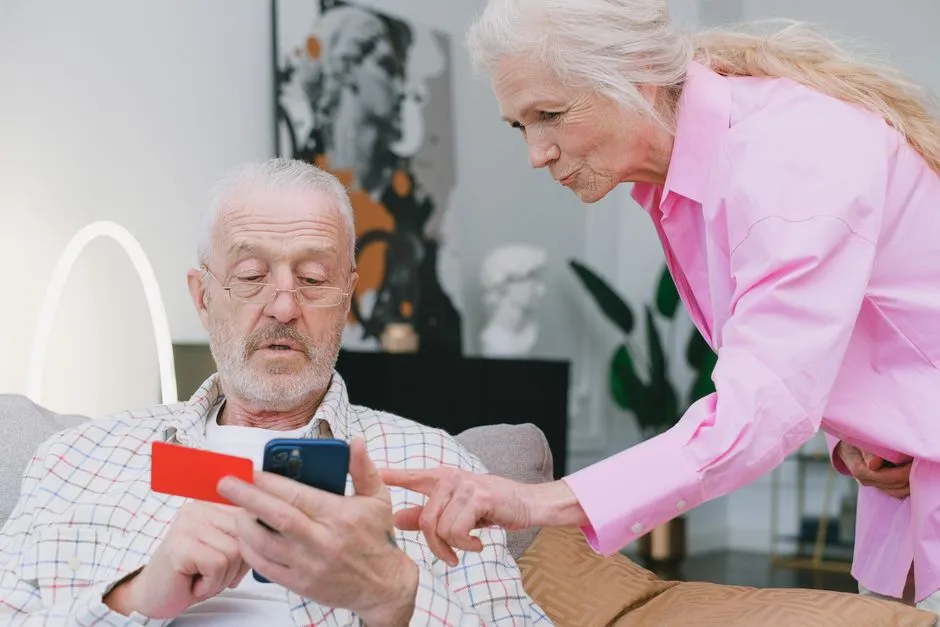
According to a 2024 Age UK report, nearly three million adults in the UK aged over 50 are fearful about opening their front door because of scams, and figures from Trading Standards show that roughly four out of five doorstep scam victims are seniors aged 65 or older. The pattern is consistent in the United States as well.
Adults aged 60 and older suffer the highest losses per victim of any age group, according to FBI data, making scams disproportionately costly for older adults. Interestingly, Gen Z and Millennials are more likely to fall victim when targeted, according to a 2025 global study, reflecting high exposure to the online platforms where scams most actively circulate. So while the question about being home alone is especially common in doorstep schemes targeting seniors, no age group is truly off the hook.
Phone and Tech Support Scams Use It Too

Scammers call people, sometimes even spoofing official customer support numbers, pretending to be representatives of a tech company. Once they have you on the line, an early question about whether family members are nearby helps them calibrate their approach. If you’re alone, they apply pressure more aggressively.
Call center scams targeting seniors and crypto traders raked in nearly two billion dollars in reported losses in 2024. The phone-based version of the “are you alone?” check often sounds like concern: “I just want to make sure you have privacy for this conversation.” That framing makes it feel protective rather than predatory, which is exactly how it’s designed.
Fake Officials and the Bank Courier Scam

In one well-documented scheme, criminals impersonated government or law enforcement officials and convinced victims to withdraw their savings, buy gold, and hand it to a supposed courier. A critical early step in this process is confirming that the victim is home alone and has no one advising them in real time.
In August 2026, the NYPD warned that hundreds of victims may have lost more than $100 million to gold bar scams. In nearly every documented version of this scheme, scammers instructed victims not to tell family members what was happening. The isolation was deliberate. Scammers may use information they already have to impersonate your bank and trick you into revealing passwords, card information, PINs, or one-time verification codes.
Romance Scams and the Isolation Tactic

In romance scams it’s common for the scammer to tell the victim that they shouldn’t talk to their family about them, effectively engineering the same “home alone” dynamic without ever knocking on a door. They want to be the only voice in the room, and they build that reality gradually over days or weeks. This type is the hardest to remove victims from, because scammers build trusting relationships and get the victim to fall in love before making their first moves toward obtaining money.
The key parallel with other scam types is the isolation strategy. Whether it’s a physical question at the doorstep or a slow, emotional campaign to cut someone off from their support network, the goal is the same: remove outside perspectives so the victim has no one to cross-check the story with.
The Social Engineering Machinery Behind It

Research conducted by Gen, the company behind Norton, shows that roughly nine out of ten blocked attacks in 2025 involved some form of social engineering. The “are you alone?” question is a foundational social engineering move. This is what makes social engineering so effective: it turns our strengths, like empathy, cooperation, and trust, into vulnerabilities, simply by removing space for judgment.
In 2024 alone, more than two thirds of reported data breaches were attributed to social engineering, and AI-powered tools have fueled a dramatic increase in these types of attacks, making them harder than ever to recognize. Scammers now arrive at this question more smoothly than ever, often wrapping it in warm, seemingly reasonable conversation before pivoting to the scheme.
How to Respond When You’re Asked
If you’re home alone and someone asks, request that the visitor come back when a family member is present. If the person is an honest tradesman, they will respect this immediately and hand over a business card. A scammer, by contrast, will push back, create urgency, or try to keep the conversation going. That reaction alone tells you a great deal.
Always ask for identification and verify it independently by contacting the company or organization the person claims to represent. On a phone call, hang up and call back using a number you find independently, not one the caller provides. The real police would never come to your house and ask for your PIN or bank cards, and legitimate organizations have no need to confirm your solitude before helping you.
Protective Habits Worth Building Today
Don’t buy something from a door-to-door salesperson if you’ve never heard of the company, and even if you have, ask the salesperson to give you written materials and their contact information. Legitimate businesses operate with patience and transparency. Anyone who pressures you to decide before a spouse or family member can weigh in should raise a flag immediately.
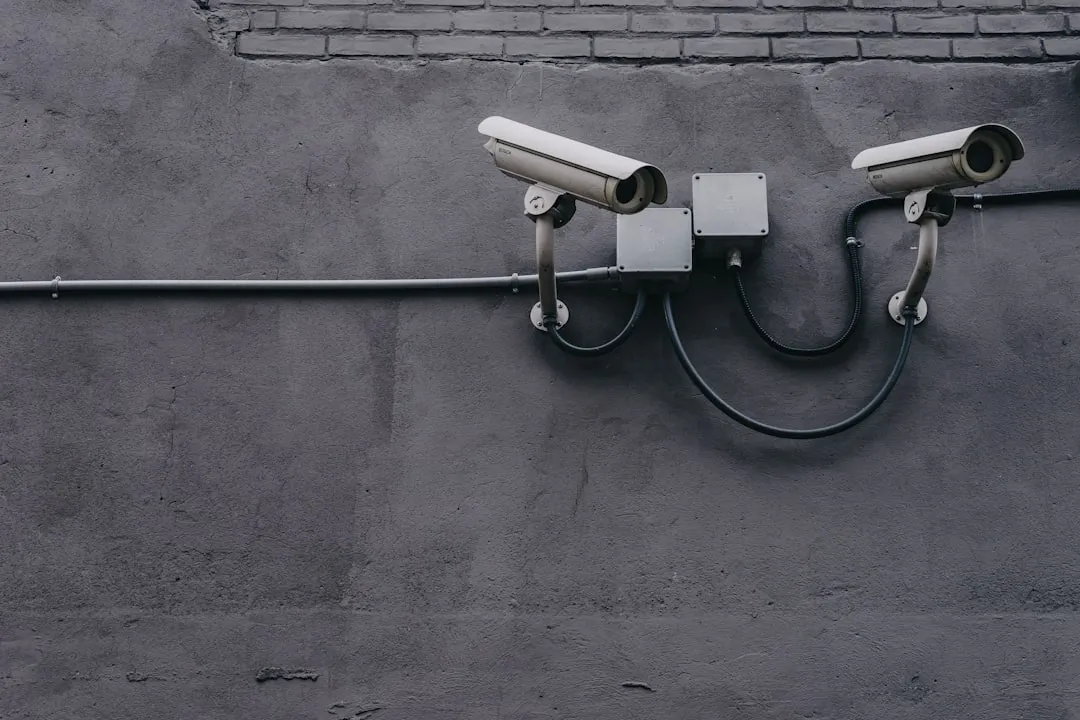
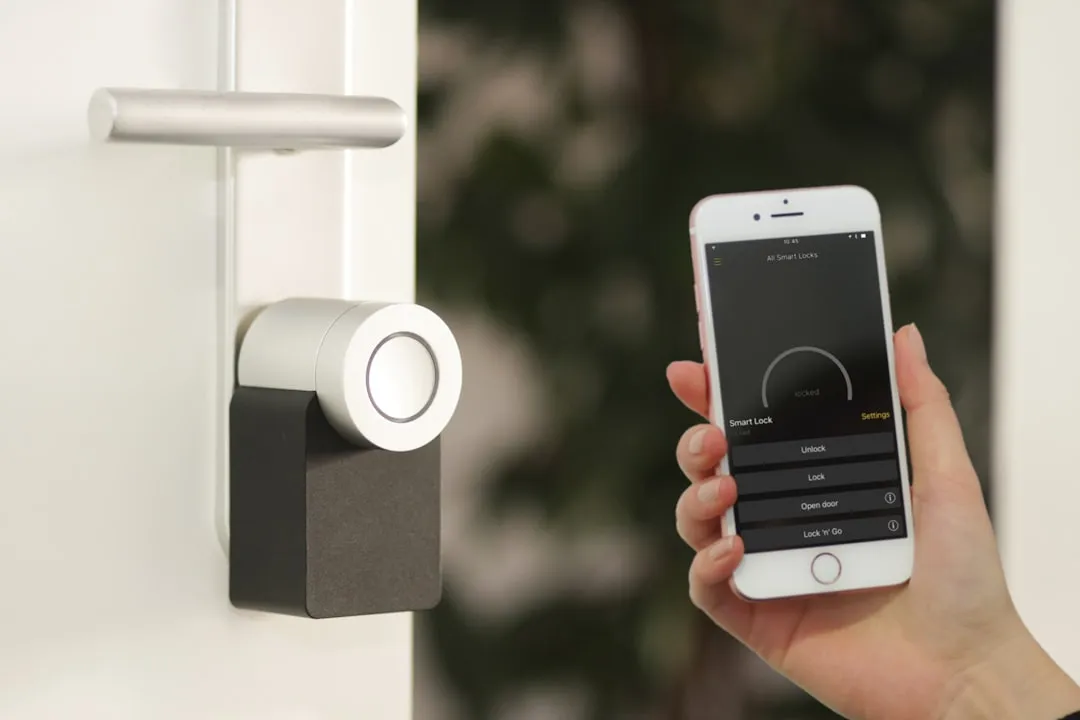
Installing a home security camera can act as a deterrent and will also record any person who visits, with some options available that record audio as well. On the phone, setting up a personal verification word with your bank is a practical step that many institutions now actively support. The FTC’s Cooling-Off Rule gives a three-day cancellation right on any in-home sale of $25 or more, which is a useful backstop if you feel pressured into agreeing to something at the door.
The Bigger Picture

One small question carries an outsized amount of weight. The words “is anyone else home?” sit at the start of thousands of successful scams every year, opening the door to financial loss, emotional harm, and in some cases, physical danger. Recognizing the question for what it is matters more than any technical countermeasure.
The most effective defense isn’t a locked door or a call blocker, though both help. It’s the habit of pausing before answering a stranger’s personal questions, even ones that seem entirely innocent. Scammers are fluent in small talk, and they’ve practiced making reconnaissance feel like courtesy. Knowing that is, genuinely, half the battle.
AI Disclaimer: This article was created with the assistance of AI tools and reviewed by a human editor.