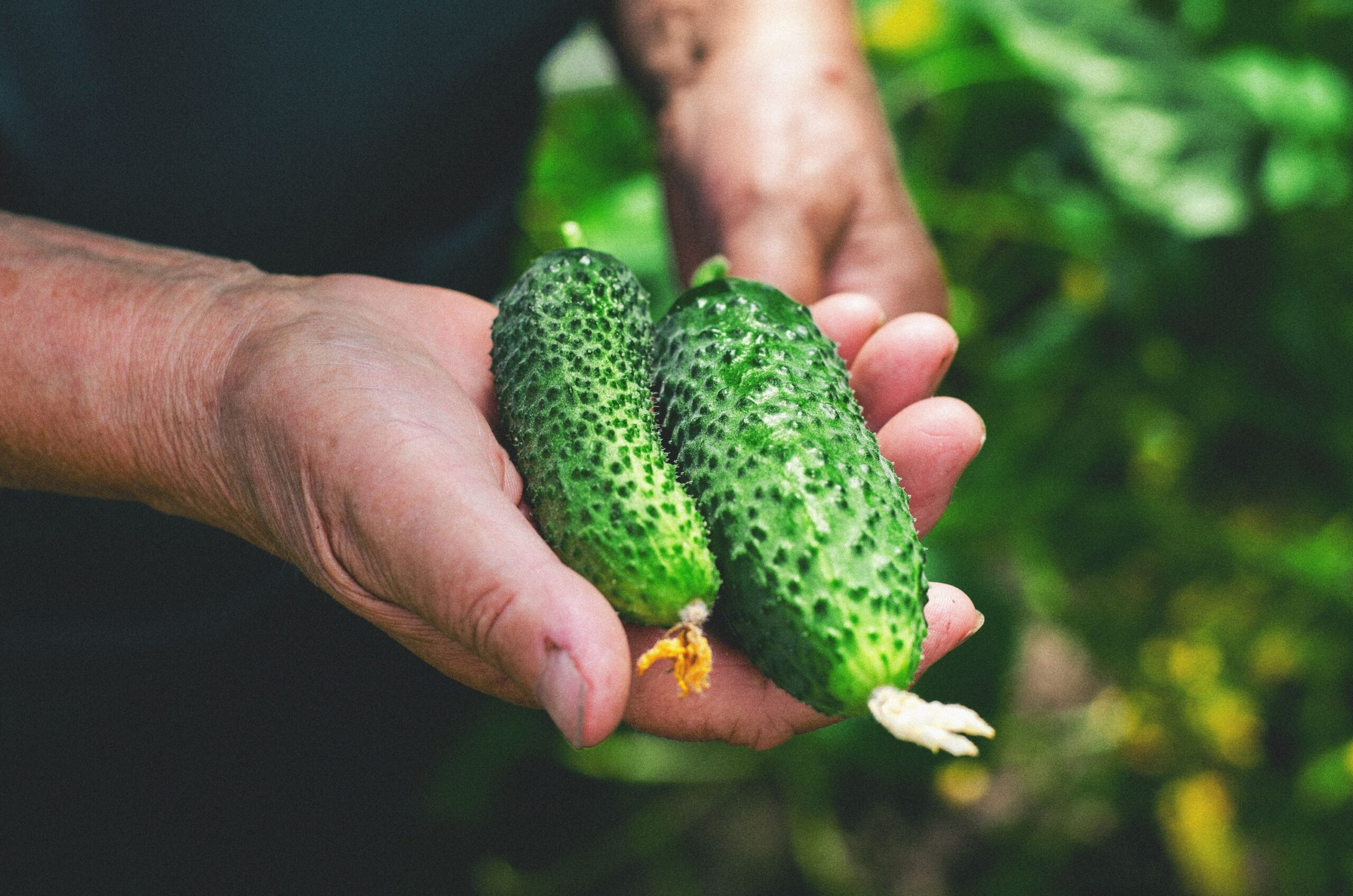

Cucumber vines have a way of looking perfectly fine one week and completely wrecked the next. You walk out to the garden expecting progress, and instead you find a cracked stem, a drooping vine, or a section of fruit that never had a chance. The frustrating part is that this damage rarely comes from pests or disease. Most of the time, it comes from the trellis setup itself.
The good news is these mistakes are avoidable once you know where to look. Here are ten trellising problems that quietly damage cucumber vines, broken down so you can fix them this season before they cost you a harvest.
1. Starting to Train the Vine Too Late
Start guiding vines toward the trellis when plants are 8 to 12 inches tall, before the stems lignify and become brittle. At this stage, the main stem bends easily and the plant’s first tendrils are just starting to form. Miss that window, and things get complicated fast.
The most common training mistake is waiting a week too long: a cucumber stem left to trail on the soil for ten days stiffens noticeably, and forcing it back toward a vertical trellis risks snapping it at the node. Once that brittleness sets in, you’re working against the plant’s natural inclination, not with it.
A 2025 trial found that starting training at ten inches increased fruit set by 28 percent compared to waiting until flowering. That’s a meaningful difference from a simple timing adjustment that costs nothing.
2. Using a Trellis That’s Too Flimsy to Handle the Load
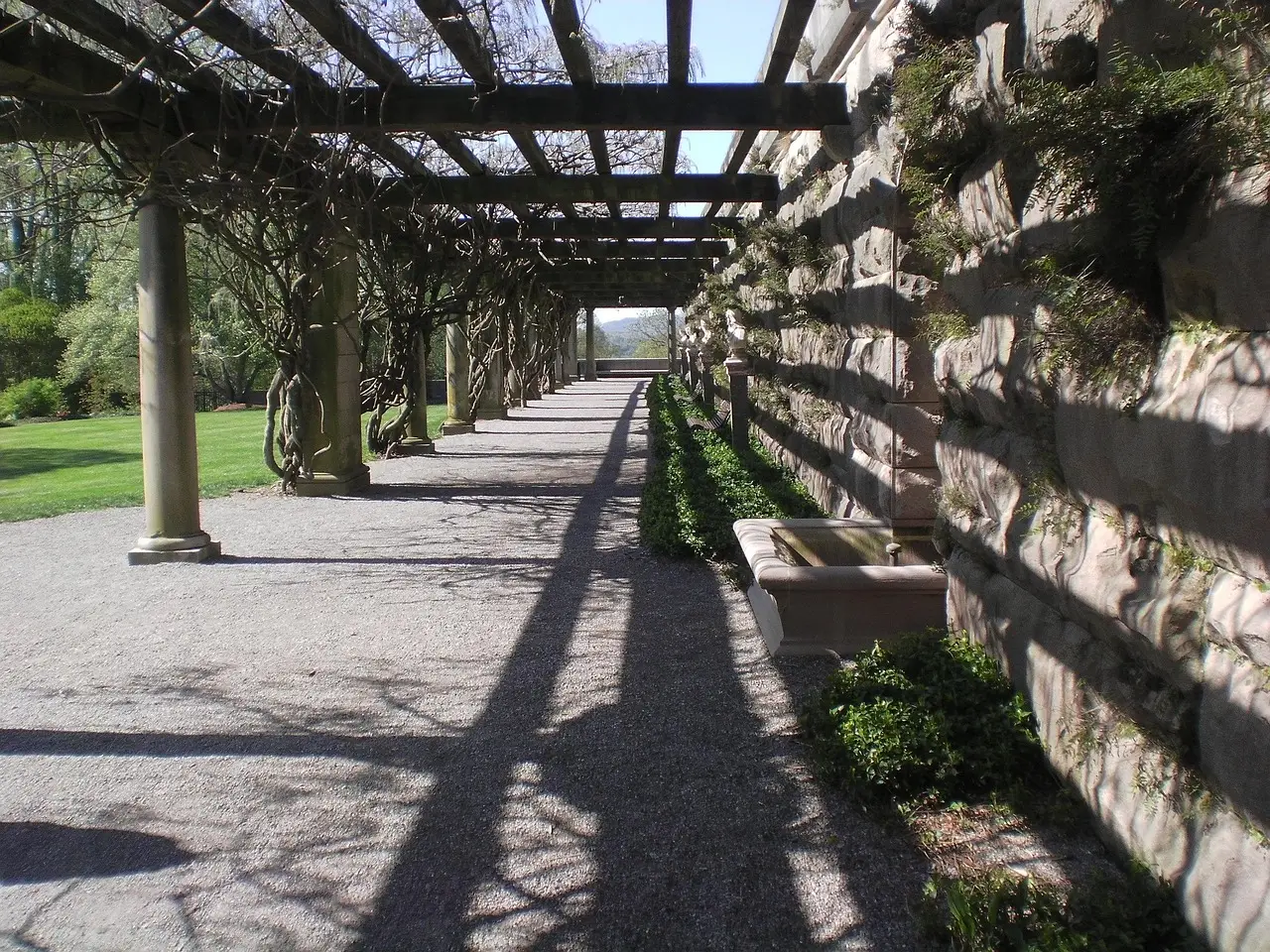
A weak or flimsy trellis won’t hold up when cucumber vines start bearing weight, and investing in a sturdy, reliable structure can save you from a mid-season gardening disaster. It’s a mistake that seems harmless until midsummer, when vines are fully fruiting and the structure simply gives way.
Cucumber vines are surprisingly heavy once they fruit, and their tendrils need a textured surface to grip. Choosing the wrong trellis leads to collapsed structures, tangled growth, or burned plants from bare metal.
Trellises have to be sturdy because a fully grown cucumber vine loaded with cucumbers is heavy. You will need to use wood, metal, bean or pea netting, or sturdy plastic. A bamboo stake is not strong enough. That last point surprises more gardeners than it should.
3. Tying Vines Too Tight

Stems expand as they grow, so a tight tie left in place becomes a girdle that blocks water and nutrient flow. This happens gradually and invisibly, which is exactly why it’s so damaging. By the time you notice a stem looking constricted, the harm is already done.
For attachment, use soft plant ties made from silicone or fabric, or loose loops of plastic twine. Always make a figure-eight: loop once around the trellis, then once around the stem, so the stem hangs loosely inside the loop rather than being pressed against the wire.
Overly tight ties can cut off water and nutrients moving through the stem, while loose ties mean the plant isn’t getting the support it needs. The goal is somewhere in between, snug enough to guide, loose enough to grow.
4. Using Wire or Thin String as a Fastener
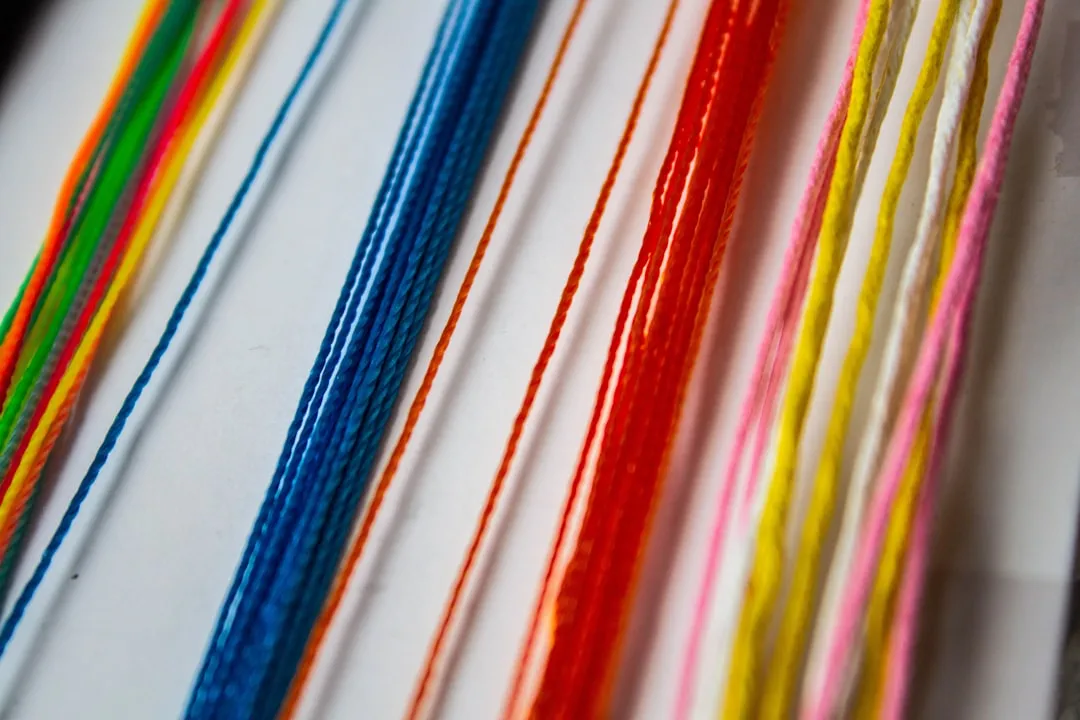
You will need plastic plant tape to loosely tie the vine to the trellis as you train it. Do not use wire, as it will cut through the vine. Keep ties loose so the vine can grow without being constricted.
Jute twine is biodegradable but can cut stems if tied too tight, and wire or thin string should be avoided entirely because they girdle growing stems. It’s one of those cases where the most readily available material in the shed is also one of the worst choices for the plant.
The friction from a thin, rigid material on a stem that’s actively growing is relentless. Even if you start with a loose knot, growth alone will eventually tighten it. Stretchy fabric ties or silicone clips are worth the small investment.
5. Setting Posts Too Shallow
Most failed cucumber trellises break in slow motion. The frame starts with a lean, the mesh loosens, and then one wet, windy day turns a small flaw into a heap of vines. A few habits prevent that.
Clemson Cooperative Extension recommends trellis posts spaced no more than 15 feet apart with the top wire secured tightly, noting that the deeper the stake, the more stable the structure under summer wind loads. Shallow posts look stable until the soil gets wet and the weight of fruiting vines shifts the whole structure.
Drive sturdy stakes or t-posts into the ground at the edge of your garden bed or along a fence. Space them about five to six feet apart if using a cattle panel or similar material. Ensure they are firmly planted to support the weight of the cucumber vines and fruits.
6. Building a Trellis That’s Too Short for the Variety
Most cucumber varieties reach four to six feet. Choose a trellis at least 48 inches tall to accommodate full vine growth. When vines run out of vertical real estate, they start looping back on themselves, crowding neighboring stems, and losing the airflow advantages that make vertical growing worthwhile.
Cucumber vines can rapidly outgrow a flimsy trellis, extending a foot past the top of the support and starting to sway in the wind. That swaying puts mechanical stress on every connection point along the vine, gradually weakening nodes that look healthy from the outside.
If vines extend past six feet of netting, train them over or cut the top so the plant sends energy into ripening the existing fruit rather than producing more. Managing the top growth is part of working with the trellis, not just installing it and walking away.
7. Planting Too Close Together Along the Trellis
One common mistake applicable to growing on a trellis specifically is not giving plants adequate space. There’s somewhat of a misconception that you can plant seeds closer together when growing vertically, and this is simply not the case. Seeds still need to be planted the same distance apart that’s recommended for growing cucumbers on the ground.
Spacing seeds or starts too close together can cause plants to compete for nutrients and water. To avoid this, plant seeds about eight to twelve inches apart.
Cucumber vines planted too close together have problems finding space to spread out and do not produce as many cucumbers. The vines compete for the same water, nutrients, and sunlight. The lack of air circulation also makes it more likely that closely spaced vines will develop disease.
8. Skipping the Top Brace on the Frame
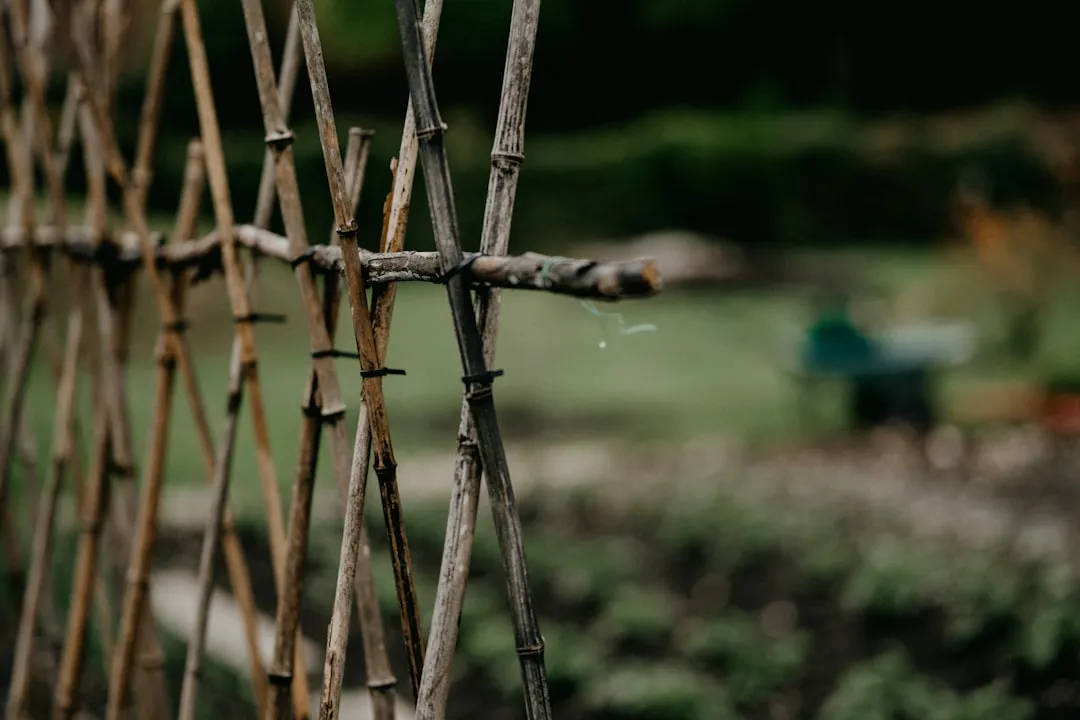
Adding horizontal crossbars every twelve to eighteen inches keeps the whole structure from leaning or collapsing mid-season. You can use bamboo stakes, wooden dowels, or even sturdy twine tied tightly between the vertical posts. Without that lateral support, a tall trellis has very little resistance to the sideways pull of a heavy fruit load.
Locking the frame together with a brace cuts down on side-to-side wobble. If using metal posts, lash the brace in place with heavy-duty ties or wire rated for outdoor use.
A-frame trellises distribute weight evenly across both sides and allow planting on both slopes, maximizing raised-bed space. For flat-panel trellis designs, a top brace performs a similar function, turning a structure that wants to tip into one that wants to stand.
9. Failing to Check Vines Every Few Days
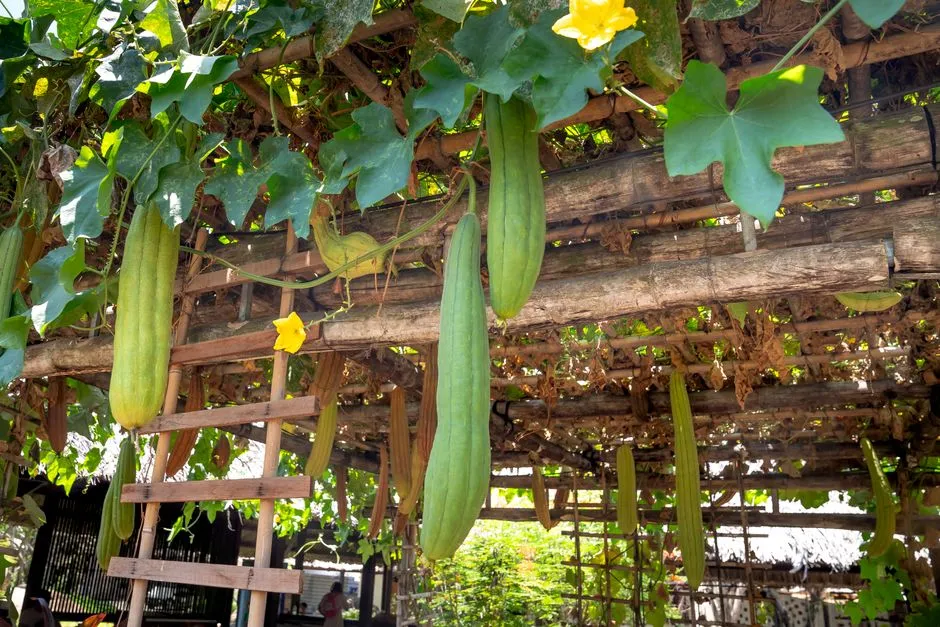
As cucumber vines grow, gently guide them toward the trellis. You may need to tie the vines with soft ties or twine to help them get started. Check the vines regularly to ensure they are climbing correctly and avoid tangles or potential breakage.
As cucumbers grow, the ties holding them to the trellis can loosen or dig into the stems. A quick check every few days keeps everything secure without causing damage. Look for ties that have slipped, gotten too tight, or are rubbing against the vine.
Loose ties applied every five to seven days prevent damage and guide growth. Checking vines every five to ten days during active growth from May through August keeps the system working as intended. Cucumber vines grow fast enough in peak summer that a week without attention can create a tangled mess that’s hard to unravel without forcing something to snap.
10. Letting Lower Leaves Stay on the Vine Too Long
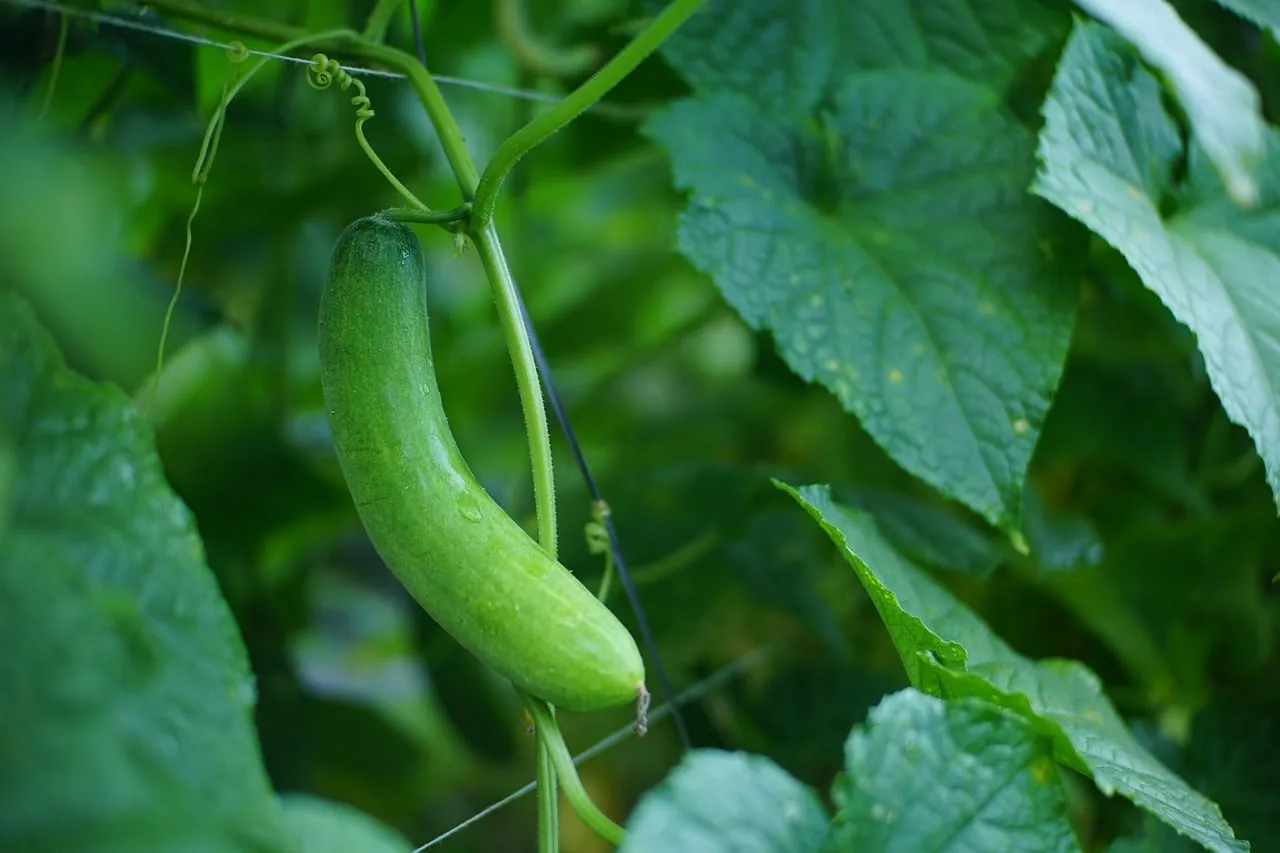
Once cucumbers start climbing, make it a habit to strip off the leaves on the lower twelve inches of the vine. These bottom leaves are usually the first to get hit by soil-borne diseases and pests, and they block airflow where the plant needs it most. Removing them keeps the base of the plant clean and dry, which goes a long way in preventing mildew. It also pushes the plant’s energy upward, right where the fruit is actually forming.
Growing cucumbers on a trellis makes it easier to water the main stem, keeping the leaves drier and preventing fungal diseases. Combining good trellis hygiene with consistent lower-leaf pruning takes that benefit even further.
For better airflow and to focus the plant’s energy on fruit production, prune any dead or yellowing leaves. Some gardeners also pinch out suckers growing from between a leaf node and the main stem, to maintain one or two main leaders. These small maintenance habits, done consistently, make a real difference in vine health and longevity.
The Quiet Fix That Changes Everything
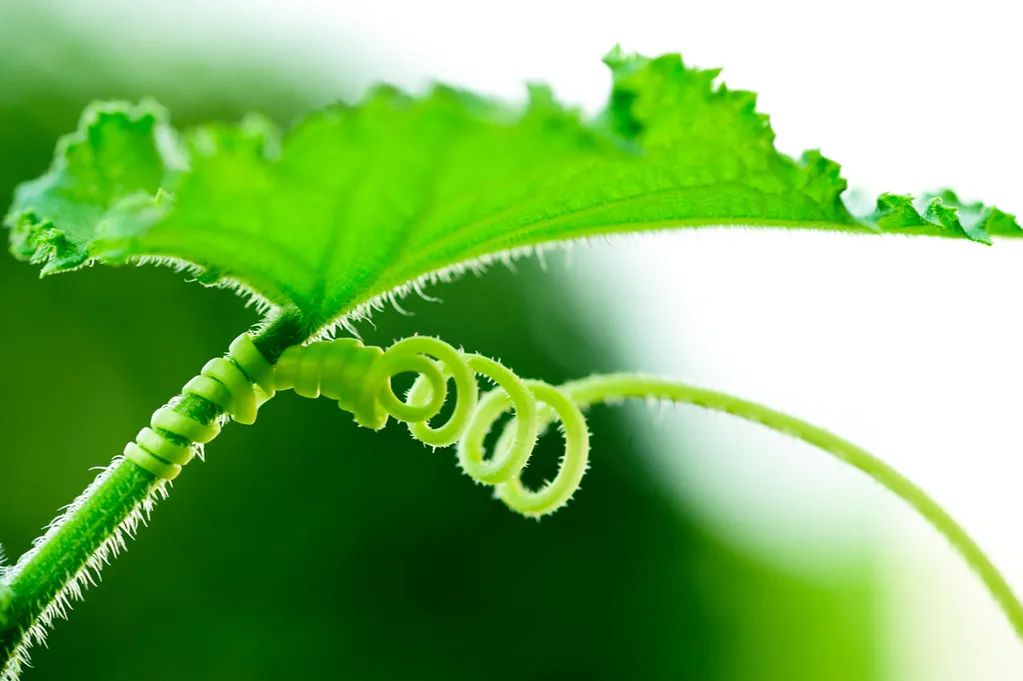
None of these mistakes are dramatic on their own. A tie that’s a little too snug, posts that are a little too shallow, training that starts a week too late. But they compound quietly over a growing season, and by July you’re left wondering why the vines look tired before the harvest is even close to finished.
The structure is supposed to serve the plant, not stress it. When the trellis is sturdy, well-braced, and the right height, and when vines are guided early with soft, loose ties and checked regularly through the season, cucumber plants have every reason to thrive. Most of what goes wrong is gradual and preventable, which is actually the most encouraging thing about it.
AI Disclaimer: This article was created with the assistance of AI tools and reviewed by a human editor.