

Most conversations about sleep focus on duration. Eight hours, seven hours, less than six. The number gets all the attention. But anyone who has woken up after a full night feeling groggy, foggy, or oddly wired knows that time spent in bed tells only part of the story.
Sleep quality is a different measure. It refers to how deeply you sleep, how efficiently your brain cycles through its restorative stages, and how few times you surface into wakefulness before morning. A growing body of nutritional research suggests that what you eat can influence all of those factors in meaningful ways, well beyond simply helping you fall asleep faster.
Why Quality Matters More Than You Think

There is a real and meaningful difference between sedation and genuine restorative sleep. In general, healthy food intake is associated with better sleep quality, while processed and free-sugar-rich foods impair it. That distinction matters because the quality of your sleep, particularly the depth of slow-wave and REM stages, is where most cellular repair, memory consolidation, and hormonal regulation actually happens.
Regular consumption of caffeine has been linked to longer time to fall asleep, shorter total sleep duration, and reduced efficiency of sleep, and it can degrade sleep quality, particularly by diminishing slow-wave, or deep, sleep. Knowing what disrupts these stages is useful, but identifying what actively supports them is arguably more important for daily life.
Tart Cherries: More Than Melatonin

Tart cherries are a promising natural source of sleep-promoting compounds such as melatonin. Evidence from pilot studies and randomized controlled trials suggests that tart cherry juice and supplements may improve sleep quality, duration, and efficiency in individuals with insomnia and reduce anxiety symptoms.
A 2024 trial of a Montmorency tart cherry formulation in 43 adults with insomnia showed improvements in sleep quality, daytime alertness, and anxiety. Tart cherry juice contains far less melatonin than supplement pills, but its anti-inflammatory compounds appear to help the body produce its own melatonin.
Three studies in a 2025 systematic review reported significant improvements in sleep indicators such as sleep duration, sleep efficiency, or sleep onset time. Three studies also reported an increase in melatonin levels after tart cherry consumption. Two studies also reported a decrease in inflammatory markers such as CRP and MDA. The anti-inflammatory angle is particularly interesting, since chronic low-grade inflammation is increasingly recognized as a driver of disrupted sleep architecture.
Walnuts: A Measurable Effect on Sleep Architecture
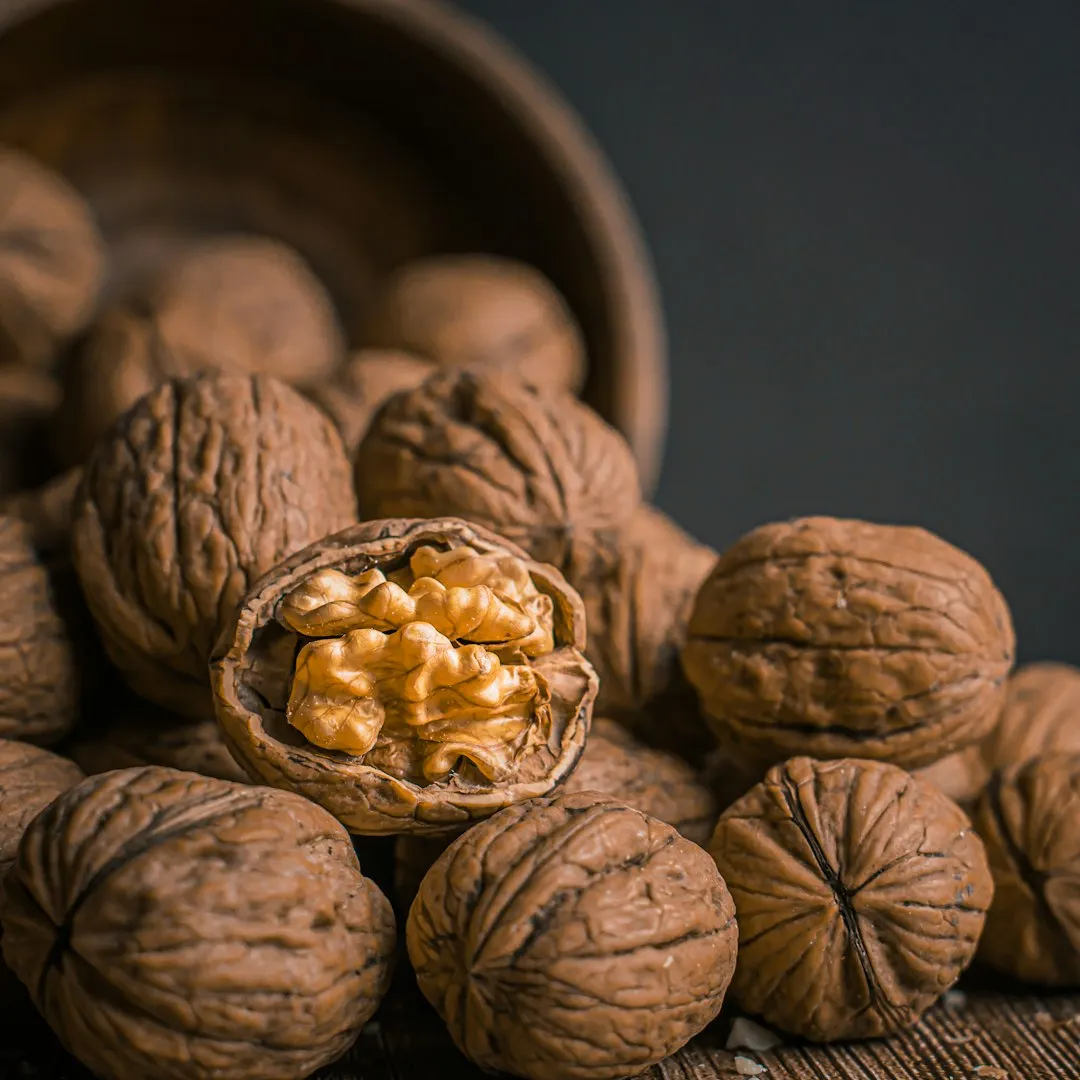
Nuts like walnuts and pistachios are among the highest natural sources of melatonin, a key sleep-related hormone. Research suggests that when people eat more foods that are high in melatonin, they tend to fall asleep faster and sleep for longer.
A randomized crossover trial published in 2025 found that a walnut intervention improved sleep latency (p = 0.001), and resulted in increased global sleep quality (p = 0.002) and lower daytime sleepiness (p = 0.002). These were not small, subjective impressions. They were measured outcomes in a controlled research setting.
The study demonstrated that a daily serving of 40 grams of walnuts increases urinary melatonin metabolite levels, reduces sleep latency, and improves global sleep quality. That is a relatively modest portion, roughly a small handful, which makes walnuts one of the more practical dietary additions on this list.
Kiwifruit: The Serotonin Connection
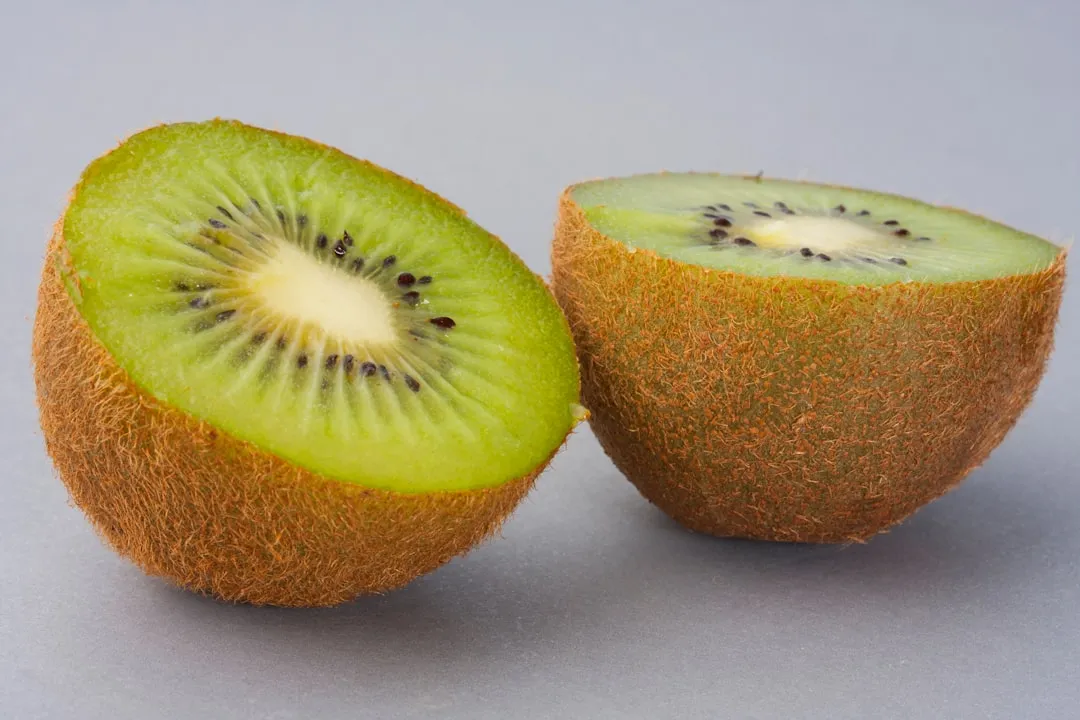
Kiwis are rich in serotonin, a neurotransmitter and hormone that promotes sleep and affects the body’s natural sleep-wake cycle. Some research has linked eating kiwis to better sleep quality and fewer middle-of-the-night wakeups. Kiwifruit is also a source of the B vitamin folate, and folate deficiency is linked to insomnia.
Kiwifruit contains melatonin, which is important for regulating circadian rhythms and sleep cycles. Another potential mechanism is its high content of polyphenols, antioxidants, flavonoids, carotenoids, and anthocyanins, which may decrease oxidative stress in people with sleep disorders or poor sleep quality. Furthermore, polyphenols may influence sleep through their effects on circadian rhythms and clock gene expression.
The breadth of active compounds in kiwifruit is one of the reasons researchers are still actively studying it. It is not a single-nutrient story, which probably explains why the effect on sleep quality appears to be meaningful even in people who do not have clinically diagnosed insomnia.
Fatty Fish: Omega-3s and the Brain at Night
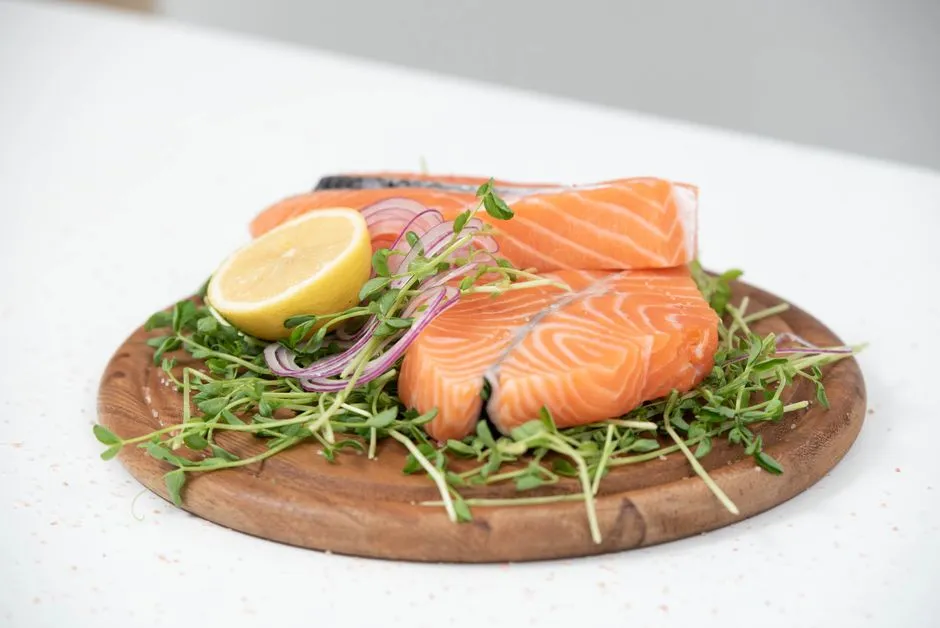
Omega-3 fatty acids, particularly EPA and DHA found in fish, regulate neurotransmitter synthesis and release in the brain, influencing sleep patterns. This is a more indirect pathway than melatonin-containing foods, but it operates at a foundational level of brain chemistry.
Dietary omega-3 polyunsaturated fatty acids alter neuronal membrane fluidity and enhance serotonin receptor signaling, indirectly improving sleep efficiency and mood regulation. That improvement in serotonin signaling is the same mechanism seen with kiwifruit, pointing to a broader pattern: foods that support serotonin production upstream tend to support deeper, more stable sleep downstream.
Sleep disturbance and low dietary intake of omega-3 fatty acids are common in modern society. Previous research shows that omega-3 fatty acids play an integral role in the regulation of sleep processes. Salmon, mackerel, sardines, and trout are among the richest sources. The U.S. Department of Agriculture recommends roughly two servings of fish per week for American adults, and while fatty fish contain the highest levels of omega-3 fatty acids, other choices such as cod, halibut, tuna, and snapper are also worth considering.
Magnesium-Rich Foods: Calming the Nervous System Before Bed
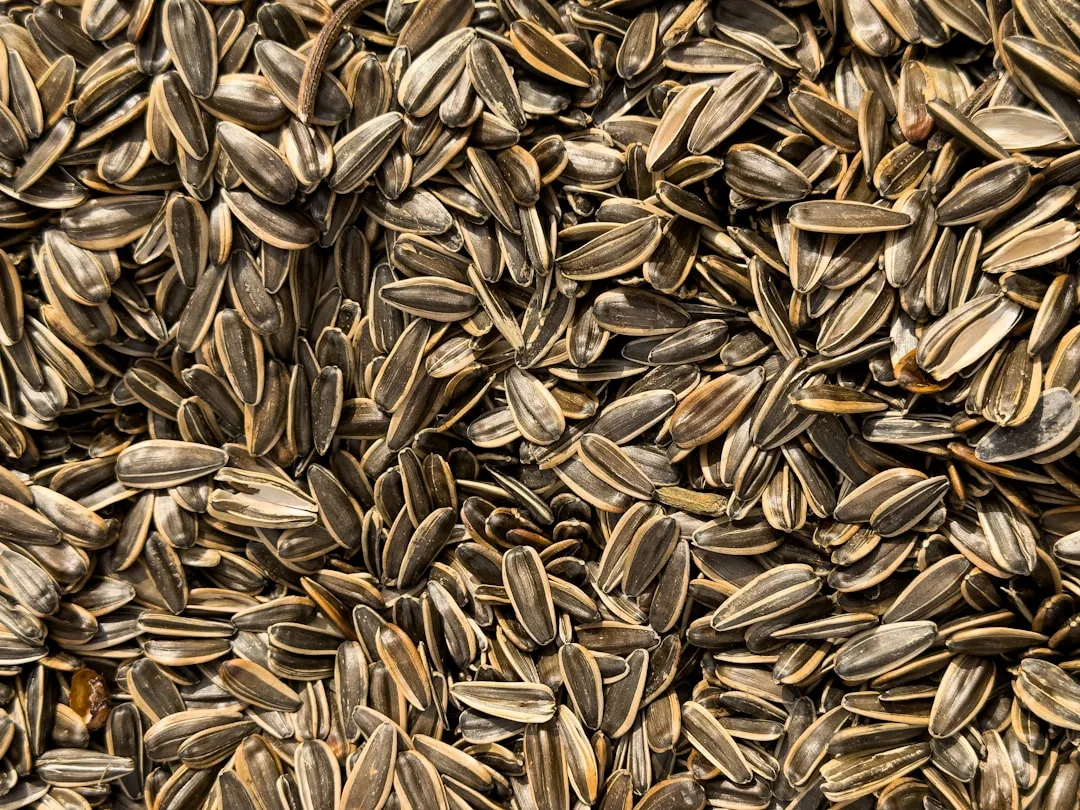
Magnesium and calcium stabilize neuronal excitability through regulation of GABA-A receptor activity, promoting inhibitory neurotransmission and reducing nocturnal awakenings. Fewer nocturnal awakenings is precisely what distinguishes high-quality sleep from merely adequate sleep, making this mechanism directly relevant to the question of sleep architecture rather than just sleep duration.
Magnesium is found in meaningful amounts in leafy greens, legumes, seeds, and whole grains. Pumpkin seeds and dark leafy vegetables like spinach are among the most concentrated sources available in a standard diet. More research is still needed to claim magnesium definitively improves sleep, but there is no harm in choosing foods higher in magnesium content if you have sleep difficulties.
The Role of Inflammation in Sleep Disruption

Polyphenolic compounds like resveratrol found in grapes and berries, and EGCG from green tea, exhibit anti-inflammatory and antioxidant effects that may indirectly benefit sleep by reducing systemic inflammation and oxidative stress. These actions are crucial, as chronic inflammation and elevated oxidative stress are implicated in insomnia and other sleep disturbances.
Inflammatory cytokines may serve as an underlying mechanism in the association between food consumption and sleep quality. Components present in fish, such as collagen hydrolysate, omega-3 fatty acids, and vitamins, may attenuate inflammation involved in sleep regulation, including TNF-alpha, IL-6, and IL-1beta. This helps explain why multiple foods converge on the same sleep-quality outcome through seemingly different pathways.
What the Gut Has to Do With It

The gut-brain axis constitutes a pivotal mechanistic interface whereby microbial metabolites, including short-chain fatty acids, indole derivatives, and secondary bile acids, modulate serotonin production, vagal afferent signaling, and systemic inflammation, thereby influencing sleep architecture. This is one of the more recent and significant findings in nutritional sleep science.
In practical terms, it means that fiber-rich whole foods, fermented foods, and polyphenol-containing fruits and vegetables are not just good for digestion. They may be shaping the overnight quality of your sleep through the microbiome’s influence on brain chemistry. Dietary sources of tryptophan and melatonin have consistently shown sleep-promoting effects in research.
Timing and Patterns: When You Eat Matters Too
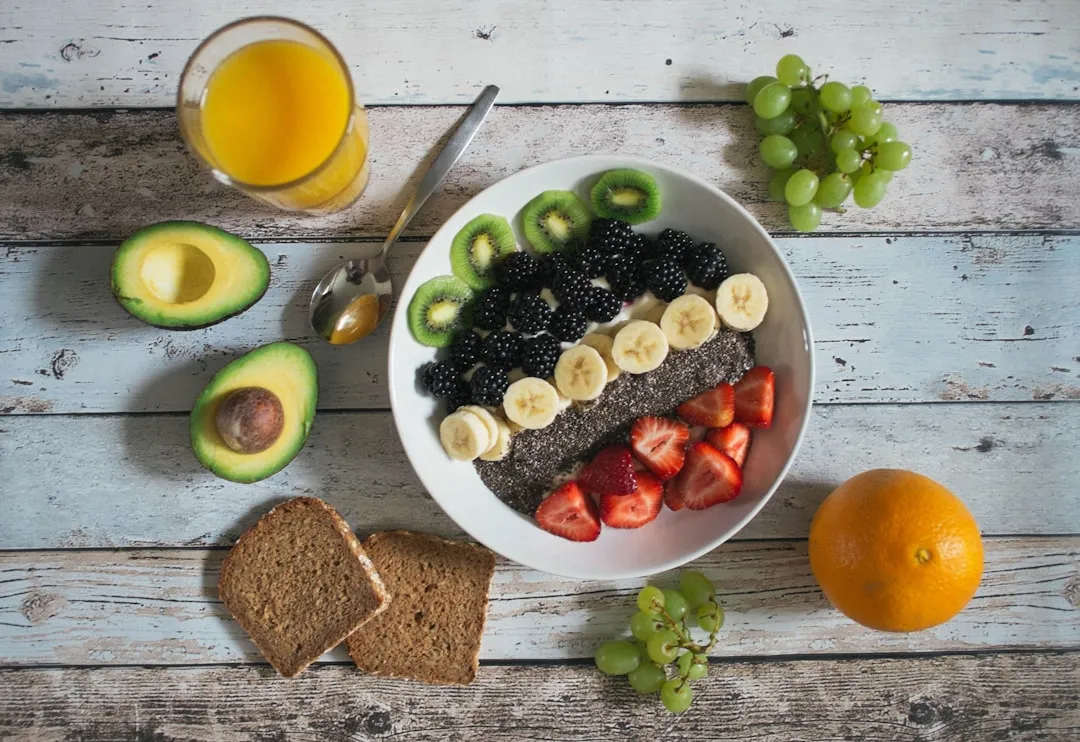
Eating close to bedtime also negatively impacts sleep quality, as stimulant-containing beverages and foods do. So while adding sleep-supportive foods to your diet is worthwhile, the timing of meals can reinforce or undermine their effects. A kiwi an hour before bed is a different physiological situation from the same kiwi eaten at noon.
Chronotype differences, morning versus evening preference, also modify metabolic responses to meal timing, a concept central to what researchers call chrononutrition. This is still an emerging field, but it suggests that personalized meal timing may eventually be as important as food choice itself when targeting sleep quality specifically.
The Bigger Picture: Diet Patterns and Sleep Together
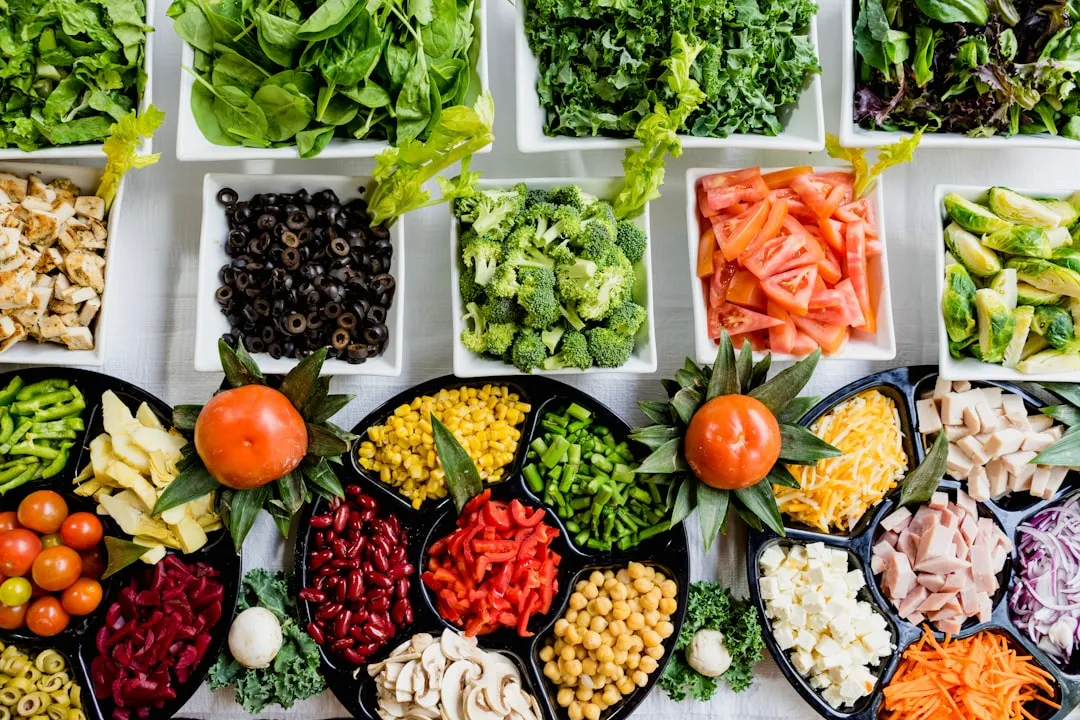
The Mediterranean diet, characterized by high consumption of fruits, vegetables, legumes, whole grains, nuts, olive oil, and moderate fish intake, has been consistently associated with better sleep outcomes. Studies suggest that adherence to this pattern improves sleep duration, efficiency, and subjective sleep quality, possibly due to its anti-inflammatory and antioxidative properties.
Emerging research supports the potential for personalized nutrition strategies in sleep health. The foods covered in this article, tart cherries, walnuts, kiwifruit, fatty fish, and magnesium-dense whole foods, all feature prominently in dietary patterns that researchers consistently link to better sleep outcomes. They are not isolated remedies but components of a broader nutritional environment that either supports or undermines the brain’s overnight work.
Final Thoughts

Sleep quality is still undervalued in public health conversations. The emphasis on logging enough hours is understandable, but the restorative depth of those hours is where the real health dividend lies. The five foods explored here are not sleep aids in the pharmaceutical sense. They work through biological pathways, like melatonin regulation, serotonin signaling, inflammation reduction, and GABA receptor activity, that support the brain’s own capacity to cycle through deep, uninterrupted sleep.
The evidence is still building, and researchers are candid that more large-scale trials are needed. Although tart cherry consumption may be effective in improving sleep quality and reducing inflammation, the available evidence is still limited and heterogeneous. That caveat applies broadly. Still, the direction of the research is consistent, and the foods themselves carry no meaningful risk. Adding a handful of walnuts, a serving of fatty fish, or a kiwi before bed requires no prescription, only a bit of intention.
AI Disclaimer: This article was created with the assistance of AI tools and reviewed by a human editor.