
It’s one of those everyday kitchen habits that feels perfectly harmless. You pull a pack of chicken out of the freezer in the morning, set it on the counter, and come back a few hours later to cook it. Millions of people do exactly this every single day. The problem is that what looks safe on the surface is far from it.
Food safety researchers and public health agencies have been consistent on this point for decades, yet the habit persists. The reasons behind the risk are rooted in basic microbiology, and understanding them can genuinely change how you handle food at home.
The Scale of the Foodborne Illness Problem
The CDC estimates that 48 million people get sick from a foodborne illness every year in the United States. That’s roughly one in every six Americans each year. Of those, 128,000 are hospitalized and 3,000 die.
A forthcoming CDC study estimates that about 10 million cases of foodborne illnesses each year in the U.S. are caused by six pathogens, including Salmonella, Listeria monocytogenes, Campylobacter, Clostridium perfringens, Shiga toxin-producing E. coli, and norovirus. These numbers place foodborne illness firmly in the category of a serious, ongoing public health issue – not a rare event.
According to the CDC, only a small proportion of all foodborne illnesses are ever diagnosed and reported to public health authorities. That means the true scale is almost certainly larger than official figures suggest.
What the “Danger Zone” Actually Means
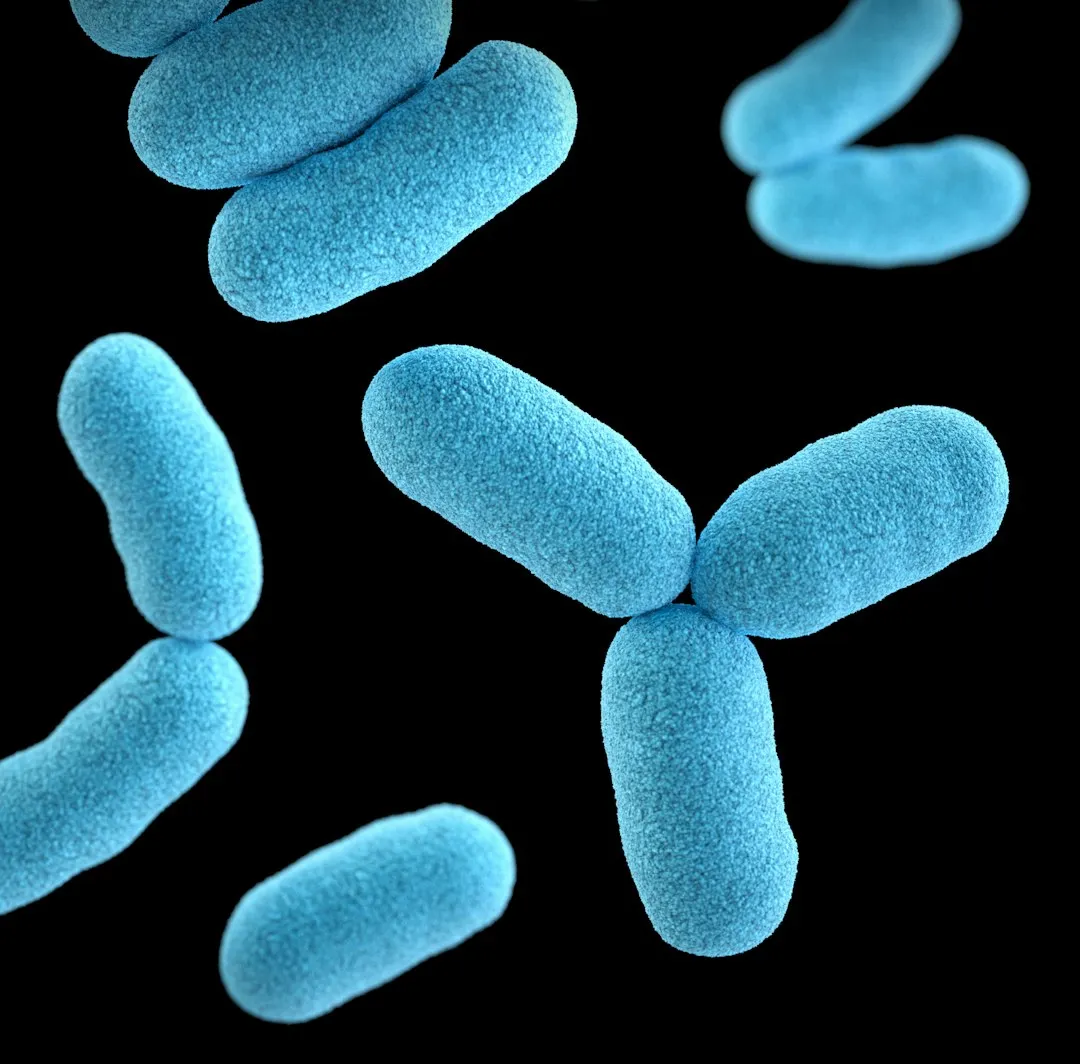
Bacteria grow most rapidly in the range of temperatures between 40°F and 140°F, doubling in number in as little as 20 minutes. This range of temperatures is often called the “Danger Zone.” That doubling rate is not a slow, gradual process. It is exponential.
A single bacterium that begins multiplying at 40°F could theoretically produce more than 1 billion descendants within 10 hours, a count well past the threshold for illness in many pathogens. Counter thawing places meat squarely in this zone for extended periods, often without the person in the kitchen giving it a second thought.
Why Freezing Doesn’t Kill Bacteria
A common misunderstanding is that freezing meat makes it safe by eliminating bacteria. It doesn’t. Freezing food does not kill microorganisms; it only slows their growth. The pathogens that were present before freezing remain present and simply wait.
Foods are safe indefinitely while frozen. However, as soon as food begins to defrost and become warmer than 40°F, any bacteria that may have been present before freezing can begin to multiply. This is why the method of thawing matters so much. The freezer is not a sterilizer – it’s a pause button.
The Uneven Thaw Problem
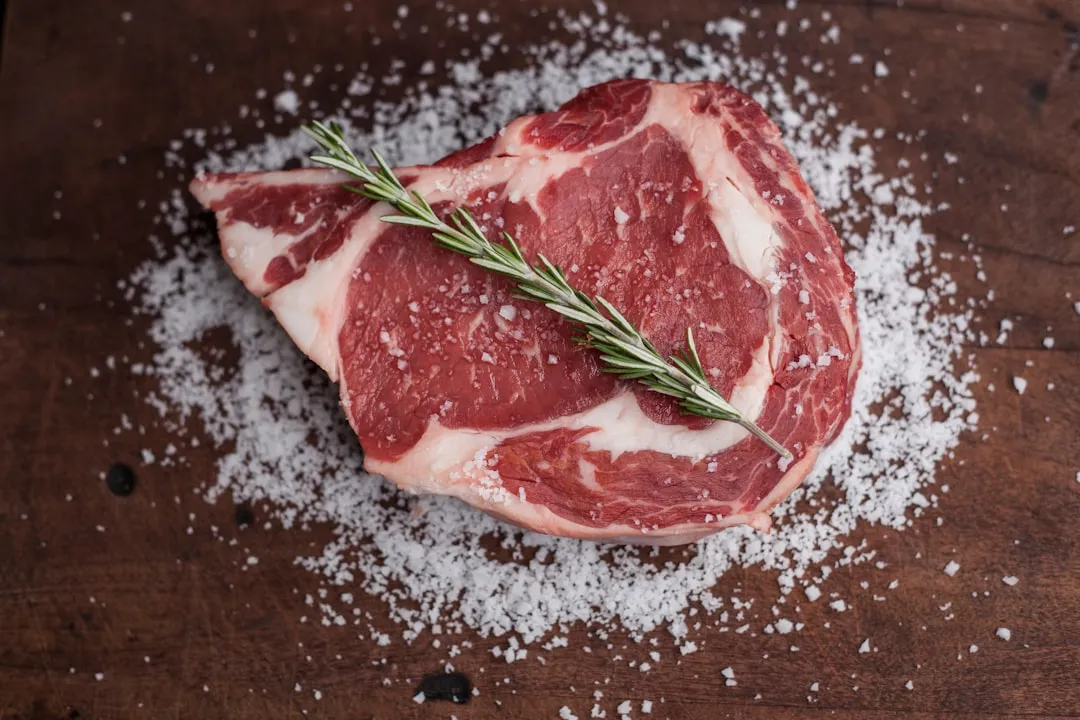
One of the more underappreciated dangers of counter thawing is that meat doesn’t defrost uniformly. As the meat thaws, it won’t thaw evenly. The exterior will thaw first, leaving the center still frozen. This means the outer layer of raw meat will spend the most amount of time in the danger zone, rapidly collecting potentially dangerous bacteria while the interior defrosts.
The exterior of a frozen chicken breast can reach 50°F while the center remains frozen, meaning the outer layers are already accumulating danger-zone time while the inside hasn’t even started thawing. So even a relatively short counter thaw session creates a window of real risk on the surface of the meat, regardless of what’s happening in the middle.
Ground Beef Carries a Compounded Risk
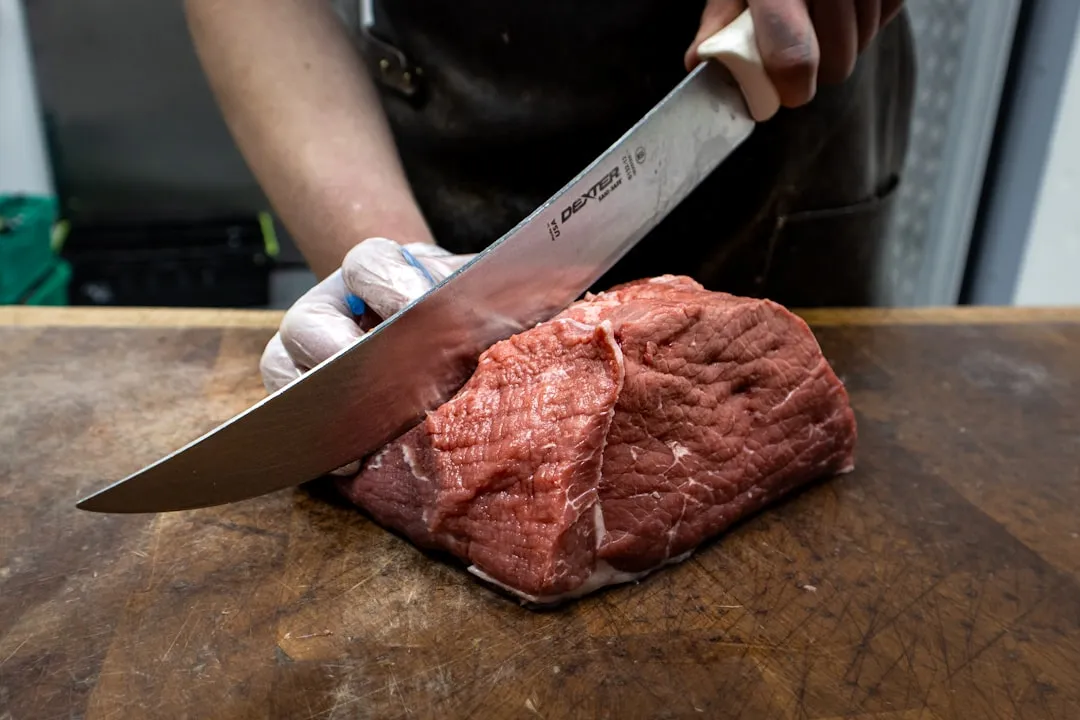
Ground beef’s high surface-area-to-volume ratio accelerates microbial growth. Unlike whole cuts, ground beef has been mechanically mixed, distributing surface contaminants throughout the product. This makes it especially vulnerable during improper thawing.
For ground beef thawing on the counter, even 60 to 90 minutes can allow pathogen levels to exceed safe thresholds. That’s a surprisingly short window. Bacteria like Escherichia coli and Salmonella multiply rapidly between 40°F and 140°F, the danger zone where countertop thawing places meat for hours.
The Two-Hour Rule and Why It Gets Ignored
The USDA’s two-hour rule, the principle that perishable food left in the danger zone for more than 2 hours should be discarded, is built directly on the biology of bacterial growth. Most people are aware of the rule in theory. Practically speaking, it’s hard to maintain when a large cut of meat takes far longer than two hours to thaw at room temperature.
Bacteria can multiply rapidly if left at room temperature or in the danger zone between 40°F and 140°F. Perishable food should never be left out for more than 2 hours, or 1 hour if exposed to temperatures above 90°F. In summer kitchens or warm climates, that window shrinks even further.
Toxins That Survive Cooking
Many people assume that cooking meat at high temperatures after a counter thaw solves the problem. This is not always true. If raw meats have been mishandled and left in the danger zone too long, bacteria may grow and produce toxins that are heat resistant and not destroyed by cooking. Therefore, even though cooked, meat and poultry mishandled in the raw state may not be safe to eat even after proper preparation.
This is the part that genuinely surprises most home cooks. The assumption that thorough cooking is a fail-safe is reasonable, but it doesn’t account for the toxins that certain bacteria leave behind. Cooking kills the bacteria themselves; it does not always neutralize what they’ve already produced.
Who Is Most at Risk

Not everyone who eats improperly thawed meat will get seriously ill. But certain groups face much higher stakes. Individuals managing chronic conditions, pregnant people, older adults, and young children face higher risks from foodborne illness, making strict adherence to evidence-based thawing protocols essential for health protection.
A Food for Thought 2025 report shows a total of 1,392 Americans in 2024 became ill after consuming a contaminated food item, up from 1,118 in 2023. The number of hospitalizations more than doubled, rising from 230 to 487, and deaths climbed from 8 to 19. The trend points in the wrong direction, and vulnerable populations are the ones who bear the heaviest consequences.
The Safe Alternatives That Actually Work
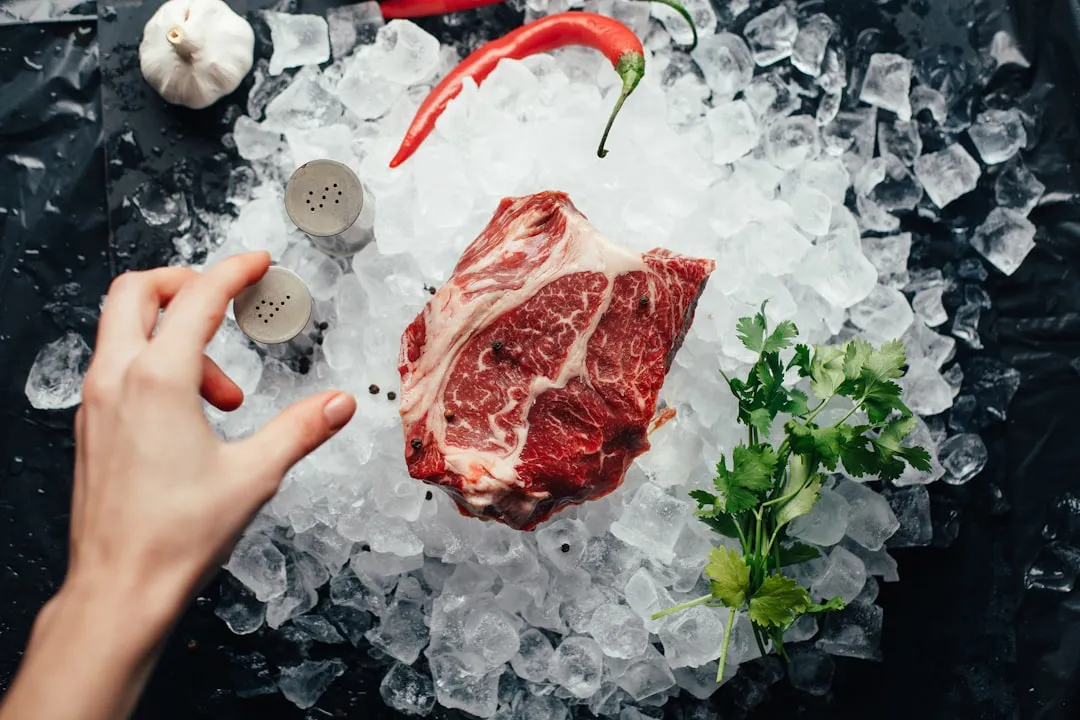
You can thaw frozen foods safely in three ways: refrigerator thawing, cold water thawing, and microwave thawing. Each has practical trade-offs, but all three keep food out of the prolonged danger zone that counter thawing creates.
Refrigerator thawing keeps food items below 40°F, preventing them from entering the danger zone. This is the safest method, but planning is necessary due to lengthy thaw times. For cold water thawing, a good rule of thumb is to estimate about 30 minutes of cold water submersion per pound of meat. Microwave thawing is fast but requires cooking the meat immediately after, with no delays.
The “It Smells Fine” Fallacy
One of the most persistent reasons people keep counter-thawing meat is the belief that sensory cues are reliable indicators of safety. If it looks fine and smells fine, it must be fine. Microbiologists would disagree. You should never rely on smell or appearance to judge safety.
CDC has estimated that foodborne Salmonella causes 29 illnesses for each case that is detected through laboratory testing. That ratio reflects how often people become sick from food that appeared and smelled perfectly normal. The bacteria responsible for the most common foodborne illnesses produce no obvious signals – no off smell, no visible change in color or texture. By the time something looks or smells wrong, the situation is usually far worse than an ordinary counter thaw would create anyway.
The Takeaway
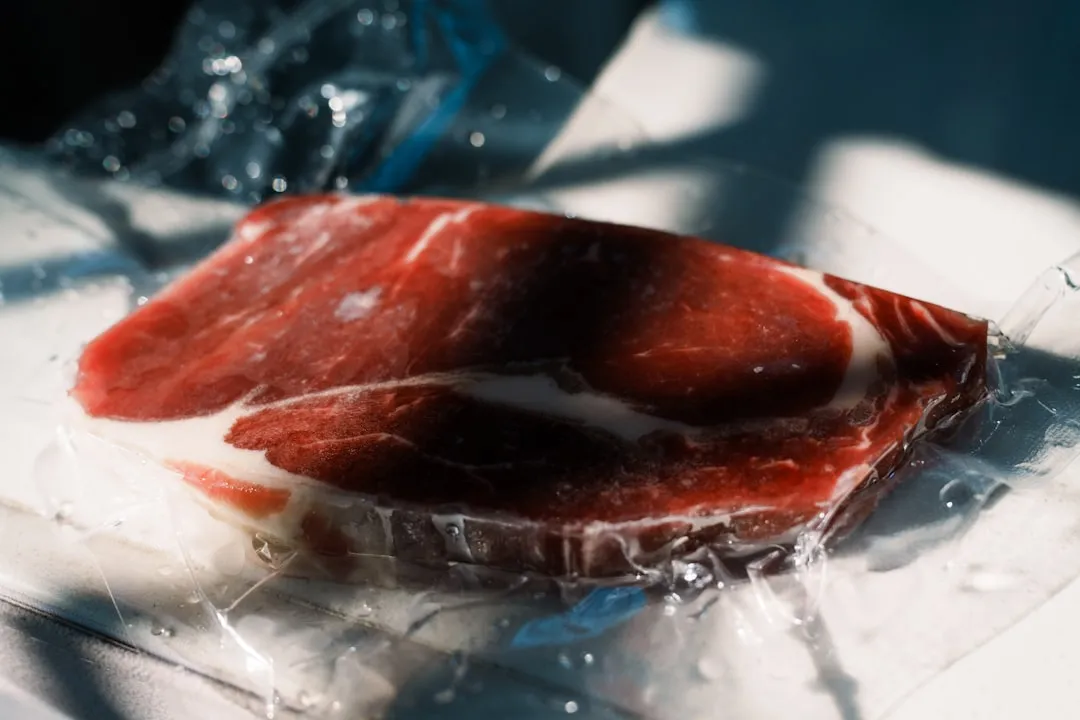
Counter thawing is one of those habits that has persisted largely because nothing visibly bad happens most of the time. That’s exactly what makes it easy to underestimate. The danger is real but invisible, playing out at a microscopic level while the kitchen goes about its business.
The science here is not ambiguous. In the process of thawing, never keep food in the danger zone, between 40°F and 140°F. Bacteria can grow quickly in these temperatures. Never thaw foods in the basement, in the car, on the kitchen counter, or any place other than in the refrigerator, in cold water, or in the microwave. Planning ahead takes a little more thought, but it’s a straightforward habit to build. The biology of bacterial growth doesn’t leave much room for shortcuts.
AI Disclaimer: This article was created with the assistance of AI tools and reviewed by a human editor.