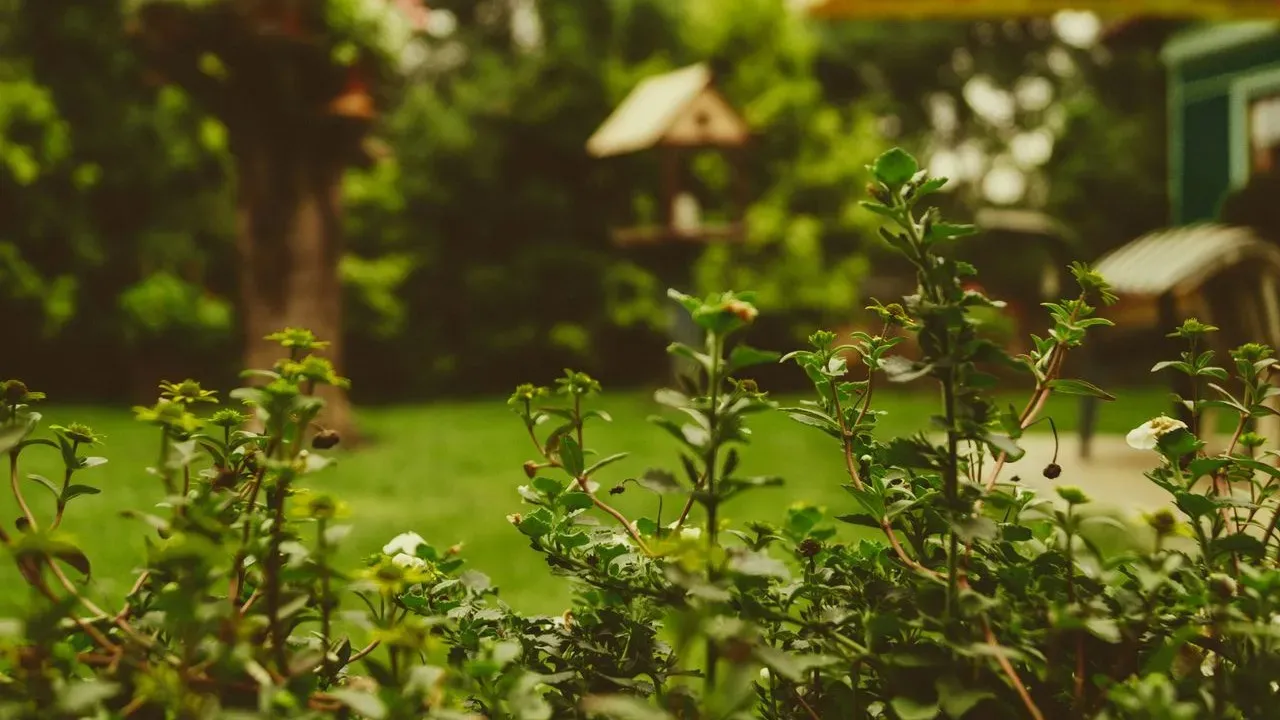

Gardeners across many regions have spent recent weeks searching for any patch of shade that offers real relief from record heat. The search often leads them past the very plantings promoted as climate-smart solutions. Prairie-style designs, with their waves of grasses and perennials, appear frequently in magazines and public spaces, yet they can leave visitors and homeowners exposed when temperatures climb and rainfall stays scarce.
The Appeal of a Popular Planting Style
Designers and homeowners turned to prairie-inspired layouts because the approach promised lower maintenance and better adaptation to drier conditions. Tall grasses and upright perennials create movement and a sense of wildness that contrasts with clipped lawns or formal borders. Many of these plants are marketed as drought-tolerant once established, which aligns with concerns about water restrictions and shifting weather patterns.
Yet the same features that look striking in mild weather can behave differently under prolonged high heat. Grasses that sway attractively in spring often bleach to pale straw tones, and their vertical lines begin to echo the shimmer rising from hot pavement. The overall effect can feel more stark than soothing when shade is limited and the sun beats down without interruption.
How Heat Alters the Look and Feel of These Gardens
Individual plants that perform well in cooler months sometimes lose their appeal during extreme conditions. Soft green foliage can crisp at the edges, while flowers in warm tones such as orange or deep red intensify the visual impression of dryness rather than offering contrast. Silvery or spiky species add texture but little sense of coolness or moisture.
Hardscape elements chosen to complement the style, including metal containers or water features, can compound the problem. Surfaces that absorb and radiate heat make it harder to find any spot that feels refreshing. The result is a garden that may meet aesthetic goals on paper yet fails to provide the practical comfort people seek when outdoor time becomes limited by temperature.
Older Garden Traditions Offer Different Lessons
Some gardeners have found greater relief by looking to planting patterns that predate current trends. Canopies formed by trees create layered shade that lowers air temperature beneath them. Vines trained along walls or overhead structures add further coverage while helping to moderate surface heat through transpiration and simple coverage.
Low-growing herbs and groundcovers between larger plants keep soil cooler and retain moisture longer than bare ground or sparse mulch. These layers also produce varied leaf shapes and heights that give the eye places to rest, breaking up the flat, uniform plane common in many grass-heavy designs. The combination creates microclimates where air movement and evaporative cooling become noticeable even on the hottest days.
Practical Steps for Gardeners Weighing Their Options
Anyone reconsidering their own space can begin with a few targeted changes rather than a full redesign. Adding or preserving a small number of trees or large shrubs establishes vertical structure and shade quickly. Training vines on existing fences or arbors extends that coverage without requiring new construction.
Introducing scented, low herbs in pathways or under taller plants supplies both fragrance and ground-level cooling. Regular trimming keeps these elements tidy while encouraging dense growth that protects the soil. The approach does not eliminate the need for occasional watering during establishment, but it shifts emphasis toward elements that continue to function when rain is scarce.
Looking Ahead at Garden Choices
Heatwaves test every planting decision in ways that milder seasons do not. Prairie-style gardens continue to suit certain sites and preferences, yet their performance under stress suggests that a single aesthetic may not meet every practical need. Gardeners who value time outdoors during warm months are left weighing visual appeal against the simple requirement of usable shade and cooler air.
The question remains open for each gardener to test in their own conditions. What combination of height, coverage, and plant choice actually delivers comfort when the next stretch of extreme weather arrives?
AI Disclaimer: This article was created with the assistance of AI tools and reviewed by a human editor.