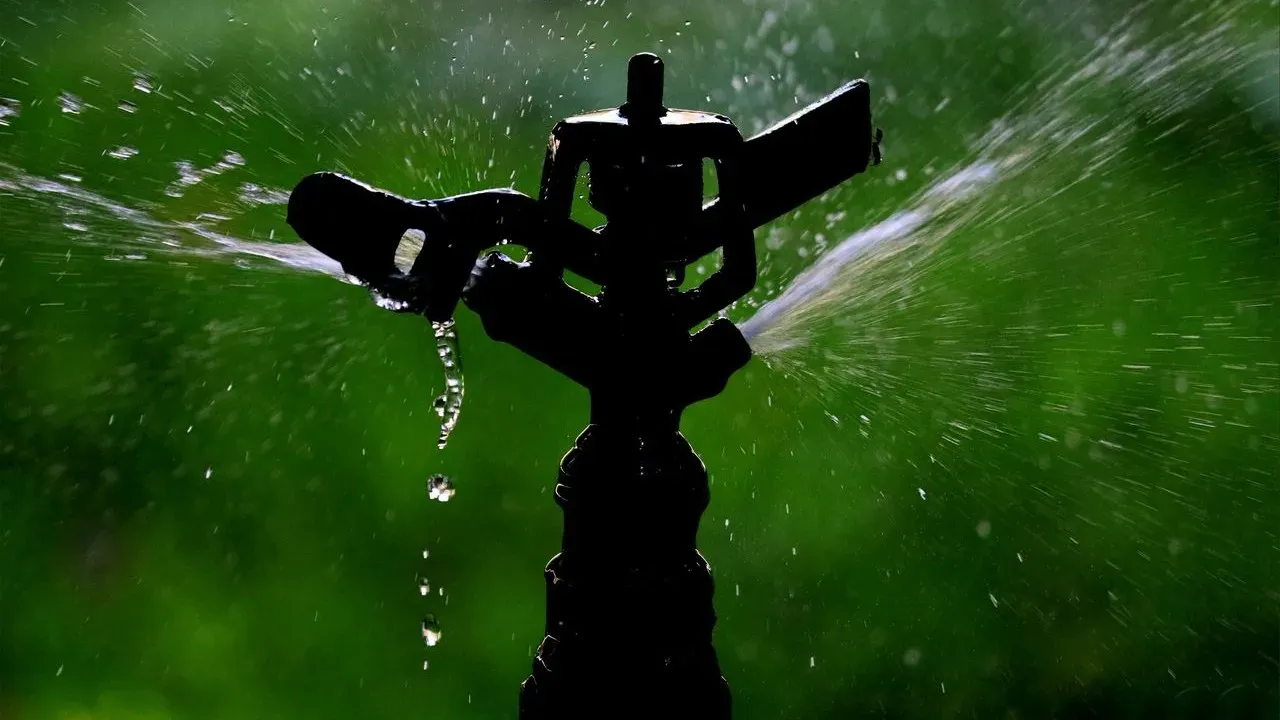

Late summer brings intense heat that tests every lawn, especially in areas with sandy soil and strict watering limits. Many homeowners notice dry patches or uneven growth even after running their sprinklers on schedule. The issue often traces back to problems within the irrigation system itself rather than a lack of effort or water.
Subtle Changes That Signal Deeper Trouble
Sprinkler problems rarely announce themselves with dramatic sprays or obvious floods. Instead, they appear through small inconsistencies that build over time. One section of grass may stay brown while another stays soggy, or the monthly water bill climbs without any clear explanation. These patterns frequently stem from clogged nozzles, misaligned heads, or valves that no longer open and close properly. Underground leaks can also reduce flow to certain zones without visible surface damage. Catching these early prevents both wasted water and stressed landscaping that struggles to recover in the heat.
How Everyday Wear Creates System-Wide Effects
An irrigation setup relies on pipes, valves, controllers, and individual heads working in coordination. When one part falters, the entire zone can suffer. Low pressure might prevent heads from rising fully, while a faulty timer could run zones too long or not at all. Shifting soil, tree roots, and routine lawn equipment contribute to gradual damage. A single cracked head or blocked nozzle can leave neighboring areas oversaturated or bone dry. The visible symptom rarely points straight to the root cause, which is why simple part swaps often fail to restore balance.
Knowing When Hands-On Fixes Make Sense
Homeowners comfortable with basic tools can address straightforward issues such as cleaning a nozzle or replacing a visibly damaged head. Turning off the water supply first and identifying the correct zone keeps the work contained and safe. More complex situations call for outside help. Flooded valve boxes, sudden pressure drops across multiple zones, or suspected underground leaks usually require diagnostic equipment and experience. Professional attention avoids repeated part replacements that never resolve the underlying pressure or wiring problem.
Adjusting for Better Results Without Extra Water
Efficient coverage matters more than longer run times, particularly when rainfall patterns shift and temperatures stay high. Heads aimed at pavement or fences simply send water where it provides no benefit to the grass or plants. Seasonal controller adjustments help match output to actual needs across different landscape areas. Grass, shrubs, and beds rarely require identical amounts of moisture. Regular observation while zones run reveals overspray, pooling, or heads that fail to retract, allowing small corrections before they grow into larger losses.
Building Habits That Protect the Yard Long Term
Routine checks during the season reduce the chance of repeat failures. Watching for dry spots that return in the same places, changes in pressure, or zones that continue running after they should stop gives early warning. These observations also highlight when new landscaping or tree growth has altered coverage needs. Addressing issues promptly keeps water use in check and supports healthier growth even under summer stress. The real goal remains delivering moisture exactly where the landscape requires it rather than simply keeping every head active.
AI Disclaimer: This article was created with the assistance of AI tools and reviewed by a human editor.