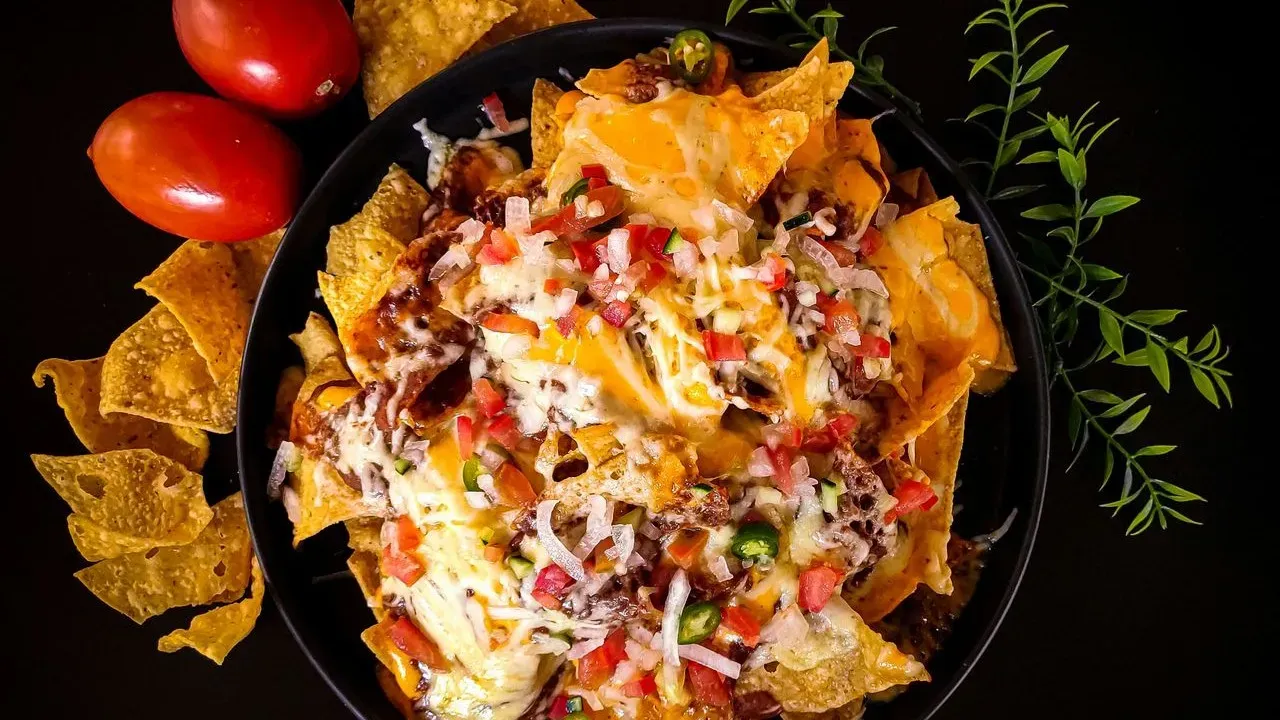

Across the country, restaurants serving Mexican cuisine now present a wider range of regional dishes, ingredients, and cooking styles than at any previous point. This expansion continues even as national debates over immigration policy remain intense. The result is a dining landscape that reflects both long-standing community contributions and ongoing adaptation to shifting conditions.
Signs of Broader Availability
Observers note that Mexican restaurants appear in more neighborhoods and smaller cities than in earlier decades. Menus increasingly feature items tied to specific states or towns in Mexico rather than a single standardized approach. Diners encounter preparations that highlight different chiles, corn varieties, and traditional techniques drawn from distinct regions.
Owners and chefs describe steady interest from customers seeking both familiar favorites and less common options. Supply chains have adjusted to support these offerings, with more importers and local producers involved. The pattern points to sustained demand that has outlasted periodic economic or policy pressures.
Political Environment and Business Realities
Immigration enforcement measures and related rhetoric have created uncertainty for many workers and operators in the food sector. Labor availability fluctuates in some areas, and compliance costs have risen for businesses that rely on a mobile workforce. Yet the number and specialization of Mexican restaurants have continued to increase rather than contract.
Operators often cite community networks and established customer bases as stabilizing factors. These networks help maintain supply lines and skilled staff even when formal channels face disruption. The contrast between policy friction and operational growth remains one of the more notable features of the current period.
Who Benefits and How
Customers gain access to a greater selection of authentic preparations without traveling far from home. Families and groups can explore regional differences that once required specific destinations. This access supports both everyday meals and occasions that call for more distinctive dishes.
Restaurant workers and owners from Mexican backgrounds maintain economic footholds in an industry that values their expertise. Local economies see continued activity in food service, distribution, and related trades. The practical outcome is wider participation in the sector despite external constraints.
Looking at Longer-Term Patterns
Similar expansions have occurred in other cuisines during periods of political tension, though the scale here stands out. The current variety suggests that consumer preferences and entrepreneurial persistence can advance independently of national policy cycles. Future developments will likely depend on how labor markets, trade rules, and public tastes continue to interact.
Industry participants emphasize that the trend rests on consistent execution rather than any single event or announcement. The result is a food scene that offers more choices while operating within a complicated national context.
AI Disclaimer: This article was created with the assistance of AI tools and reviewed by a human editor.