

The thyroid is a small, butterfly-shaped gland sitting at the base of your neck, yet its influence reaches into almost every system in your body. It produces hormones that regulate your body’s metabolism, heart rate, and body temperature, with thyroxine (T4) and triiodothyronine (T3) playing essential roles in energy production and overall well-being.
Research shows that up to roughly 20 million Americans have some form of thyroid disease, yet many don’t realize how significantly their diet affects . Most conversations about thyroid health jump straight to medication, but the science on nutrition has grown considerably in recent years. Here are six foods with solid evidence behind them.
1. Brazil Nuts: A Single-Food Selenium Powerhouse
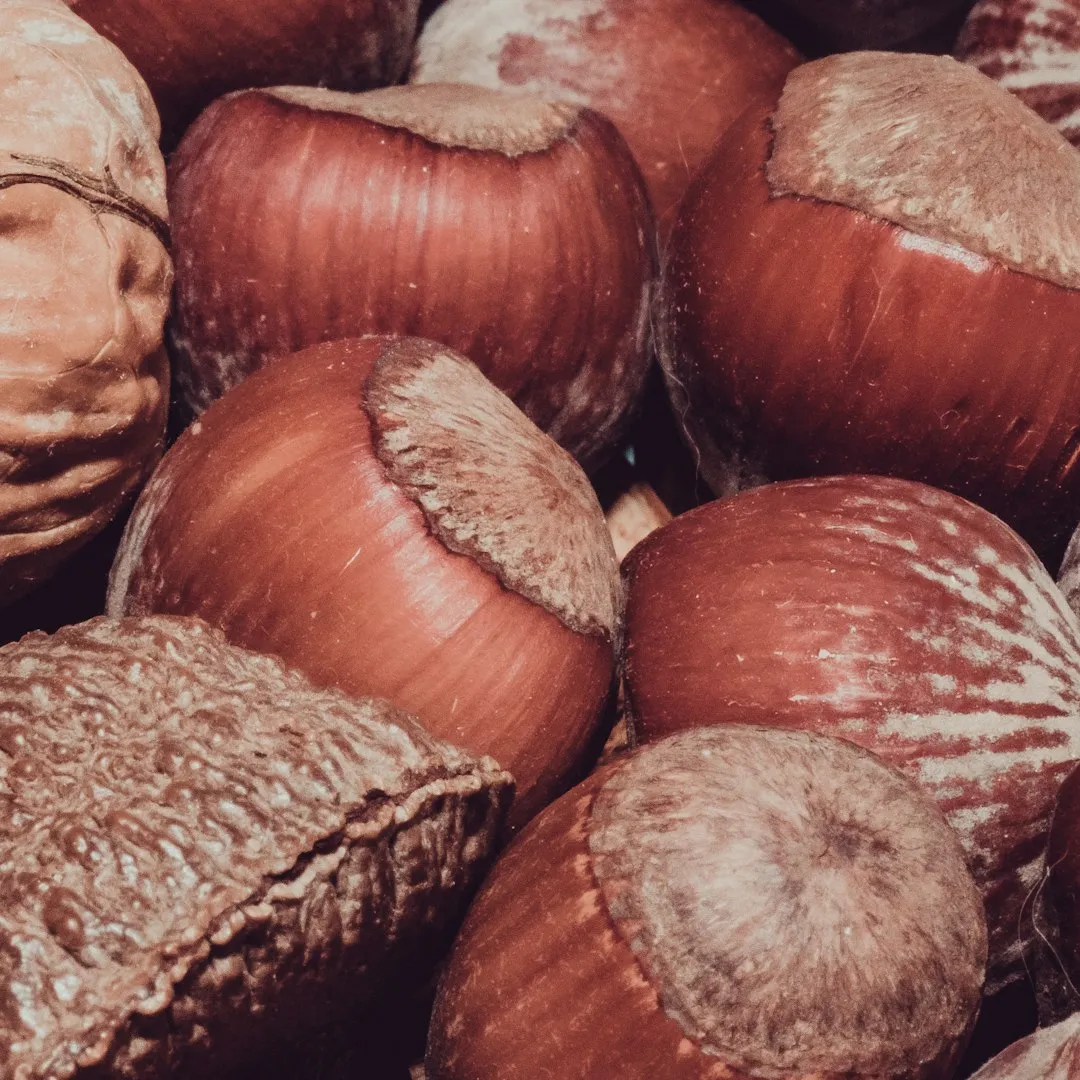
Brazil nuts are considered the single best food source of selenium, a mineral that provides significant benefits to thyroid function by supporting deiodinase enzymes. These enzymes help your body activate and convert thyroid hormones.
Selenium also protects the thyroid gland against iodine-induced damage and has been shown to reduce thyroid antibodies in people with Hashimoto’s thyroiditis. That’s a meaningful benefit for the many people living with this autoimmune condition.
The selenium content within each nut can vary significantly depending on its source, with the average being somewhere around 40 to 50 micrograms per nut. Given that an ideal selenium intake for thyroid health is roughly 75 to 150 micrograms, just one or two nuts per day can meet that target, leaving room for selenium from other foods in your diet.
2. Seaweed: Nature’s Most Concentrated Iodine Source

Seaweed, such as kelp, nori, and wakame, is naturally rich in iodine, a trace element needed for normal thyroid function. Your thyroid uses iodine to make hormones, and without it, it can’t produce thyroxine (T4) or triiodothyronine (T3), which regulate core functions like energy use and temperature control.
Clinical research and governmental health agencies recognize seaweed as a natural dietary source of iodine, and its consumption is linked to improved thyroid hormone production in iodine-deficient populations. A 2026 study published in the European Journal of Nutrition tracked habitual seaweed consumers in Norway and assessed iodine status and thyroid function both during and after a six-week cessation period of seaweed consumption, measuring TSH, fT3, fT4, and related markers.
However, the evidence is less robust in iodine-sufficient populations, and excessive intake from algae can pose risks, including thyroid dysfunction due to iodine excess. Moderation matters here: seaweed is powerful, not unlimited.
3. Fatty Fish: Iodine, Selenium, and Vitamin D in One Meal

Fatty fish such as salmon and mackerel are a natural source of vitamin D, which is particularly useful for people in regions with limited sunlight exposure. This matters more than it might seem. Vitamin D plays a crucial role in autoimmune thyroid conditions, with research linking deficiency to increased risk of thyroid dysfunction.
Seafood like salmon, cod, and sardines are also reliable sources of iodine. Lean meats and seafood provide high-quality protein along with essential nutrients like zinc and selenium, both of which support thyroid health. Few single foods cover as many thyroid-relevant nutrients at once as a serving of wild-caught fish.
4. Eggs: A Versatile, Everyday Thyroid-Friendly Food
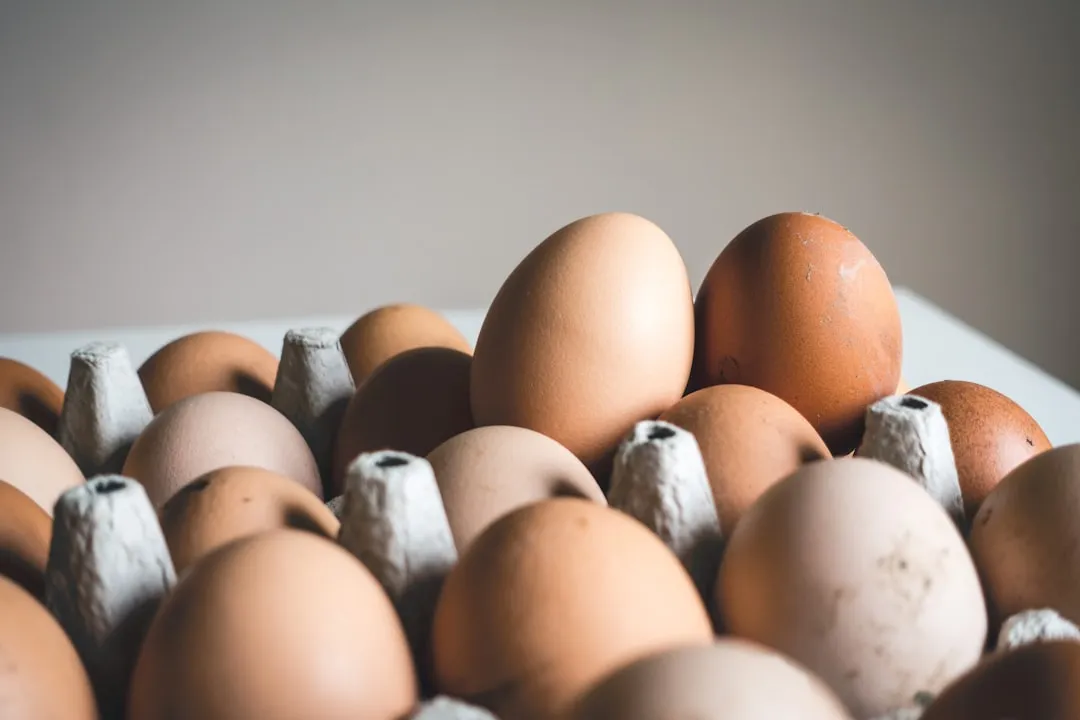
Brazil nuts, tuna, and eggs all provide excellent selenium sources, making eggs a genuinely practical option for people who want consistent daily support without eating specialty foods. They’re also easy to prepare in dozens of ways, which helps with long-term dietary consistency.
Cow’s milk and eggs, along with saltwater fish and iodized salt, are among the main dietary sources of iodine in many Western diets. B vitamins, particularly B12, are vital for energy production and healthy thyroid function, and eggs are a strong source of B12 alongside fish, poultry, and dairy. For people who don’t eat seafood regularly, eggs fill a real nutritional gap.
5. Pumpkin Seeds and Oysters: Zinc for Hormone Production
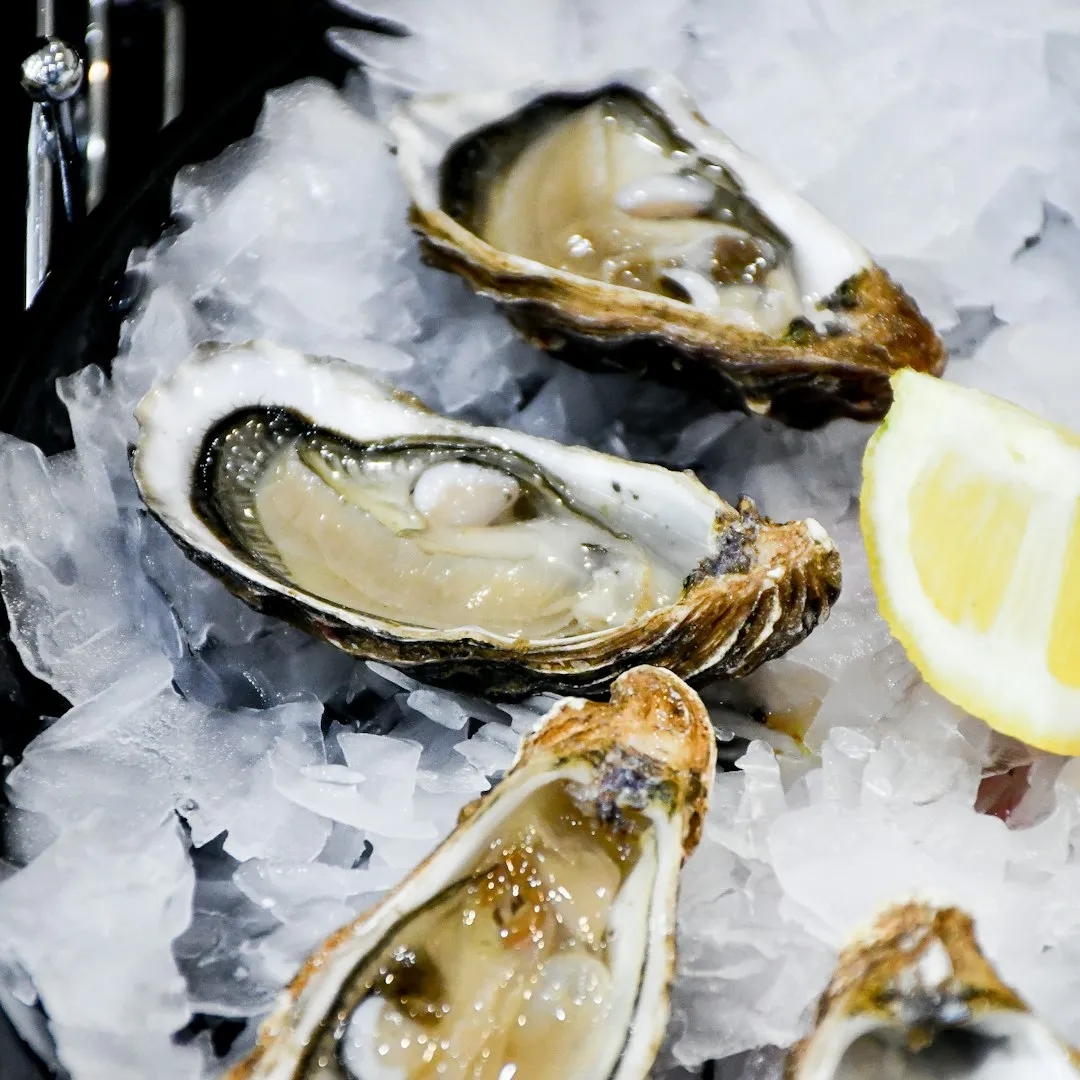
Zinc is an important mineral that supports the production of thyroid hormones and helps regulate the thyroid gland. You’ll find it in foods like oysters, red meat, lentils, and pumpkin seeds. Oysters, in particular, are among the most zinc-dense foods available in the human diet.
Micronutrients such as iodine, selenium, iron, zinc, copper, magnesium, vitamin A, and vitamin B12 all influence thyroid hormone synthesis and regulation throughout life, according to a 2024 narrative review published in the journal Nutrients. Zinc is often overlooked in thyroid conversations, but its role in hormone production and immune regulation is well established in the literature.
Zinc supports hormone production and immune function, making foods like oysters, beef, and pumpkin seeds valuable additions to a thyroid-supportive diet. A small handful of pumpkin seeds as a snack is one of the simplest ways to maintain consistent zinc intake without dramatically changing your eating habits.
6. Leafy Greens and Fortified Dairy: Iron and Vitamin Support
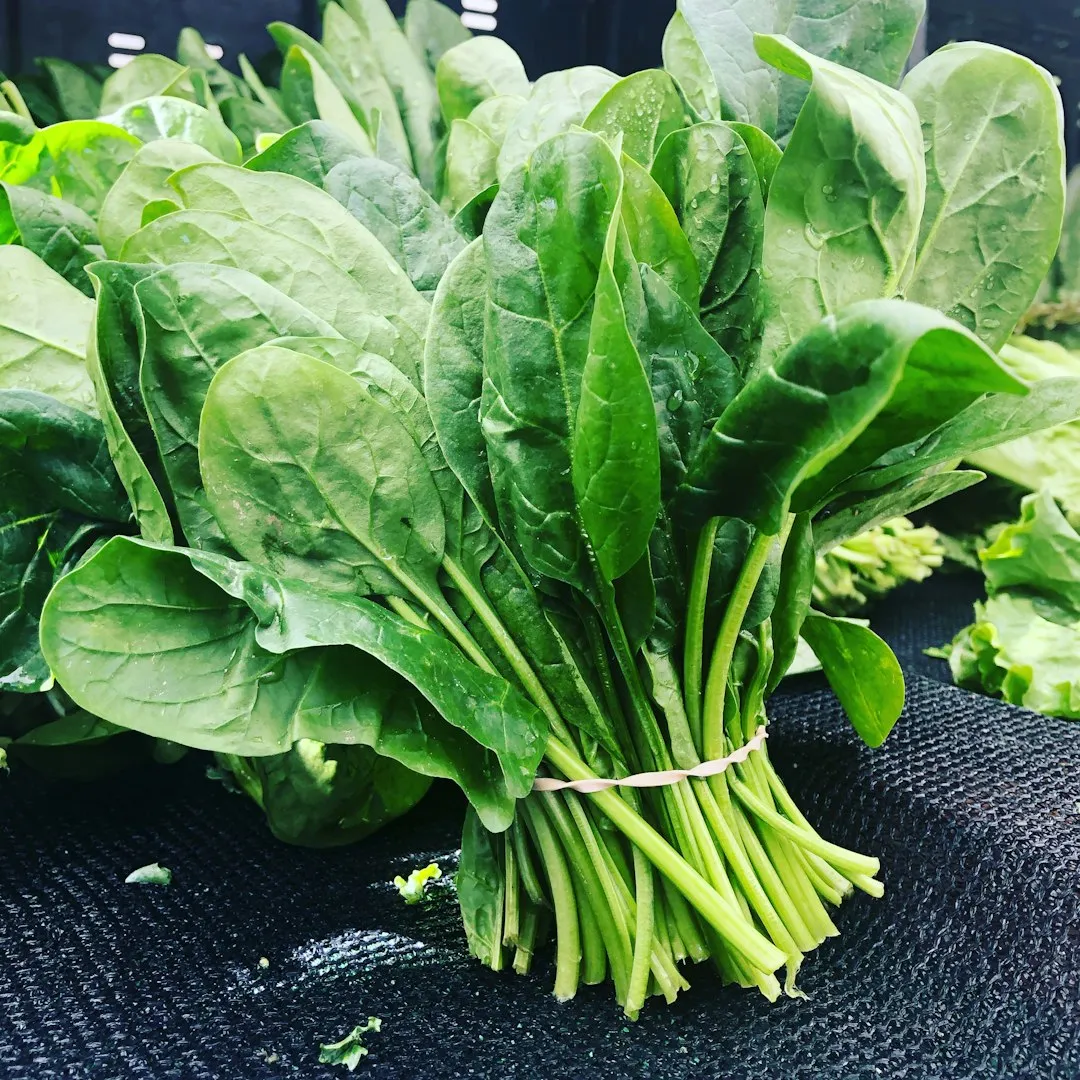
Iron deficiency can impair thyroid hormone synthesis, making it important to include lean meats, spinach, and lentils in your diet. Leafy greens like broccoli, spinach, kale, and dandelion greens contain antioxidants including vitamins C and E, beta-carotene, calcium, and fiber, all of which contribute to a broader nutritional environment where the thyroid can function well.
Vitamin A aids in converting T4 into the active T3 hormone, which is crucial for healthy thyroid function. Foods that provide vitamin A include carrots, sweet potatoes, leafy green vegetables, and liver. The T4-to-T3 conversion step is where many people with thyroid issues actually run into trouble, making vitamin A intake more relevant than it’s often given credit for.
Pairing iron-rich foods with vitamin C sources like citrus or tomatoes helps boost absorption, a practical detail worth keeping in mind when building meals. The combination of spinach with a squeeze of lemon juice, for instance, is not just good flavor: it’s genuinely better nutrition for the thyroid.
How Thyroid Disorders Actually Work: A Quick Frame of Reference

The thyroid makes hormones T4 and T3 that control how the body uses energy, its metabolism. If the thyroid underfunctions (hypothyroidism), you may feel tired, cold, constipated, or gain weight. If it overfunctions (hyperthyroidism), you may feel anxious, hot, or have a fast heartbeat.
Nearly 20 million Americans have thyroid disorders, yet only about 40 percent are aware of their condition. That’s a striking gap, and it’s part of why nutritional awareness matters: dietary habits can influence thyroid health long before a clinical diagnosis arrives.
The Diet-Gut-Thyroid Axis: What Recent Research Reveals

Thyroid function is closely linked to nutrition through the diet-gut-thyroid axis, and a 2024 narrative review published in Nutrients highlights the influence of nutritional components and micronutrients on thyroid development, function, and the gut microbiota. This is a relatively newer area of thyroid research, but it helps explain why a broad, whole-food diet tends to produce better outcomes than focusing on single supplements.
Focusing on whole food sources of iodine, selenium, and zinc rather than supplementing is advisable, as foods contain these nutrients in natural ratios the body can utilize more effectively. The interaction between nutrients, not just the individual nutrient, appears to be where much of the benefit lies.
Important Limits: When Thyroid-Friendly Foods Become a Problem

Iodine deficiency can lead to hypothyroidism, while excessive intake can sometimes trigger or worsen hyperthyroidism. The same food that supports the thyroid at moderate amounts can push it in the wrong direction at high doses. This is most relevant with seaweed and iodized salt.
Cruciferous vegetables like broccoli, cauliflower, kale, and cabbage are excellent for overall health, but they do contain compounds that can interfere with iodine absorption when eaten raw in large quantities. Cooking generally reduces this effect significantly. For most people eating a varied diet, cruciferous vegetables are not a concern, but those with existing hypothyroidism may want to discuss this with their doctor.
Selenium Research: Promising, With Some Caveats

Selenium is a key micronutrient involved in thyroid development, hormone synthesis, antioxidant defense, and immune regulation, especially during pregnancy and childhood, according to a 2025 review published in the journal Nutrients. The evidence across life stages is one of the strongest arguments for consistent dietary selenium intake.
Clinical trials show that selenium can reduce the levels of thyroid autoantibodies in patients with autoimmune thyroiditis, and in patients with Graves’ disease it has demonstrated a positive effect on certain complications. However, the effect of selenium varies depending on baseline mineral levels, which emphasizes the need for an individual approach.
While some studies suggest a potential benefit of selenium supplementation in autoimmune thyroid disorders, the clinical evidence remains limited, inconsistent, and inconclusive. This makes food-based selenium intake, rather than aggressive supplementation, the safer and more practical strategy for most people.
The Takeaway

Eating a whole-food, balanced diet isn’t a replacement for medical treatment, but it can help support the thyroid naturally, especially when paired with regular testing and clinical guidance. The six foods covered here each address a specific nutritional gap that thyroid function depends on.
What’s notable about the evidence is how interconnected these nutrients are. Selenium works differently depending on your iodine status. Iron affects how well thyroid hormones are synthesized. Vitamin D modulates the immune response that often underlies thyroid disease. No single food solves the picture on its own.
The most defensible approach is the least dramatic one: eat a varied, nutrient-dense diet built around real food, stay informed about your thyroid through regular checkups, and treat food as a long-term foundation, not a quick fix.
AI Disclaimer: This article was created with the assistance of AI tools and reviewed by a human editor.