

Acid reflux is far more widespread than most people realize. Global GERD prevalence surged from roughly 450 million cases in 1990 to over 825 million in 2021. That’s a staggering number of people dealing with the same burning discomfort after meals. GERD affects approximately 13.98% of adults globally, meaning roughly 1 in 7 people worldwide experience the condition.
What makes it especially frustrating is that diet plays a central role, yet the connection between specific foods and symptoms isn’t always obvious. The foods you eat and the way you eat them can contribute to acid reflux, though no single food is the direct cause of GERD; certain foods and habits simply worsen it. Understanding what’s on your plate is a reasonable first step before reaching for medication.
1. Fatty and Fried Foods

Fatty foods slow down gastric emptying, prolonging the time food remains in the stomach. The longer food sits there, the more pressure builds on the lower esophageal sphincter, the valve that keeps stomach acid from traveling upward. They relax the LES and are slower to digest than other foods, and when food sits in the stomach longer, the body responds by making more acid.
High-fat foods that can contribute to GERD include heavily marbled beef, bacon, and processed meats like sausages. Fried foods are similarly problematic. Acidic and high-fat foods can relax the lower esophageal sphincter or slow digestion, both of which make reflux more likely.
Swapping fried preparations for grilled or baked options is one of the most practical dietary adjustments a person with frequent reflux can make. Chicken, fish, and less fatty cuts of beef and pork are less likely to trigger acid reflux, and lower-fat cooking methods like grilling, broiling, or baking help too.
2. Spicy Foods
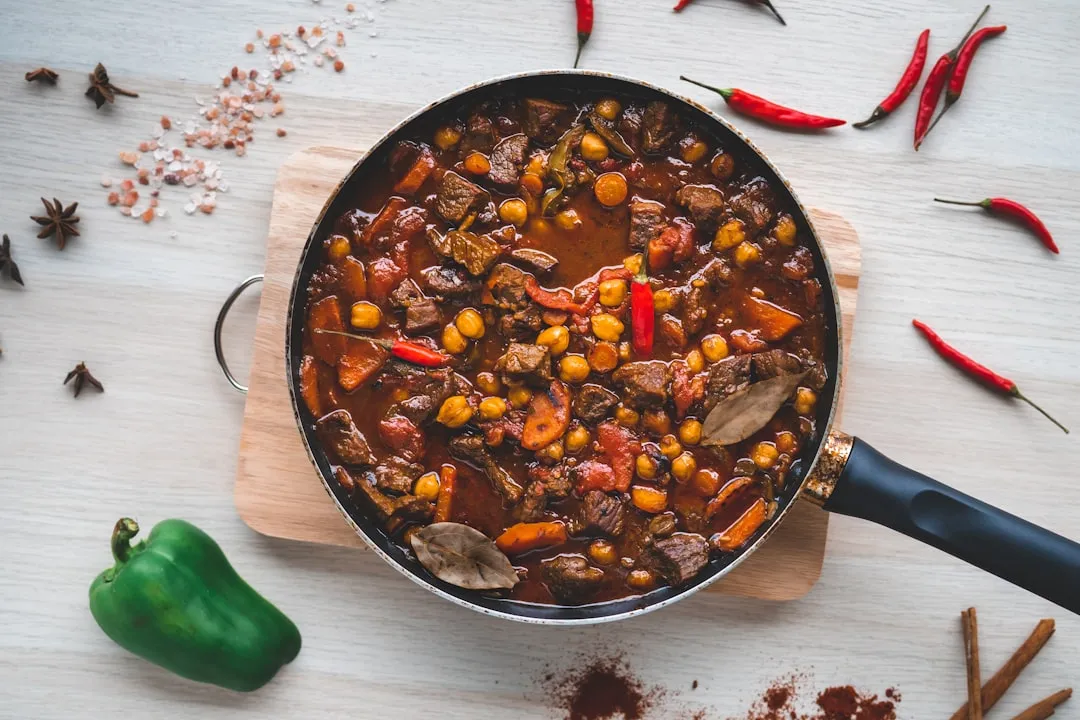
Capsaicin, the compound that makes chili peppers hot, activates pain receptors called TRPV1 receptors that are present in the esophageal lining. These are the same receptors that respond to heat and acid, which is why spicy food can produce a burning sensation that feels almost identical to acid reflux and intensifies reflux you already have.
Spicy foods make acid reflux worse in two ways: the capsaicin in many spicy foods can slow digestion, and before it even gets that far, it can irritate an already inflamed esophagus on its way down. The damage, in other words, can happen in both directions. Not all “spicy food” triggers reflux, but chili powder, curry, and hot peppers are common triggers, and notably, these “bad spices” are often combined with other reflux trigger foods like onions, garlic, and fatty meats.
3. Citrus Fruits and Juices
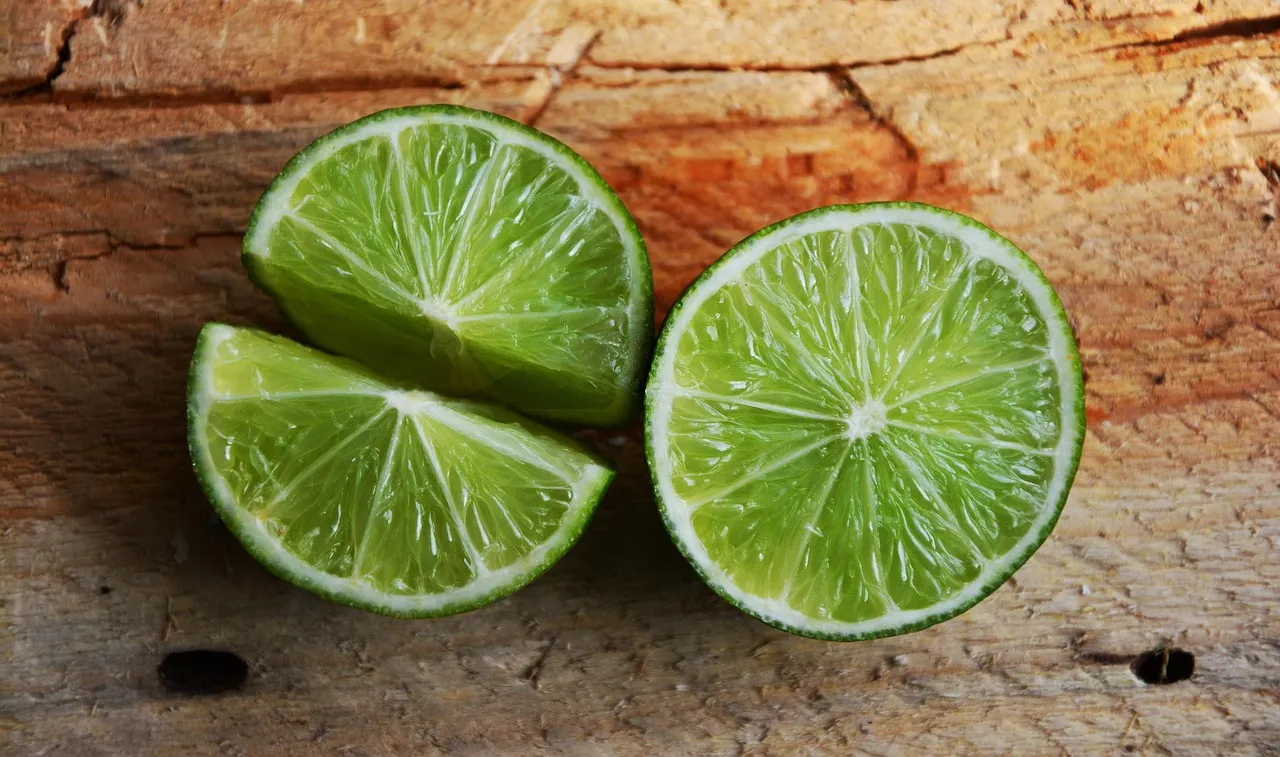
Citrus fruits such as oranges, grapefruits, lemons, and limes, and their juices, may lower LES pressure and, due to their high acid content, can irritate the esophageal lining in people prone to acid reflux. The mechanism isn’t just about producing more stomach acid. The issue isn’t that citrus causes the stomach to produce more acid; it’s that it adds acidic content to whatever is already there, and if any of it refluxes, it stings more.
Eating citrus fruits or drinking citrus juice in the morning frequently worsens symptoms, particularly in those prone to heartburn after breakfast. Timing matters here just as much as quantity. Substituting with lower-acid fruits such as bananas or melons usually makes mornings more comfortable.
4. Chocolate
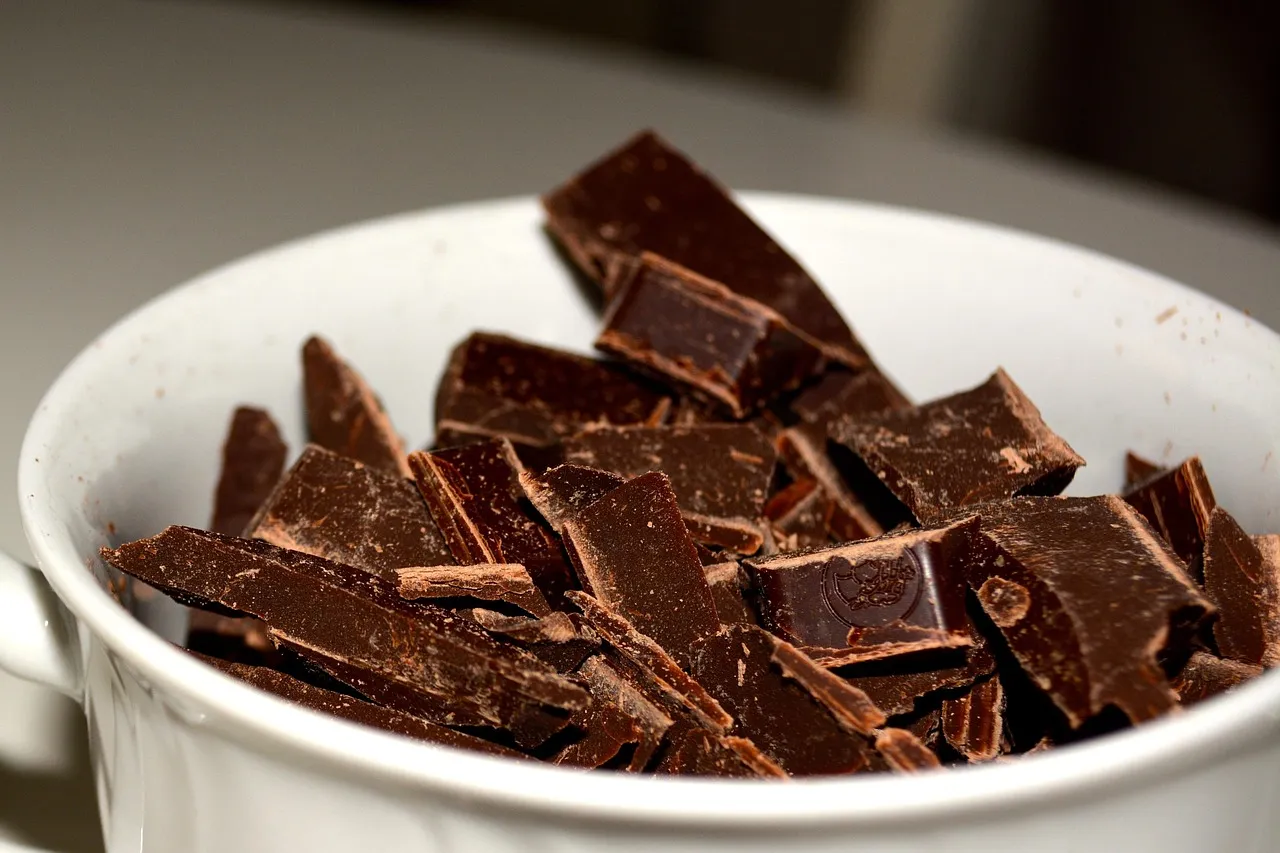
Chocolate might be one of the more surprising entries on this list, but the science behind it is fairly clear. Studies show that cacao and caffeine can relax the stomach valve (LES) and increase esophageal exposure to acid reflux. Chocolate is essentially a double threat: it contains both fat and caffeine, two of the most recognized reflux triggers.
Fatty foods, spicy dishes, chocolate, citrus fruits, and alcohol are among the most common triggers for acid reflux, causing problems through a few different mechanisms: some relax the muscular valve between your stomach and esophagus, some increase stomach acid production, and others directly irritate the esophageal lining. Dark chocolate is often assumed to be “healthier,” but it can still provoke symptoms in sensitive individuals because of its high cacao and caffeine content. If chocolate is a consistent trigger for you, reducing portion size or frequency is worth trying before cutting it out entirely.
5. Coffee and Caffeinated Drinks

Caffeine can relax the LES and increase stomach acid, potentially worsening GERD symptoms. That morning cup of coffee relaxes the very muscle responsible for keeping stomach acid in place. Research is mixed on whether coffee or other caffeinated products contribute to acid reflux and why that might happen, with some studies reporting an association while others report no effect.
Carbonated drinks can cause bloating and increase pressure on the LES. Combine carbonation with caffeine in something like cola, and you have a reasonably potent reflux trigger. Reported risk factors for GERD include smoking, high body mass index, tea or coffee consumption, and fast food intake. Individual sensitivity varies considerably, so tracking your own response after caffeine is a smarter approach than assuming the worst or the best.
6. Alcohol
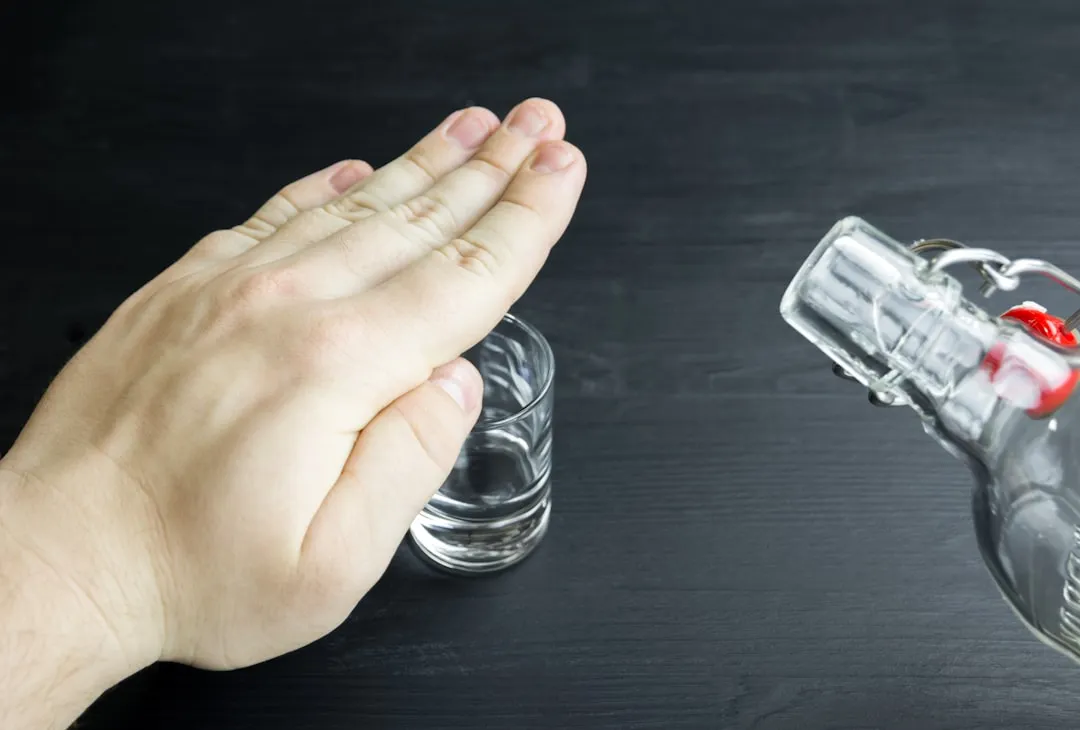
Alcohol can make reflux harder to control because it irritates the esophageal lining and weakens the lower esophageal sphincter, and these combined effects can trigger reflux and intensify heartburn symptoms, particularly after evenings that include late-night snacks or meals built around fatty foods. It’s the combination that tends to cause the most severe episodes, not always alcohol on its own.
Limiting intake or avoiding alcohol altogether can prevent severe episodes and support the healing of the digestive system. Even modest amounts can be enough to loosen the LES in those who are already prone to reflux. If you notice symptoms consistently after drinking, even in small amounts, that’s a meaningful signal worth taking seriously.
How These Foods Actually Trigger Reflux
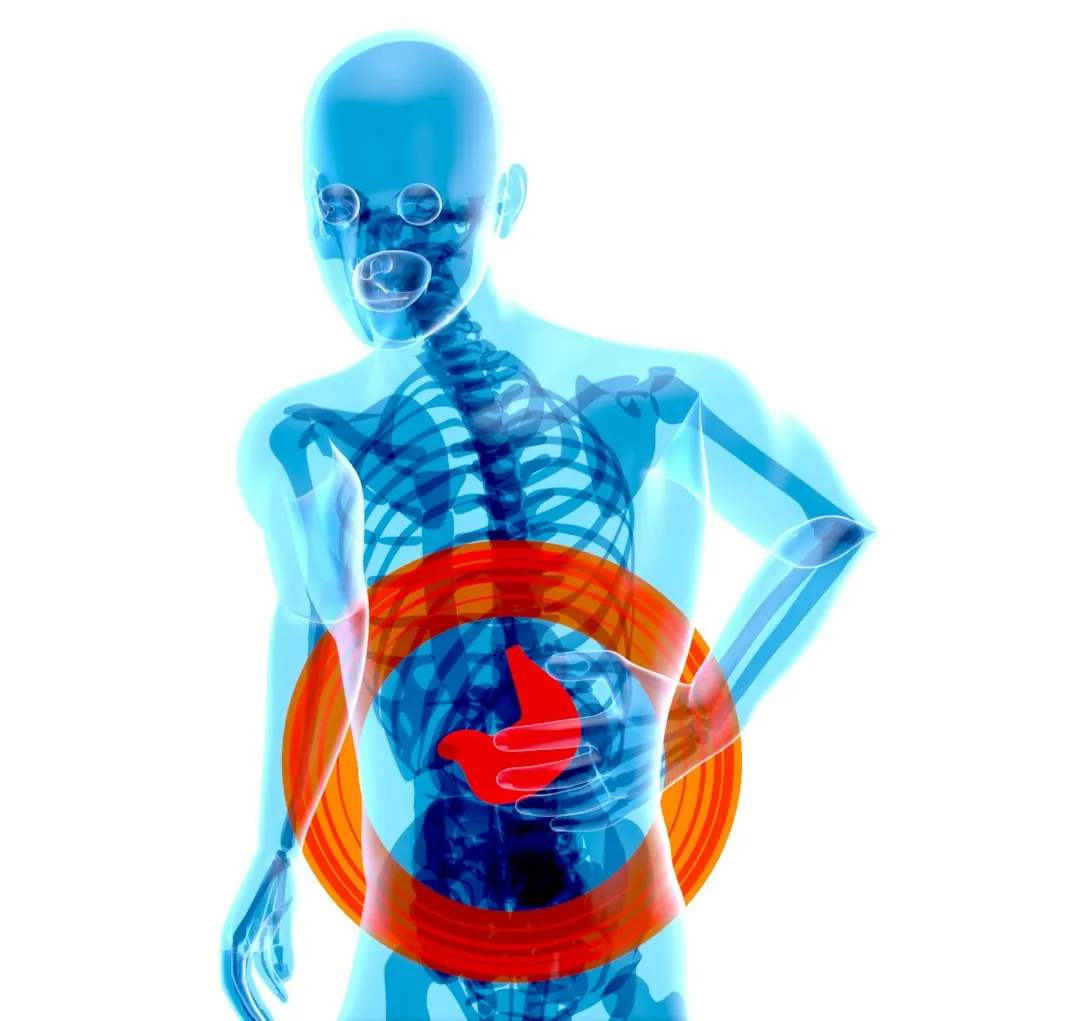
The lower esophageal sphincter is a ring of muscle that acts as a one-way gate between the esophagus and stomach. When it works properly, it opens to let food down and closes to keep acid from splashing back up. Most reflux trigger foods work by relaxing this valve, slowing digestion so food sits in the stomach longer, or both.
Most trigger foods and beverages relax the lower esophageal sphincter, the valve that connects the stomach to the esophagus. This is the core mechanism that unites nearly every food on this list, even though each one gets there differently. A few bypass the valve entirely and simply irritate the esophageal lining on contact.
Why Triggers Vary From Person to Person
Everyone’s food triggers are different, so it’s not a great idea to simply omit the full list of these foods. This is an important nuance that often gets lost in general dietary advice. Reflux triggers vary from individual to individual, and this variation means that your triggers are individual to you and sometimes require some sleuthing to identify.
Personal tolerance changes, and a food diary can help to keep track of personal triggers. Keeping a simple log of what you eat and when symptoms appear is genuinely useful and far more precise than blanket elimination. How you respond to each potential trigger food is unique to you, and it’s unlikely that every possible trigger is leading to symptoms.
The Role of Eating Habits, Not Just Food Choices

Eating habits can also trigger symptoms of acid reflux. It’s not only about what you eat but how and when you eat it. Eating large meals, which can expand the stomach and increase pressure on the LES, is a notable contributor to reflux episodes.
A 2024 systematic review and meta-analysis showed that low-carbohydrate diets reduce esophageal acid exposure time in patients, meaning that the type and load of carbohydrates can change the reflux mechanism because of decreased gastric pressure or altered gut motility. This finding is relevant because it suggests dietary pattern, not just individual foods, shapes reflux risk. Smaller, more frequent meals spread throughout the day tend to reduce pressure on the stomach and, in turn, reduce the frequency of reflux episodes.
What the Latest Research Suggests About Diet and GERD
GERD is a common chronic gastrointestinal disorder that greatly influences patients’ quality of life and is associated with complications such as erosive esophagitis and Barrett’s esophagus. These aren’t trivial outcomes, which is why dietary management is taken seriously as a first-line approach. Making dietary changes, such as eating more vegetables and whole grains, can help to improve GERD symptoms.
Regions with less acid reflux tend to consume more plants. If you find your diet lacking, try to start replacing simple carbs with complex forms of fiber. This plant-forward pattern consistently shows up in the research as protective. Notably, populations aged 25 to 34 years showed the most rapid prevalence growth, challenging traditional assumptions about who is most affected by GERD.
A Practical Note on Managing Your Symptoms
None of the six foods above will necessarily cause reflux in every person who eats them. Context, quantity, frequency, and individual physiology all factor in. A GERD-friendly diet is centered on the avoidance of triggers but also includes anti-inflammatory, low-acid foods, and making informed decisions about what to avoid can lessen dependence on medications and limit symptoms.
Making smart food choices and maintaining a healthy weight are important first steps in controlling GERD. Medication has its place, but dietary adjustments are generally the starting point that gastroenterologists recommend before escalating to other interventions. While making smart dietary swaps like choosing low-fat options and less acidic fruits can reduce flare-ups, these changes alone may not be enough for everyone, and persistent heartburn often signals an underlying issue that requires expert medical evaluation.
The Takeaway

Acid reflux is one of those conditions that responds noticeably to small, consistent changes. The six foods covered here, fatty and fried foods, spicy dishes, citrus, chocolate, coffee, and alcohol, are consistently flagged in the clinical and research literature as common aggravators, though none of them affect every person in exactly the same way.
The most useful thing you can do is pay attention to your own body’s patterns. A food diary costs nothing, and the information it provides is more precise than any generalized list. If symptoms persist or worsen despite dietary changes, a gastroenterologist can offer a more complete picture of what’s driving your reflux and what the next steps should look like.
AI Disclaimer: This article was created with the assistance of AI tools and reviewed by a human editor.