

Most sellers spend weeks staging the interior of their home. They repaint walls, replace fixtures, and buff every surface to a shine. The deck, meanwhile, sits out back quietly failing a code check that nobody thought to run before listing.
Deck railings are one of the most flagged exterior items in home inspection reports, and the financial consequences can ripple far beyond a simple repair bill. From derailed closings to forced price concessions, the problems tend to share a common thread: they were preventable.
The Single Biggest Mistake: Ignoring Railing Height Requirements
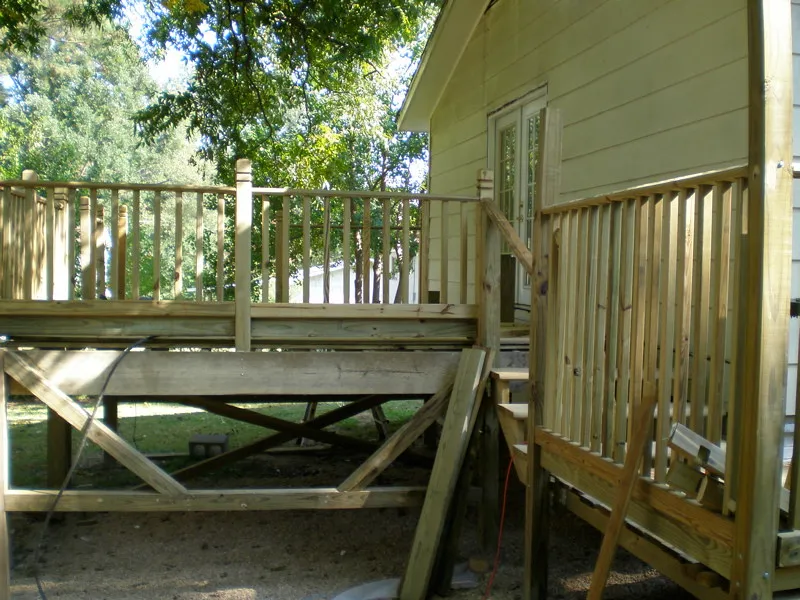
Not meeting the minimum railing height requirement is one of the most frequent code violations found during home inspections. It sounds like a minor oversight, but it isn’t treated that way during a sale. When homeowners, contractors, and DIY builders skip this detail, deck railing height regulations are strictly enforced by local building authorities, and even minor deviations can result in costly violations, mandatory reconstruction, and potential liability issues.
Decks over 30 inches high require railings at least 36 inches tall with baluster gaps no larger than 4 inches to keep families safe. Many sellers genuinely don’t know their railing falls short of this standard until an inspector measures it in front of a potential buyer. That’s the worst possible moment to find out.
Wobbly Posts: The Red Flag That Kills Buyer Confidence
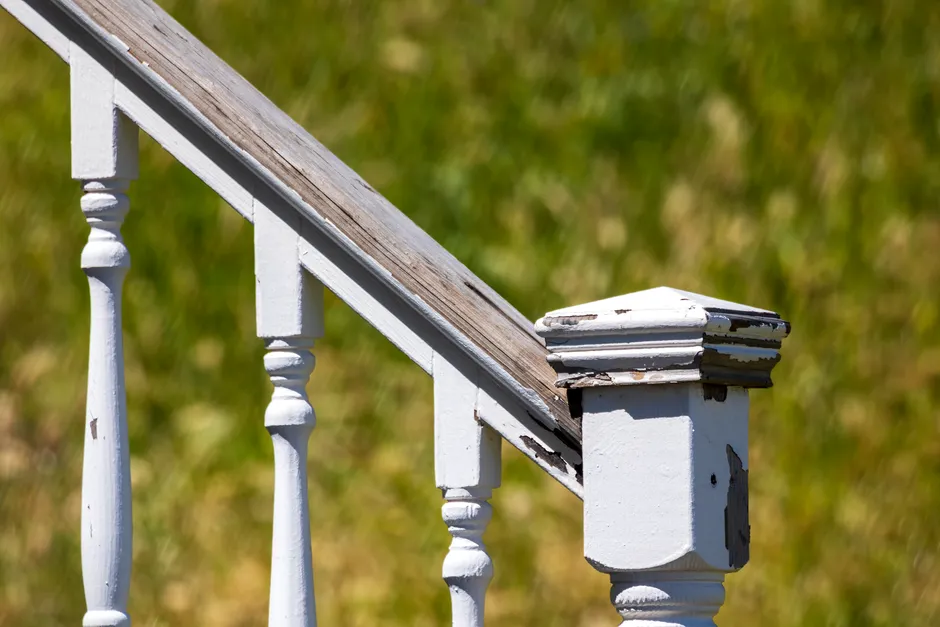
One issue that often creates concern during inspections is a railing that feels loose or unstable. Even if the deck itself is structurally sound, a shaky railing immediately catches attention. From a buyer’s perspective, it creates doubt. If the railing feels loose, they naturally begin wondering what else may have been overlooked.
Deck railings are crucial for safety, especially on elevated decks. If the railings move or feel unstable, they may not be properly secured or could be deteriorating. This is one of the top safety hazards found on decks. A wobble that feels minor to the seller reads as a structural alarm bell to someone writing a large check.
Baluster Spacing That Exceeds the 4-Inch Rule

Another common inspection comment involves excessive spacing between balusters. Inspectors often note that openings exceed the commonly accepted 4 and three eighths inch standard. This specific issue tends to appear in older decks where the original builder didn’t follow the standard, or where balusters were added later without proper measurement.
Like with deck railings in general, the gap between railing balusters cannot exceed 4 inches. Additionally, the triangular gap formed between stair treads, risers, and railings cannot be larger than 6 inches for safety reasons. Both are easy to miss during casual visual checks, and both are flagged on nearly every inspection report for older decks.
Improper Post Anchoring: The Hidden Structural Problem
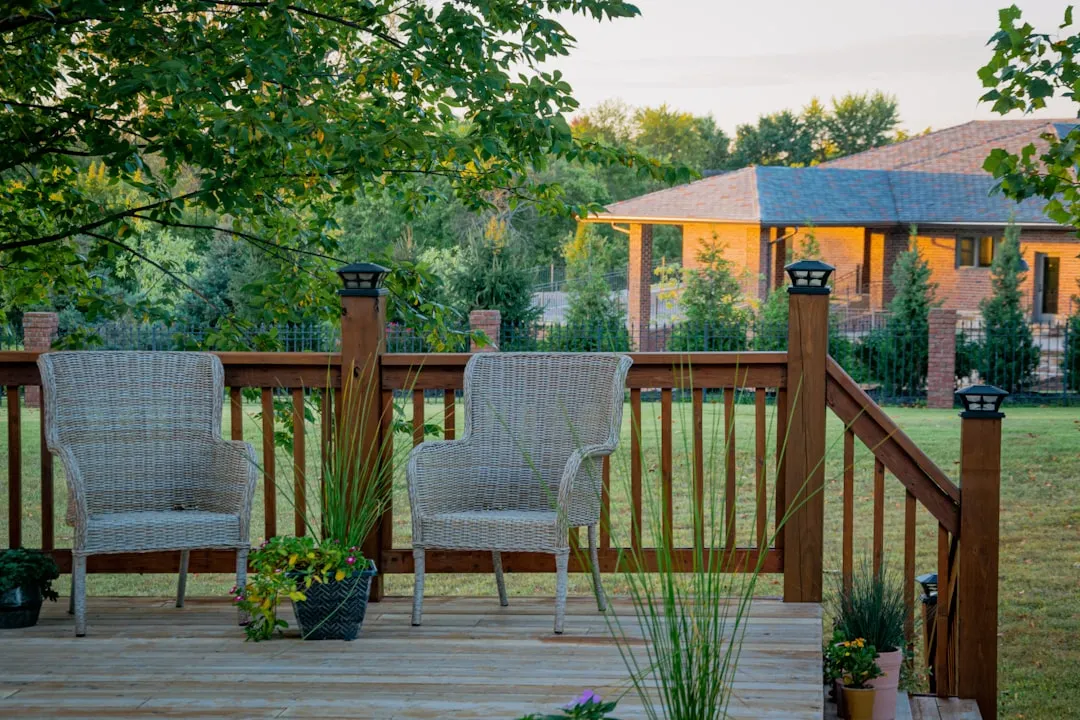
Common code violations found during deck railing inspections include excessive baluster spacing, insufficient guard height, improper post anchoring, and use of non-approved materials. Of these, improper post anchoring is the one most likely to escalate costs because it points to a structural flaw, not just a cosmetic one.
One frequent problem is when notched 4×4 railing posts sit on top of the rim joist. Current code requires that railing posts be built into the frame, including blocking at the base of the post to ensure a sturdy connection. Insufficiently anchoring the railing posts can compromise the structural integrity of the railing as a whole. This kind of repair isn’t quick and rarely comes cheap.
Stair Railings That Don’t Meet Graspability Standards

Failing to meet the height, graspability, or opening requirements for stair railings is a common oversight. Exterior stair handrails are evaluated separately from deck guardrails, yet many sellers treat them as interchangeable. They aren’t. A handrail that can’t be properly gripped by an adult is a distinct safety failure in the eyes of an inspector.
Inspectors measure spacing between balusters, riser height, and tread length, and evaluate step stringers and handrail stability. Stair construction issues are among the most commonly documented exterior safety findings, and they rarely get fixed before listing because most sellers don’t know to look for them specifically.
Wood Rot That Sellers Mistake for Surface Staining

Exposure to rain, snow, and humidity can cause wooden deck components to rot, especially if not properly sealed or maintained. Rotted posts, beams, or joists compromise structural integrity and can lead to collapse if not addressed. Many sellers see discoloration on railing posts and assume it’s weathering. Home inspectors probe those same spots and sometimes find rot that goes all the way through.
The cost of replacing deck railings rises when old posts are embedded, fasteners have seized, or rot is hidden. The cost of removing old rails, patching fascias, and upgrading anchors adds line items, especially on deck railing replacement jobs. What looked like a surface issue becomes an itemized invoice the seller did not anticipate.
The Cost Sellers Actually Pay for Railing Violations
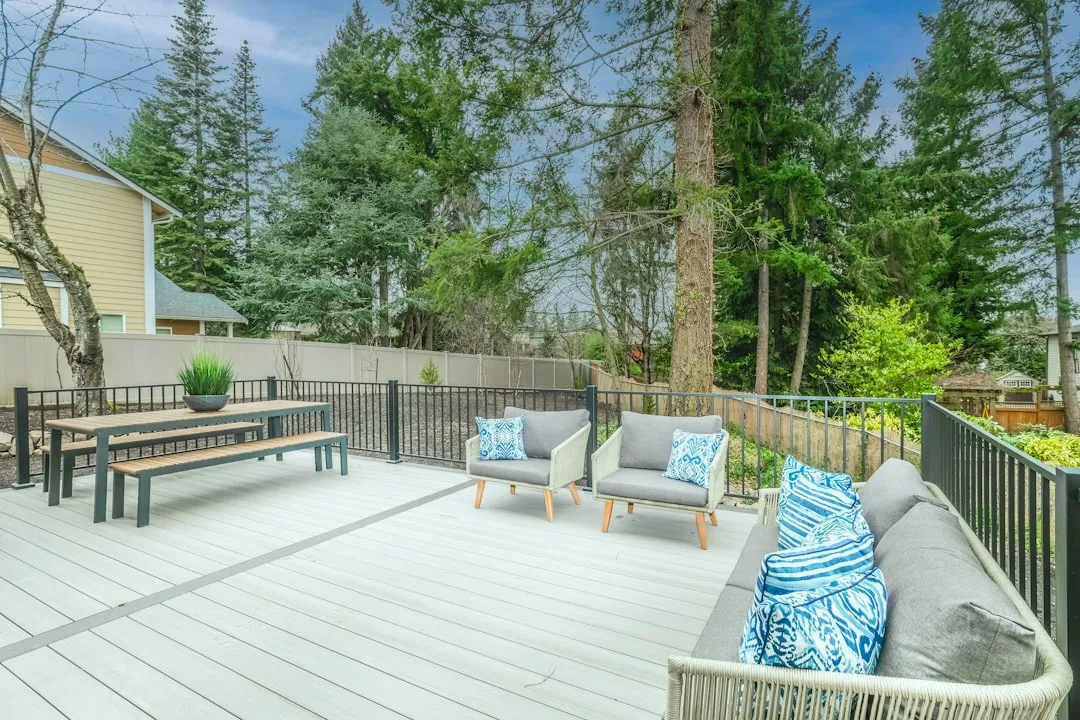
Homeowners frequently spend between five thousand and fifteen thousand dollars correcting railing violations that could have been avoided with proper planning and professional installation. Code-compliant deck construction protects your investment by preventing home inspection failures, appraisal issues, and disclosure complications during property sales. Non-compliant structures may be assigned zero value or counted as liabilities.
A deck with a compromised ledger board, rotted posts, and missing railing that needs full replacement can run fifteen thousand to thirty thousand dollars or more for a significant attached deck. Deck findings span a wide range. Surface boards that need replacement and a fresh coat of sealant might cost five hundred to fifteen hundred dollars and are maintenance items. The spread between those two outcomes is enormous, and which category applies matters deeply to the final sale price.
How Inspection Findings Turn Into Price Concessions
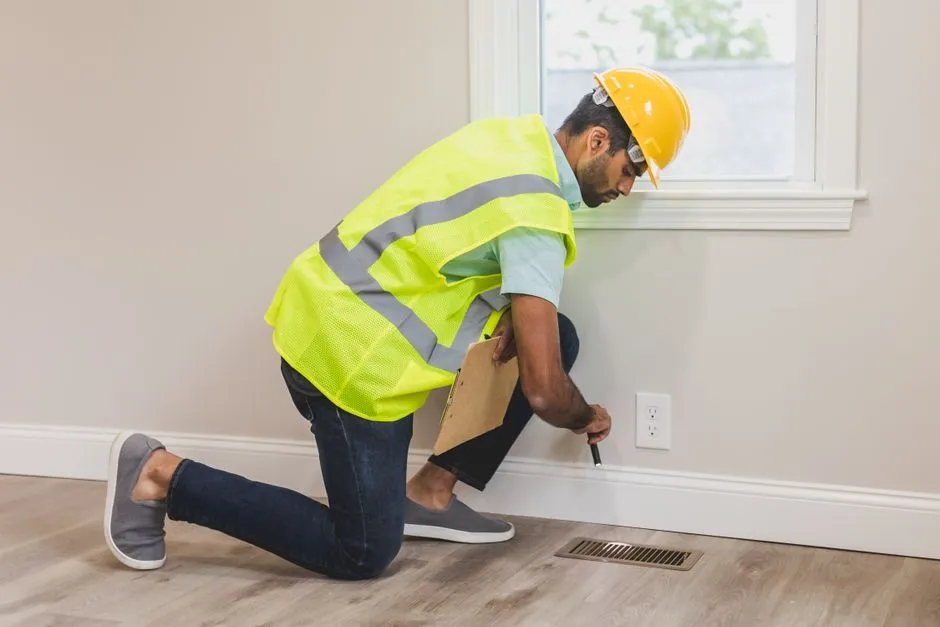
When answers aren’t available quickly, buyers often assume the worst. That’s when transactions become vulnerable to delays, credits, concessions, and renegotiations. A railing problem that might cost a seller eight hundred dollars to fix before listing can turn into a five thousand dollar credit demand once a buyer’s inspector documents it in writing.
The difference between scenarios is substantial, and inspection findings should be used to establish which category a specific deck falls into before any negotiation. When deck findings are significant, a contractor evaluation with a written scope and estimate during the contingency period is the right approach before submitting any repair request. Sellers should not negotiate around a number that has not been established. Acting before listing avoids that entire dynamic entirely.
The Older-Deck Problem That Affects Millions of Homes
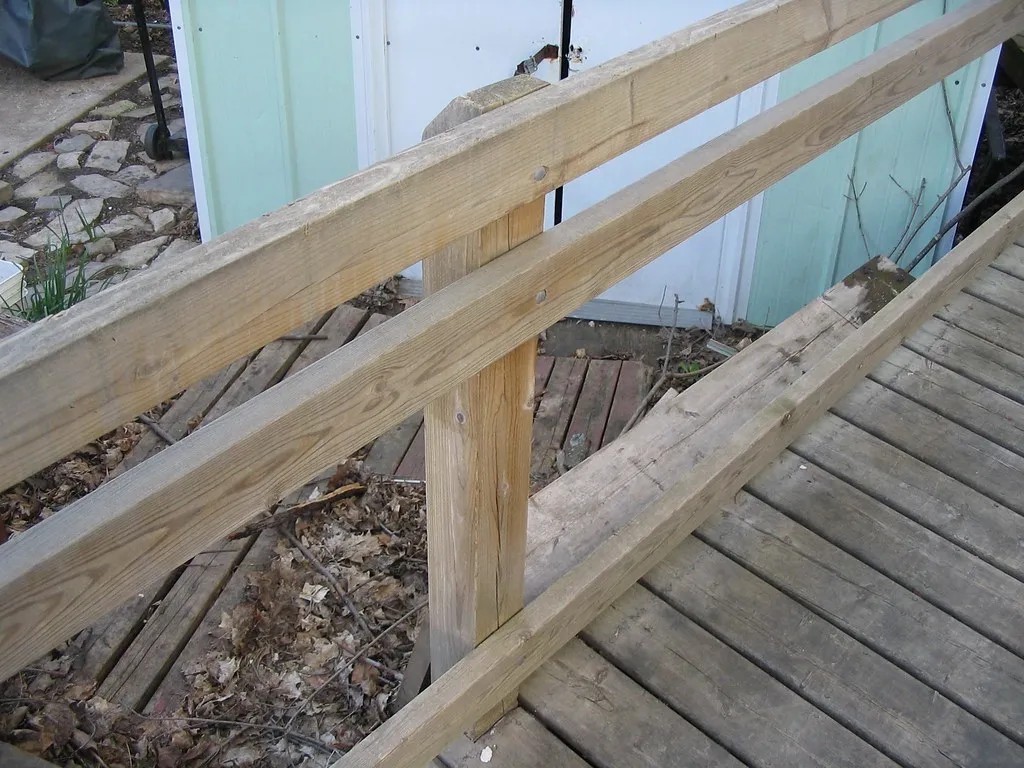
According to the North American Deck and Railing Association, roughly half of the more than 40 million decks in America were built in the early 1990s. That puts a very large share of the country’s residential decks well outside current code standards, since railing requirements have tightened considerably since then. Sellers of older homes are disproportionately exposed to this problem.
Railing height and baluster spacing requirements reflect current code. Current code requires deck railings at 36 inches for decks less than 30 inches above grade, and 42 inches for higher decks. Baluster spacing must prevent a 4-inch sphere from passing through. Many older decks have railings that do not meet current standards. These are safety deficiencies that inspectors document. They are not necessarily emergency conditions, but they are material findings on decks with significant drop heights.
What a Pre-Listing Deck Check Actually Prevents
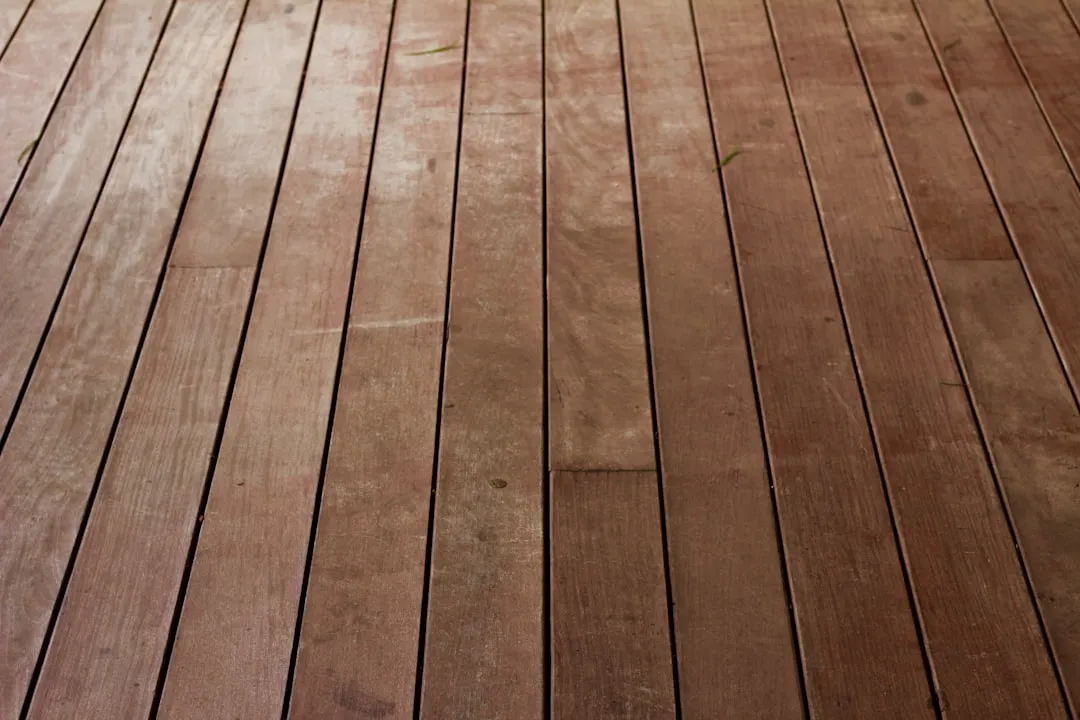
For sellers, railing defects can become negotiation issues if they are discovered late. Addressing obvious exterior safety concerns ahead of time through a pre-listing inspection may help reduce surprises during the transaction. The cost of a pre-listing deck inspection is typically a fraction of what sellers concede once a problem is flagged during the buyer’s inspection.
Sellers should consider fixing obvious leaks, loose railings, missing GFCI protection where required, rotted trim, and other safety items before photos and showings. Not every repair produces a return, but preventable inspection drama can reduce buyer confidence. A pre-listing walkthrough can help prioritize the repairs that matter most. Railing issues are reliably among the first things a pre-listing walkthrough surfaces.
A well-maintained deck with quality railing doesn’t just photograph beautifully for online listings. It also creates the kind of first impression that makes buyers willing to pay the asking price without negotiating. That outcome, a clean offer at full price, is ultimately what every seller is trying to achieve.
The Takeaway

Deck railing problems have a way of hiding in plain sight. A slight lean in a post, a faded section of baluster, a railing that gives a little when you lean on it – these feel like background details until an inspector puts them in a report. At that point, they become the entire conversation.
The sellers who come out best are those who run a simple measurement check and do a firm-hand test on every railing section before the first showing. Ignoring local building codes may result in fines, delays, and additional permit costs that compound once a transaction is already underway. A modest fix made early is almost always worth more than a negotiated concession made late.
AI Disclaimer: This article was created with the assistance of AI tools and reviewed by a human editor.