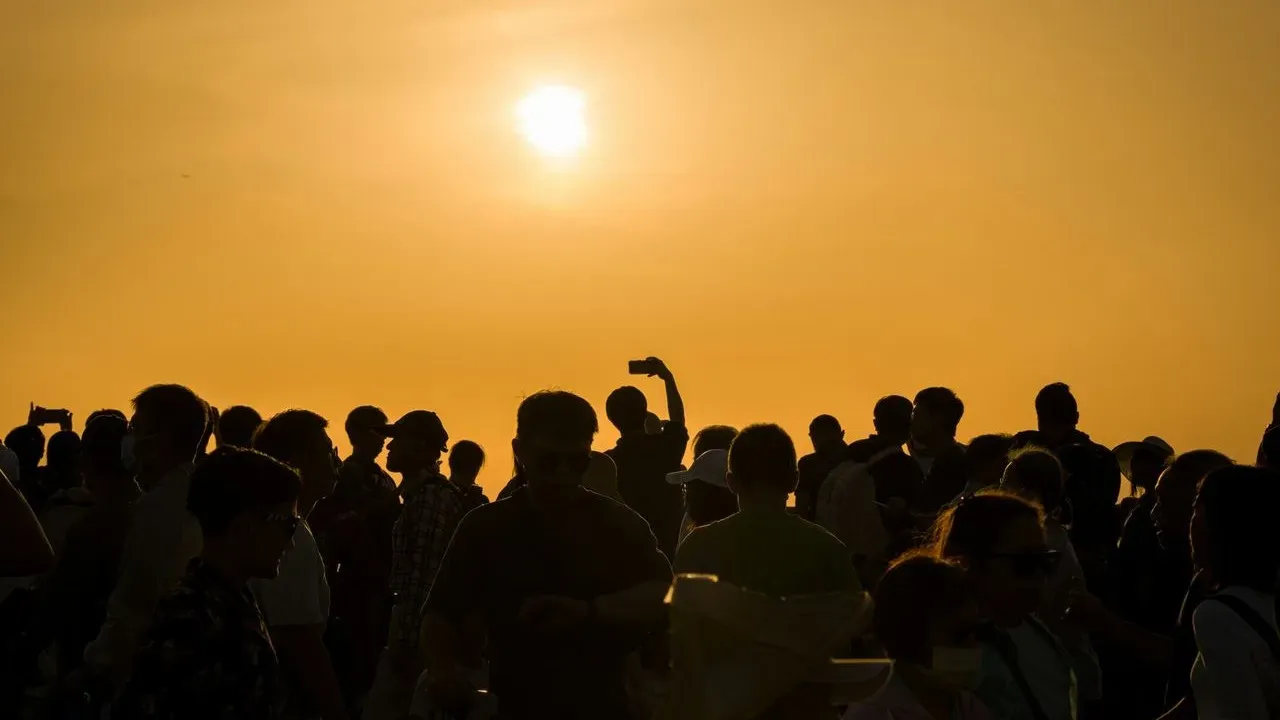

Northern and central Spain experienced a rare celestial event that turned daylight into darkness for a brief period, marking the country’s first total solar eclipse in more than a century. Millions of residents and visitors gathered in cities and towns along the path of totality to witness the phenomenon. The eclipse also offered strong viewing conditions across parts of neighboring Portugal, with additional visibility reported in remote sections of Greenland and Iceland.
Why This Eclipse Stood Out
Total solar eclipses occur when the moon passes directly between the Earth and the sun, briefly blocking its light and creating a narrow corridor of darkness on the surface below. For Spain, the timing aligned with clear skies over a wide swath of the northern and central regions, allowing observers an unobstructed view that many described as transformative.
The event carried particular weight because more than a hundred years had passed since the last comparable alignment visible from Spanish soil. Residents who had followed forecasts for months found the reality exceeded expectations, as the sudden shift from day to night created an atmosphere of quiet anticipation followed by shared wonder.
Crowds Fill Streets and Open Spaces
Public spaces in affected cities saw significant turnout as people sought the best vantage points. Families, students, and tourists positioned themselves with protective glasses or improvised viewing methods to safely observe the progression from partial phases to full totality.
The scale of participation reflected broad public interest in the natural spectacle. Local authorities noted orderly gatherings, with many participants remaining in place for the duration to experience the full sequence of the eclipse and its gradual return to daylight.
Regional Reach Across Borders
While Spain hosted the largest concentration of viewers on the European mainland, Portugal shared in the experience along overlapping sections of the eclipse path. The alignment extended further north, touching slivers of Greenland and Iceland where smaller populations also had opportunities to observe the event under favorable conditions.
This geographic spread highlighted how rare alignments can connect distant locations through a single astronomical occurrence. Observers in each area reported similar sensory details, including a noticeable drop in temperature and changes in animal behavior during the minutes of totality.
A Moment of Collective Reflection
The eclipse served as a reminder of the predictable yet awe-inspiring rhythms of the solar system. For many who witnessed it, the event offered a pause from daily routines and an opportunity to appreciate the scale of natural phenomena that unfold on predictable schedules yet feel extraordinary when experienced firsthand.
With the next comparable total eclipse visible from Spain still decades away, the recent alignment is likely to remain a reference point for conversations about sky-watching and outdoor observation for years to come. The shared memory of daylight yielding to darkness across the peninsula underscores the enduring appeal of such infrequent celestial displays.
AI Disclaimer: This article was created with the assistance of AI tools and reviewed by a human editor.