
Most gardeners who lose seeds to poor germination blame the weather, the soil, or the seed quality. Rarely do they suspect the depth. Yet planting depth is one of the most consequential decisions made at sowing time, and it’s one of the easiest to get wrong.
It doesn’t take a dramatic error. A quarter of an inch can be the difference between a strong seedling and nothing at all. Understanding exactly why that is makes this mistake very easy to avoid.
Why Depth Controls Everything From the Start
The depth at which a seed is placed in the soil is a crucial factor for successful plant cultivation, significantly influencing germination, early growth, and later development of the plant. It’s not just about how far down a seed sits. Depth governs moisture access, oxygen levels, light exposure, and how much physical resistance a young seedling has to push through before it reaches air.
Depth directly affects oxygen availability, light exposure, soil contact, and energy reserves, so deviating by even a quarter of an inch can delay emergence, reduce stand uniformity, or cause complete failure. That’s the core of it. When something goes wrong in a seedbed, depth is almost always part of the story.
The Energy Budget Every Seed Is Working With
Every seed carries finite energy reserves, in the form of endosperm or cotyledons, that fuel the embryonic shoot and root until the first true leaves begin to photosynthesize. Think of it as a battery. The seed runs entirely on that internal supply from the moment it germinates until its leaves catch sunlight.
Seedling growth and development during germination is totally dependent on energy reserves stored in the seed. With deep seed placement, the coleoptile may fail to break through the soil surface, and the first true leaf may unfurl beneath the soil surface. Once that happens, the seedling dies underground, often without any visible sign above the soil.
Germination sometimes occurs with deep burial, but seed reserves may be exhausted before the seedling reaches the soil surface, which leads to seedling death. Deep burial is more detrimental to small-seeded than to large-seeded species.
The Quiet Scale of the Problem
Research from Cornell University’s Vegetable Program confirms that consistent planting depth accounts for up to roughly two-fifths of germination variance in direct-seeded crops, even when temperature and moisture appear optimal. That number is striking. Even in otherwise well-managed beds, depth inconsistency alone is responsible for a substantial share of failed germination.
A 2022 field trial across 14 home gardens showed that uniform depth improved first-week emergence by more than two thirds for carrots and radishes compared to haphazard sowing. Uniformity, not perfection, was the key factor. Seeds placed consistently at the right depth vastly outperformed seeds scattered at varying depths in the same soil.
When Planting Too Deep Is the Mistake
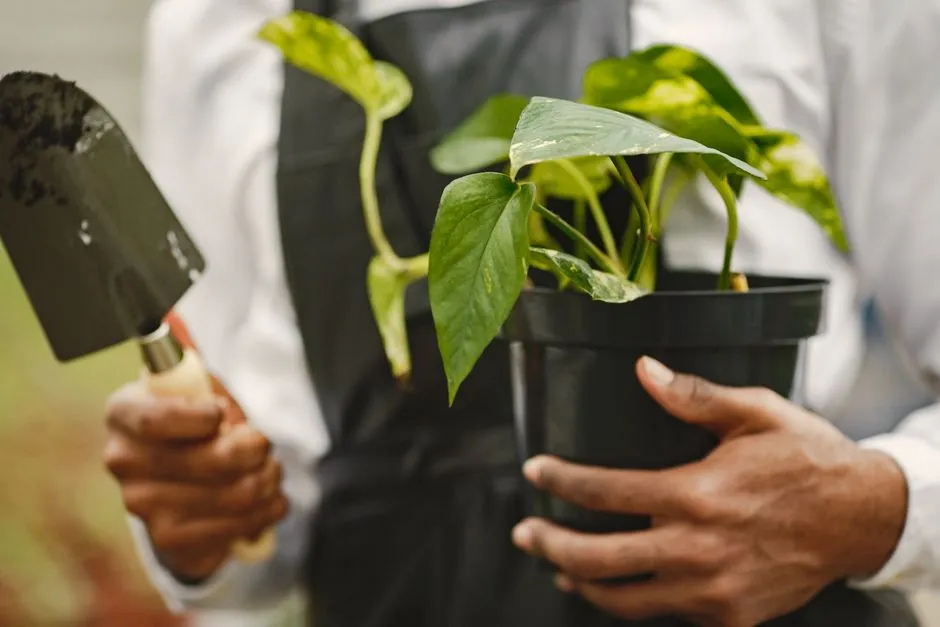
Poor emergence is often attributed to improper seeding depth. Seeds planted too deeply without adequate carbohydrate reserves cannot emerge through soil crusts, or high CO₂ levels suppress germination levels. This is the more common home gardening error. People assume deeper means safer, more sheltered, more moisture. Sometimes it means none of those things.
If mesocotyl elongation is insufficient due to deep planting or poor quality shriveled seed, the first leaf may be unfurled beneath the soil surface and the seedling will perish. The seedling doesn’t stall or pause. It keeps growing in the dark until its fuel runs out, then it’s simply gone.
Research on corn revealed optimal planting depths between two and four centimeters yielded highest emergence rates, while depths beyond six centimeters resulted in delayed emergence and lower overall germination percentages. Even for a large, vigorous seed like corn, the margin for error is real.
When Planting Too Shallow Is the Mistake
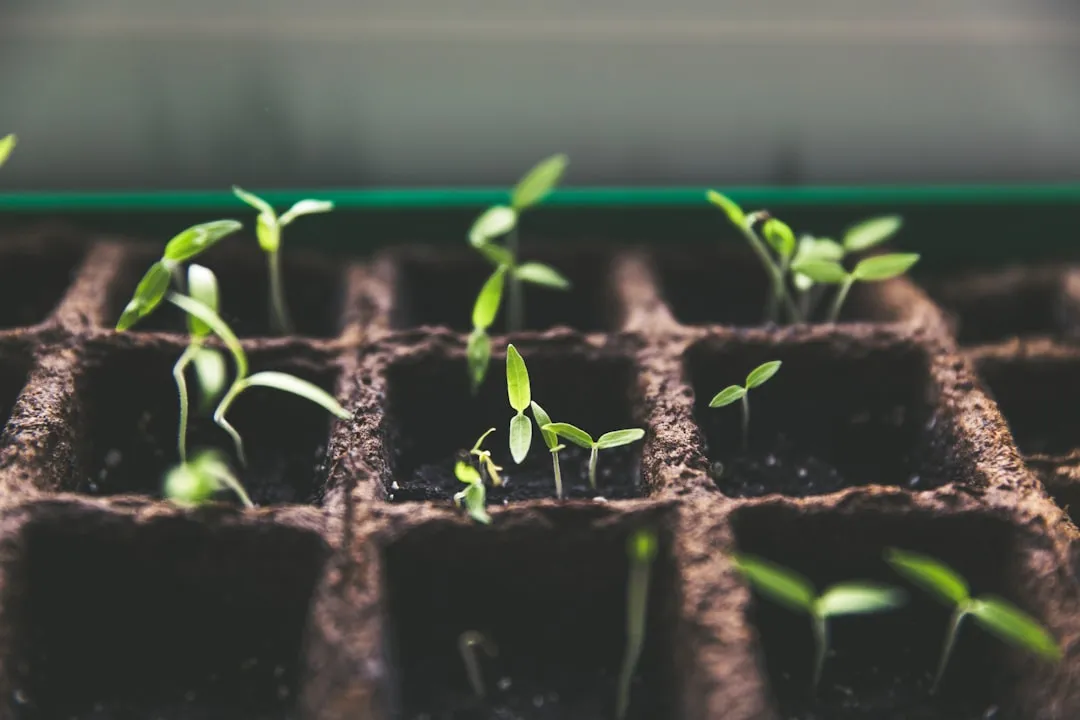
Seeds planted too shallow often desiccate or are lost to animal predation. Shallow placement carries its own risks. A seed that never dries out will usually germinate. One sitting just below the surface during a dry, breezy day may lose its moisture window before roots can form.
Shallow-sown seeds dry out rapidly in warm, breezy conditions. Deeper placement taps into more stable moisture, but only if the soil is well-draining. In poorly drained beds, excessive depth invites rot. The balance here is real. There’s no single answer that covers every bed and every season.
Light-Sensitive Seeds: A Completely Different Problem

A study on lettuce found that seeds sown on the surface or lightly covered had over ninety percent germination, while those buried deeper than half a centimeter had significantly reduced emergence due to light sensitivity. For these species, standard planting intuition will fail every time.
Small seeds use light as a trigger to germinate because, if planted too deep, their food stores will be exhausted before their shoot breaks ground. If the seed can register light, it knows that it is at a shallow enough depth for its first leaves to make it above ground. This is an elegant evolutionary mechanism, though one that catches many gardeners off guard.
Light-sensitive germination is controlled by photoreceptors called phytochromes, which change depending on their exposure to light. Lettuce, petunia, and coleus all depend on this system. Covering them, even lightly, can block enough light to prevent germination entirely.
The Role of Soil Type in Making Depth More Complicated
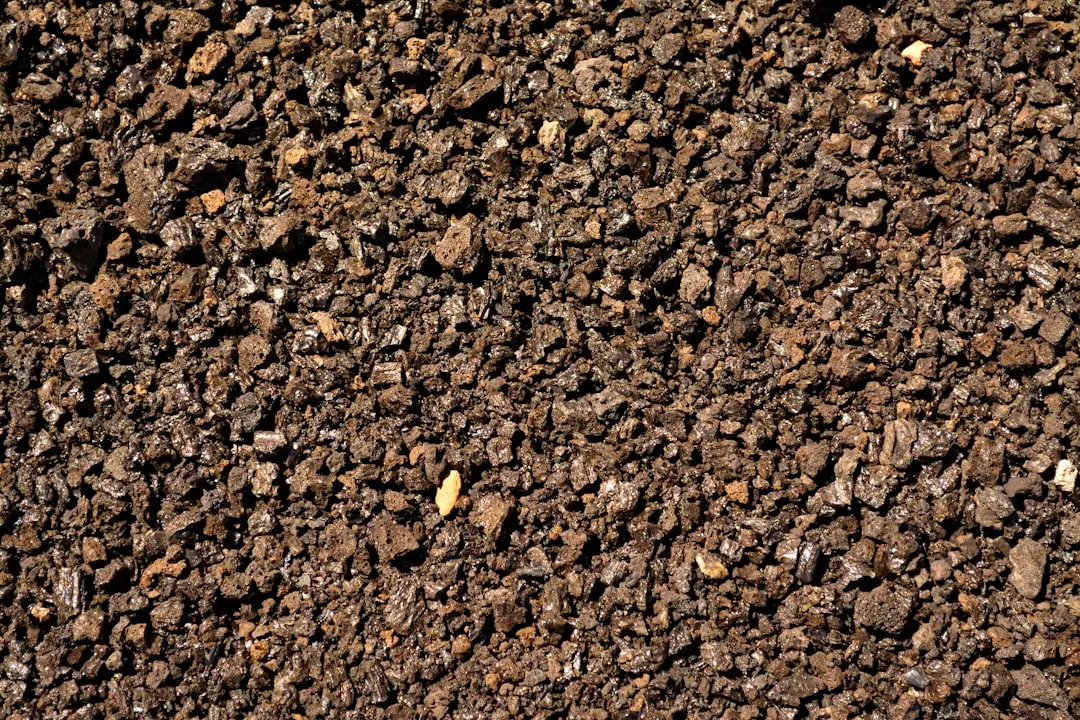
Emergence can also be affected by soil type, especially as it relates to soil texture and its effects on surface crusting and water relations. This seems particularly true for small-seeded species. Clay soil and sandy soil are not interchangeable environments. A depth that works perfectly in one will often fail in the other.
Small-seeded species may not have the energy, meaning carbohydrate reserves, to penetrate through clay soil crust but may emerge successfully in a more porous sandy soil. This is why a gardening tip that works for your neighbor, whose soil type differs from yours, may not translate directly to your beds.
In dry climates or seasons, planting slightly deeper allows access to consistent moisture. In wet conditions, shallower sowing reduces the risk of rot and oxygen deprivation. Adjusting a little based on current conditions is a practical habit worth building.
The General Rule and Where It Applies
Plant seeds at a depth equal to two to three times their largest dimension, typically a quarter inch for tiny seeds like lettuce and basil, half an inch for medium seeds like beans and zinnias, and one to one and a half inches for large seeds like pumpkins and sunflowers. This is the most widely cited guideline, and it holds well across most common garden plants.
Seeds should be planted at a depth of two times the width or diameter of the seed. For example, a seed that is about one sixteenth of an inch thick should be planted about one eighth of an inch deep. Precise, but achievable. A small ruler or even a consistent finger depth marker is enough to get close.
The two-to-three-times-seed-width guideline applies to the vast majority of garden species and serves as a reliable starting point. It won’t cover every exception, but it will prevent most of the serious depth errors that kill seedlings before they ever emerge.
What Inconsistent Depth Actually Looks Like in Practice
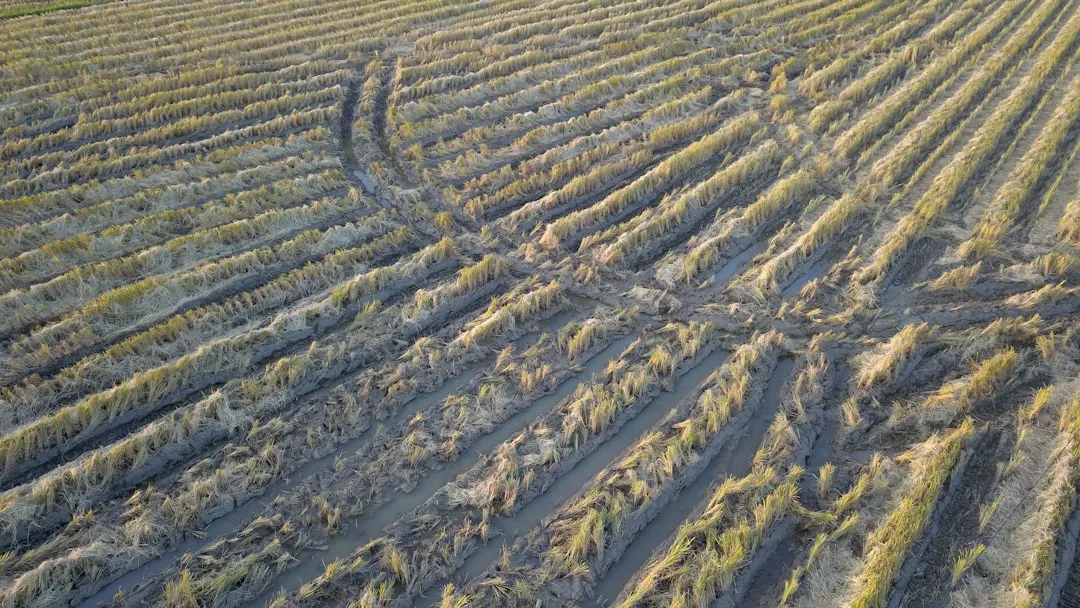
When depth is wrong, seeds may not sprout at all, or will rot before reaching the surface. Seedlings may become leggy or yellow as they struggle to reach sunlight. Young roots may get oxygen-starved in dense soil. The signs are easy to misread. A gardener might assume the seed batch was bad, or that a pest is to blame, or that the soil just needs more amendments.
Incorrect sowing depth can lead to stunted growth, crop losses, or even complete crop failure. The frustrating part is that none of these outcomes give a clear visible diagnosis. You don’t see the seeds that never woke up. You just see the empty bed.
Practical Steps to Get Depth Right Every Time
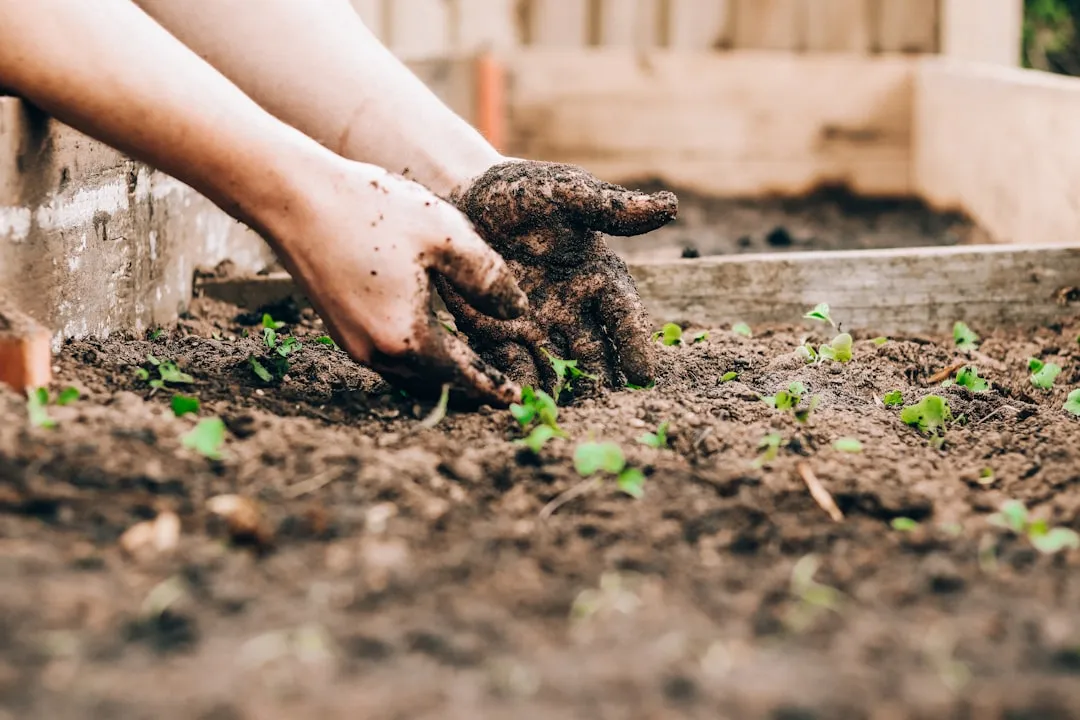
Preparing the seedbed properly is essential. Ensuring loose soil allows easy root penetration, and avoiding crusted surfaces helps emergence regardless of depth. Loose, crumble-textured soil is far more forgiving than compacted ground when depth is slightly off.
Use a small ruler or your finger joint as a depth guide, since the first knuckle is roughly one inch. Press gently, and don’t compact the soil over seeds. Soil that is packed down too firmly after sowing creates mechanical resistance that even a well-placed seed may not be strong enough to push through.
Firm the bed gently after sowing so soil contacts the seed well without compacting it too much. Always consult your seed packet for specific recommendations, as some varieties may differ in their requirements. Seed packets are the fastest, most species-specific reference available. They’re underused.
Final Thoughts
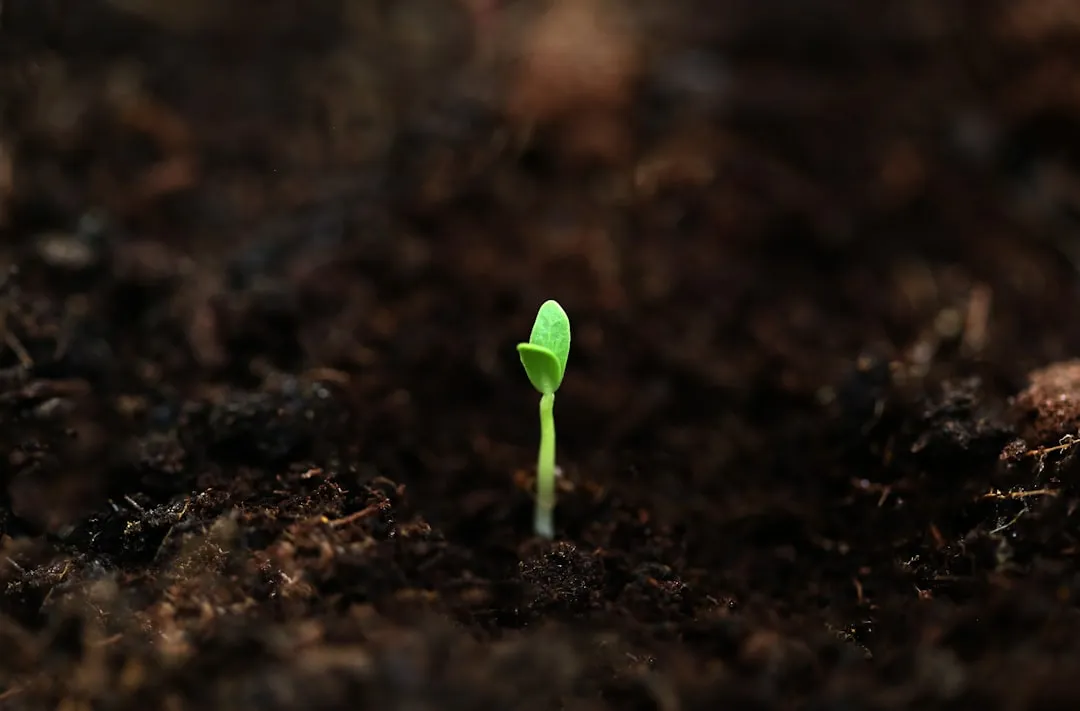
Seed depth is one of those details that feels almost too minor to matter until the bed stays empty. The research and the biology both point to the same conclusion: depth isn’t incidental, it’s foundational. Seed depth isn’t arbitrary. It’s a precise physiological requirement shaped by evolution.
The quarter-inch mistake, planting just a little too deep because it felt more secure, accounts for a surprising share of failed germination in home gardens. Getting it right doesn’t require special tools or advanced knowledge. It just requires slowing down, measuring once, and respecting the small but decisive window every seed needs to reach the light.
AI Disclaimer: This article was created with the assistance of AI tools and reviewed by a human editor.