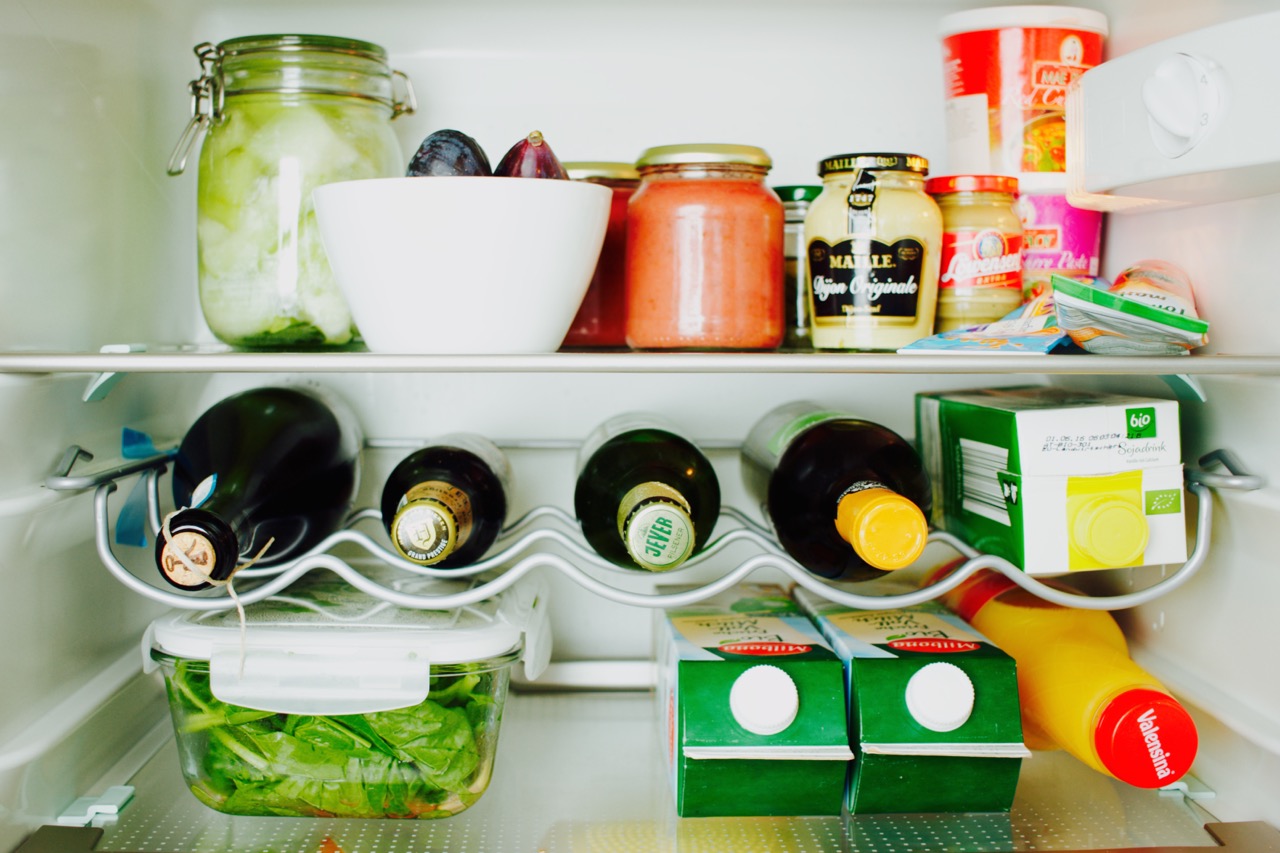

Most people open their refrigerator, slide produce into the bottom drawer, and move on with their day. The little slider on the front of that drawer, the one labeled “high” and “low,” usually stays wherever it was set at the factory. That’s the problem.
That small control is actually doing something meaningful, and ignoring it is one of the most common reasons vegetables wilt ahead of schedule and fruit turns soft before it’s ever eaten. Understanding how it works takes less than five minutes, and the payoff in fresher produce can be significant.
The Drawer Isn’t Just a Bin
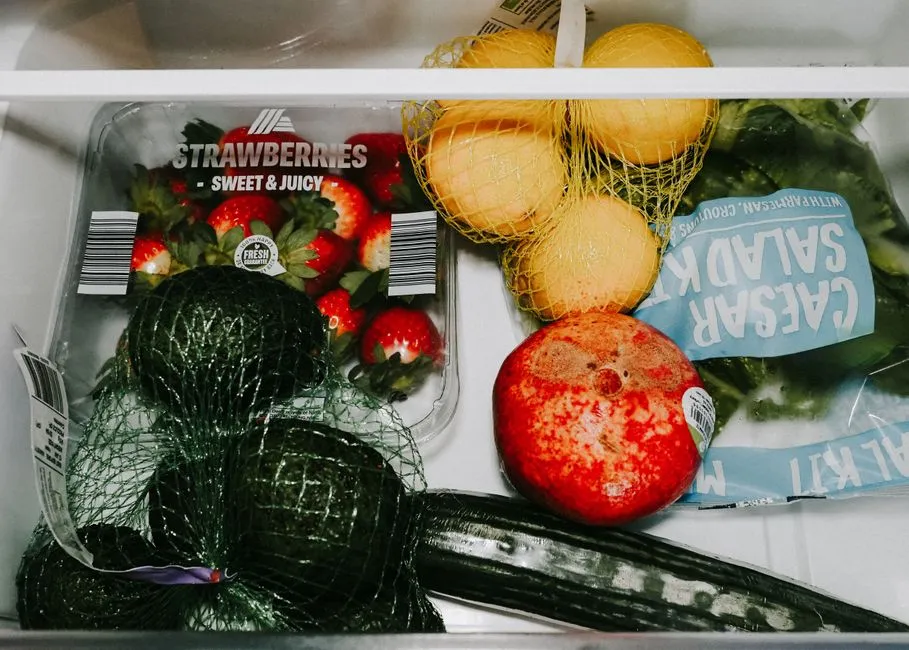
Crisper drawers work by controlling airflow and, as a result, exposing food items to different levels of humidity in your refrigerator to create the optimal storage environment for your fresh produce. That’s a more sophisticated job than most people give it credit for. Most people treat their crisper drawers like fancy vegetable bins, but they’re actually precision humidity chambers designed to create specific moisture levels that either accelerate or slow produce decay.
Crisper drawers operate by creating an environment of greater humidity than the rest of the refrigerator, and many have a separate humidity control which closes or opens a vent in the drawer. That vent is the whole game. Moving the slider opens or closes it, changing how much moist air stays trapped inside.
High Humidity: What It Actually Means
When a high humidity setting is chosen, crisper drawers restrict the flow of air to the bin, trapping moisture released by your produce and creating a more humid environment, ideal for fresh produce like thin-skinned vegetables prone to wilting, such as lettuce, broccoli, cucumbers, and leafy greens. The science behind this is fairly direct. High humidity settings, reaching roughly 90 to 95 percent relative humidity, slow water loss through transpiration, keeping leafy greens crisp and preventing wilting.
Think about how the produce section at your grocery store keeps greens looking fresh. For leafy green vegetables and other items prone to wilting or moisture loss, a high humidity setting is recommended, and this setting is ideal for produce typically stored under water spritzers at supermarkets. Your drawer can replicate that environment, if you set it correctly.
Low Humidity: When You Need the Vent Open
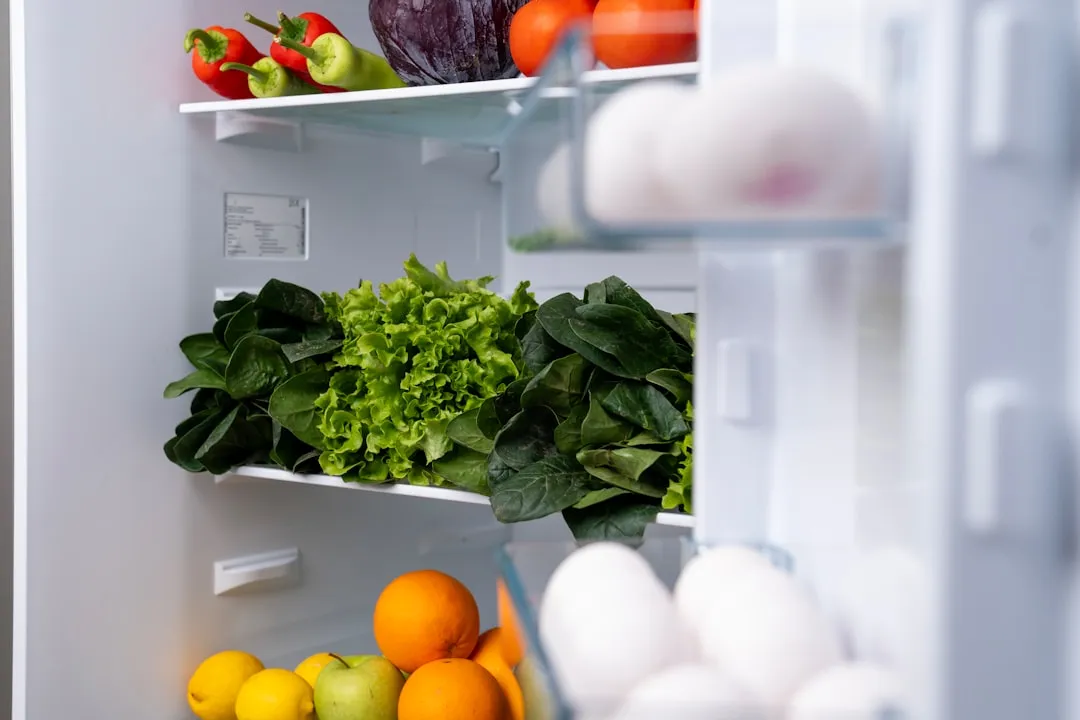
With a low humidity setting, fridge drawer contents are exposed to the outside air as moisture escapes, creating an ideal environment for storing ethylene-emitting fruits prone to rotting or pitted fruits, such as apples, pears, and melons. This might sound counterintuitive. Why would you want less moisture around fruit?
Low humidity settings, at around 65 to 75 percent relative humidity, allow ethylene gas to escape, preventing premature ripening in sensitive produce. Without that ventilation, the gas builds up inside the drawer and speeds up the rotting process considerably. As fruits ripen, ethylene gas gets released, and setting your crisper drawer to a low humidity level allows these gases to escape from the drawer and helps to prevent your produce from ripening or rotting too quickly.
The Ethylene Problem Most People Don’t Know About
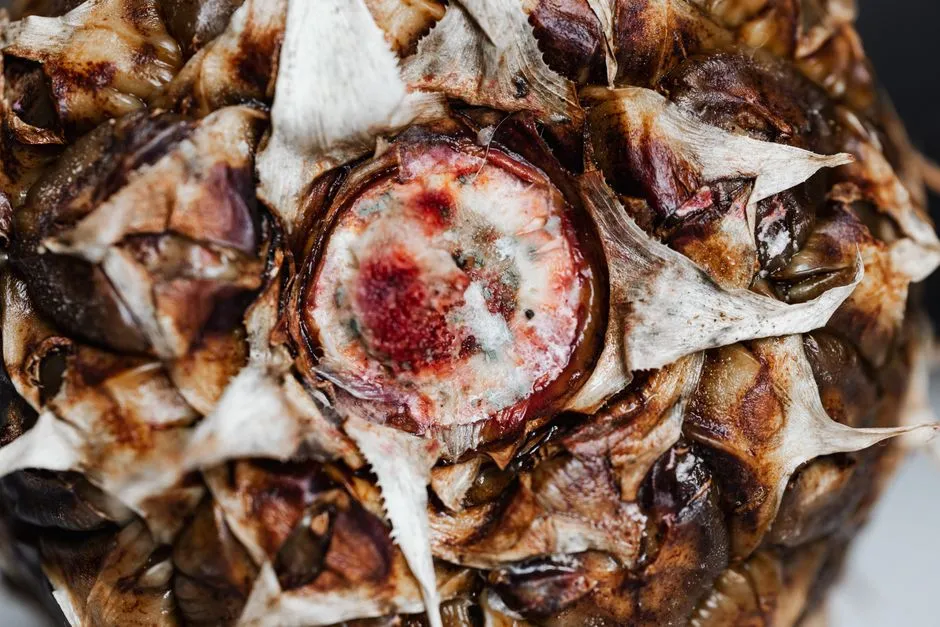
Produce respiration drives everything that happens in your crisper. Even after harvest, fruits and vegetables continue to breathe, taking in oxygen and releasing carbon dioxide, water vapor, and ethylene gas, and the rate of this respiration determines how quickly your produce deteriorates. Ethylene is essentially a ripening signal. It’s natural, but in a sealed drawer, it becomes a problem.
Many fruits release ethylene gas, which can speed up ripening and spoil nearby vegetables. Research from University of Minnesota Extension on ethylene and fruit ripening shows that proper ethylene management can double the storage life of many fruits. That’s not a marginal improvement. That’s the difference between produce that lasts a few days and produce that lasts well over a week.
The Wrong Mix Is a Bigger Issue Than the Wrong Setting
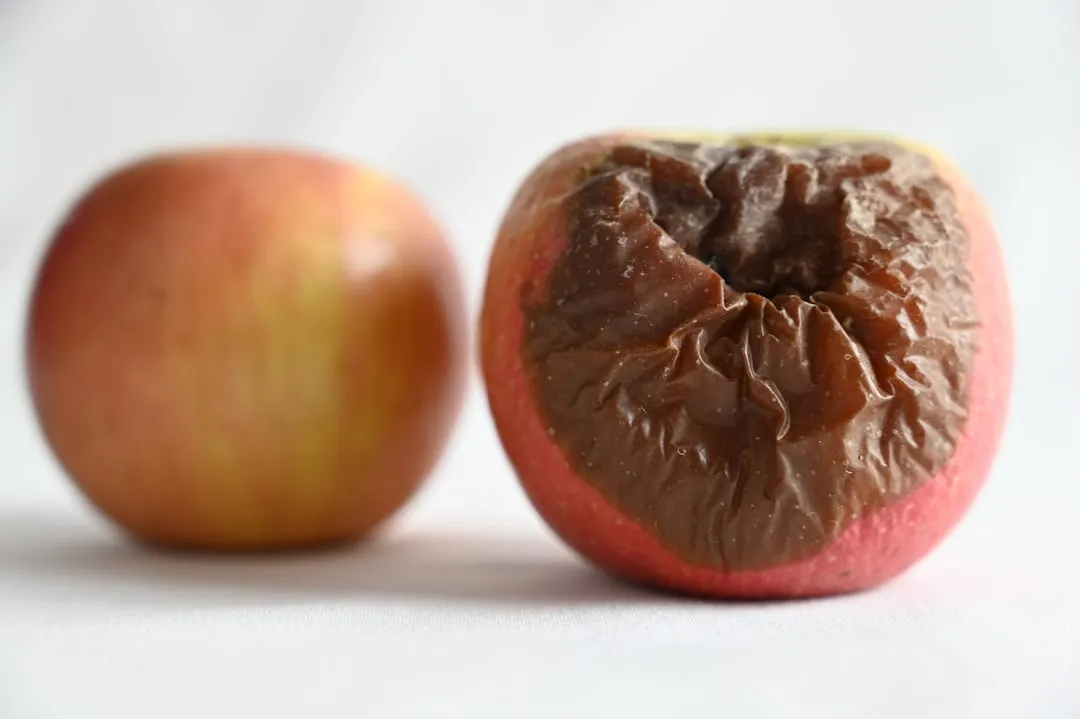
Even people who get the humidity setting right often make a quieter mistake: mixing ethylene-sensitive vegetables with ethylene-producing fruits in the same drawer. When storing fresh produce, keep fruits separate from vegetables, as some fruits and vegetables emit ethylene gas which speeds ripening of produce.
Low humidity drawers vent moisture out, which is what high-ethylene fruits like apples and pears need to avoid rotting from trapped condensation. Put your spinach in the wrong drawer and it dehydrates in three days instead of lasting ten. That’s a practical illustration of what a misplaced setting or a mixed drawer actually costs you.
Apples Deserve Their Own Space
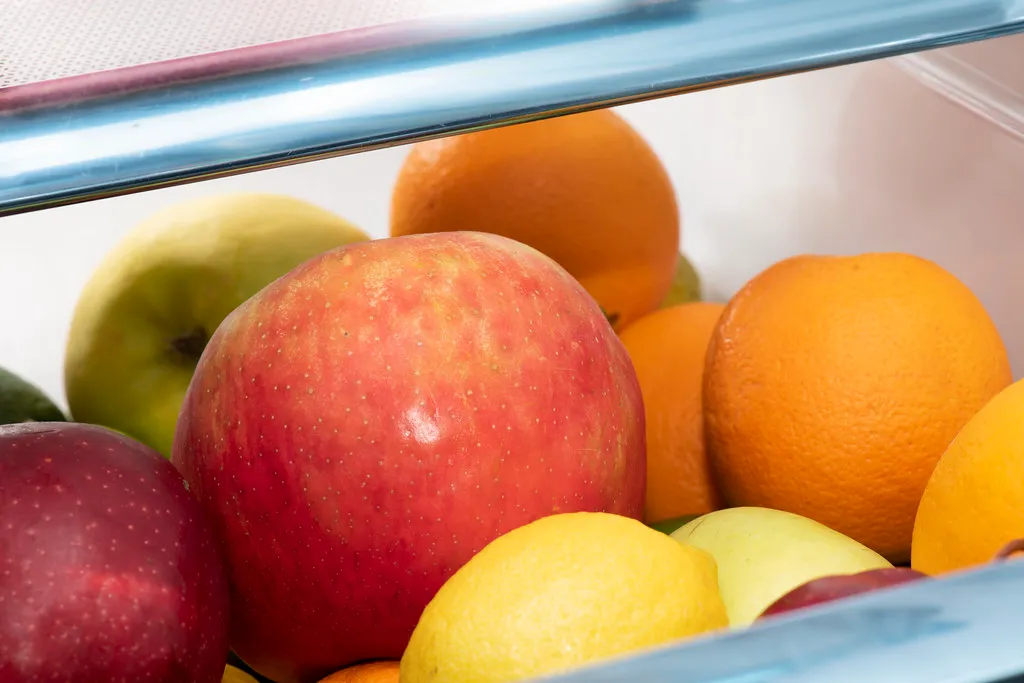
Apples last four to six weeks in the fridge crisper drawer, while at room temperature they last only one to two weeks before getting mealy. That’s a substantial difference in shelf life driven almost entirely by where and how you store them. The crisper setting matters too.
Apples release ethylene gas that accelerates ripening and spoilage in nearby produce. Produce that can easily rot, including avocados, apples, pears, and other pitted fruits, should be stored in a low humidity setting to allow moisture and air to flow freely from the bin. Keeping apples in a high humidity drawer traps their ethylene output and can quietly compromise everything else stored near them.
Some Produce Doesn’t Belong in the Drawer at All
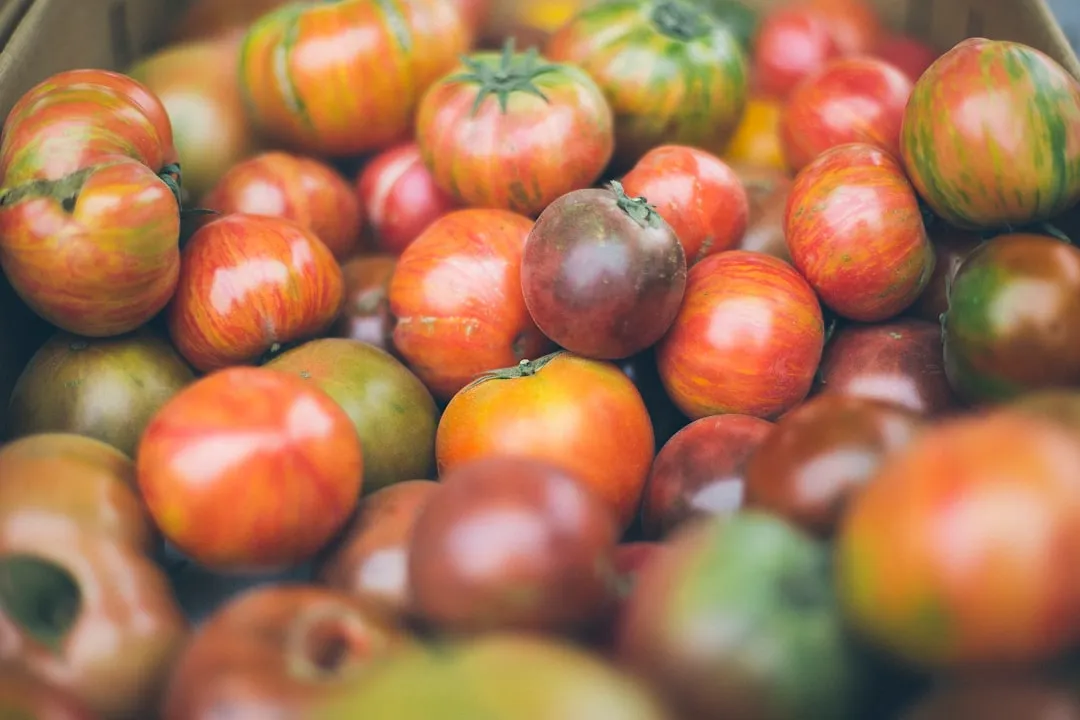
Tomatoes deserve special mention. Refrigeration damages cell walls and reduces flavor compounds. Store them on the counter until fully ripe, then move to the low humidity drawer if you must extend storage, and use them within two to three days for best quality. Putting unripe tomatoes straight into the drawer is one of the most common storage mistakes made in everyday kitchens.
Avocados follow a two-stage process: ripen at room temperature until they yield to gentle pressure, then refrigerate in the low humidity drawer to halt ripening, which can extend usability by three to five days. The drawer isn’t a first stop for these items. It’s a finishing move.
How Full the Drawer Is Also Matters
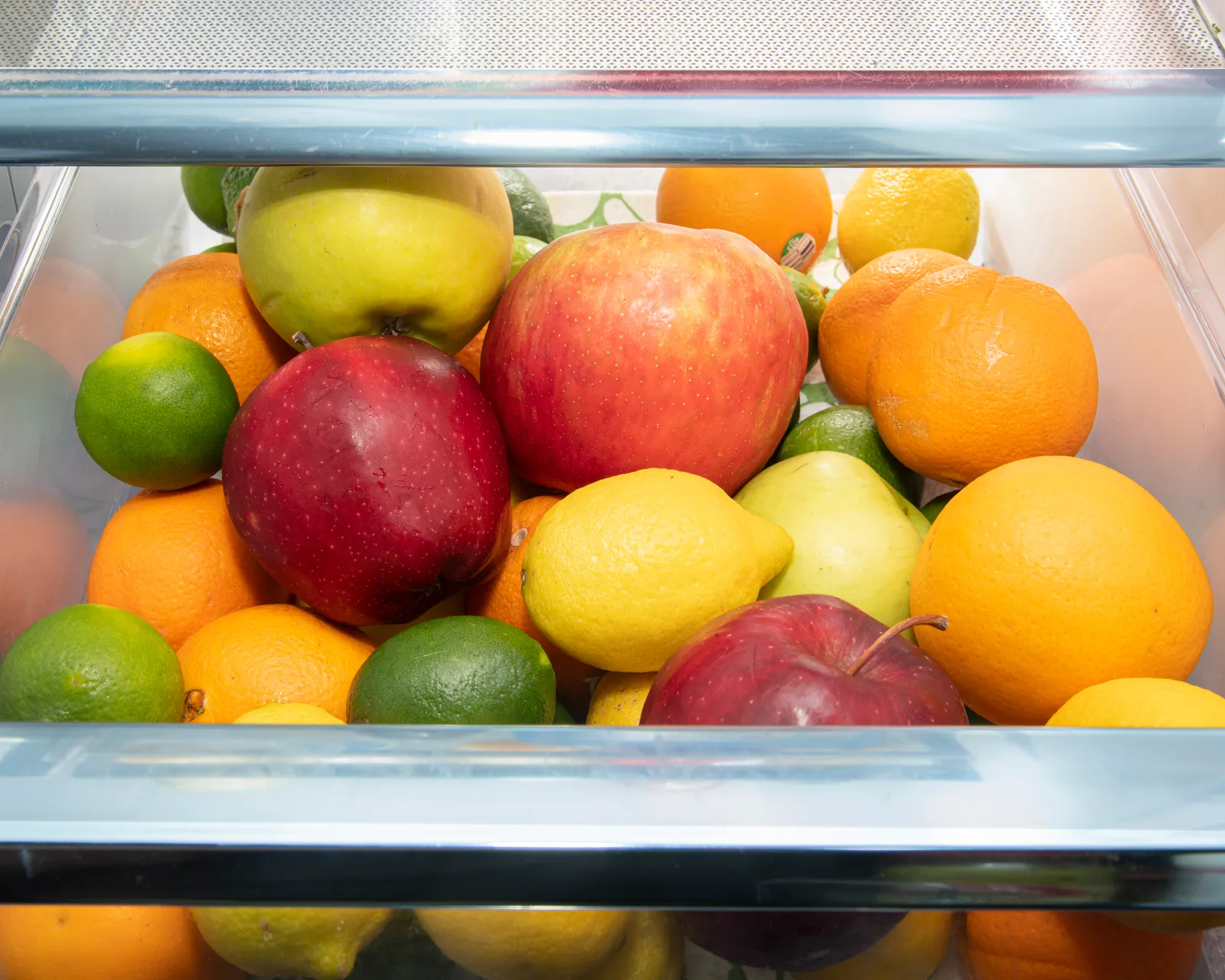
Humidity management doesn’t work well in a completely empty drawer or an overstuffed one. There’s a sweet spot for drawer density: a high humidity drawer should be about two thirds full to effectively trap moisture generated by the produce. Pack it too tight and airflow suffers. Leave it nearly empty and the moisture never builds up properly.
Using bottom compartments for random groceries or overstuffing them can lead to premature rotting and mold growth, wasting valuable climate-controlled space. A drawer that’s crammed with leftovers or random condiment overflow isn’t doing what it was designed to do. That space is worth protecting.
Visibility Is an Underrated Factor
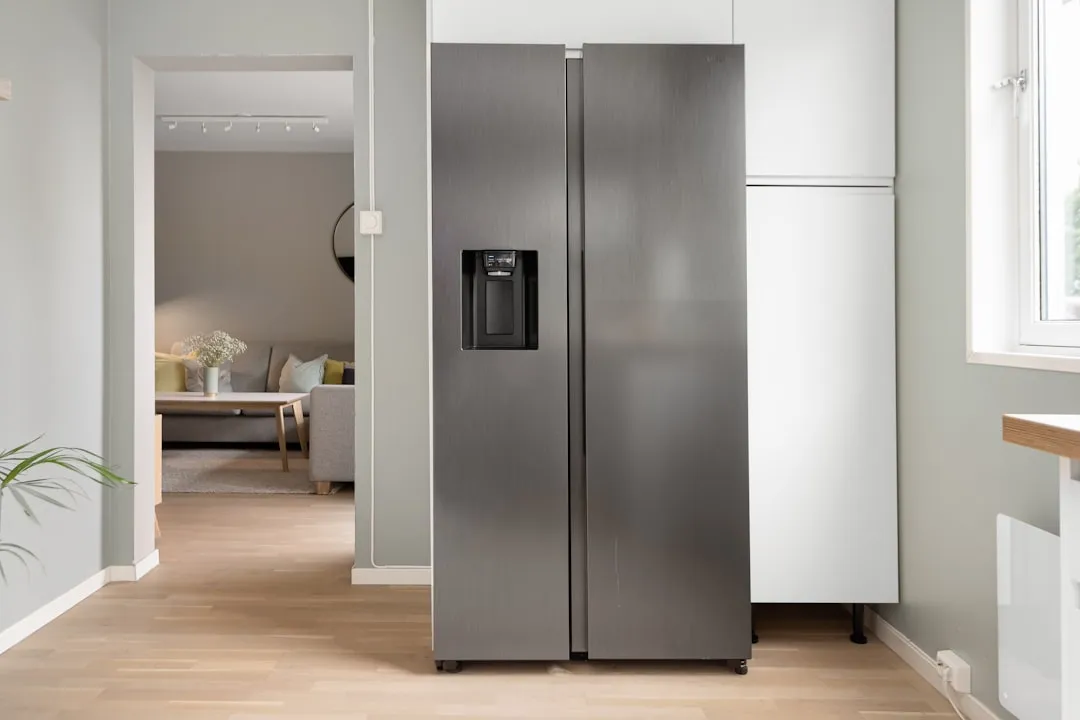
A crisper drawer is opaque by design in most fridges. If you cannot see what is in there, you cannot use it before it turns. This single factor, visibility, might be the most underrated driver of produce waste in the average kitchen. Even perfect humidity settings don’t help if the broccoli is buried under a bag of grapes and forgotten by Tuesday.
A simple practice of organizing the drawer so the items you need to use soonest sit visibly at the front makes a real difference. Regularly cleaning the compartments and organizing fresh foods based on their specific needs can significantly extend the lifespan of your groceries and save money in the long run.
The Food Waste Connection Is Real
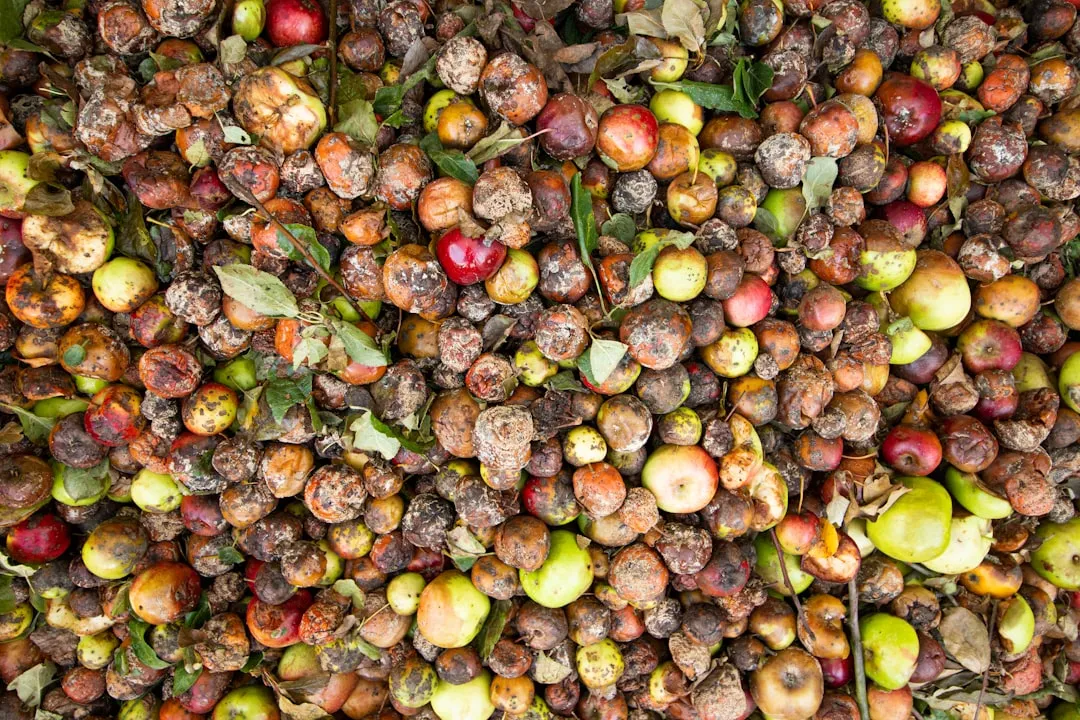
In the United States, food waste is estimated at between 30 and 40 percent of the food supply, based on USDA estimates of about 31 percent food loss at the retail and consumer levels. A meaningful share of that waste happens at home, in kitchens where produce was bought with the best intentions and then quietly went bad. Statistics show that the average American wastes about $421 worth of groceries per year, and most of it is due to improper storage.
In June 2024, the United States released the National Strategy for Reducing Food Loss and Waste and Recycling Organics, laying out a path to meet the national goal of reducing food loss and waste by 50 percent by 2030. That kind of policy ambition is fine, but one of the most direct levers available to households is also one of the most overlooked: using the crisper drawer correctly.
Final Thoughts
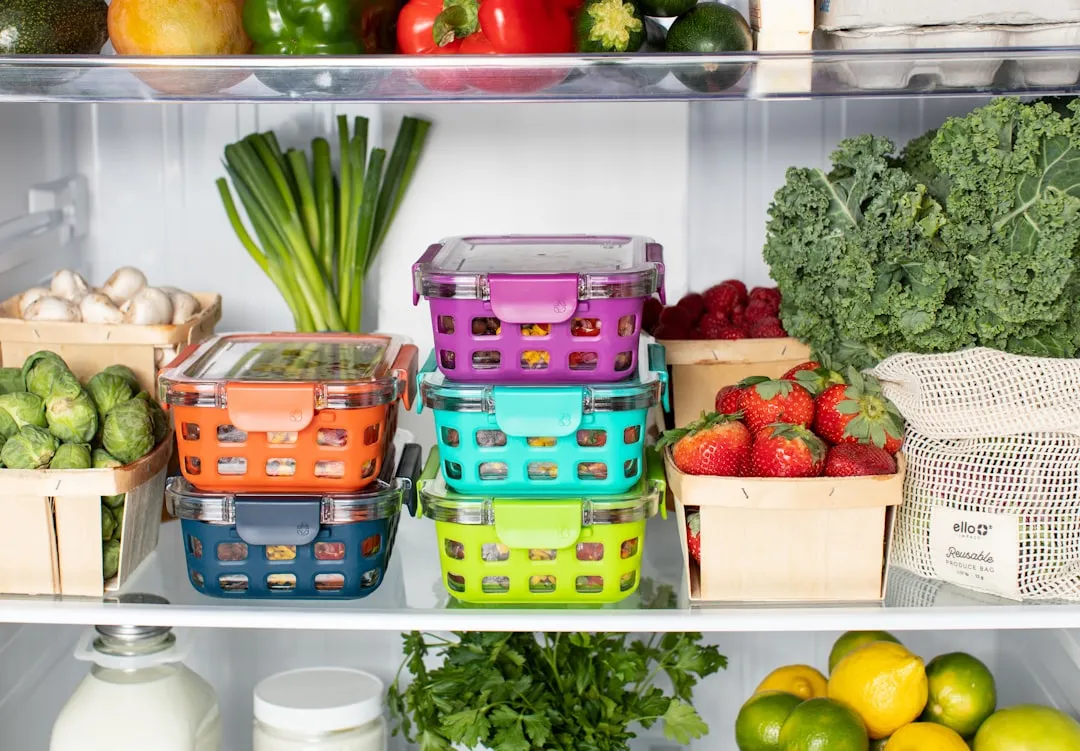
The produce drawer setting is one of those small details that compounds quietly over time. Get it right and your leafy greens last longer, your fruit doesn’t rush to rot, and you throw out noticeably less food each week. Get it wrong and the drawer becomes little more than an expensive compost container.
Crisper drawers help control airflow and humidity levels, which directly impacts how long fruits and vegetables stay fresh, and learning how to use your refrigerator efficiently can save money, reduce food spoilage, and help your produce taste better. That slider on the front of the drawer isn’t decorative. It’s doing real work, and it works best when you tell it what you’re storing.
AI Disclaimer: This article was created with the assistance of AI tools and reviewed by a human editor.