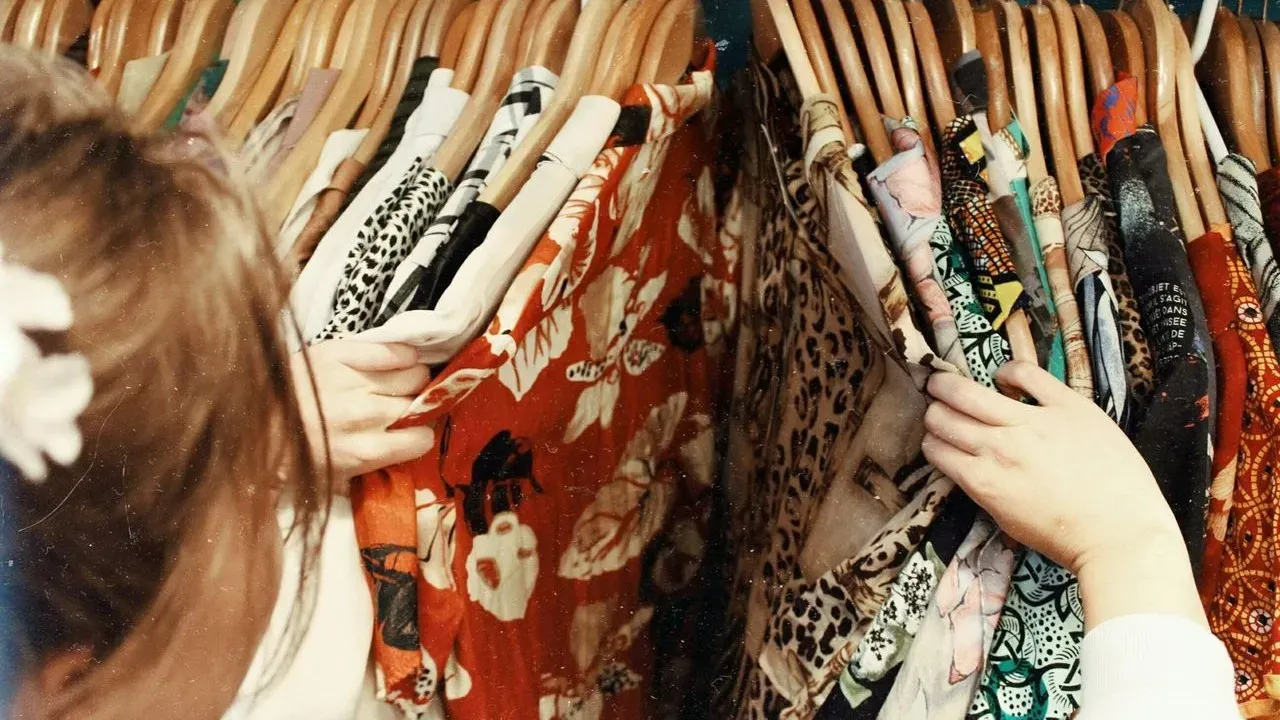

When household budgets face pressure during the back-to-school season, many shoppers turn to local thrift stores in search of reliable options. Professional thrifters and students report locating familiar brands at prices far below retail levels. This approach allows families to stretch limited funds while still acquiring quality clothing and supplies for the new academic year.
Why Thrift Shopping Gains Ground
Back-to-school lists often include multiple items, from everyday apparel to outerwear and accessories. Retail prices can add up quickly, prompting a shift toward secondhand outlets. Shoppers note that consistent visits help uncover pieces from recognizable labels without exceeding planned spending.
The practice appeals to those who value both economy and variety. Thrift stores rotate stock regularly, which means fresh selections appear on each trip. Students and experienced bargain hunters alike describe the process as practical rather than occasional.
Common Finds Reported by Shoppers
Participants mention locating jackets, jeans, and tops from established brands at fractions of original costs. These discoveries cover core wardrobe needs for classrooms and after-school activities. The emphasis remains on recognizable quality rather than novelty alone.
Professional thrifters often plan routes around multiple locations to increase chances of success. Students balance these outings with school schedules, treating the activity as a regular part of preparation. Both groups highlight that patience during browsing leads to better results over time.
Practical Steps for Better Results
Regular visits increase the likelihood of spotting suitable items before peak demand periods. Checking sections dedicated to specific sizes or categories helps narrow the search efficiently. Bringing a list of needed pieces keeps the focus on essentials.
Inspecting garments for condition remains important, as does trying items on when possible. Many shoppers combine thrift runs with other errands to make the most of travel time. This steady approach supports ongoing savings throughout the season.
Broader Impact on Family Budgets
Smaller outlays on clothing free resources for other school-related expenses such as supplies or transportation. Families report that repeated small wins accumulate into meaningful reductions in overall costs. The strategy fits within wider efforts to manage household finances carefully.
As the school year begins, the pattern of thrift store visits continues for many households. It offers a straightforward way to meet requirements while staying within set limits. The combination of known brands and lower prices sustains interest across different shopper groups.
AI Disclaimer: This article was created with the assistance of AI tools and reviewed by a human editor.