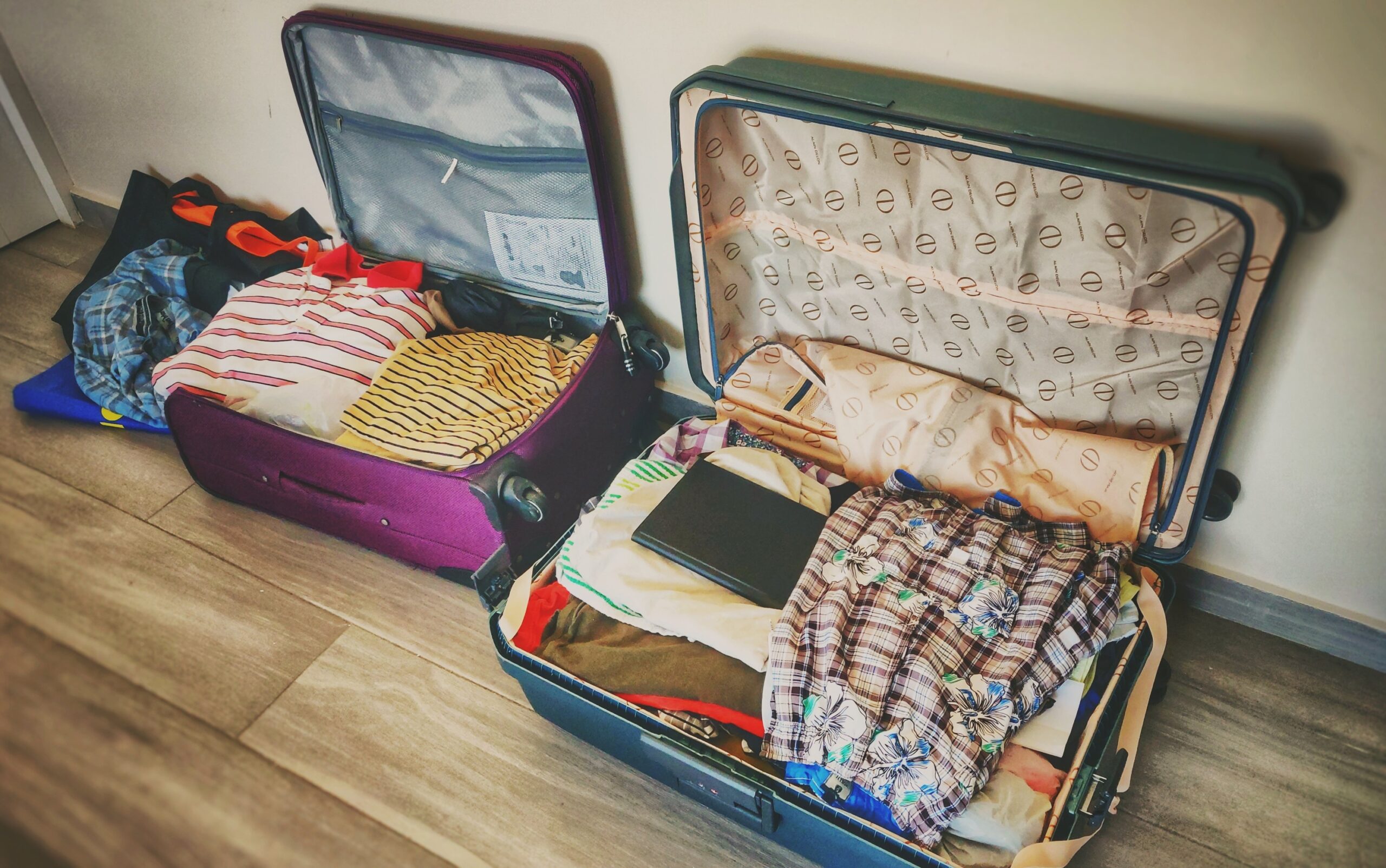

Most of us don’t think twice about grabbing the handle of a rolling suitcase and gliding toward the airport terminal. It’s so instinctive now that it’s hard to picture traveling any other way. Yet for the vast majority of human travel history, that simple act simply wasn’t possible. People moved across oceans and continents carrying everything by hand, on their backs, or on the shoulders of hired help, relying on methods and materials that have almost completely vanished from everyday life.
Before wheels arrived on luggage, packing was a craft in itself. There were techniques, conventions, and a whole set of unwritten rules passed down through families. Some of those methods were surprisingly clever. Others were just a testament to how physically demanding travel once was. Here’s a close look at ten of them.
The Heavy Trunk Was the Original Suitcase
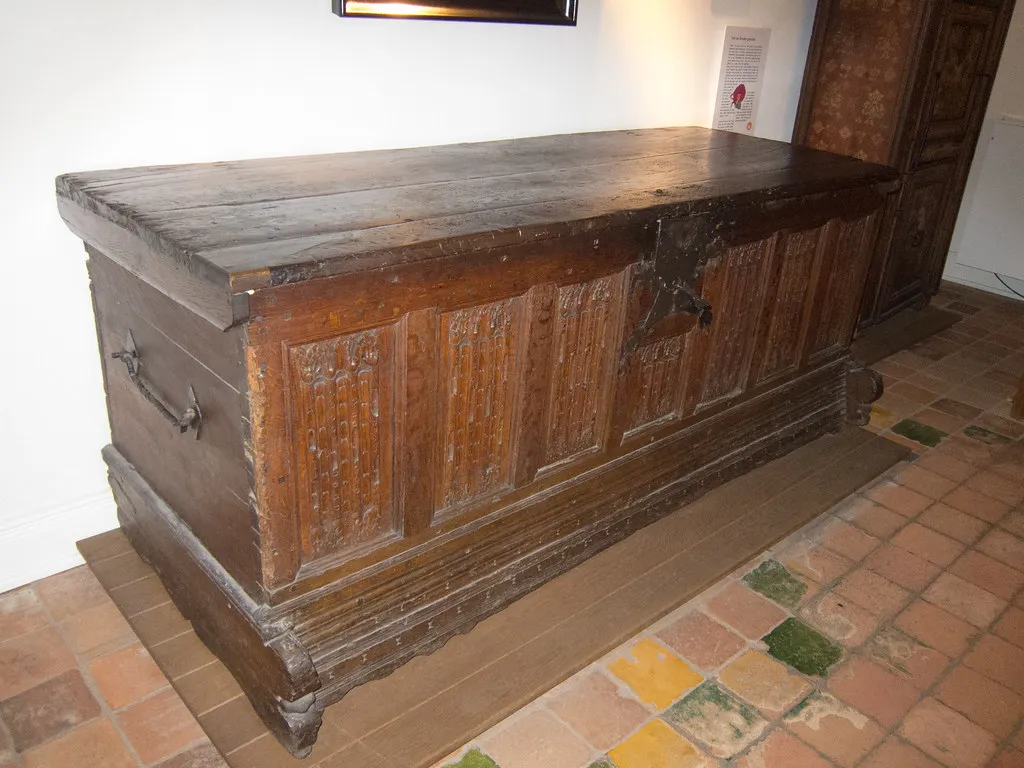
Historically, luggage essentially consisted of large, heavy trunks usually made out of wood, leather, and sometimes iron. These weren’t carry-on items by any stretch. In the 19th century, travel was relatively uncommon, and people who traveled used heavy trunks to carry a great number of possessions, usually by stagecoach and rail. The traveler didn’t usually handle the luggage personally; porters did all the work.
These early trunks were often made from wood and leather and featured intricate designs and metalwork. They were more than just practical items; they were status symbols, showcasing the wealth and taste of their owners. The size of your trunk said a great deal about who you were before you even arrived.
The Wardrobe Trunk: A Room Inside a Box
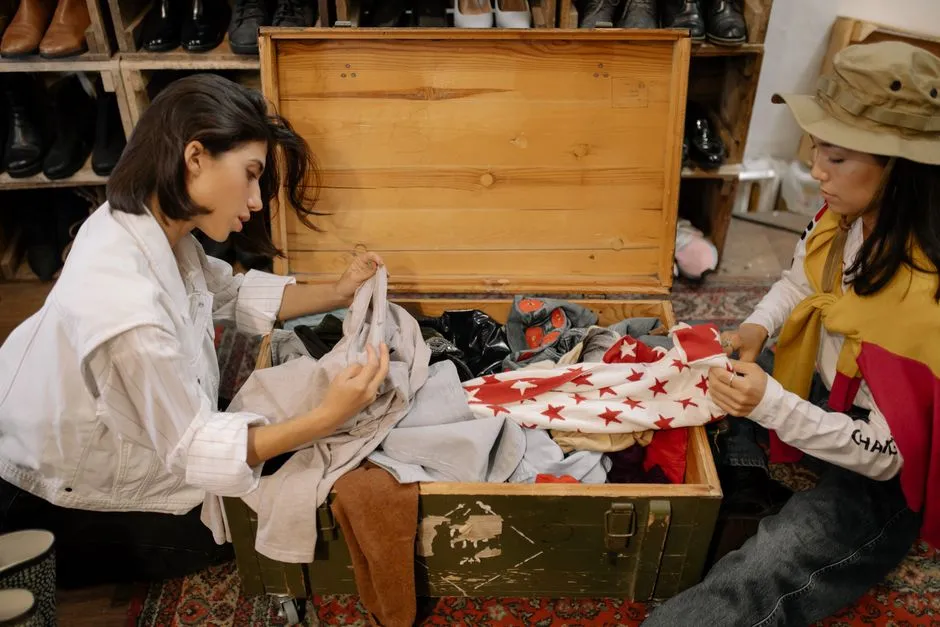
These trunks featured built-in drawers, hanging compartments, and shoe cases, essentially acting as portable wardrobes that allowed travelers to carry a full range of clothing and accessories in organized, accessible layouts. They were, in every real sense, a closet you could ship ahead of yourself.
Wardrobe trunks almost always sat on one end and opened in the middle, like double doors. Inside, there were usually several drawers, hangers, and shoe pockets. Some models also included bonuses like special hat holders, glove boxes, locking drawers, hidden compartments, and even fold-out ironing boards. For long voyages, this wasn’t a luxury. It was a practical necessity.
The Flat-Fold Method for Formal Clothing
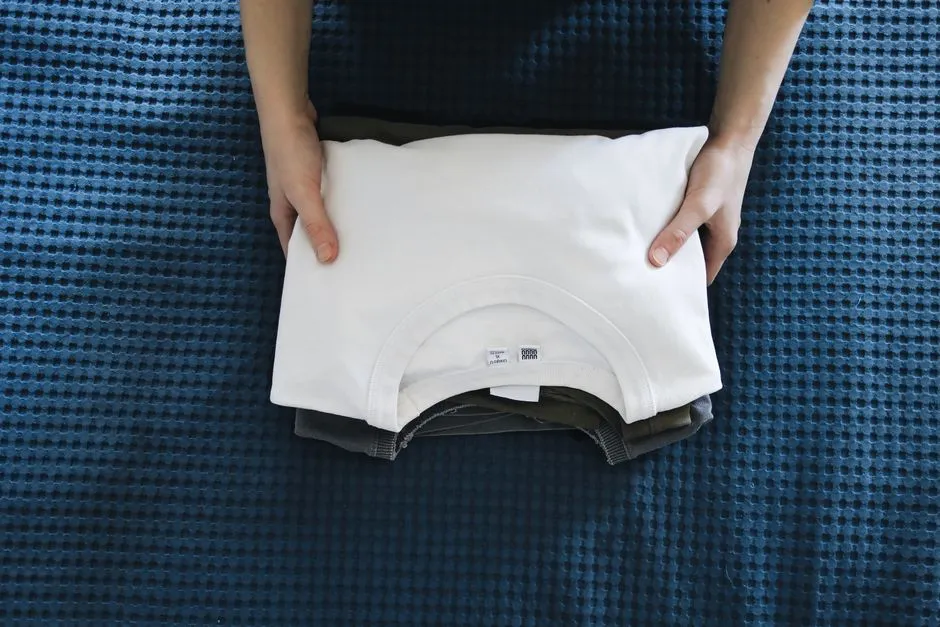
Before anyone invented compression cubes or vacuum bags, careful flat folding was the standard approach for keeping clothes presentable. Trunks provided with hangers and drawers enabled numerous garments to be transported without crumpling them, but their weight and size made them unsuitable for modern transport. Suitcases fitted with a hanger and possibly an inner frame made it possible, provided that particular attention was given to the packing, to transport a suit or costume without forming unwanted creases.
Packing wasn’t just about throwing clothes in a suitcase; it was a form of strategic survival. Luggage space was precious, and items had to withstand rough handling, variable climates, and weeks without resupply. Getting a dress or a suit from one city to another in wearable condition was a genuine skill.
The Carpet Bag for Shorter Journeys
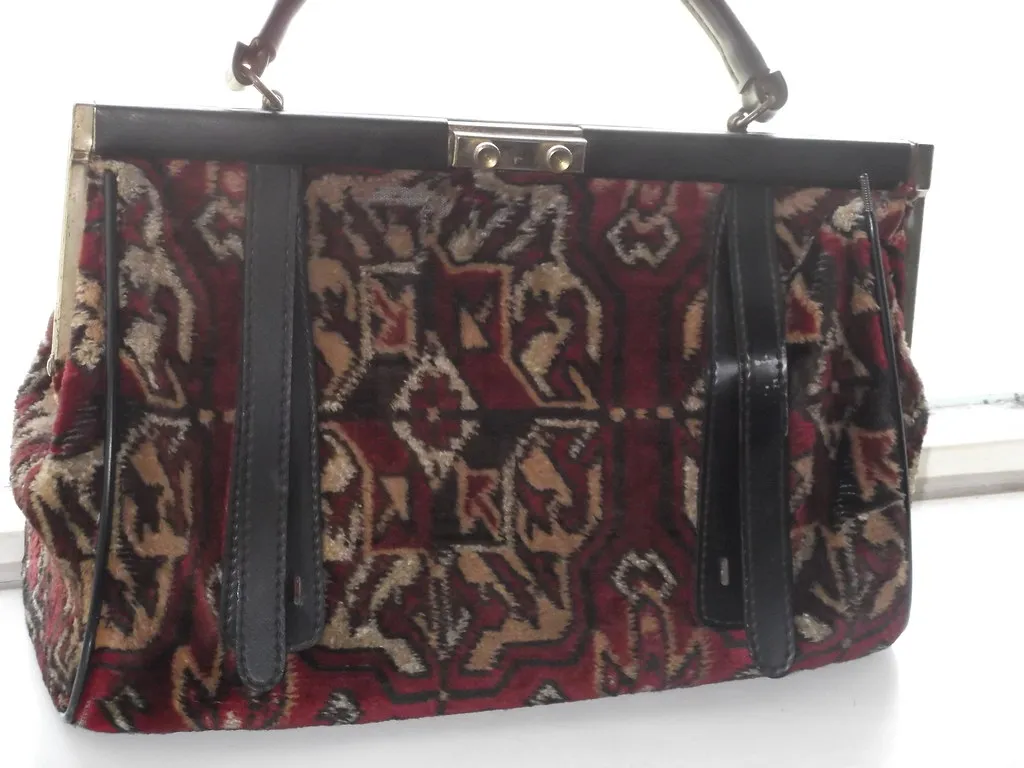
Leading up to the suitcase, the types of vintage luggage included “carpet bags” for shorter trips and a variety of trunks, in all shapes and sizes, for longer trips and storage needs. Carpet bags were exactly what they sound like: bags made from heavy carpet fabric, reinforced and carried by a single top handle. They were the unofficial carry-on of the 19th century.
To meet modern travel’s demands and a faster pace, travelers sought cases that could be loaded and unloaded swiftly, and rail companies encouraged designs that minimized bulk. Lightweight materials such as canvas and aluminum began to replace heavier leather and wood, allowing for easier handling and more practical packing solutions. The carpet bag was an early step in that direction, bridging the trunk era and the suitcase age.
Tissue Paper Layering to Prevent Wrinkles

One technique that predates modern packing cubes by well over a century is the tissue paper method. Travelers would layer delicate garments between sheets of tissue paper before folding them into a trunk or early suitcase. The paper reduced friction between fabrics and softened the creases that form at fold lines, especially on silks and fine wools.
The large petticoats, billowing skirts, and poofy shoulders of the turn of the century found a safe home inside the high-quality luggage pieces. Keeping those structured garments intact during a long rail or ocean journey required real care, and tissue layering was the go-to solution. Many people still swear by it today, even though most travelers have completely forgotten where the habit came from.
The Early Flat-Sided Suitcase and the Shift Away from Trunks
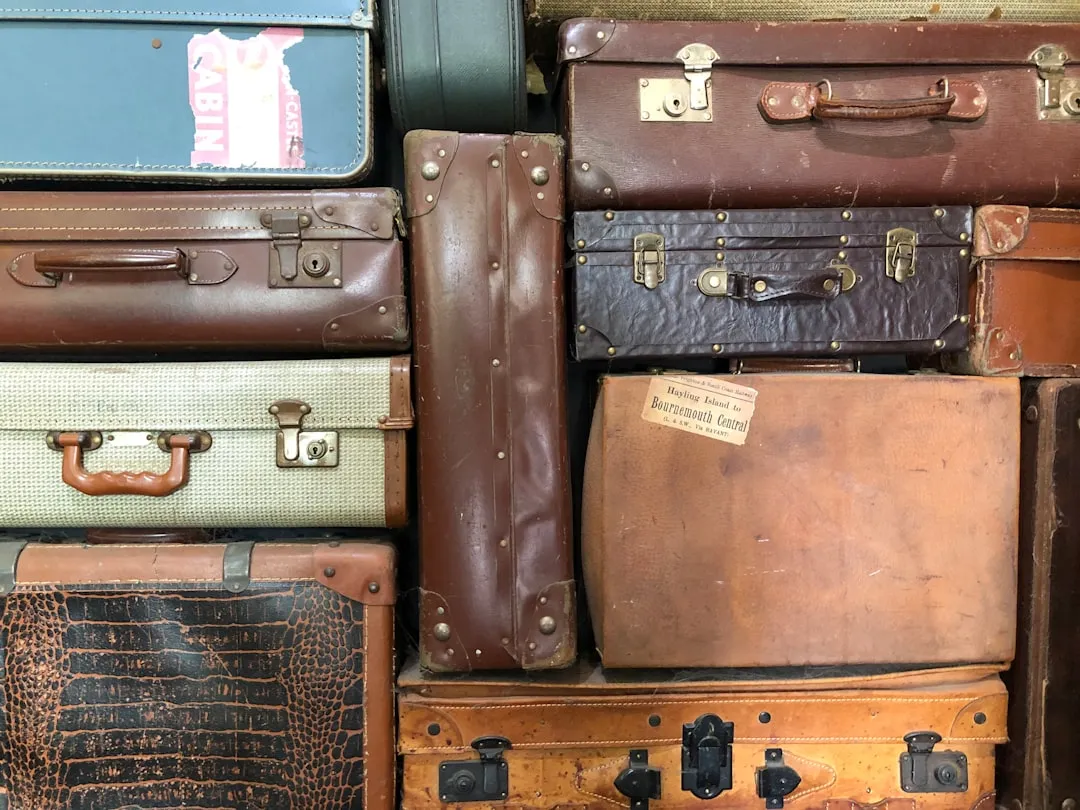
The change in format, from trunk to suitcase, gained momentum in the 1920s with the rise of automobile travel, and increased in the 1930s, when commercial flights became more important. Cars couldn’t accommodate the enormous trunks that steamer ships and trains had swallowed without complaint.
Early suitcases were lighter and more portable than trunks, but they were still bulky by today’s standards. Leather, wicker or thick rubbery cloth was stretched over a rigid wood or steel frame. They were still carried entirely by hand, gripped at the sides, and set flat on the ground when not in use. The robust and heavy suitcases were not suitable for transporting by car and even less by plane, therefore lighter suitcases were designed that also lowered their price.
The Porter System: Outsourcing the Heavy Lifting
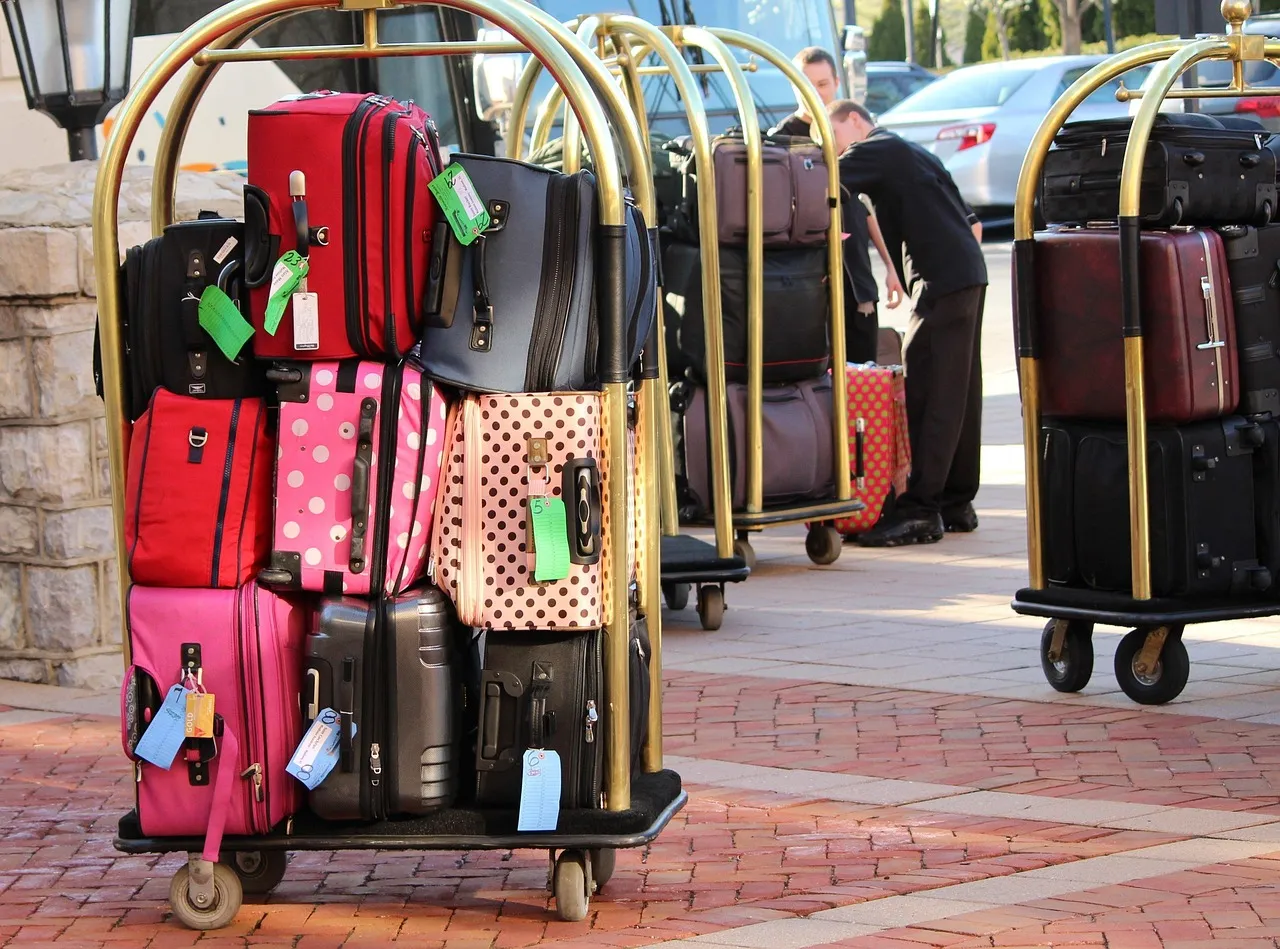
Since transportation options were limited and most people didn’t own many possessions and couldn’t afford to travel anyway, cumbersome trunks that would be carried by multiple people, i.e. servants, were sufficient. For those who could afford it, packing was only half the equation. Getting the luggage from one point to another was somebody else’s job entirely.
By the middle of the 20th century, changing labor patterns led to a decline in porters, requiring passengers to carry their own luggage. That shift, more than anything, exposed just how impractical the old trunk system had become. Prior to this era, most journeys were by train or ship with staff handling baggage, so a personal need to haul suitcases simply didn’t exist. Once the porters disappeared, the problem of heavy luggage became impossible to ignore.
Rolling Clothes: An Old Trick That Predates Modern Travel
Rolling garments into tight cylinders to save space is often presented as a modern packing hack, but travelers were using versions of this method long before airline baggage fees made every cubic centimeter count. Soldiers, sailors, and long-distance travelers rolled clothing into bundles for decades, fitting more into limited spaces and reducing bulkier folds that trapped air. The technique worked particularly well for cotton and knitwear.
Rolling is one of the best techniques when you need to save a lot of space. It means tightly rolling the clothes and putting them in a suitcase in the form of rolls. What changed over time wasn’t the method itself but the materials it was applied to. Synthetic fabrics from the mid-20th century rolled even more efficiently than natural ones, which is part of why the technique gained a second wind as air travel expanded.
The Amelia Earhart Effect: Aviation Changes What People Pack
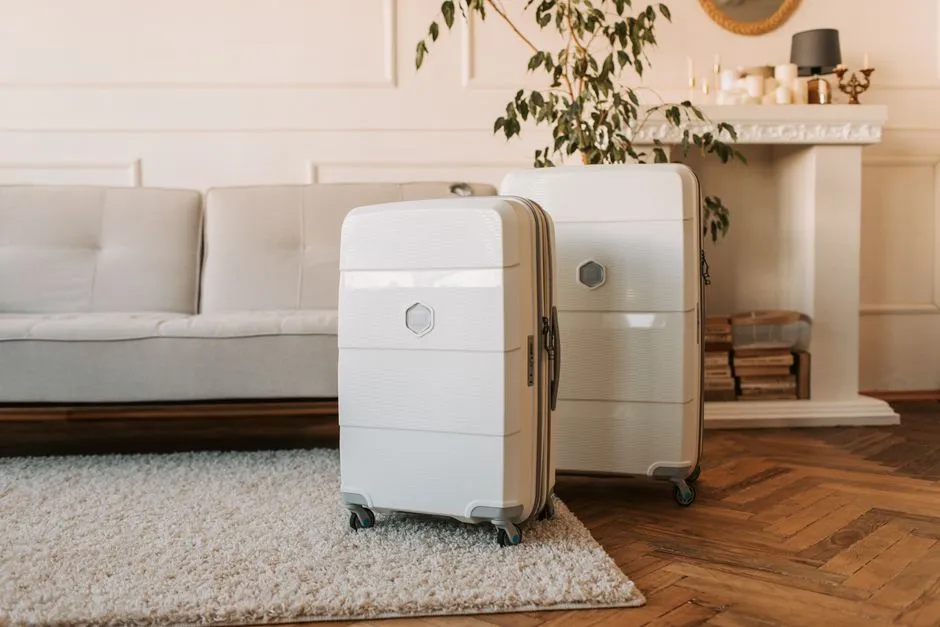
With the rise of air travel, passengers were limited to lighter-weight bags due to weight restrictions. That constraint fundamentally changed how people thought about packing. You couldn’t bring everything anymore. You had to choose.
Famed aviator Amelia Earhart licensed her own line of luggage beginning in 1933. It was marketed as “real ‘aeroplane’ luggage.” It was lightweight and made to last. Her endorsement pushed the idea that luggage could be both practical and modern, a direct contrast to the heavy Victorian trunk tradition. Aviation had only recently become truly widespread: in the two decades before the rolling suitcase patent, flights had increased their passenger totals by ten times, from 17 million in 1949 to 172 million in 1969. That explosion in air travel made lightweight, hand-carried packing not just fashionable but essential.
Why It Took Until 1970 for Anyone to Add Wheels
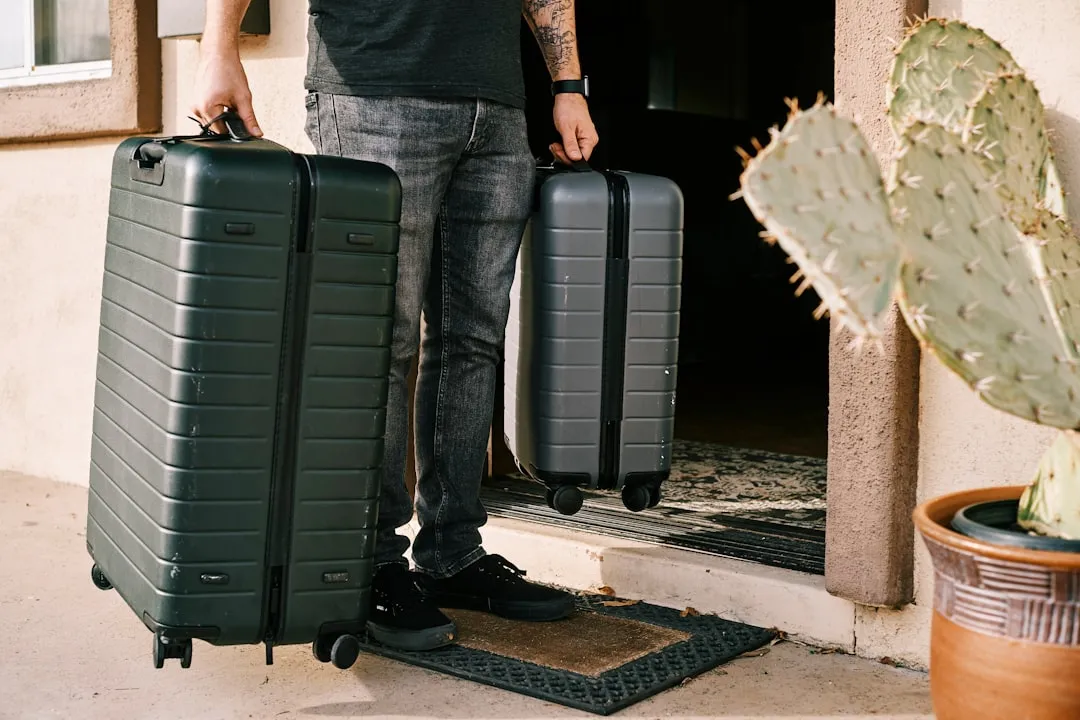
It wasn’t until 1970 that anyone added wheels directly to suitcases rather than carry them by hand or put them on rolling carts. American tourist Bernard Sadow came up with the idea while dragging his bags through customs after a vacation in Aruba. When he returned home, he took four rolling casters from a wardrobe trunk and strapped them onto a suitcase.
It’s often said we sent a man to the moon in 1969 before we put wheels on luggage. The barrier may have been social acceptance. Lugging heavy suitcases was seen as “man’s work.” Even after Sadow’s invention reached stores, it struggled to find buyers. It wasn’t until 1987, when Northwest Airlines pilot Robert Plath developed the two-wheeler “Rollaboard” suitcase, that the rolling suitcase truly took off. The Rollaboard had telescopic handles and rolled vertically. Plath sold his early models to fellow crew members, and as travelers saw flight attendants striding through airports with Rollaboards in tow, a new market was created.
The Lasting Lesson in All of It
There’s something quietly remarkable about the fact that generations of travelers crossed continents, oceans, and mountain ranges carrying everything by hand. They developed systems, materials, and habits that were refined over centuries without a single wheel involved. The flat fold, the tissue layer, the rolled garment, the heavy trunk with its built-in drawers, all of it represented real ingenuity shaped by real constraint.
An unintended consequence of rolling luggage was that people added heavier and heavier objects to their luggage, requiring airlines to place the weight limits on suitcases that we are all familiar with today. In a way, the old methods forced discipline. You packed only what you could carry. That wasn’t a limitation so much as a different relationship with travel itself.
The methods our parents and grandparents used weren’t inferior. They were calibrated to a world without wheels, without low-cost airlines, and without the assumption that travel was something everyone did every few months. Understanding them doesn’t just offer a history lesson. It reframes what we think of as essential when we open a bag and start to pack.
AI Disclaimer: This article was created with the assistance of AI tools and reviewed by a human editor.