

There was a time when skipping breakfast wasn’t really a question. Grandparents sat down in the morning, ate something real, and got on with the day. No debate, no optimization, no apps counting macros. It was just what you did.
Science, it turns out, has spent decades catching up to that common sense. A growing body of research, much of it published between 2024 and 2026, is confirming that the unhurried morning eating habits of older generations were doing something genuinely useful for the body. The reasons why are more interesting than you might expect.
They Ate Breakfast Every Single Morning, Without Exception

Breakfast truly earns its reputation as a foundational meal, yet many people today skip it, citing busy schedules or a simple lack of hunger. A balanced breakfast provides more than just fuel for the morning. It’s an opportunity to optimize nutrition and lay the foundation for smart food choices throughout the day.
According to the National Weight Control Registry, roughly three quarters of people who maintain significant weight loss regularly eat breakfast. That figure quietly dismantles a lot of the modern logic that skipping it is a neutral or clever choice. Grandparents, who rarely thought in terms of dietary strategy, were getting this right by instinct.
They Ate Early, Not Late

Research from Mass General Brigham, published in September 2025, found that eating breakfast later is tied to depression, fatigue, sleep problems, and an increased risk of death. Monitoring when meals are eaten could provide an easy health marker for aging adults.
A study on circadian nutrition also suggests that the habit of eating a later first meal could be associated with a higher risk of developing circulatory diseases. Grandparents were typically up early and eating within the first couple of hours of waking. That rhythm, which simply felt normal to them, is now something researchers are actively studying as a protective behavior.
They Sat Down for a Real Meal, Not a Snack

By 2025, roughly two thirds of breakfast eaters aged 18 to 34 said they preferred snacking in the morning rather than eating a full breakfast. Younger consumers are not simply choosing different breakfast products. They are opting out of the concept of breakfast as a formal meal altogether.
Older consumers, meanwhile, are moving in the opposite direction. The structured, sit-down breakfast that grandparents observed wasn’t just cultural ritual. It likely supported better portion awareness, slower eating pace, and more consistent nutrient intake across the day. Nutritional researchers now recognize this structure as meaningful in its own right.
They Ate Oatmeal Regularly

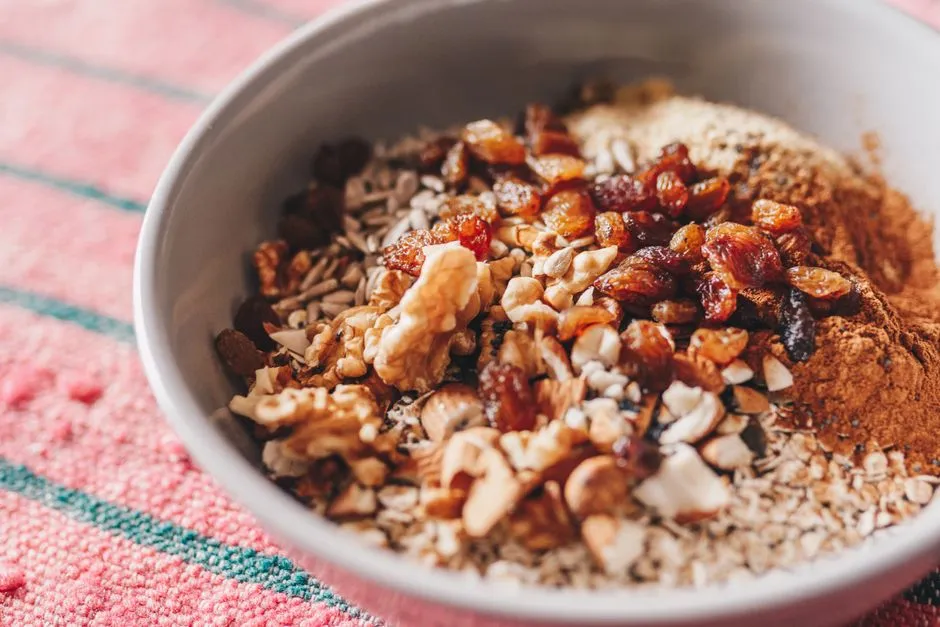
Plain oatmeal is a strong breakfast choice because its soluble fiber helps lower LDL cholesterol. The National Library of Medicine reports that consuming at least three grams per day of oat beta-glucan can reduce LDL by a measurable margin, improving heart health.
Oats are particularly known for their impact on cardiovascular health, including their ability to manage cholesterol levels. That’s due to beta-glucans, a type of fiber in oats, which research shows can lower bad cholesterol in blood. There’s also evidence that regularly eating oats can lower your risk for a heart attack. For generations, a bowl of porridge was simply what was on the table. It turns out to have been quietly protective all along.
They Included Whole Grains Without Thinking About It

Higher whole-grain intake has been linked with significantly lower cardiovascular disease risk, according to a large meta-analysis. Whole grains supply important nutrients including monounsaturated fats and potassium that help lower LDL cholesterol and support blood pressure.
Data from Harvard’s T.H. Chan School of Public Health suggests that higher consumption of total whole grains was significantly associated with lower coronary heart disease risk. Whole grain bread, bran cereals, and cooked grains were breakfast staples for generations precisely because they were affordable and filling. The health dividend that came with them wasn’t really understood at the time.
They Ate Protein in the Morning

A review of multiple studies reveals that consuming protein in the morning can significantly benefit muscle health. Several studies involving elderly individuals highlighted that prioritizing protein at breakfast could help increase muscle mass. For elderly individuals, maintaining muscle mass is crucial for mobility and overall health.
Eating a breakfast rich in protein and fiber helps you feel fuller for longer, reducing the urge to snack later in the day. Eggs, beans, and leftovers from the night before were common morning proteins a generation or two ago, and none of it was framed as “high-protein nutrition.” It was just breakfast. The body benefited all the same.
They Kept Blood Sugar Stable Throughout the Morning

A good reason to prioritize breakfast is to avoid dips in blood sugar. Eating habits that include breakfast help to regulate blood glucose levels. Grandparents who ate consistently in the morning were, without realizing it, managing their metabolic rhythm in a way that modern endocrinologists now actively recommend.
Cross-sectional studies have shown that people who regularly skip breakfast may be more likely to have high cholesterol, high blood pressure, a higher body mass index, and insulin resistance, putting them at risk of type 2 diabetes. The person who ate porridge or eggs at seven in the morning was doing something that, cumulatively over decades, made a real difference to their metabolic health.
Their Breakfast Supported Heart Health
Breakfast has emerged as a critical factor in preventing cardiovascular diseases, driven not only by its nutritional content but also by its alignment with circadian rhythms. That alignment is the part researchers have only recently begun to understand clearly.
Recent scientific evidence associates regular breakfast consumption with a more favorable cardiometabolic profile, whereas its omission is linked to abdominal obesity, insulin resistance, and endothelial dysfunction. Research presented at the American Heart Association Scientific Sessions in March 2024 showed that people who followed a restricted eight-hour eating window had a significantly higher risk of death from cardiovascular disease compared with a standard twelve-to-sixteen-hour eating pattern. The grandparent habit of eating shortly after waking fits naturally into that protective pattern.
They Fueled Their Brains Before the Day Began

New research links skipping breakfast to lower cognitive scores, increased risk of neurodegeneration, and cognitive decline in older adults. For people in their sixties and beyond, this connection between morning eating and long-term brain health is particularly significant.
Breakfast breaks the overnight fast and replenishes the body’s glucose supply, providing energy to jump-start the day. After ten to twelve hours without food, your body needs nourishment to function optimally. The sharpness many older people maintained well into their later years may owe something to the simple habit of starting the day with a proper meal, even when no one was measuring cognitive scores.
They Got Better Nutrient Intake Overall

Research shows that breakfast eaters are more likely to meet daily recommendations for essential nutrients like fiber, calcium, and vitamins. Skipping breakfast can create nutrient gaps that are difficult to fill later in the day.
Among dietary patterns, breakfast has gained prominence due to its potential influence on lipid, glycemic, and hormonal metabolism. People who ate real breakfasts over the course of a lifetime were essentially stacking small nutritional advantages every single morning. That kind of consistency, repeated over forty or fifty years, amounts to something genuinely significant by the time old age arrives.
The Takeaway

Science doesn’t always vindicate tradition. Sometimes the old ways turn out to be harmless quirks, or worse. But in this case, the evidence is building steadily toward a clear conclusion: the grandparent habit of eating a proper, real breakfast early in the morning was protective in ways that go well beyond simply “not being hungry.”
Cardiovascular health, blood sugar regulation, brain function, muscle mass, and overall nutrient intake all appear to benefit from the kind of unhurried morning meal that older generations treated as completely unremarkable. The field of chrononutrition emphasizes that not only what is consumed but also when it is consumed matters, and research has demonstrated that aligning breakfast with circadian rhythms improves glycemic balance, even without changes in total caloric intake.
The most striking part of all this research isn’t any single finding. It’s that something so ordinary, a bowl of oatmeal at seven in the morning, eaten while sitting down, turns out to have been a genuinely sound piece of lifetime health management. Some habits don’t need to be modern to be right.
AI Disclaimer: This article was created with the assistance of AI tools and reviewed by a human editor.