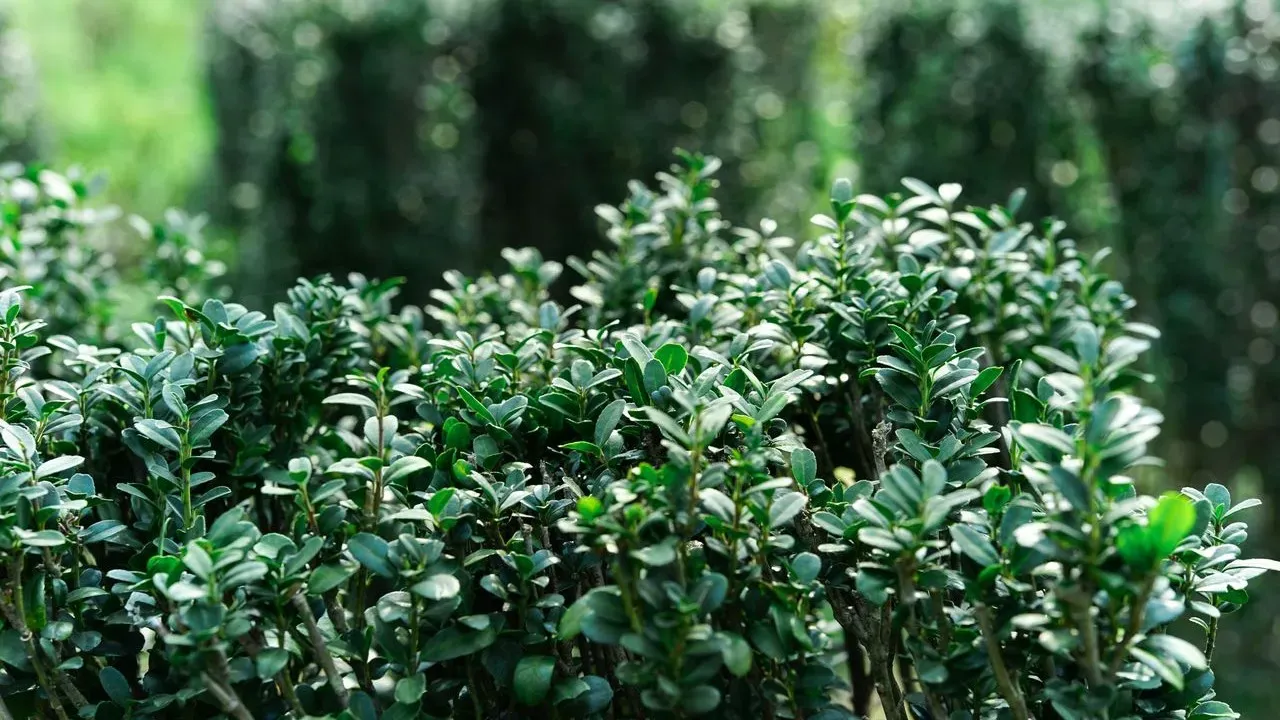

Across countless American properties, boxwood continues to anchor outdoor spaces long after flashier plant trends have come and gone. Homeowners and designers return to it for the same practical reasons that have held steady for generations. Its ability to deliver reliable structure without constant intervention sets it apart in a market crowded with seasonal alternatives.
Consistent Structure Through Every Season
Boxwood maintains its dense, green form even when other shrubs lose their leaves or fade in winter light. This evergreen quality provides visual weight to garden beds and borders year after year. Designers often rely on it to define pathways, frame entrances, and create living walls that remain intact through temperature swings. The shrub’s compact growth habit also supports clean lines in formal layouts. It holds shape under regular but infrequent trimming, allowing properties to retain a polished appearance without daily upkeep. In both historic estates and newer subdivisions, this steady presence helps unify the overall design.
Low Demands on Time and Resources
Few landscape plants match boxwood’s tolerance for minimal intervention once established. It requires only occasional watering during extended dry spells and basic pruning a couple of times each year. Soil needs are modest, and the plant adapts to a range of light conditions common in residential settings. This resilience translates directly into lower ongoing costs for property owners. Landscapers note that clients who choose boxwood report fewer replacements and less seasonal labor compared with more delicate options. The result is a landscape that stays presentable with routine attention rather than intensive management.
Versatility Across Design Styles
Boxwood fits equally well in traditional parterres and contemporary minimalist yards. Its small leaves and fine texture allow it to serve as both a formal hedge and a soft background for flowering perennials. Homeowners can shape it into geometric forms or let it grow more naturally, depending on the desired effect. The plant also pairs readily with hardscape elements such as stone walls and brick paths. This compatibility reduces the need for frequent redesigns when tastes evolve. Properties that incorporate boxwood often retain their core layout for decades while still accommodating new plantings around the established framework.
Staying Power Amid Shifting Preferences
Garden trends regularly favor new colors, textures, or low-water natives, yet boxwood’s market position has not eroded. Its combination of year-round greenery and straightforward care continues to meet the practical needs of busy households and professional maintenance crews alike. Many properties that experimented with trend-driven alternatives eventually reintroduce boxwood for its reliability. The shrub’s longevity also supports long-term planning. Once mature, individual plants can remain productive for decades, providing continuity that newer varieties have yet to demonstrate at scale. This track record reinforces its role as a default choice rather than a passing selection. Boxwood’s continued dominance reflects a straightforward calculation: reliable performance with modest input. Properties that adopt it gain lasting structure without locking themselves into high-maintenance routines.
AI Disclaimer: This article was created with the assistance of AI tools and reviewed by a human editor.