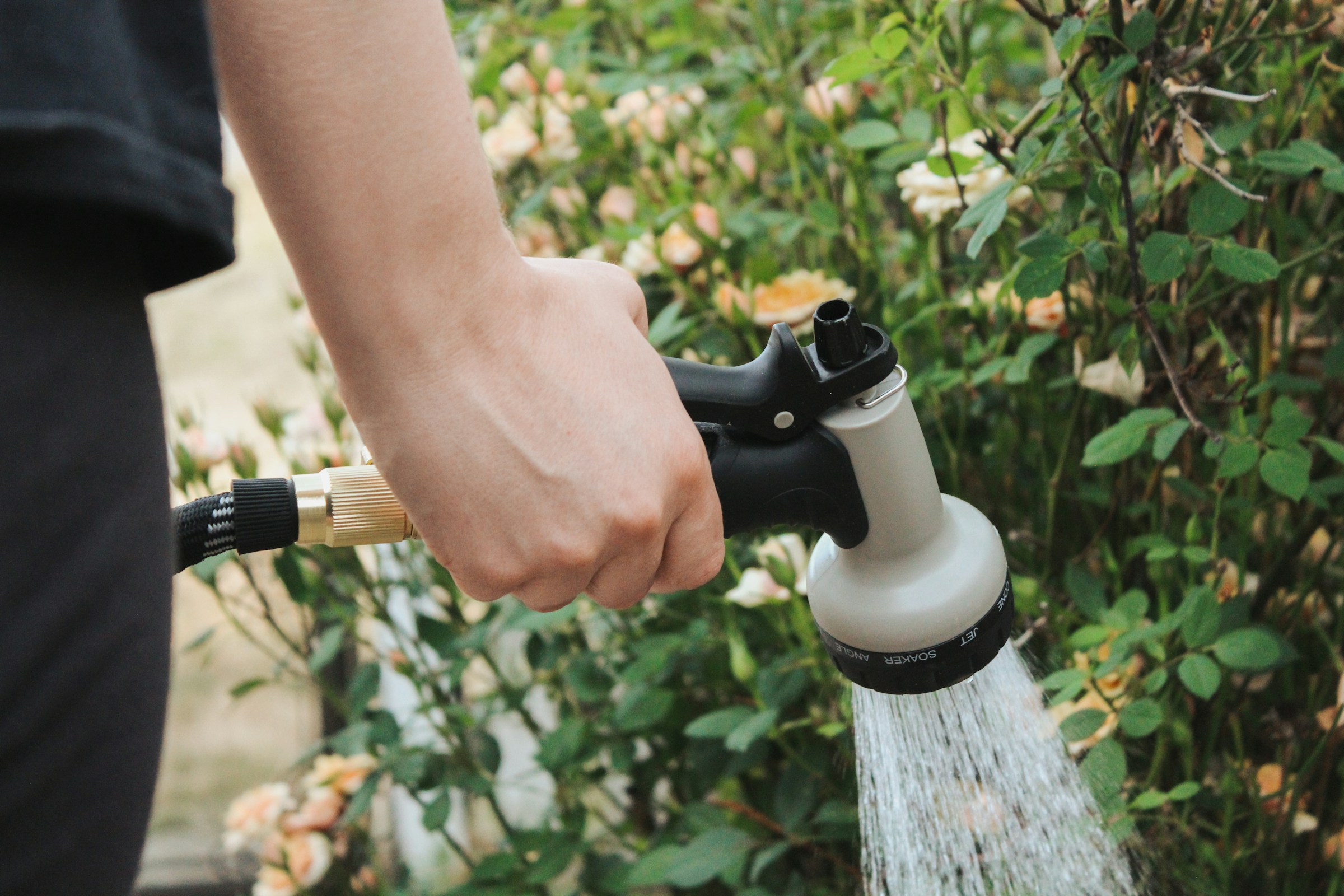

Roses have a reputation for being demanding, and honestly, they’ve earned part of it. Yet a surprising number of struggling rose plants aren’t suffering from disease, poor soil, or even bad pruning. The culprit is something far more routine: how deep the water actually goes each time you pick up a hose or turn on a sprinkler.
The damage from shallow watering builds gradually and almost invisibly. Roots quietly migrate upward toward the moisture that keeps appearing near the surface, and by the time you notice weaker blooms or wilting canes, the problem has already been compounding for weeks or months. Understanding what’s actually happening underground is the first step to fixing it.
The Mistake Almost Every Rose Grower Makes
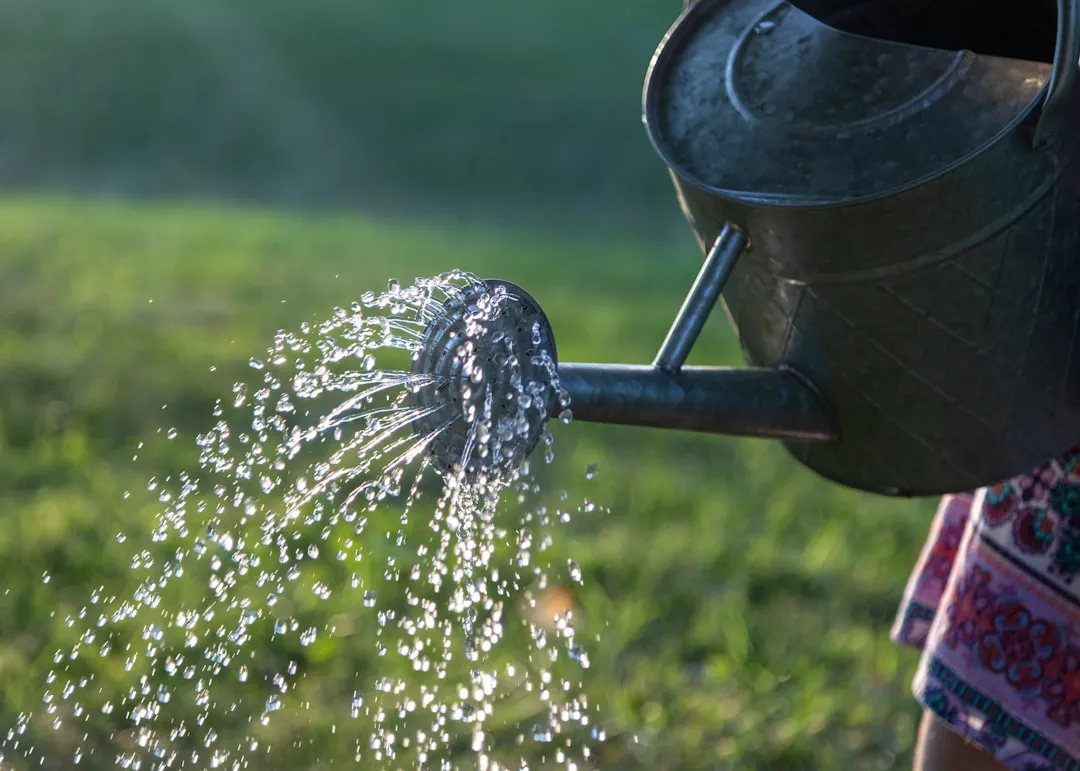
Daily light watering is the most common mistake and one of the most damaging, producing shallow-rooted plants that are highly susceptible to drought stress, heat stress, and inconsistent soil moisture, all of which compound flowering and disease problems. It feels attentive, even responsible. In practice, it’s working against the plant.
Shallow daily watering keeps the upper inches of soil damp while the deeper root zone dries out. Roots follow moisture and concentrate near the surface, making plants more vulnerable to heat stress and drought. This is the core of the problem, and it’s entirely driven by watering behavior.
How Deep Rose Roots Actually Need to Go

Roses are woody shrubs with a substantial root system reaching 18 inches or more into the soil, and they perform best when that whole root zone is recharged and then allowed to draw down before the next soak. That’s a significant depth, and most casual watering never gets close to it.
The goal is to deliver enough water to penetrate at least 12 to 18 inches into the soil, reaching the deep root zone where established roses absorb most of their moisture. The ideal watering depth of 16 to 18 inches promotes root growth and strengthening and improves overall plant health and vigor.
Why Roots Follow Water (And What That Means for You)

Research published in The Plant Genome in 2024 makes clear that roots tend to modify their architecture to ensure improved plant survival and yield in response to environmental signals such as nutrient and water availability. This adaptive ability of roots to change their morphology and architecture in response to external stimuli is defined as plasticity.
This plasticity cuts both ways. Roots can grow deeper when conditions demand it, but they can also stop doing so when surface conditions make it unnecessary. In plain terms, if you keep water near the surface, the roots have no reason to go anywhere else.
Fewer roots means less interaction with the beneficial microbes in the soil and less ability to mine the soil for the nutrients they need. A root system confined to the top layer of soil is essentially foraging in the most depleted and volatile zone available.
The Two Root Types and Why It Matters
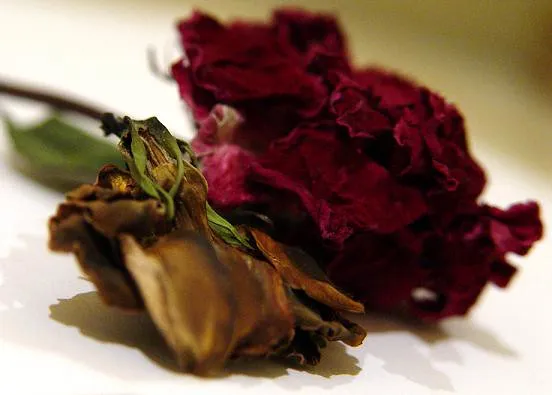
Many older rose varieties and species roses typically exhibit a taproot system, characterized by a single, deep central root with smaller lateral roots branching off. In contrast, modern hybrid roses commonly feature a fibrous root system, which consists of a dense network of fine, branching roots that spread closer to the soil surface.
This distinction is worth knowing, because modern hybrid roses are already more surface-prone by nature. Frequent shallow watering encourages roots that grow laterally and just beneath the surface rather than deep into the soil, and shallow roots impact plant stability, hardiness, and nutrient sources. Hybrid varieties essentially get a double disadvantage when watering is too shallow.
Heat, Drought, and the Hidden Cost of Surface Roots
Light watering will result in shallow roots, making the plant more susceptible to the effects of summer heat and winter freezes. This isn’t a minor inconvenience. Surface soil is the zone that heats up fastest in summer and freezes hardest in winter.
Deep, infrequent watering to a depth of 12 to 18 inches below the soil surface enhances drought resistance and allows the plant to access more soil minerals. It also helps prevent root rot from damaging plants and provides the plant access to a reservoir of water between irrigations. Deep root systems help the rose survive both droughts and winter freezes.
What Shallow Watering Does to Blooms

Drought stress shows up in flowering and foliage before you see dramatic wilting. A rose short of water aborts developing buds rather than finishing them, and open flowers are smaller and shorter-lived. Many gardeners attribute smaller blooms to nutrient deficiencies and start fertilizing, when the actual problem is underground.
Roses do not collapse theatrically when thirsty. They respond to water stress by aborting buds, shrinking flowers, and shedding lower leaves. Repeat-flowering varieties are especially sensitive, because each successive bloom flush is an expensive project the plant will simply cancel if water is short.
Soil Type Changes Everything
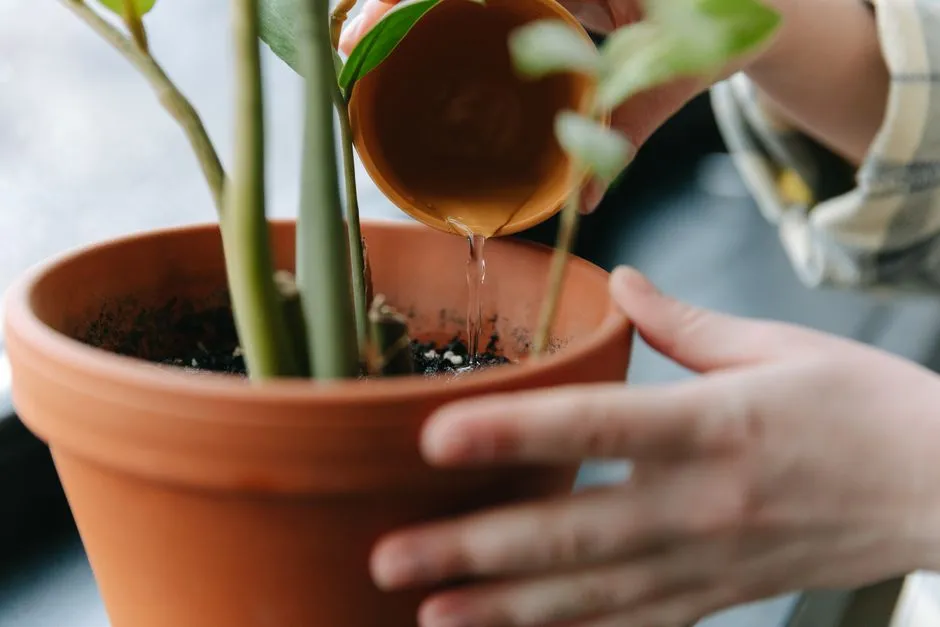
Soil type matters enormously. Sandy, free-draining soils may need watering twice as often as heavy clay. Using the same schedule regardless of soil type is one of the most common secondary mistakes that compounds the watering depth problem.
Clay soils hold moisture far longer than sandy or loamy soils. Applying the same watering schedule to clay as to sandy soil results in chronically wet root zones, reduced oxygen availability, and root rot, with symptoms that look superficially like drought stress but worsen when you add more water. The takeaway: always read the soil, not just the calendar.
Clay soils need up to three inches of water at a time to penetrate the 16 to 18 inch root depth. That’s a useful benchmark for gardeners working with heavier ground who wonder why their roses still seem dry despite regular watering.
The Right Way to Check If You’re Watering Deeply Enough
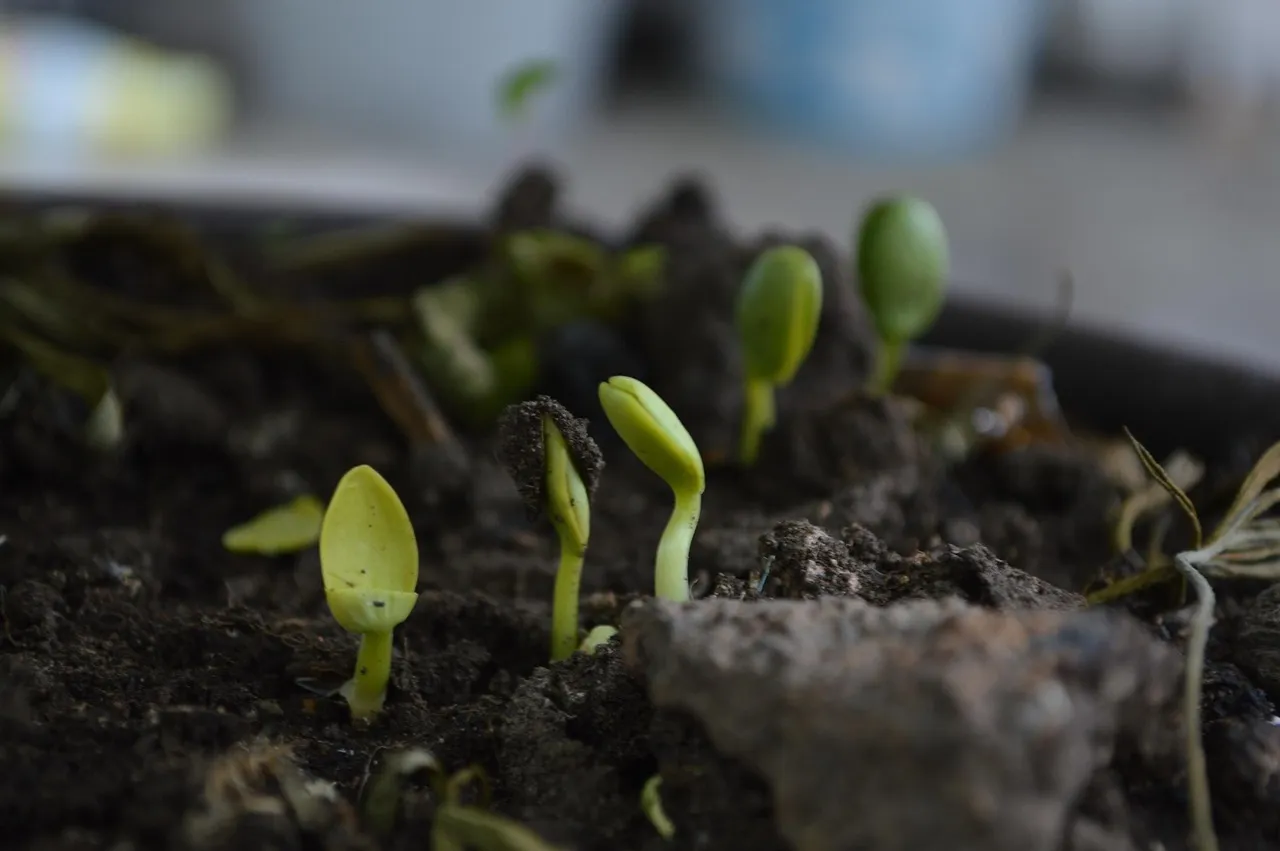
The only reliable test is to push your finger or a soil probe 2 to 3 inches into the soil beside the plant. If it feels dry at that depth, water. If it still feels damp, wait another day and check again. It takes about ten seconds and is genuinely more useful than any schedule.
When irrigating, wet the soil to the full extent of the root zone, approximately two feet deep. Do not add water again until the surface of the soil becomes dry. This principle, from New Mexico State University’s horticultural guidance, keeps the cycle working in the plant’s favor rather than against it.
How Mulch Protects the Deep Root Zone
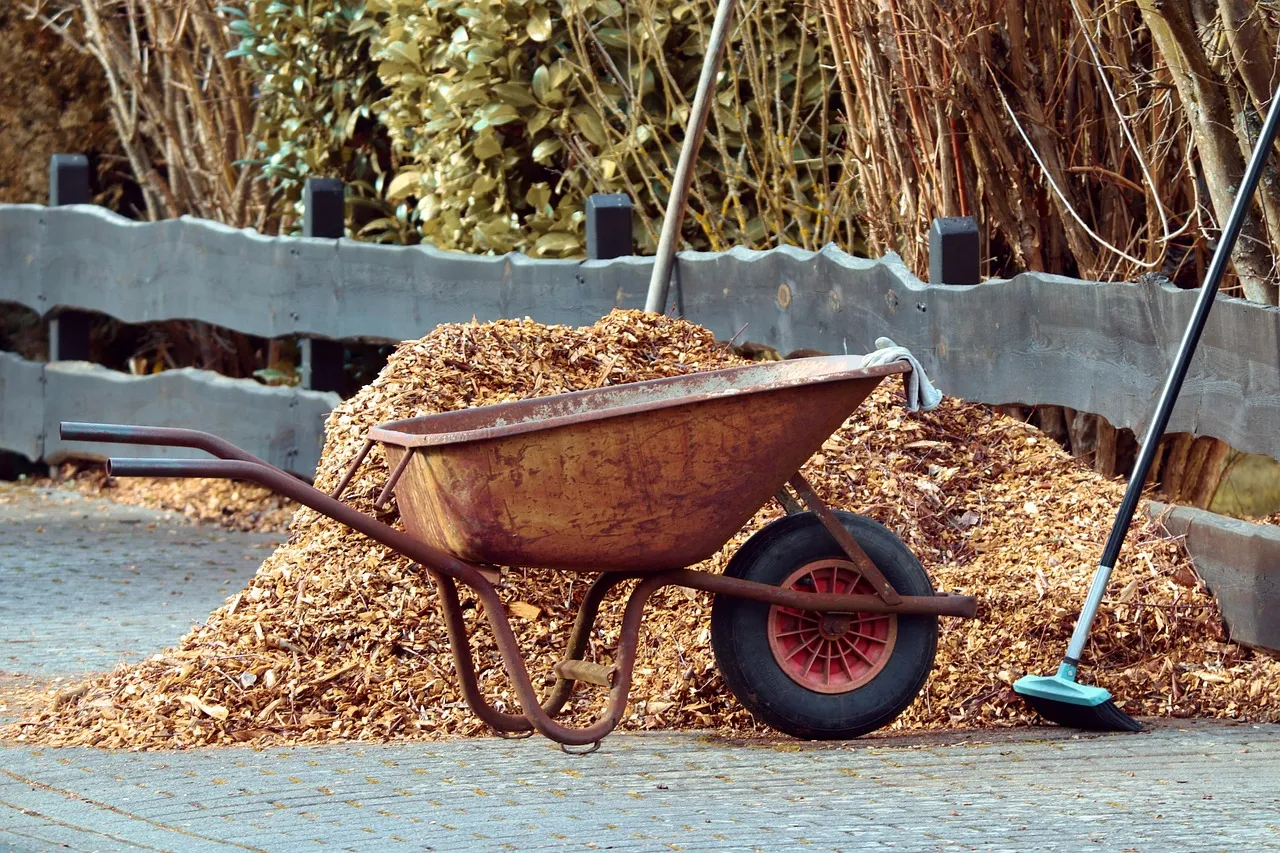
A 3 to 4 inch layer of organic mulch, such as wood chips, bark, or composted leaves, laid around the base of each rose and kept a few inches clear of the stem, reduces evaporation, moderates soil temperature, suppresses weeds, and contributes organic matter as it breaks down.
Roses in mulched beds typically need 20 to 30 percent less water and show notably lower disease pressure compared to unmulched plantings. That’s a substantial difference for something as simple as spreading a few inches of bark. Mulch also helps keep the soil and roots cooler by lowering the soil temperature around the root zone by up to 10 degrees Fahrenheit.
Correcting the Mistake and Rebuilding Root Depth

Switch to deep, infrequent watering and shallow-rooted plants will reroot deeper within a few weeks. That’s genuinely encouraging. The damage caused by shallow watering isn’t permanent, and roots will respond relatively quickly once the moisture signal changes.
Deep, infrequent watering drives roots downward, building drought resilience over time. For newly planted roses, this means watering every two to three days for the first four to six weeks, then gradually reducing to deep weekly watering as the root system establishes. The transition itself trains the roots in the right direction.
Soaking slowly and thoroughly encourages roots downward, while sprinkling frequently trains them upward into the zone that dries first. That one sentence captures the whole issue. Frequency isn’t the enemy; shallowness is.
The Takeaway
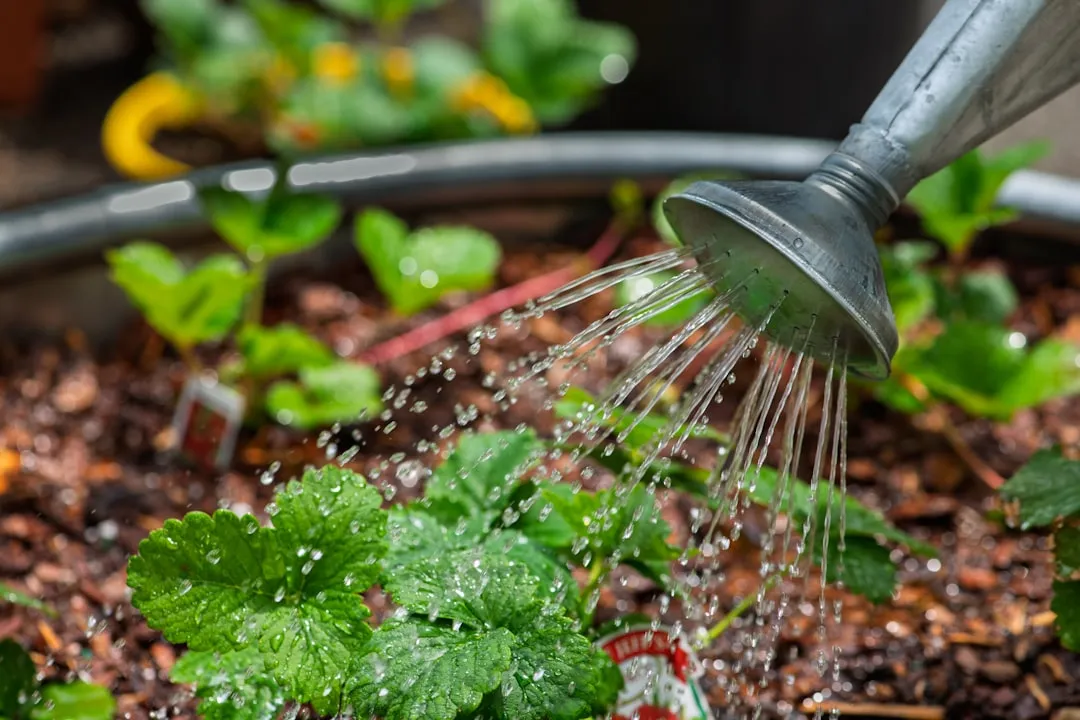
The watering depth mistake isn’t dramatic, and that’s part of why it persists. Nobody wakes up deciding to weaken their rose roots. It happens through good intentions applied at the wrong depth, day after day, until the plant quietly settles for a compromised version of itself.
The fix is straightforward: water less often, and water deeply enough to reach where the roots actually live, at least 12 to 18 inches down. Check the soil rather than the clock. Add mulch. Let the plant dry down before watering again. Roses rewarded with properly deep moisture don’t just survive; they build the kind of root architecture that carries them through heat, drought, and hard winters alike.
AI Disclaimer: This article was created with the assistance of AI tools and reviewed by a human editor.