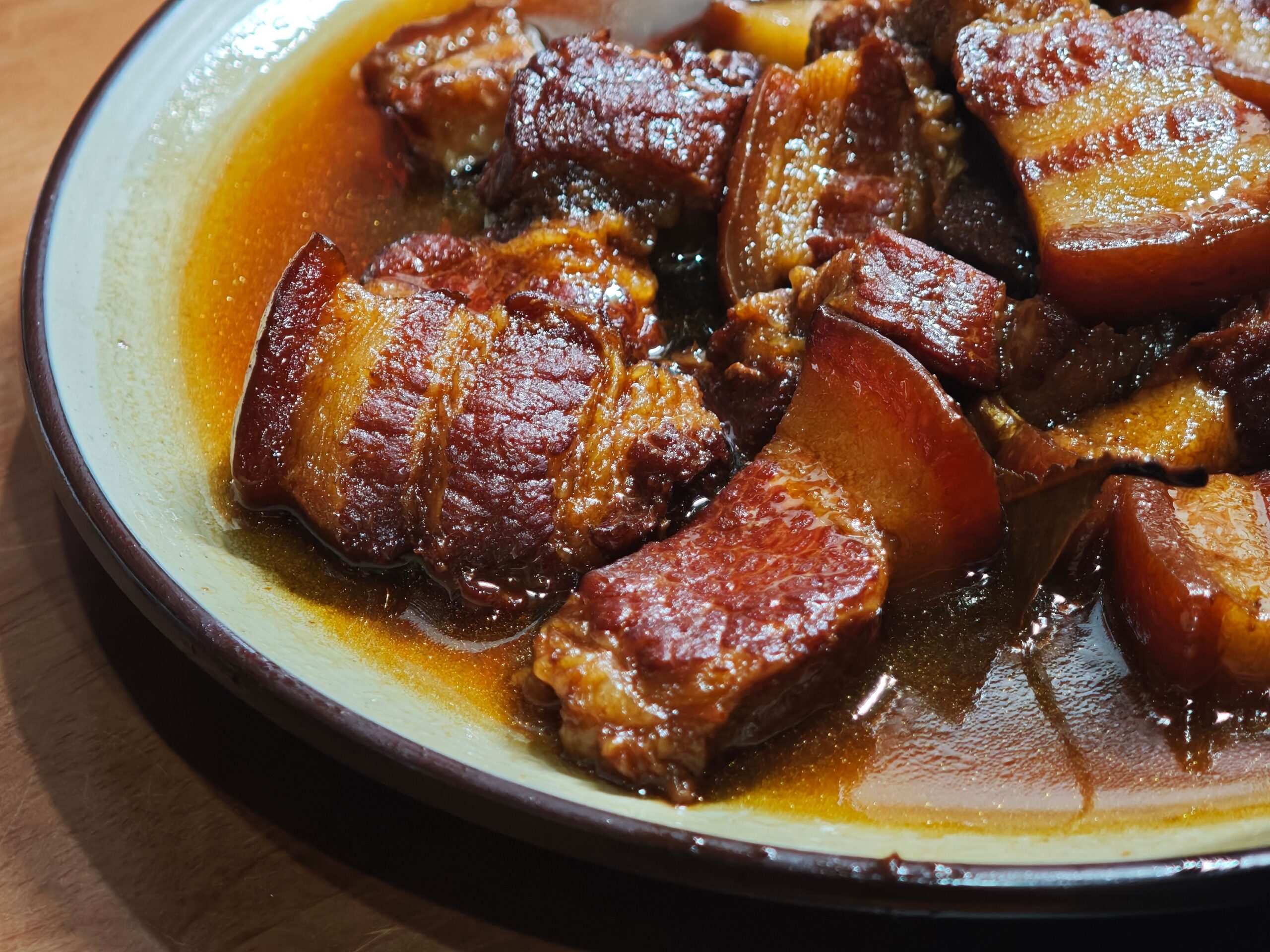

There’s a quiet movement happening in professional kitchens right now. While the last two decades brought us induction burners, immersion circulators, and precision cooking apps, many of the world’s most respected chefs keep coming back to something far older, something that requires no gadget, no timer, and no special equipment beyond patience and a heavy pot.
From pot roasts to casseroles, grandma-style cooking is quietly taking over kitchens across the country. Dubbed “nonna-stalgia” online, the trend reflects a growing appetite for meals that warm the heart and home. The cooking method at the center of it all is slow braising, a technique that grandmothers practiced almost without thinking, and that food science is now catching up to explain.
What Braising Actually Is
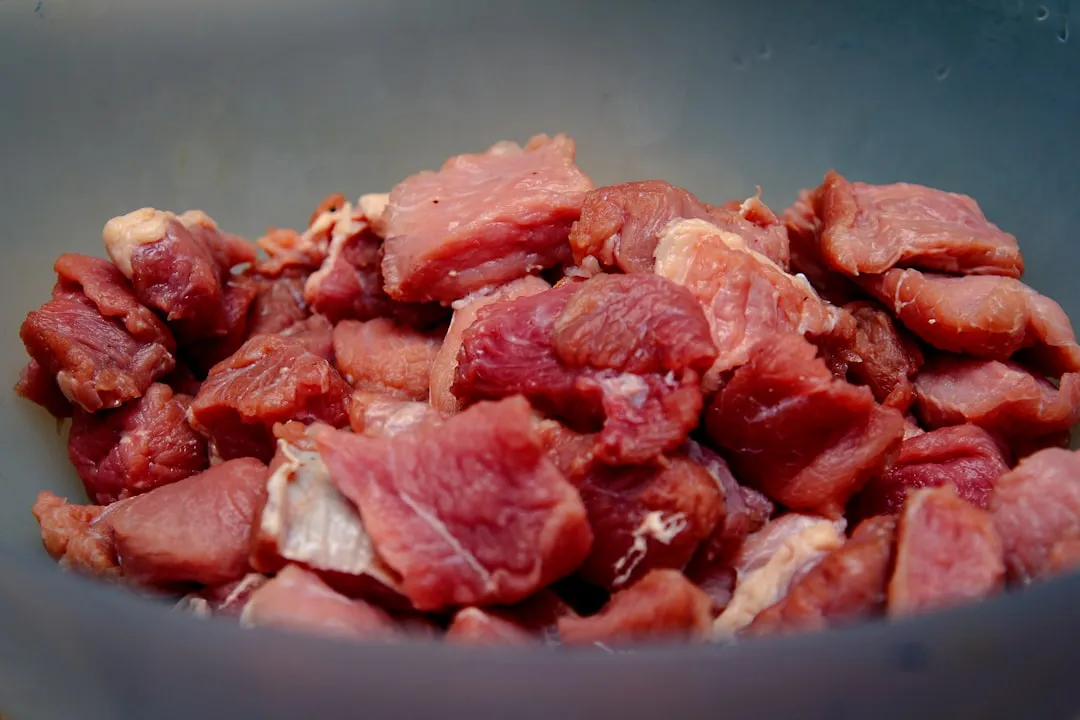
At its core, braising is a two-stage process that combines searing and slow cooking. The first step involves browning the meat or ingredients in a hot pan with oil or butter, which creates a Maillard reaction, developing a deep, savory brown crust that adds complexity to the dish’s flavor profile.
After the browning, liquid is added, and the food is simmered over low heat for an extended period, which can be anywhere from 45 minutes to several hours, depending on the dish and the ingredients. The slow cooking process occurs at a gentle simmer, often in a covered pot, which traps moisture and prevents the dish from drying out.
From the French word “braiser,” braising is the process of cooking with both moist and dry heat, best suited for larger, traditionally tougher cuts of meat. It’s essentially what grandmothers around the world were doing every time they put a lid on a pot and walked away.
The Science of Why Slow Heat Wins
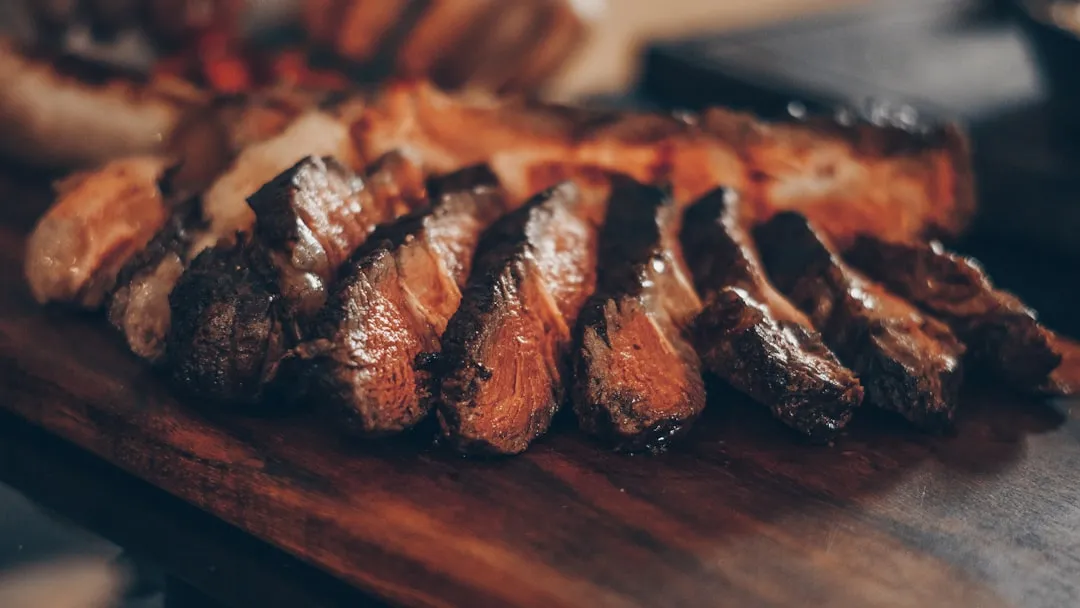
Collagen denaturation is the breakdown of collagen, a connective tissue, into gelatin, making meat more tender and flavorful. Heating temperature and time are directly related to collagen breakdown, with a longer cook at a lower temperature providing the most tender results. With tough cuts of meat, fast cooking at high temperatures produces a chewy result because the fibrous collagen doesn’t have time to break down.
As collagen is slowly heated to temperatures between 160°F and 180°F, it breaks down into gelatin. Gelatin is a soluble protein that gives meat a tender, succulent texture and adds a rich mouthfeel to the dish. Gelatin can absorb water, helping to retain moisture within the meat, preventing it from drying out during the cooking process.
Longer cooking at a lower temperature coaxes collagen to melt into gelatin, which lubricates the muscle fibers and results in a soft, tender final texture. It’s a common misconception that braised meat is so tender because of all that liquid it cooks in; it’s really this collagen breakdown that should get the credit.
The Maillard Reaction: Grandma’s Secret Flavor Tool
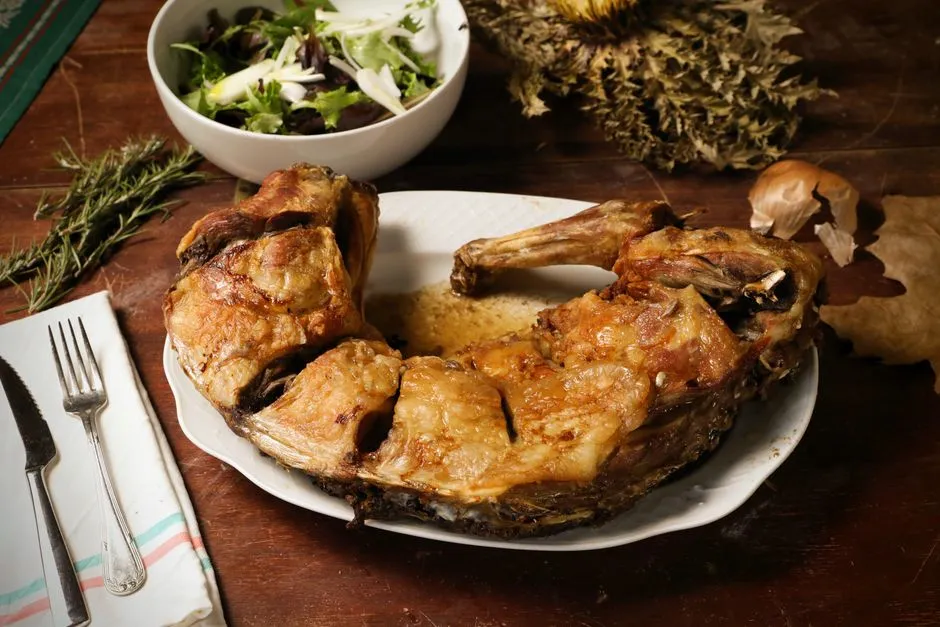
First reported by French scientist Louis Camille Maillard, the Maillard reaction is best known for creating flavor and aroma. It occurs when amino acids and reducing sugars cause a chemical reaction that gives cooked meat a brown color and an enhanced flavor. The process begins at around 140 degrees Fahrenheit and becomes more evident as temperatures increase.
The Maillard reaction is what builds flavor and color in cooked food. You control it through three things: heat that’s high enough to trigger browning, surfaces dry enough to reach those temperatures, and time for flavor to develop without burning. That’s why professional kitchens rely on hot pans and dry proteins.
Grandmothers intuitively understood this, even without knowing the chemistry behind it. The initial sear before the long, slow simmer is not decorative. It’s the foundation of flavor that no shortcut can replicate.
Why Tough Cuts Become Treasures
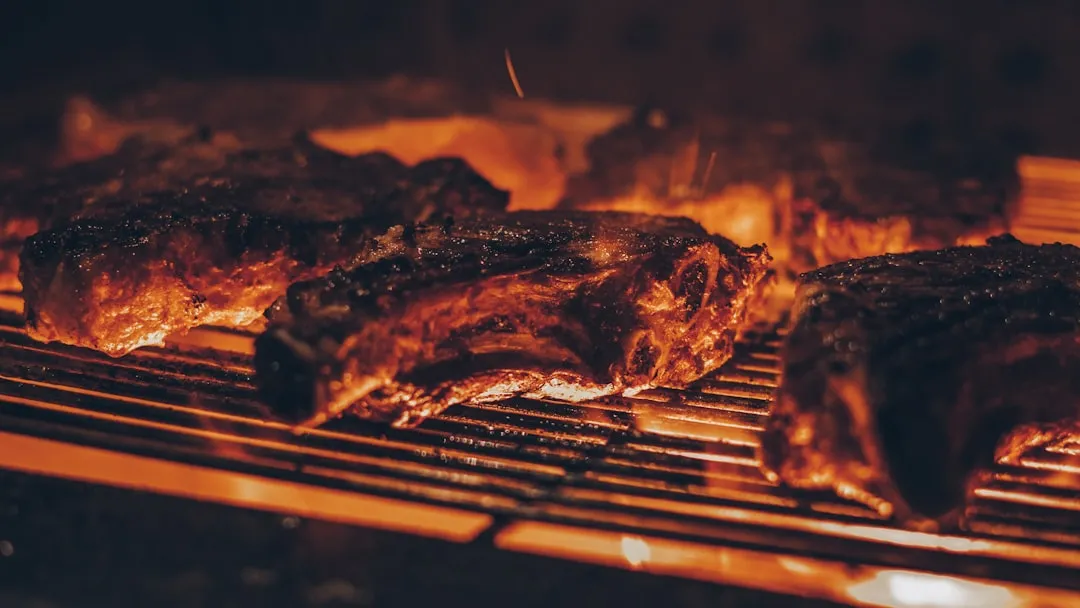
Braising is a cooking method that works wonders on tougher cuts of meat, turning them into tender, flavorful dishes. It combines two essential techniques: searing for a rich, caramelized crust and slow, moist cooking to break down tough fibers.
Slow-cooked meals are generally easier to make and very cost-effective, using cuts of meat that improve in texture and flavor when cooked for long periods of time at low temperatures. These tough cuts of meat contain large amounts of collagen which require long cooking times to break down into a rich gelatin.
While it does take time, most of it is hands-off, making braising ideal for leisurely weekend cooking or prepping meals ahead. Grandmothers weren’t slow because they lacked skill. They were slow because they understood that time was the real ingredient.
The Bone Broth Connection
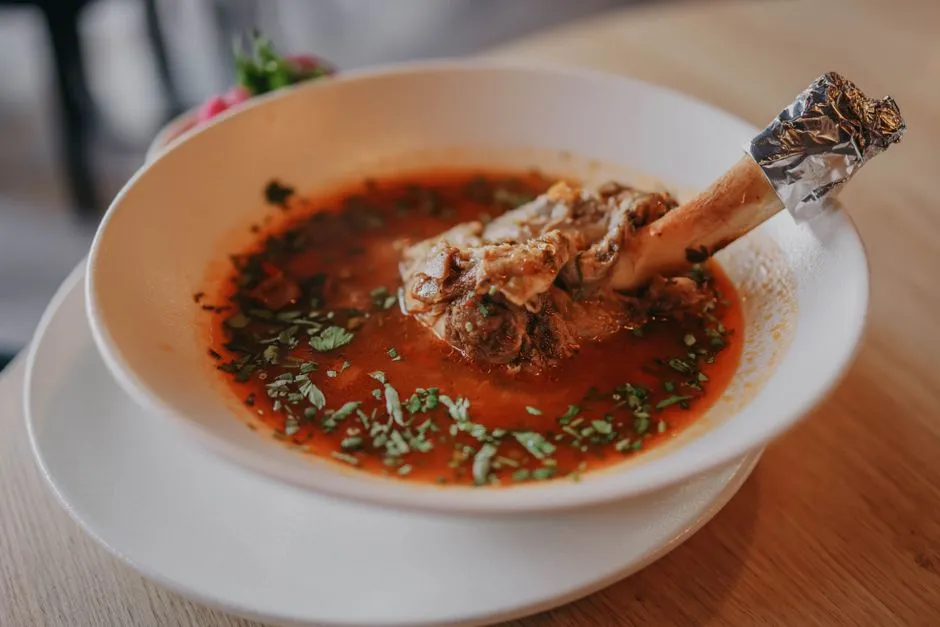
Bone broth is a special form of stock made by simmering beef, lamb, chicken, turkey, or pork bones in water for 12 to 24 hours. The resulting liquid is rich in collagen and protein, as well as micronutrients.
Bone broth is a savory, nutrient-rich liquid made by simmering animal bones in water for an extended period, typically 12 to 48 hours. This prolonged cooking process extracts collagen, gelatin, amino acids, minerals, and other compounds. The resulting liquid contains significant protein, typically 8 to 10 grams per cup, with roughly 40 to 80 percent of that protein being collagen.
Research in animals has shown that bone broth has anti-inflammatory properties that decrease symptoms of ulcerative colitis. A study in a 2024 issue of the Journal of Food Science found that the hyaluronan and chondroitin sulfate in chicken-vegetable bone broth slowed osteoporosis progression in lab-based experiments. Grandma’s pot of simmering bones wasn’t superstition. It was nutrition science ahead of its time.
Cast Iron: The Undefeated Kitchen Tool
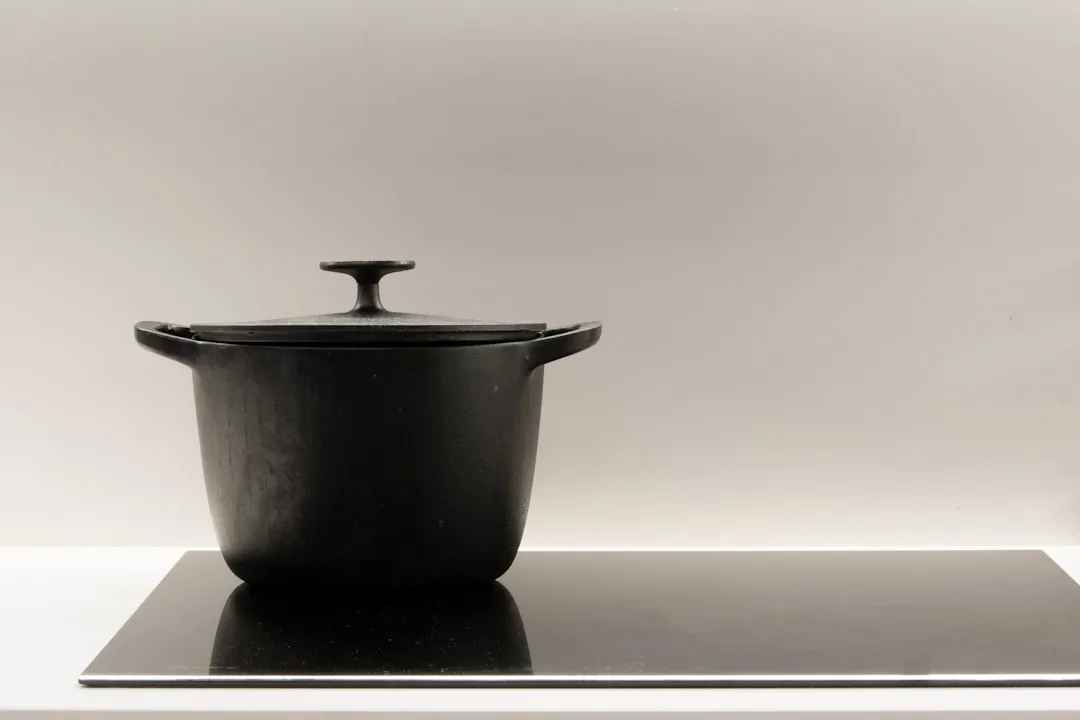
A heavy-bottomed pot, like a Dutch oven, distributes heat evenly and prevents scorching, which is exactly the environment braising demands. Cast iron has been the tool of choice for generations of home cooks, and modern kitchens are quietly rediscovering why.
The benefits of cooking with cast iron include its ability, when well-seasoned, to create low-fat recipes and time-saving one-pot meals. A 2025 to 2026 University of Kentucky Cooperative Extension program found that 90 percent of participants reported a better understanding of how cast-iron cooking could be a part of a healthy diet after completing a learning session on its use.
Cast iron holds heat with a consistency that modern non-stick pans simply can’t match. For braising, that steady, even warmth surrounding the pot is exactly what the method requires to work properly.
The “En Papillote” Method: Steam as a Cooking Force
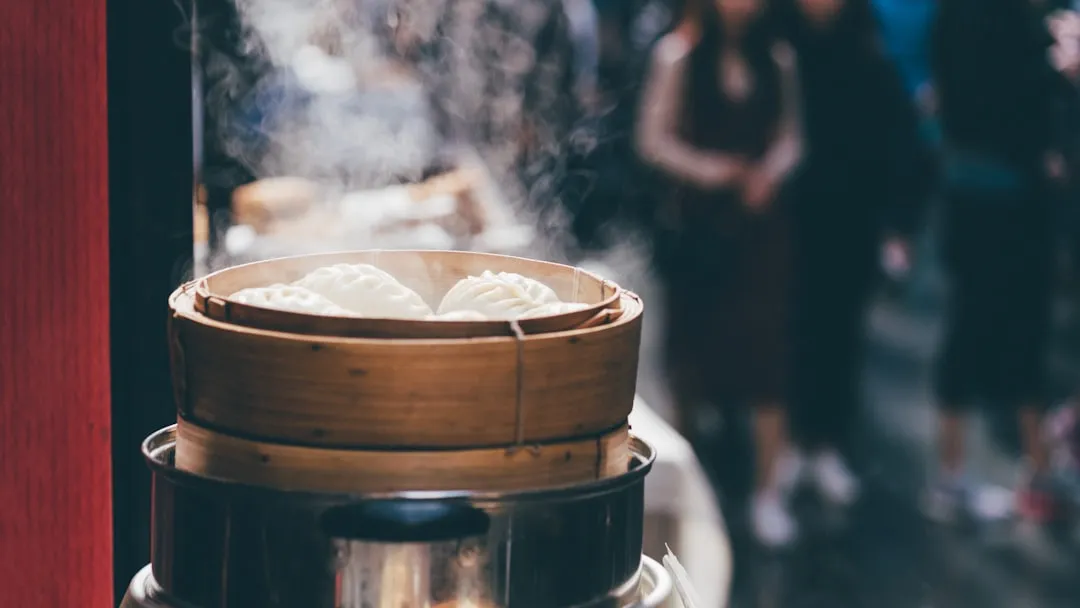
The original “en papillote” method created self-contained steam chambers that infused foods with herbs and aromatics while retaining all their natural juices. This gentle cooking method preserved delicate textures while concentrating flavors in ways foil cannot.
Grandmothers used parchment, sealed clay pots, and cloth-wrapped packages long before anyone coined a French term for it. The principle remains the same across cultures: trapping steam inside a sealed vessel allows food to cook in its own moisture, locking in both flavor and nutrients.
Modern chefs at fine dining restaurants have rebranded this as a premium technique, but the logic is identical to what traditional cooks in North Africa, Southeast Asia, and rural Europe were doing for centuries with whatever wrapping material they had available.
Dry Curing and Salt Preservation: Flavor Built Over Time
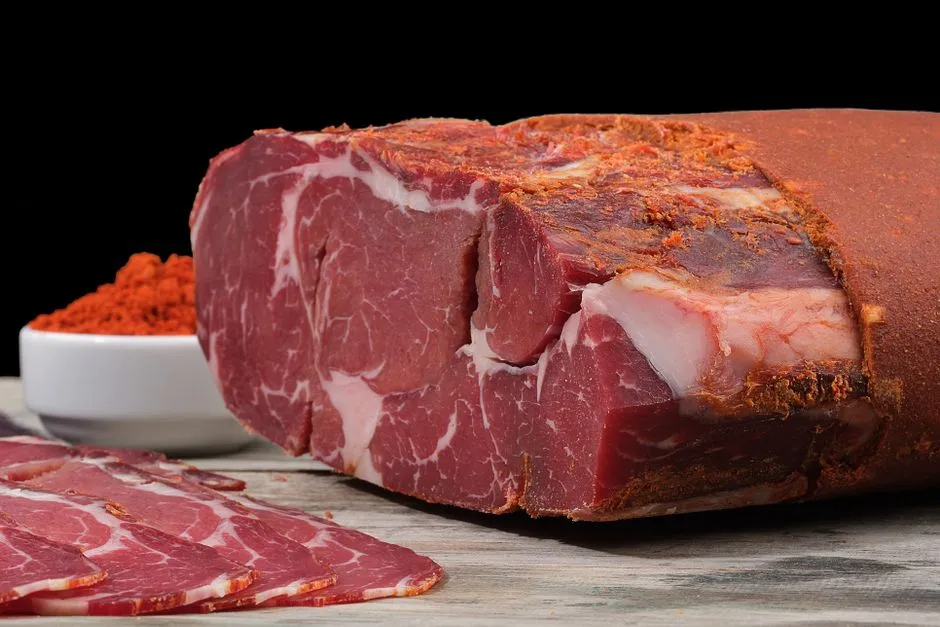
The methodical process of dry-curing with salt and spices created foods with concentrated flavors and extended shelf lives. Salt cod, country hams, and gravlax weren’t just preservation methods but culinary treasures in their own right.
What made these techniques so remarkable was not just their practicality but their flavor outcomes. The slow, cold transformation that salt triggers in protein draws out moisture, concentrates taste, and creates an entirely different texture than any quick-cooked alternative.
Modern refrigeration has made us forget these techniques. Yet charcutiers, artisan producers, and high-end restaurant kitchens have invested heavily in reviving them, recognizing that patience in preservation produces results that no refrigerated shortcut can replicate.
The “Nonna-Stalgia” Trend Is Not Going Away
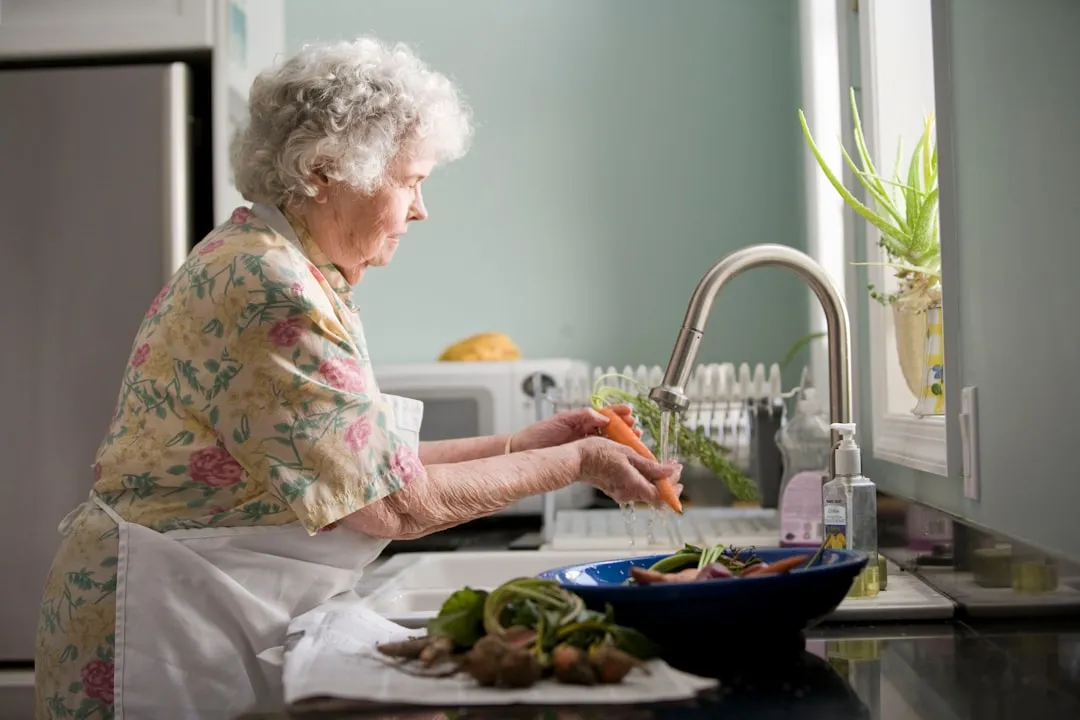
Amid pricey groceries and packed schedules, many Americans are gravitating toward simple, affordable meals rooted in tradition, connection, and comfort. The braising method fits this perfectly: it’s inexpensive, forgiving, and produces results that feel genuinely satisfying.
Experts say the shift is a response to years of fussy food culture and constant trend-chasing. Hundreds of pot roast recipes exist online, but they all follow the same grandma logic: time, simple ingredients, and “let it cook.” That simplicity is precisely the point.
Traditional cooking methods have stood the test of time for good reason. They often rely on simple tools and techniques that bring out the best in ingredients, including slow cooking and open-fire methods that require patience and skill passed down through generations. They’re all about coaxing flavor out of ingredients over time.
What Chefs Are Actually Saying
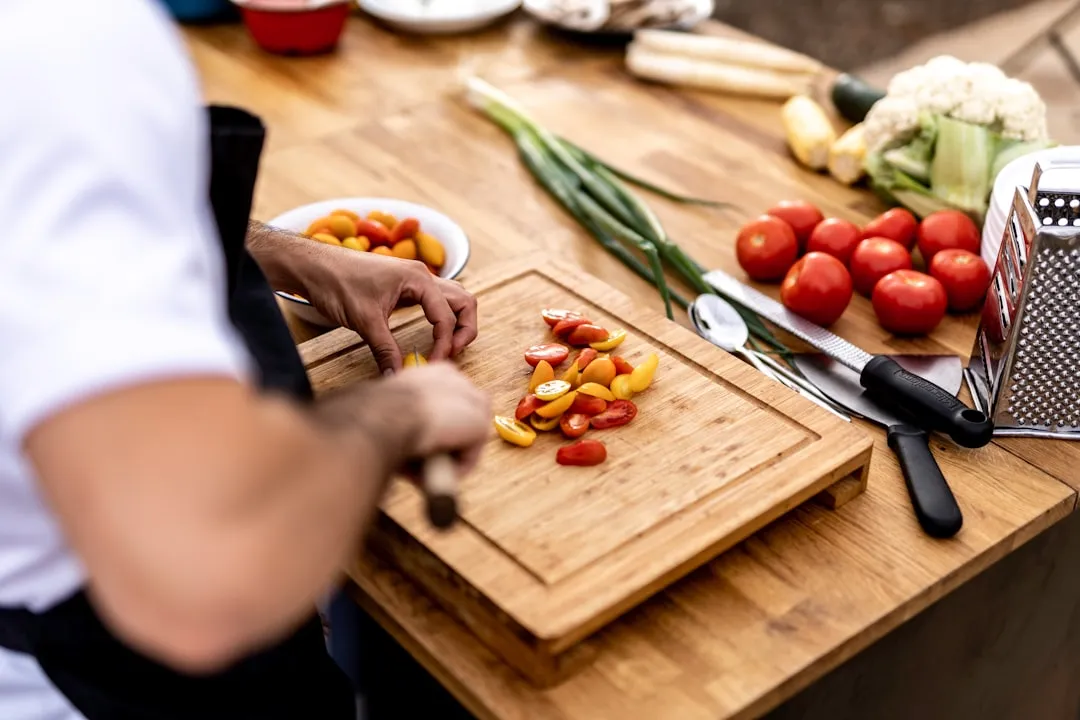
Traditional methods often shine when it comes to developing deep, complex flavors, creating dishes with cultural significance, and utilizing whole ingredients with minimal waste. This is the assessment not of food nostalgia bloggers, but of culinary schools and working chefs who have access to every modern tool available.
For home cooks and professional chefs alike, the key is to be open to learning. Understanding both traditional and modern techniques gives you a fuller culinary toolbox. It’s not about choosing one over the other, but knowing when to use each approach for the best results.
Cooking techniques such as sautéing, roasting, and frying, which create flavor by applying high heat to proteins and sugars, require frequent monitoring to manage that high heat so it doesn’t burn or dry out the food. Braising, though, relies on low heat, which allows the cook to leave the dish alone while it gets better and better. That last phrase is the one no modern kitchen gadget has ever truly improved on.
The Takeaway
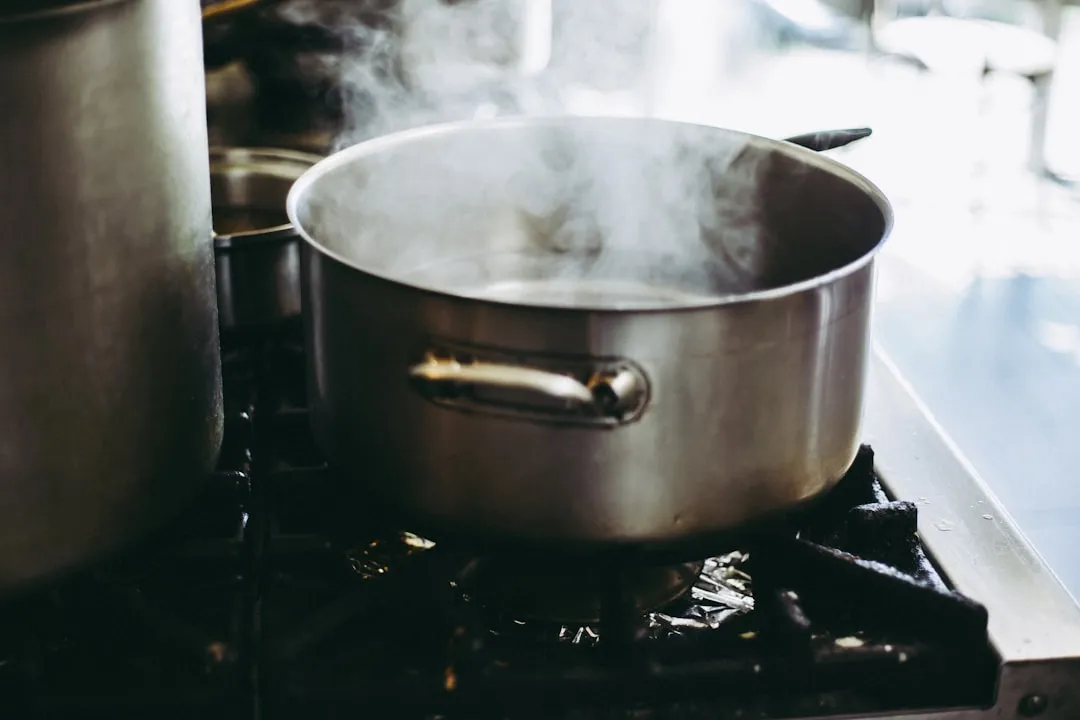
Braising doesn’t require a subscription, a smartphone, or a learning curve. It requires a decent pot, a modest flame, and enough time to let chemistry do what it does best. Grandmothers knew this not because they had read food science journals, but because they had cooked thousands of meals and paid attention to what actually worked.
Neither grandmother complained about the time it took to cook something from scratch. In fact, it was their priority. As their traditions are carried forward, it becomes clear that it’s not just about the old-school techniques, but more of a mindset, as the practices themselves work their way into every part of one’s relationship with food.
The most advanced culinary science of 2026 keeps arriving at the same conclusion: low heat, long time, and a covered pot still produce something that high-tech equipment struggles to match. Some things just work better when you don’t rush them.
AI Disclaimer: This article was created with the assistance of AI tools and reviewed by a human editor.