
Most people treat their pots and pans as nearly indestructible. You cook with them, toss them in the sink, stack them in the cabinet, and repeat. It’s routine. What’s easy to miss is that a handful of those everyday habits are steadily shortening the life of your cookware – sometimes in ways you won’t notice until the damage is already done.
The culprit usually isn’t the pan itself. It’s a handful of everyday kitchen habits that seem perfectly harmless but chip away at the nonstick surface one meal at a time. Here’s a close look at the ten most damaging ones – and what’s actually happening to your cookware when you do them.
1. Running a Hot Pan Under Cold Water
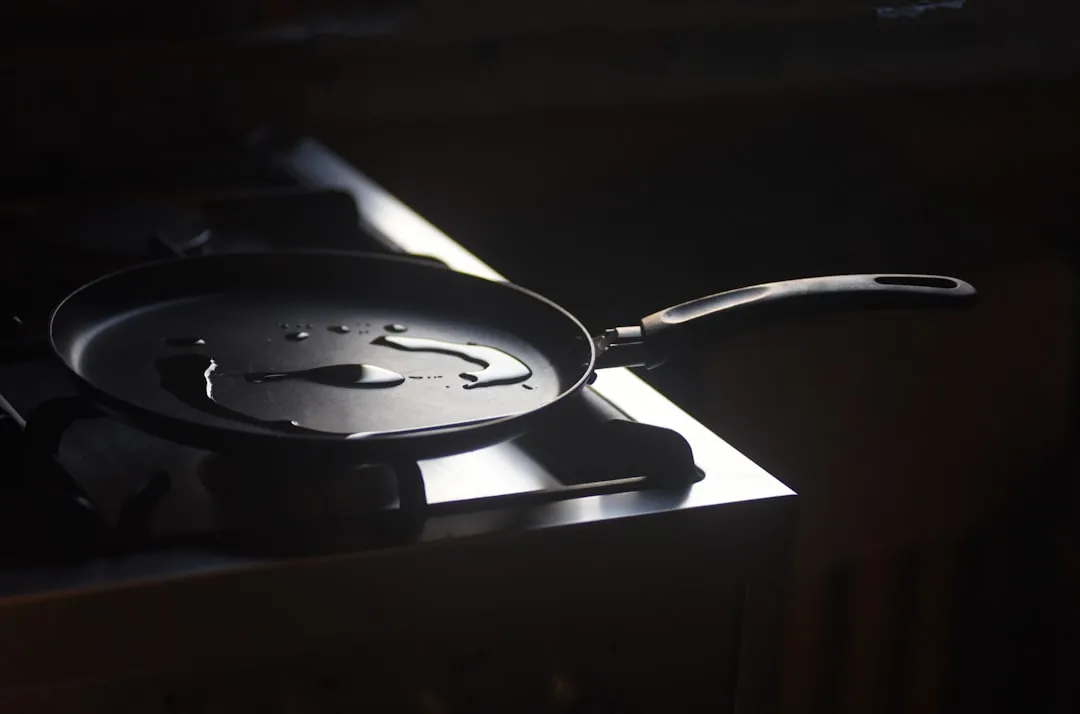
This one is probably the most common, and the most quietly destructive. You finish cooking, the pan is still radiating heat, and you want to get on with the cleanup. So you run it straight under cold water. Rinsing pans with cold water while they’re still piping hot is the most common cause of warping. Although it’s tempting to cool down and clean your pans immediately after cooking, doing so results in thermal shock – when an object is exposed to a rapid change in temperature, causing it to expand or contract unevenly – and when the stress is stronger than the material, it causes cracking, deformation, and warping.
As Calphalon’s brand development team confirmed, if a hot pan is placed under cold water, thermal shock may occur, and by rapidly lowering the temperature of a pan, warping and cracking may follow. Over time, repeated thermal shock weakens the material structure of your cookware, and this degradation can manifest as subtle changes in cooking performance – food sticking in new places, longer heating times, or uneven browning.
The fix is simple: let the pan cool on the stovetop or a trivet until it reaches room temperature, then wash it. It takes a bit of patience, but it can add years to the life of even a mid-range pan.
2. Cranking the Heat Too High on Nonstick Pans
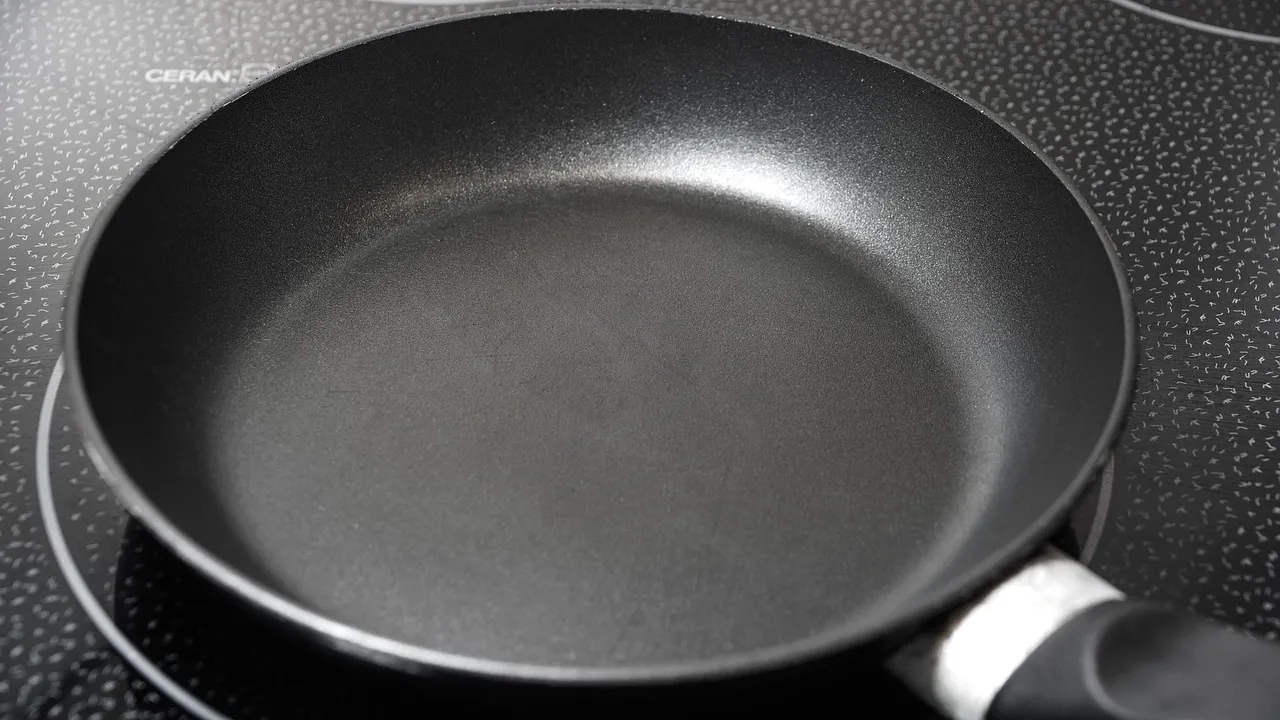
PTFE-based coatings begin breaking down around 500°F, and a burner set to high can push well past that threshold in minutes. The coating doesn’t fail all at once. It degrades gradually, losing its slick finish and eventually starting to peel. At extreme temperatures, the coating can even release fumes that irritate the lungs.
Nonstick pans should be used only over low and medium heat, as they’re not designed for high-heat applications like searing a steak. High heat will damage the nonstick coatings of the pan over time, and may even create toxic fumes when heated too high.
A 2024 study tested six types of aluminum-based cookware coated in Teflon or granite, commonly known as ceramic-coated. The researchers performed various corrosion, abrasion, and mechanical tests, and heated the cookware to various temperatures for varying lengths of time – and the results showed that prolonged heating and temperatures higher than 250°C (482°F) affected the internal structures of all the cookware. Medium heat is almost always enough for everyday cooking tasks.
3. Heating an Empty Pan
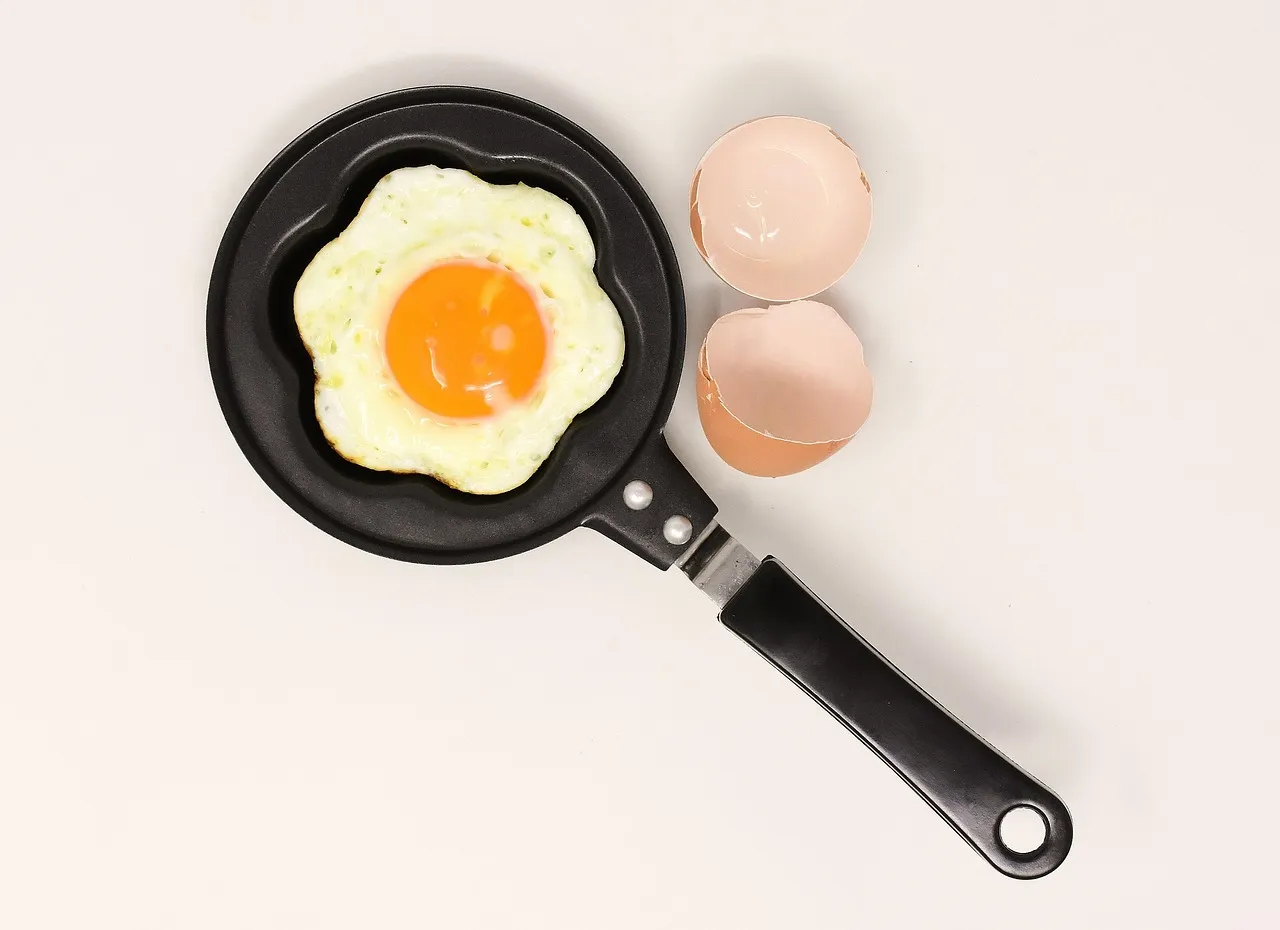
Heating an empty nonstick pan can damage the coating and shorten its life, according to T-Fal, a major manufacturer of nonstick skillets. Without any food for heat to transfer to, the pan can quickly heat to 500°F, and at that temperature, the Teflon coating begins to break down, destroying the non-stick surface and releasing noxious fumes into your kitchen.
There are two reasons to add oil before cooking – it enhances the nonstick effects of the cookware when added before the food can soak up the oil, and more importantly, some nonstick pans can emit potentially unhealthy fumes when heated without a lubricant. A small amount of oil added before turning on the burner protects both the coating and your air quality.
4. Using Metal Utensils on Nonstick Surfaces
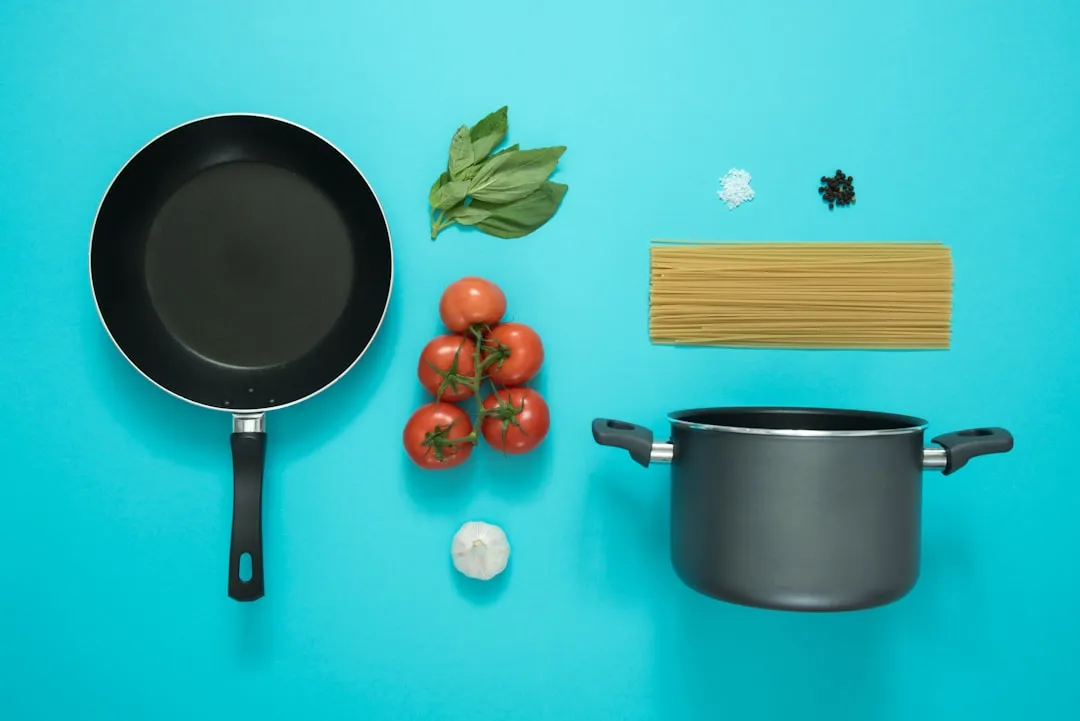
One of the fastest ways to ruin expensive cookware is by using metal spatulas, forks, or whisks on nonstick surfaces. The sharp edges of metal utensils can scratch and damage the delicate nonstick coating, and once the coating is compromised, food starts sticking. Worse, flakes of the nonstick material can end up in your food.
Nonstick coatings are fragile compared to things like cast iron and stainless steel, and using metal tongs, forks, or other cooking instruments will easily scratch them. Once that happens, not only will the nonstick qualities wear off, but the coating will start to flake into your food.
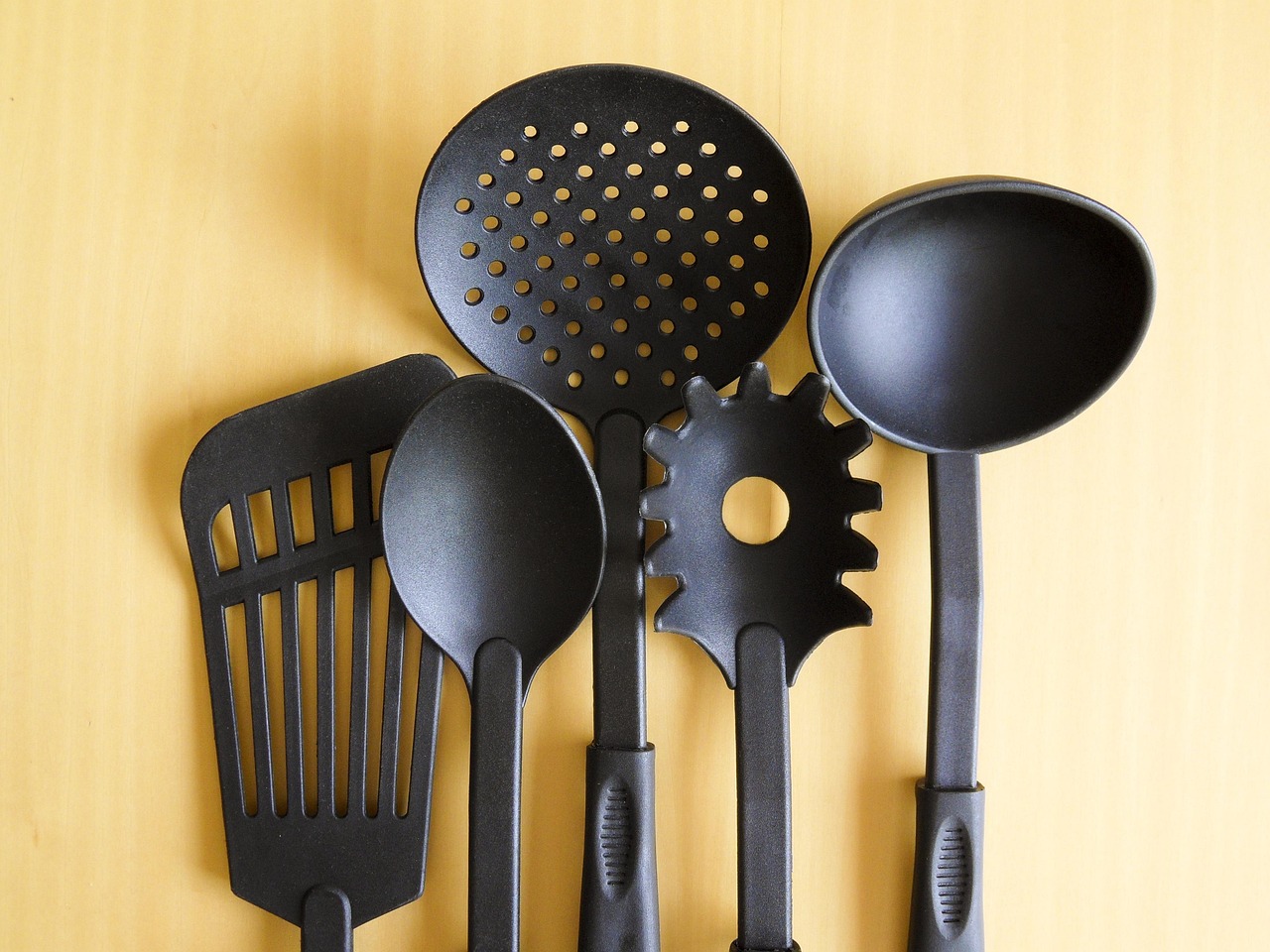
Switching to silicone or wooden utensils is a small change with a real payoff. Even if a pan claims to be “metal utensil safe,” it’s still wise to stick with softer tools for maximum longevity.
5. Putting Nonstick Pans in the Dishwasher
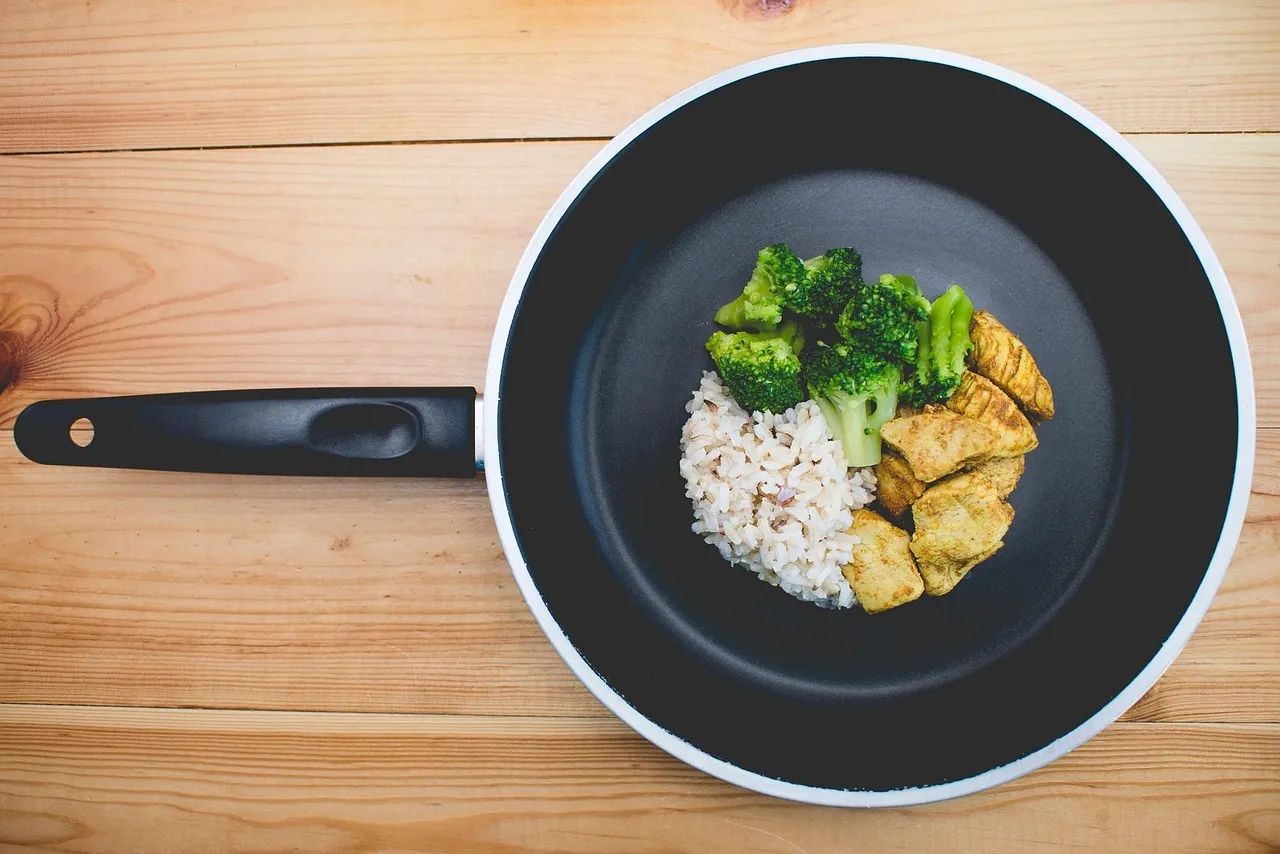
Despite their buttery soft cooking surfaces, nonstick pans can still be a chore to clean – and it can be tempting to pop your pieces into the dishwasher, but this can actually damage your cookware in the long run. The harsh environment of a dishwasher’s cleaning cycles will quickly erode the non-stick surface of the pan, and warm dish soap and a soft sponge are the best way to clean non-stick pans.
High temperatures, aggressive detergents, and prolonged water exposure all work against the nonstick coating during a dishwasher cycle. Even pans labeled “dishwasher safe” tend to degrade faster with repeated machine washing than with gentle hand washing.
6. Stacking Pans Without Protection
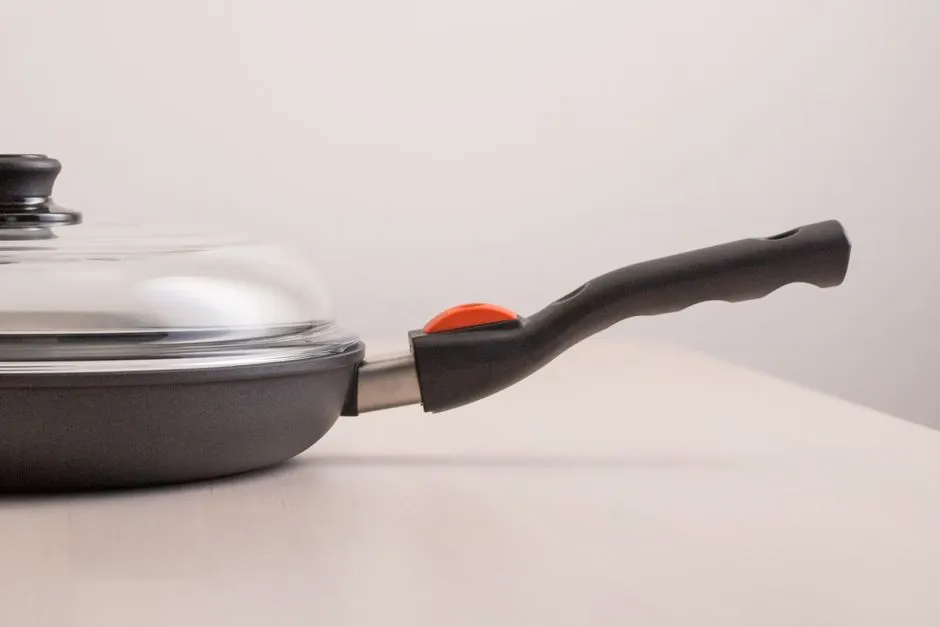
When nonstick pans are nested, the bottom of one pan may scratch the cooking surface of another. Calphalon, among other brands, warns owners of its cookware that nesting pans or storing lids between them can void the warranty.
Nesting non-stick pans by stacking them is a mistake because the bottom of the pans can scratch and damage the non-stick coating of the pan beneath it. If you want to nest your pans, separate them with a paper towel, or better yet, a soft microfiber cloth. A set of inexpensive pan protectors does the same job even more reliably and costs very little.
7. Using Aerosol Cooking Sprays
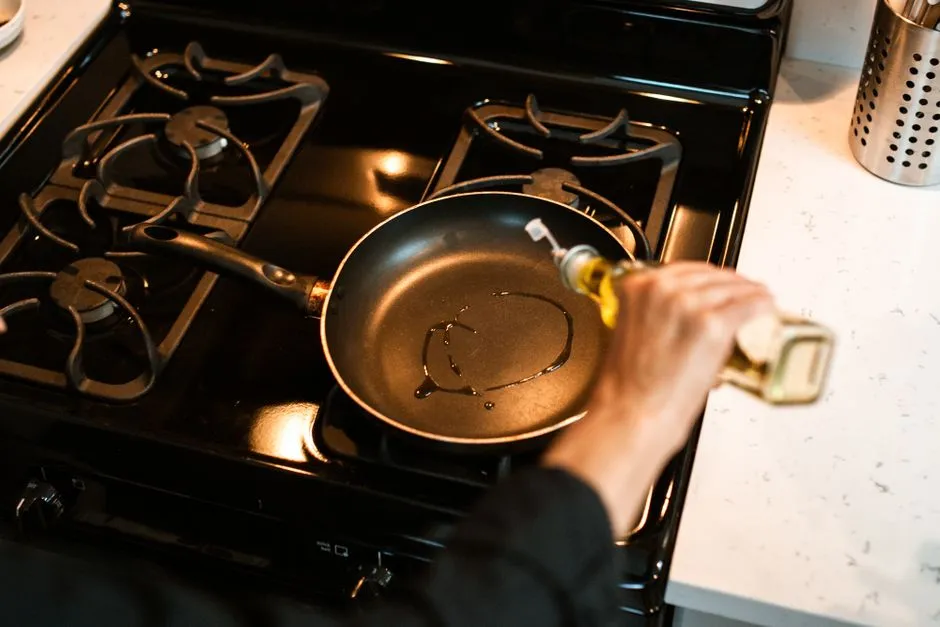
Aerosol cooking sprays may seem convenient, but they contain an additive called soy lecithin, which creates a sticky, gummy residue that is nearly impossible to remove from non-stick cooking pans without damaging the surface, ruining the pan’s non-stick properties, and usually voiding its warranty.
Cooking sprays burn at a lower temperature than butter or oil and can leave a sticky buildup on your pan that’s hard to remove. In fact, Anolon says in its owner’s manuals that using cooking spray on its nonstick pans will void the warranty. If you like to spritz a little oil on the pan before you cook, filling a mister with your preferred vegetable oil or olive oil is the better option.
8. Continuing to Use Scratched or Peeling Pans
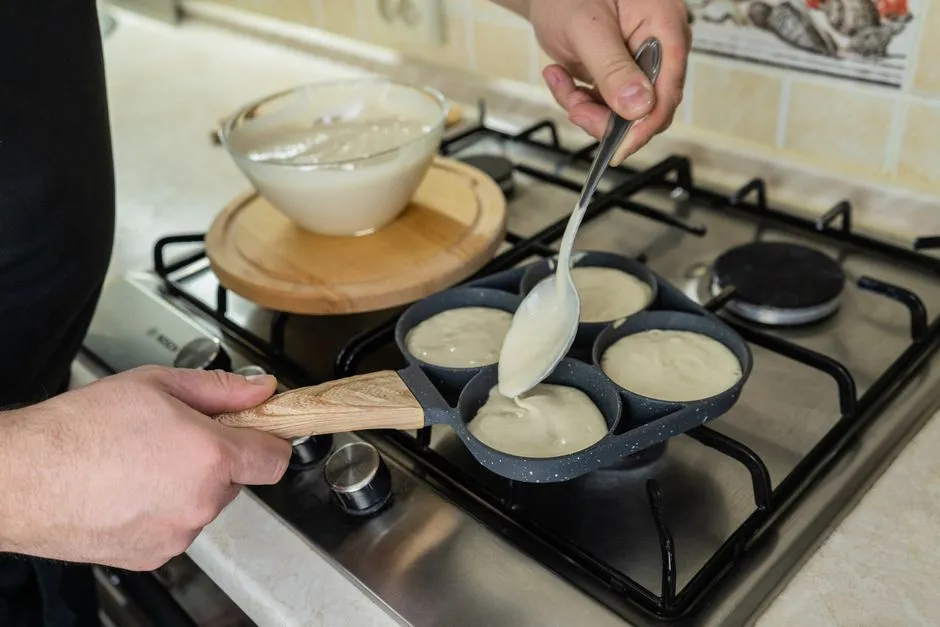
Experts recommend replacing nonstick pans roughly every five years, and immediately if the coating is chipped or scratched, since damaged coatings can release millions of microscopic particles during cooking. Most households replace far less often than that.
If you notice that any of your nonstick pans are scratched, damaged, pitting, or peeling, they should be retired right away. Damage to a nonstick pan can expose food to potentially toxic PFAS used in their finishes. PFAS, or per- and polyfluoroalkyl substances, are a class of more than 14,000 identified synthetic compounds linked to cancer, reproductive harm, and hormone disruption. The risk rises sharply once the coating starts physically breaking down.
As of January 1, 2025, Minnesota became the first state to ban the sale of nonstick cookware coated with PFAS, while Vermont, Connecticut, Rhode Island, and Colorado are moving ahead with bans or restrictions on cookware containing intentionally added PFAS, with enforcement dates ranging from 2026 to 2028. That legislative shift signals just how seriously regulators are beginning to treat this issue.
9. Using Warped or Damaged Pans on Induction or Glass Cooktops
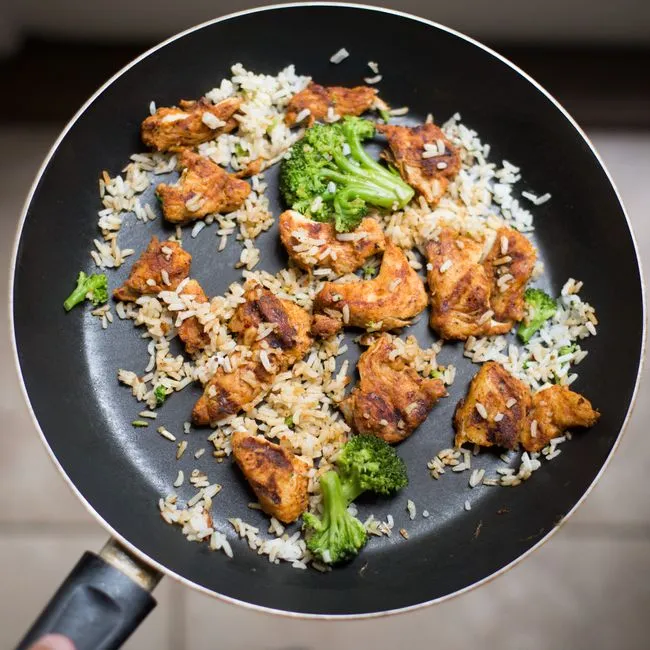
A badly damaged pan is hard to cook in. Oil runs off to the side, food browns unevenly, and the pan will rock on the stovetop and will be especially hard – or even impossible – to use on glass-topped electric and induction cooktops.
The bottom of your pans might develop slight warping that you can’t see but can definitely feel when the pan rocks on your cooktop. Different materials react differently to thermal shock: stainless steel can warp, enamel can crack, and non-stick coatings can separate from their base metal. Continuing to cook on a warped pan compounds the damage with every meal.
10. Ignoring the Signs of Wear for Too Long
North American and Western European households often retain cookware for seven to ten years, suppressing unit turnover – and in many cases, keeping pans well past the point where they should have been retired. The ceramic cookware segment is growing at a notable rate, driven by demand for non-toxic surfaces, and roughly a quarter of consumers now specifically look for cookware free of PTFE and PFOA.
Research from the Ecology Center found that 79% of tested nonstick cooking pans were coated with PTFE – a substance that is safe when the coating is intact but becomes a concern once it degrades. PFAS is known to accumulate in the environment and has been linked to human health impacts such as abnormal thyroid and hormone function, reduced immune system response, and cancer. Routine inspection of your cookware’s surface takes about thirty seconds and can make a meaningful difference.
The Takeaway
None of these habits are dramatic. That’s what makes them so easy to overlook. Rinsing a hot pan, leaving it on a high flame for a minute too long, stacking without a cloth buffer – these feel like non-events. Over months and years, though, they accumulate into real damage: warped surfaces, flaking coatings, and pans that no longer perform the way they should.
The good news is that most of these fixes cost nothing. A little patience at the sink, a switch to silicone spatulas, and a cloth between stacked pans can extend the life of your cookware considerably. Whether it’s a high-end nonstick skillet or a premium stainless steel pot, quality cookware is designed to last for years – but even the best pots and pans can be ruined by a few common kitchen habits. Knowing which habits those are is already most of the work.
AI Disclaimer: This article was created with the assistance of AI tools and reviewed by a human editor.