

Your kidneys quietly do some of the hardest work in your body. Every single day, they filter roughly 200 liters of blood, removing waste products and excess fluids while keeping your electrolytes in precise balance. Most of us only think about them when something goes wrong.
Chronic kidney disease affects about 700 million people worldwide and can lead to kidney failure and death, which is why identifying factors that might prevent its onset and progression has become so important. The good news is that what you eat genuinely matters, and several well-studied foods have a real, evidence-backed role in keeping your kidneys functioning well.
1. Blueberries: Small Fruit, Serious Protection
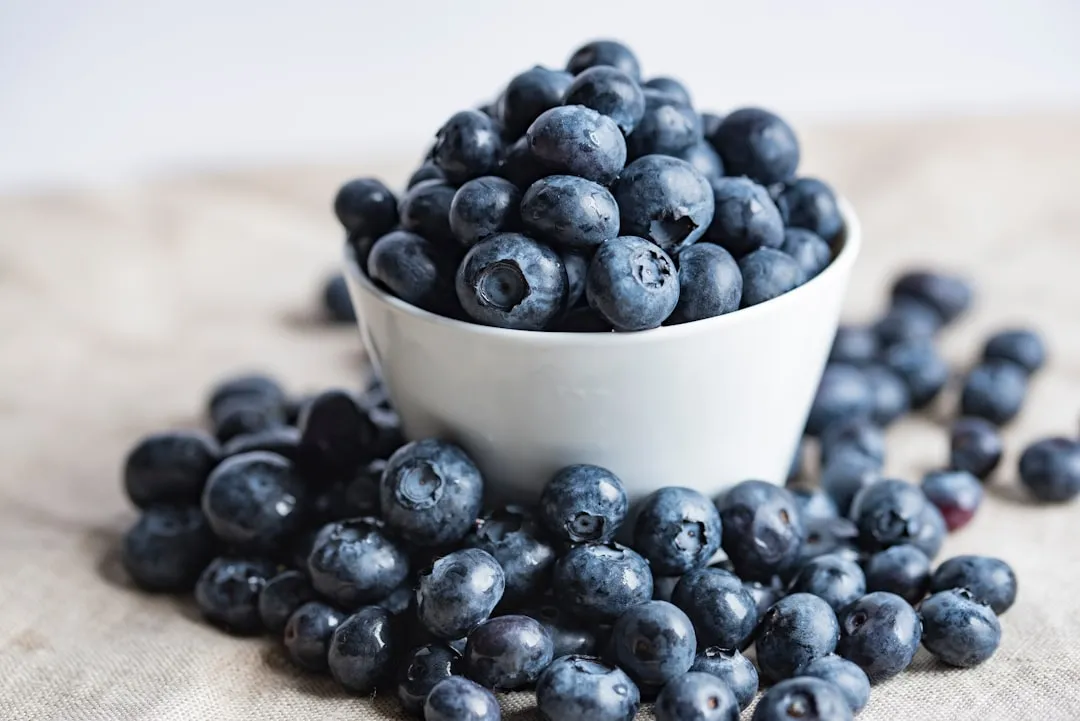
Blueberries are high in anthocyanins and vitamin C, which offer strong antioxidant and anti-inflammatory benefits. They get their deep blue color from anthocyanins, a type of flavonoid that helps fight oxidative stress and inflammation, which can harm kidney cells over time.
Research has shown that people who consumed more fruits like berries and apples had a 16 percent lower risk of developing chronic kidney disease, thanks to the flavonoids from these fruits. That’s not a trivial number.
Berries are low in calories and sugar and high in fiber. They also have antioxidant and anti-inflammatory properties while being naturally low in sodium, phosphorus, and potassium, which makes them especially practical for anyone already managing kidney disease.
Several meta-analyses have shown beneficial effects of blueberries on cardiometabolic markers. One meta-analysis of 44 randomized controlled trials and 15 prospective cohort studies found that consuming anthocyanin-rich berries was associated with lower blood total cholesterol and the pro-inflammatory marker C-reactive protein.
2. Fatty Fish: Omega-3s That Slow Kidney Decline
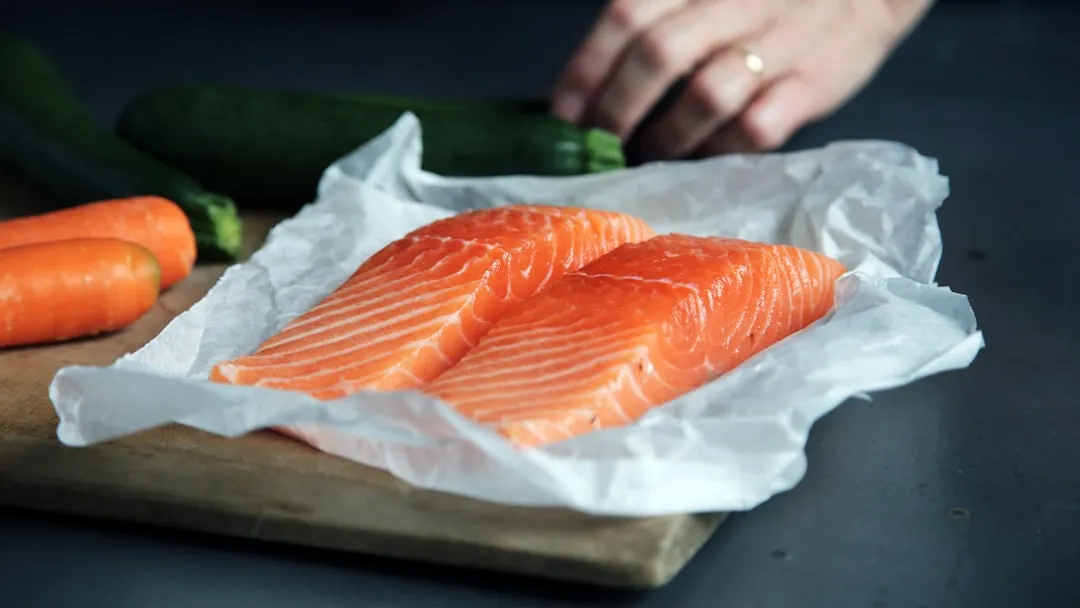
Research has shown that omega-3s can have a protective effect on the kidneys. A study published in the American Journal of Kidney Diseases found that higher intake of omega-3s from fish was associated with a lower risk of CKD.
Researchers from the University of New South Wales in Sydney analyzed data from 19 studies across 12 countries to assess links between long-chain omega-3 polyunsaturated fatty acids and chronic kidney disease, with over 25,000 participants involved.
Participants who had higher levels of seafood-derived omega-3 in their diets had an 8 percent lower risk of developing chronic kidney disease, and those consuming the highest levels of omega-3s found only in seafood had a 13 percent lower risk of developing chronic kidney disease.
Salmon, cod, halibut, and tuna are naturally low in sodium, though they can contain moderate amounts of potassium and phosphorus. Eaten a couple of times per week in sensible portions, they are a practical way to bring kidney-protective omega-3s into your routine.
3. Apples: Fiber and Flavonoids in Every Bite
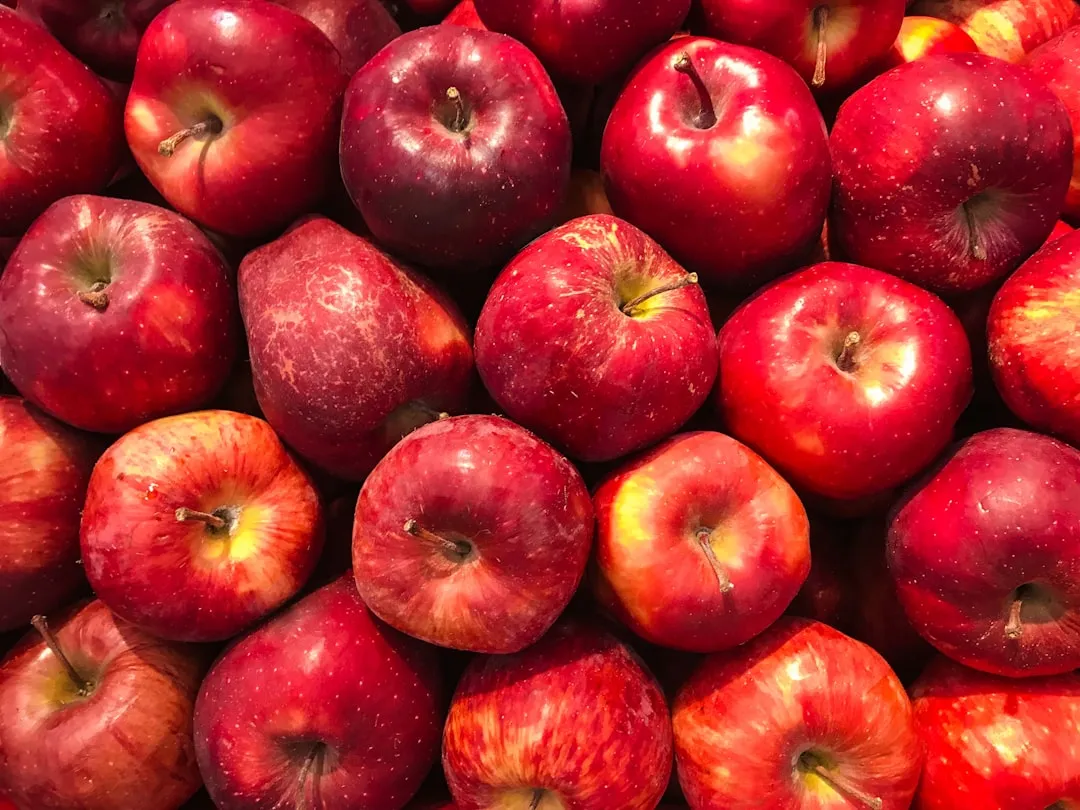
Apples are a versatile fruit with a crisp texture and a balance of sweet and tart flavors. They’re low in potassium, phosphorus, and sodium, making them an excellent choice for a kidney-friendly diet.
Apples have been known to reduce cholesterol, prevent constipation, protect against heart disease, and reduce the risk of cancer. High in fiber and anti-inflammatory compounds, an apple a day may really keep the doctor away.
Studies show that eating whole grains, nuts, fruits, and vegetables is one of the most important ways to keep kidneys healthy. Apples slot neatly into that evidence-backed pattern without raising potassium levels in the way that higher-risk fruits can.
4. Red Bell Peppers: Low Potassium, High Nutrients

Red bell peppers are low in potassium and high in flavor. These tasty vegetables are also an excellent source of vitamins C and A, as well as vitamin B6, folic acid, and fiber. Red bell peppers contain lycopene, an antioxidant that helps protect against certain cancers.
In addition to being very low in minerals such as sodium and potassium, red bell peppers contain helpful antioxidant compounds, which may protect the cells from damage. For kidneys that are already under strain, that low mineral burden matters considerably.
Research published in a 2024 review in the National Center for Biotechnology Information explored the renal effects of capsaicin, a compound found in peppers. Capsaicin may modulate various aspects of renal function and renal nervous activity. Observed experimental benefits include preventing acute kidney injury, slowing the progression of diabetic and chronic kidney disease, and ameliorating hypertension.
5. Garlic: Flavor Without the Sodium Load
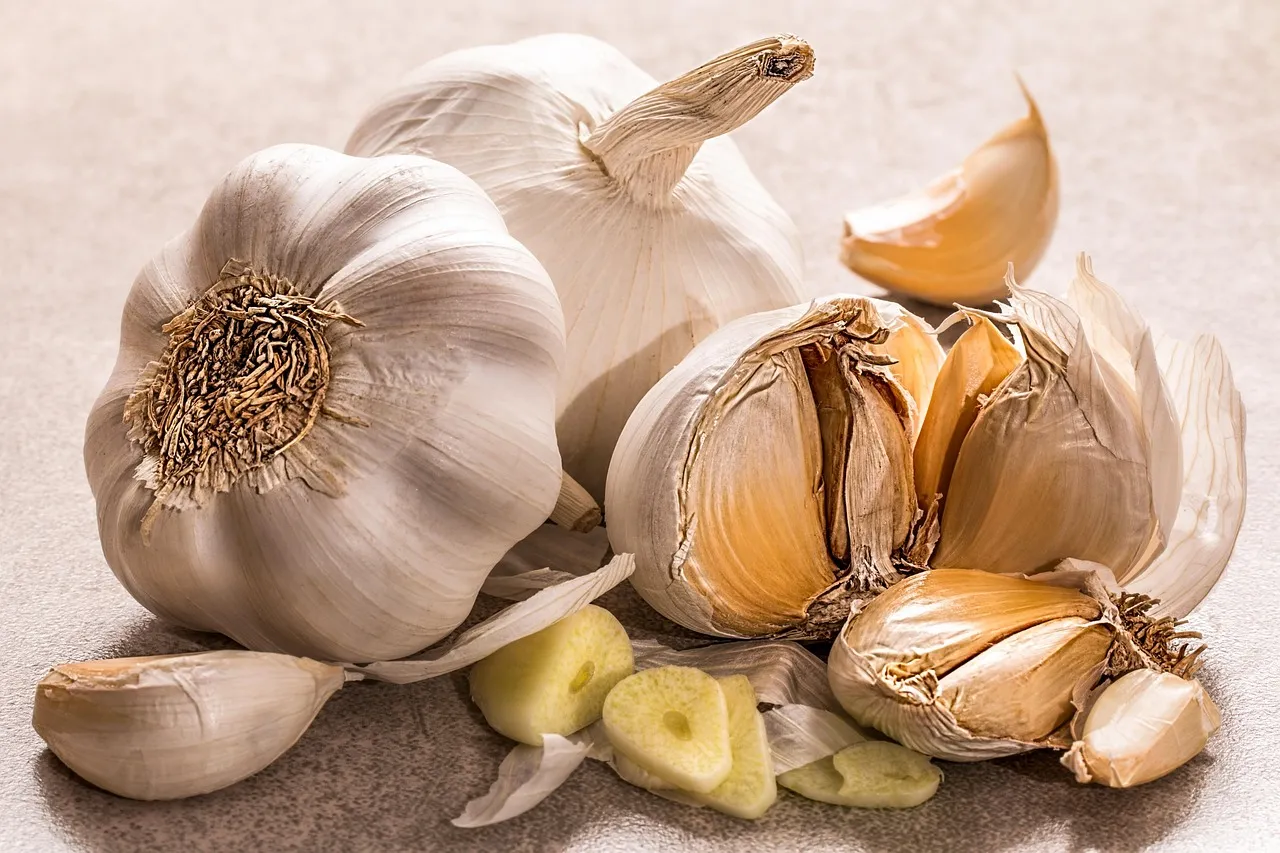
Garlic is an excellent seasoning choice for people with CKD. It can give other foods a more satisfying, full flavor, which may reduce the need for extra salt. Garlic also offers a range of health benefits.
One clove of garlic contains just 1 mg of sodium, 12 mg of potassium, and 4 mg of phosphorus. That profile is remarkably clean for someone following a renal diet, where keeping all three of those minerals in check is a daily balancing act.
Garlic’s chemical complexity is widely thought to be the source of its many health benefits, which include anti-platelet, procirculatory, anti-inflammatory, anti-apoptotic, neuroprotective, and anti-cancer effects. Recent animal research has also examined black garlic extract specifically.
The aging process in black garlic not only reduces the pungent odor but also enhances the concentration of bioactive compounds with potent antioxidant properties, including S-allyl cysteine, flavonoids, and polyphenols. These compounds are shown to have therapeutic potential, particularly in anti-inflammatory and antioxidant activities. Human trials in this specific area are still limited, but the mechanistic evidence is encouraging.
Why Potassium and Phosphorus Matter So Much

One thread running through all five of these foods is that they tend to be naturally low in minerals that damaged kidneys struggle to process. Some produce items can actually worsen kidney health due to their high levels of potassium, phosphorus, or sodium. These minerals are typically restricted in a renal diet because damaged kidneys struggle to filter them properly.
Choosing foods that deliver antioxidants and fiber without spiking potassium or phosphorus intake is not just smart nutritional strategy, it’s how most renal dietitians frame a kidney-protective diet day to day. The five foods covered here all manage that balance well.
The Broader Picture: Plant Foods and Kidney Disease Risk

Eating more plant-based foods like vegetables and grains instead of red meat can help prevent and slow kidney disease, diabetes, high blood pressure, and heart disease. Eating more plant-based foods such as vegetables and grains in place of animal-based foods such as red meat may help prevent and slow the progression of chronic kidney disease, type 2 diabetes, high blood pressure, and heart disease.
Eating a plant-based diet that includes a variety of fruits and vegetables has been shown to help lower high blood pressure. A 2024 study found that these foods may also protect against the worsening of chronic kidney disease in people with high blood pressure.
Epidemiological studies have suggested that a diet rich in fruits and vegetables is associated with health benefits including protection against kidney disease and renal cancer. These aren’t fringe findings either. They come from large-scale international research and align with the guidance of organizations like the National Kidney Foundation.
Cranberries: A Bonus Food Worth Mentioning
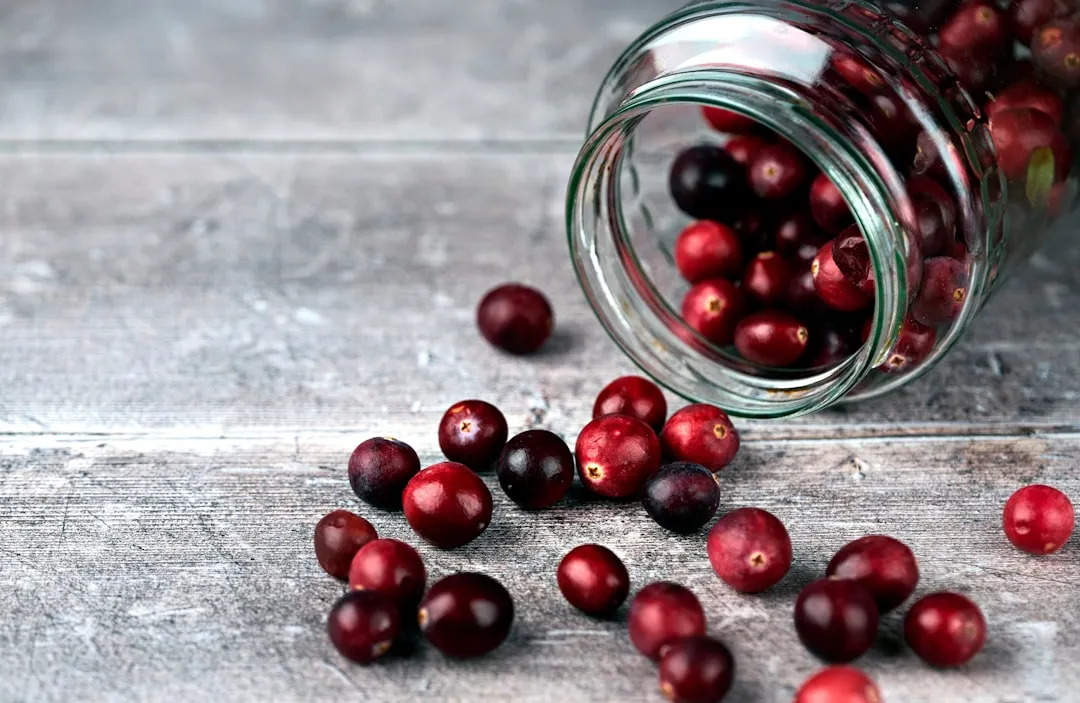
Growing evidence suggests that bioactive compounds in berry fruits may mitigate inflammation in patients with chronic kidney disease. Cranberries have been a particular focus of recent controlled trials.
Researchers evaluated cranberry supplementation effects on transcription factors involved in inflammation and oxidative stress in nondialysis patients with CKD, using a randomized, double-blind, placebo-controlled study with 30 patients receiving 1000 mg per day of cranberry extract for two months.
While the sample size was small, it represents part of a growing body of research that takes berry-based interventions seriously as a potential adjunct to standard kidney care. The National Kidney Foundation has also noted that dried cranberries may help reduce the risk of kidney stones. As with anything, individual needs vary.
What the Research Still Can’t Fully Answer
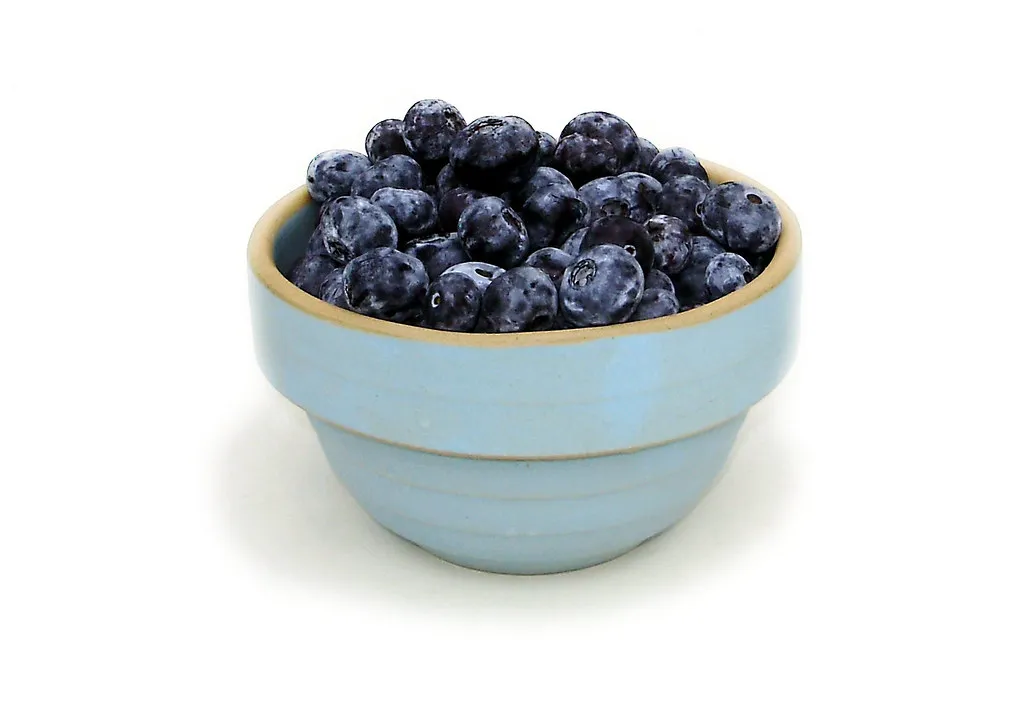
It’s worth being honest about the limits here. Many of the most compelling findings come from animal studies or observational research rather than large randomized human trials. More evidence, and particularly human clinical evidence, is needed to better understand the potential for anthocyanin-rich blueberries to benefit public health. Similar caveats apply to garlic and bell peppers.
This doesn’t diminish the value of incorporating these foods. It simply means the picture is still developing, and no single food is a cure or a substitute for medical treatment. Dietary needs change significantly based on the stage of kidney disease, from liberal intakes in early stages to strict controls in advanced stages.
How to Build These Foods Into Your Diet

None of these foods require elaborate preparation. Blueberries work well in yogurt or oatmeal. Whether fresh or frozen, blueberries are great to include in breakfast bowls, yogurt, or smoothies. Fatty fish like salmon is straightforward baked or grilled. Apples travel well as a snack.
Beans are an excellent addition to your diet, especially when looking out for your kidneys. They are low in fat, high in fiber, and provide protein, iron, potassium, and magnesium. Pairing beans with garlic and roasted red bell pepper is a genuinely kidney-friendly combination that also happens to taste good.
Garlic powder, not garlic salt, is the version to reach for when seasoning. Garlic provides a delicious flavor and garlic powder is a great substitute for garlic salt in the renal diet. Small swaps like that add up over time.
When to Talk to a Healthcare Provider
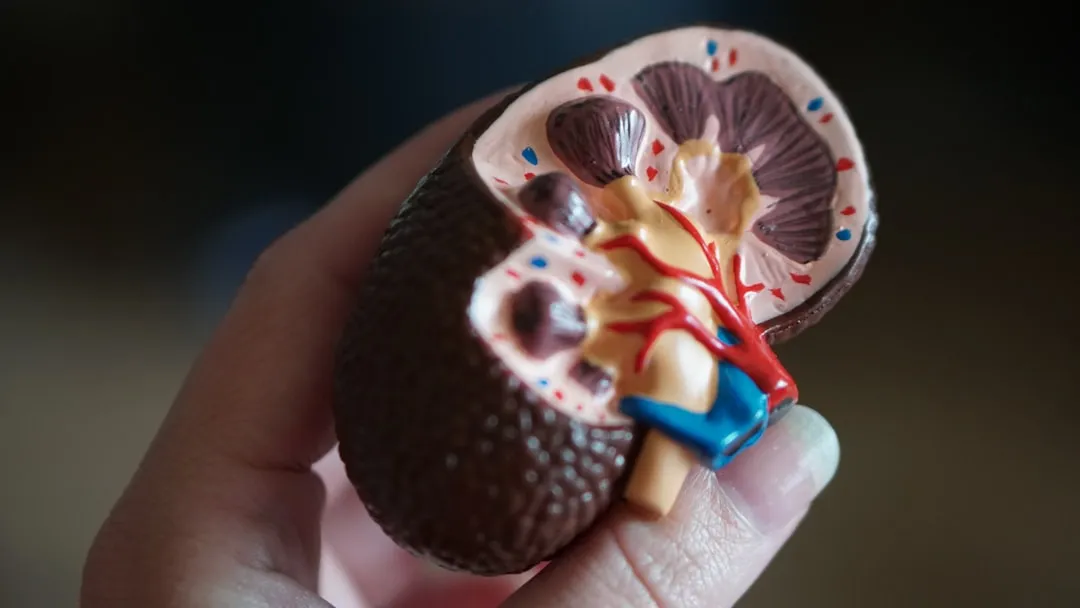
Dietary changes can have real clinical effects, especially for people already living with reduced kidney function. What works for healthy kidneys can sometimes be different from what is appropriate after a CKD diagnosis. If you have kidney disease, you’ll need to control the amount of sodium, potassium, and phosphorus you have in your diet.
A registered renal dietitian can help personalize what “kidney-friendly eating” actually means for your specific stage of kidney health, blood work, and medications. The foods in this article are a solid, research-supported starting point, not a blanket prescription.
A Closing Thought
What’s useful about this list is how ordinary these foods are. Blueberries, apples, fish, garlic, red bell peppers. Nothing exotic, nothing prohibitively expensive. Studies show that eating whole grains, nuts, fruits, and vegetables is one of the most important ways to keep kidneys healthy.
The kidneys rarely announce their distress early on. By the time symptoms show up, damage has often already accumulated quietly for years. Choosing even a handful of these foods consistently, as part of a broader balanced diet, is one of the more practical and well-supported things a person can do for long-term kidney health. The science doesn’t call it a cure. It calls it prevention, and that’s worth something.
AI Disclaimer: This article was created with the assistance of AI tools and reviewed by a human editor.