
Companion planting is one of those gardening practices that looks simple on the surface. Put the right plants next to each other, the thinking goes, and they’ll look after each other. Fewer pests, better soil, higher yields. The reality is a bit more complicated.
Companion planting can boost yields, reduce pests, and improve plant health, but only when it’s done with care. Get it wrong, and you can end up with stunted growth, poor harvests, or plants that quietly struggle all season long. The most damaging mistakes aren’t dramatic crop failures. They’re quiet, accumulating losses that are easy to blame on the weather.
Treating Plant-Pairing Advice as Universal Truth
A Cornell University extension survey found that roughly two-thirds of home gardeners who reported disappointing results from companion planting had applied blanket recommendations without adjusting for local conditions. Advice like “tomatoes love basil” isn’t wrong exactly, it’s just incomplete.
Companion planting mistakes are among the most frequent causes of poor yields, unexpected pest surges, and stunted plant development in home gardens. The top error is assuming all friendly plant pairings work universally, regardless of soil pH, root depth, light exposure, or seasonal timing. Your soil, your microclimate, and your plant varieties all matter more than any generic chart.
Companion planting lacks rigorous universal research, and its lab-based results often don’t reliably translate in real-life garden conditions. Consequently, gardeners have had to defer to folk wisdom and anecdotal stories, only to be disappointed with the outcomes.
Planting Heavy Feeders Side by Side

One of the most common mistakes is planting heavy feeders together. Tomatoes, peppers, corn, and squash are all heavy feeders. They should be grouped with light feeders like lettuce and herbs, or nitrogen-fixers like beans and peas, not with each other.
Tomatoes and corn, for example, are excellent paired together in recipes but do not make good bedfellows in the garden. Both are heavy feeders and can deplete necessary nutrients from each other. The soil simply can’t keep up with the combined demand.
Brassicas are also heavy nitrogen feeders, with cabbage capable of pulling around 180 pounds of nitrogen per acre. Brassica root exudates also contain glucosinolates that mildly inhibit tomato growth, and both share cutworms. Gardeners can expect tomato yield reductions of roughly a tenth to a quarter when these crops are interplanted.
Ignoring Allelopathy: The Chemical Problem Beneath the Soil
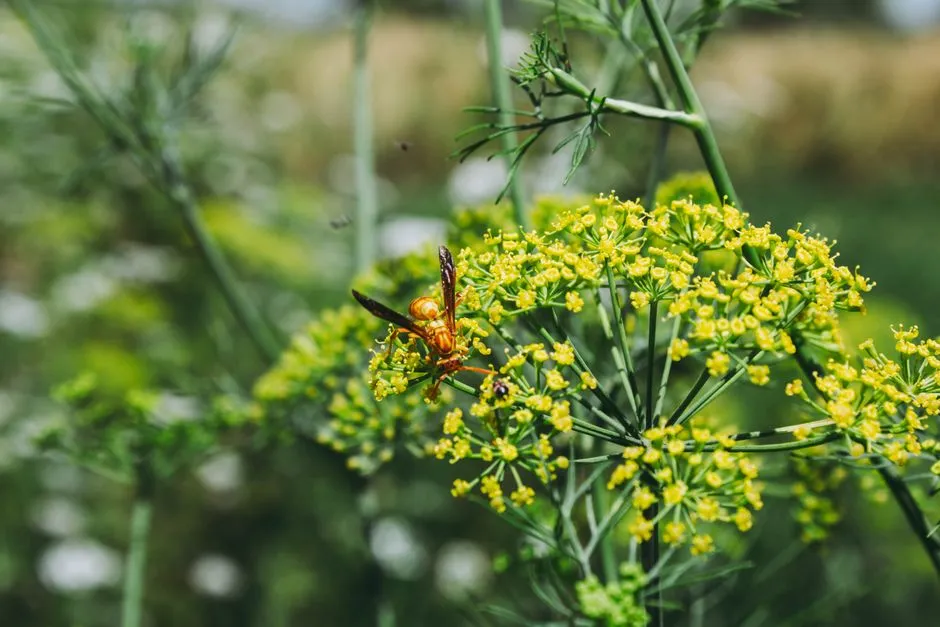
Fennel is a beautiful, aromatic herb with feathery foliage and golden umbels, but it is also one of the most aggressively allelopathic plants in the home garden. Allelopathy refers to the natural chemical inhibition one plant exerts over another, and it’s a mechanism that most gardening advice still underestimates.
Fennel releases anethole and other volatile compounds through its roots, leaves, and decaying debris that inhibit seed germination and disrupt root development in sensitive species. Unlike basil or marigolds, fennel does not play well with others and is best grown in isolation or at least 6 feet from all vegetable and flowering annuals.
Fennel releases trans-anethole and fenchone from its roots and decomposing leaves. These compounds depress germination and stunt most garden crops. Documented germination suppression reaches significant levels across more than 21 sensitive species. If your seedlings near fennel are struggling to emerge, allelopathy is almost certainly the cause.
Planting Onions Next to Beans
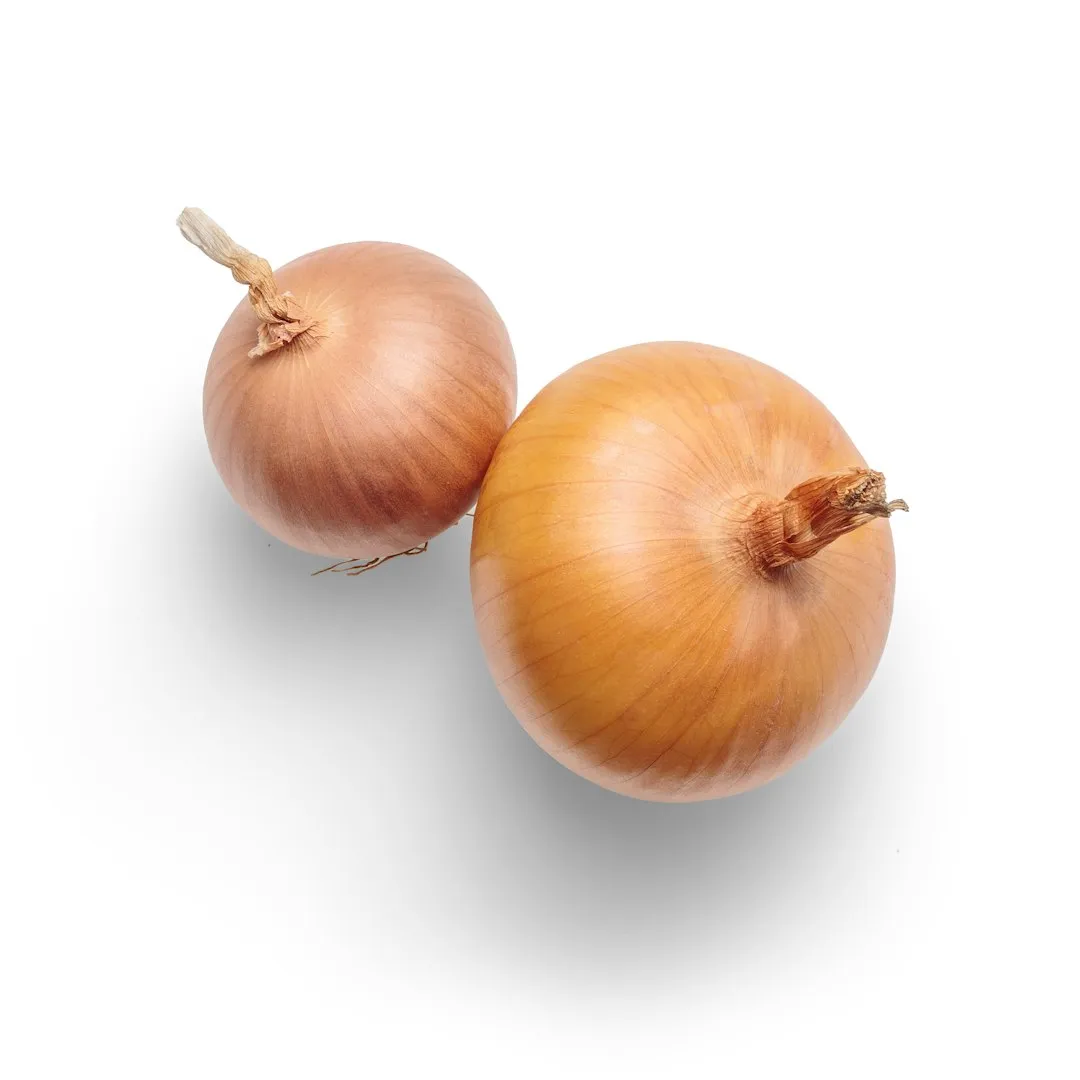
Alliums release volatile sulphur compounds, including allicin and diallyl disulphide, that suppress Rhizobium bacteria, the very microbes that form nitrogen-fixing nodules on bean roots. This is one of the more counterintuitive pairings to avoid, because onions are genuinely useful companions for many crops.
Onions release compounds that inhibit bean root nodule formation, which is essential for nitrogen fixation. West Virginia University research shows beans planted near onions can exhibit significantly stunted growth. This allelopathic effect is well-documented in companion planting studies.
Onions and other alliums like garlic and leeks produce compounds that suppress the growth of beans and peas and may inhibit root nodule formation in legumes, directly undermining the nitrogen-fixing benefit you want from beans in the first place. It’s a pairing that effectively cancels out one of companion planting’s most valuable benefits.
Putting Tomatoes and Potatoes Together
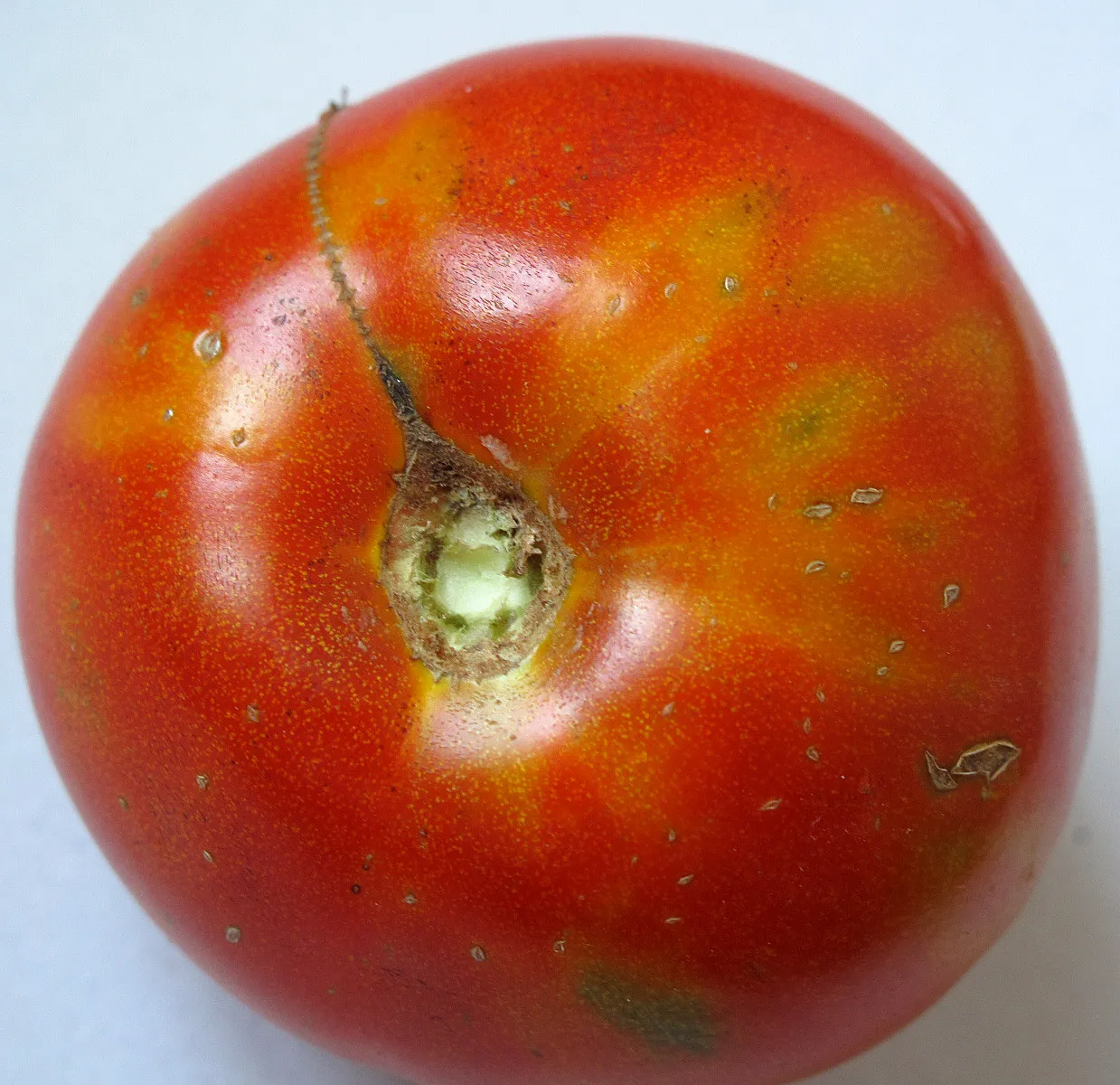
Both tomatoes and potatoes are in the nightshade family, so they share Phytophthora infestans, the pathogen that causes late blight, as well as Colorado potato beetle. In a wet season, spores can travel from infected potato foliage to tomato leaves within just five to seven days.
Penn State Extension notes that late blight can wipe out an entire tomato or potato crop within a few weeks of infestation. Planting these two crops near each other essentially creates a highway for the disease to spread, and one wet stretch of weather is all it takes.
Potatoes and tomatoes share too many diseases, especially early blight. Spacing them well apart, or better yet, growing them in separate beds entirely, is the simplest protection available.
Overcrowding Incompatible Species
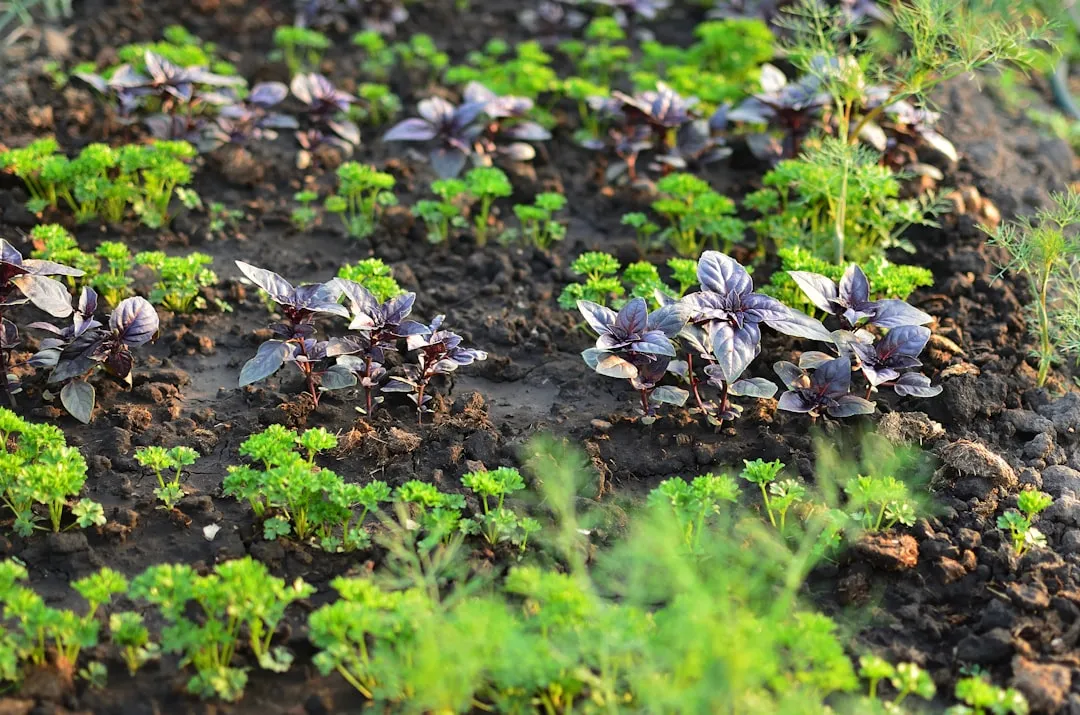
Overcrowding incompatible species that compete for nitrogen, water, or mycorrhizal networks is one of the three most documented companion planting errors. The problem isn’t just nutrient competition. It’s that crowding disrupts the very underground networks that make companion planting work in the first place.
When plants whose roots settle at a similar depth are grown too closely together, they are forced to mine nutrients from the same soil layer. This won’t bode well for either plant’s health, productivity, or yield.
A popular recommendation for determining plant spacing in mixtures does not account for component crop ratios and results in lower total plant density than separate plantings in pure stands. This likely compromises the yield advantage that should be expected from mixed plantings. Spacing for companion beds genuinely requires its own calculation, not just a split of each crop’s solo recommendation.
Letting Tall Crops Shade Out Sun-Loving Neighbors
A frequently overlooked mistake involves height. Tall plants like corn, sunflowers, and trellised tomatoes shade out low-growing crops like lettuce and spinach. This can be used intentionally for cool-season crops but should be avoided when sun-loving plants are involved.
When companion planting, it’s important to consider the mature height of each plant, because taller plants can easily deprive shorter ones of necessary sunlight. Planting tall okra near low-growing leafy greens like amaranth, for instance, can result in the greens being overshadowed and struggling to grow properly.
Shallow-rooted lettuce loses the nitrogen race and sits under a brassica canopy, cutting photosynthesis by roughly a third to nearly half. Growers can expect noticeably lower lettuce yields as a result. The fix is straightforward: position tall crops on the north side of beds so their shadow falls away from shorter companions.
Skipping Crop Rotation While Companion Planting

Another mistake is skipping rotation entirely. Companion planting and crop rotation work together, not as alternatives. Heavy-feeder beds should be moved each year. Many gardeners treat companion planting as a permanent arrangement, returning the same pairings to the same beds season after season.
Most companion planting mistakes come from three causes: shared pests and diseases, allelopathic compounds, and rhizosphere antagonism. All three problems compound over time when rotation is ignored, because pest populations and chemical residues build up in the soil.
Rotating crops by family every three to four years is a foundational practice that supports any companion planting system. Without it, even well-matched pairs gradually underperform as the soil chemistry and pest ecology shift against them.
Planting Only One of Each Species
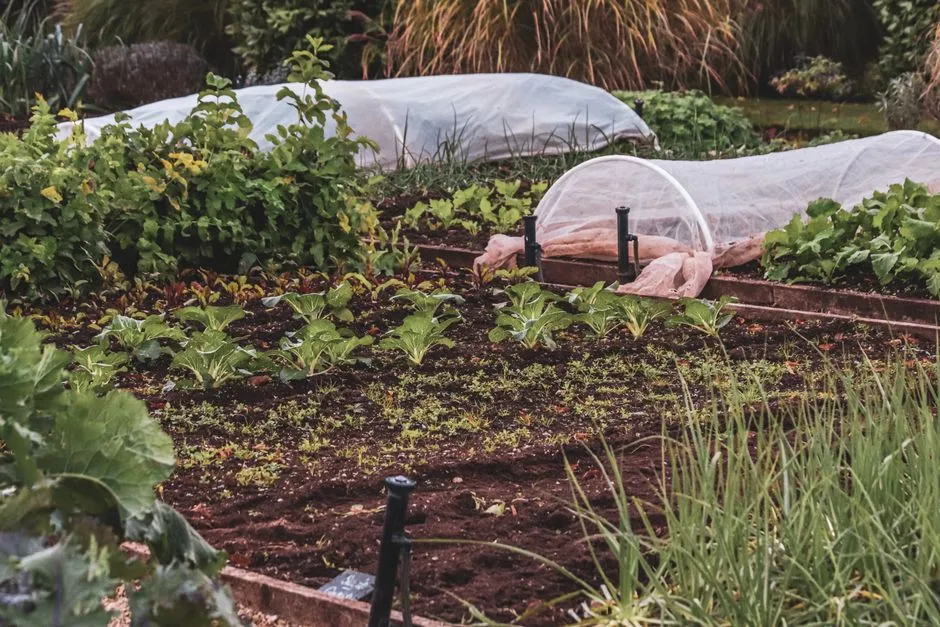
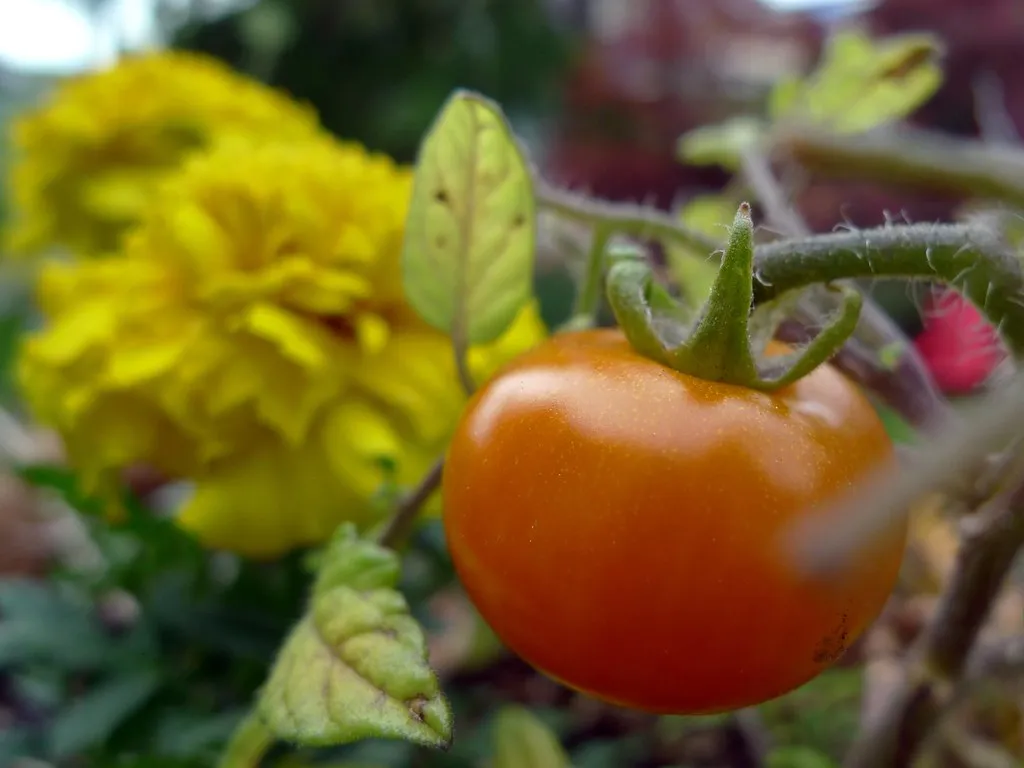
Planting only one of each species is another documented mistake. Pest confusion requires genuine plant diversity. Aiming for at least three species in each garden bed is a reasonable minimum. A single marigold border next to a single tomato variety does very little in terms of disrupting pest foraging patterns.
Nasturtiums can act as a trap crop, drawing pests away from brassicas like cabbage. Mixing flowers and herbs throughout vegetable beds is a more effective approach for attracting beneficial insects. Diversity needs to be distributed, not clustered.
Bordering beds with flowering plants like calendula, alyssum, nasturtium, and buckwheat draws beneficial insects consistently. Inserting two to three herbs such as basil, thyme, sage, or dill among the vegetables adds an additional layer of pest deterrence. This kind of layered diversity is what actually confuses pest insects, not a single companion row.
What Actually Works: Learning from the Three Sisters
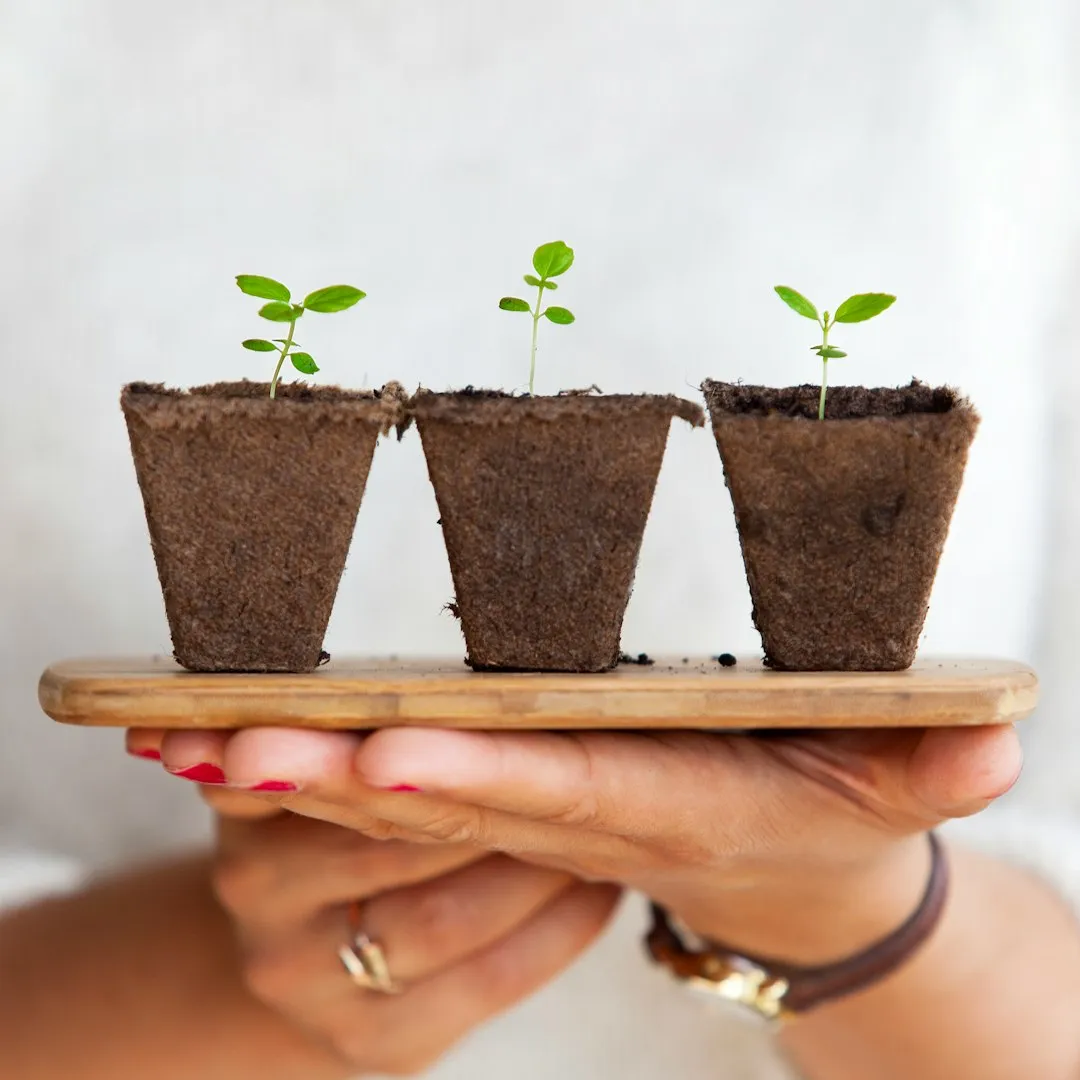
The Three Sisters system is the best-documented historical example of companion planting. Iroquois, Cherokee, Hopi, and many other Indigenous nations grew corn, beans, and squash together for over 1,000 years. USDA research confirms the polyculture yields more per square foot than any of the three crops grown alone.
Beans help stabilize the corn during strong winds and enrich the soil with nitrogen. Beans host rhizobia on their roots, bacteria that convert atmospheric nitrogen into forms usable by plants, a process known as nitrogen fixation. Each plant in this trio has a distinct role, which is precisely why it works so well.
Some of the nitrogen fixed by beans is shared with neighboring plants while the legume is still alive, transferred through mycorrhizal fungal networks beneath the soil. You don’t need to wait for the bean plant to die and decompose: the sharing is ongoing throughout the growing season. Understanding this kind of verified, mechanism-driven pairing is what separates effective companion planting from guesswork.
The Takeaway
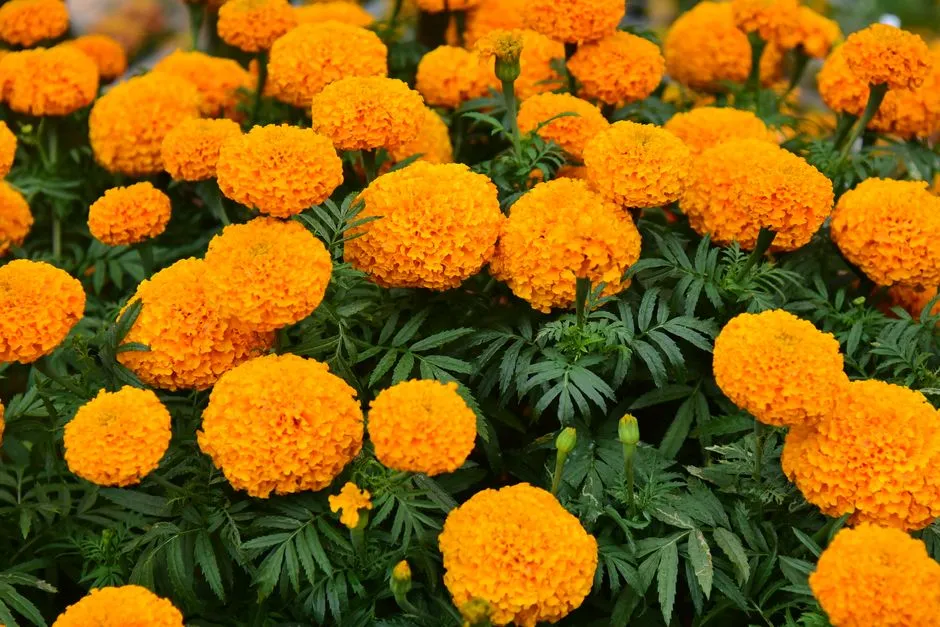
Most companion planting mistakes come from three causes: shared pests and diseases, allelopathic compounds, and rhizosphere antagonism. The fixes involve spacing, timing, or a better partner, and the bed needs to be designed correctly from the start, not based on folklore.
Soil, sunlight, and watering come first. Companion planting works best when basic needs are already met. It’s a layer of strategy, not a substitute for fundamentals.
The quiet yield losses described here don’t announce themselves. Plants just grow a little slower, fruit a little less, and succumb to pests a little more readily. The good news is that each of these mistakes has a documented, practical fix. Start with the pairings that have real evidence behind them, give plants the space they actually need, and let soil biology do the heavy lifting from there.
AI Disclaimer: This article was created with the assistance of AI tools and reviewed by a human editor.