

Most people think of metabolism as something fixed, a lottery ticket you either win or lose at birth. The reality is more nuanced. While genetics do play a role, the foods you eat every day can genuinely influence how efficiently your body converts fuel into energy. Some of that influence is modest, some is meaningful, but all of it is backed by real research.
No single food will drastically alter your calorie burn, but certain options like protein-rich foods, coffee, and green tea can support a healthy metabolic rate. The key is understanding what each food actually does, and what the science says without the hype.
1. Green Tea: The Catechin Connection

Green tea has been studied more extensively than almost any other food for its metabolic properties, and the findings are genuinely interesting. Green tea is particularly rich in a compound known as epigallocatechin-3-gallate, or EGCG, which has been shown to help process sugars and burn fat. This isn’t just marketing language; it reflects a growing body of controlled research.
Eleven studies, representing the vast majority of reviewed clinical trials, showed that green tea supplementation is effective in reducing weight and BMI, with nine of them combined with exercise. That combination of tea plus movement appears to be where results are most consistent.
A comprehensive 2024 meta-analysis found that while green tea supplementation provides statistically significant benefits for weight loss, the effects are modest. In clinical trials, weight loss typically lands around one to two kilograms over twelve weeks. That’s not a miracle, but it’s a real and measurable shift when paired with healthy habits.
2. Chili Peppers: Capsaicin and Thermogenesis

There’s something almost elegant about the idea that eating spicy food makes your body work harder. Capsaicin, the alkaloid found in chili peppers, interacts with TRPV1 receptors located throughout the nervous system. These receptors detect heat and pain, and when capsaicin activates them, it tricks the body into thinking its temperature is rising, triggering a series of cooling responses.
One of the most immediate effects is an increase in sympathetic nervous system activity, the part responsible for the fight-or-flight response, which releases adrenaline and signals the body to start burning stored energy. That chain reaction has real, measurable caloric consequences.
A meta-analysis of 13 randomized controlled trials found that capsaicin increases resting metabolic rate by approximately 34 calories per day, with near-zero variation across studies. The heat also raises body temperature, temporarily increasing metabolism by somewhere between fifteen and twenty percent. The effect is short-lived, but consistent daily use does add up.
3. Coffee: More Than Just Caffeine

Coffee is the most widely researched natural metabolism booster in the world, and the evidence behind it is surprisingly solid. Coffee consumption increases metabolic rate through caffeine’s stimulation of the central nervous system and thermogenesis. When consumed, caffeine antagonizes adenosine receptors, triggering catecholamine release that elevates energy expenditure by roughly three to eight percent for several hours.
Caffeine increases your resting metabolic rate for about three hours after you drink it, and the effect applies to both lean and overweight individuals. That’s a broader reach than many assume. Still, individual tolerance matters quite a bit here.
A more recent 2024 review of studies highlighted all the current research on coffee and its weight loss potential. The researchers found that while some studies underscored the benefits of coffee and how it can promote weight loss through its polyphenol or caffeine content, other studies found no link between coffee consumption and weight loss. The honest takeaway: coffee helps most people, but results are not universal.
4. Lean Protein Foods: The Thermic Effect in Action

Of all the foods discussed here, lean protein has the strongest and most consistent metabolic evidence behind it. The secret behind protein’s metabolic advantage lies in a biological process called the Thermic Effect of Food. Every time you eat, your body expends energy to digest, absorb, and metabolize the nutrients, a process that accounts for roughly ten percent of total daily energy expenditure.
Because protein has the highest thermic effect at twenty to thirty percent, foods rich in lean protein are the most potent natural metabolism boosters. Put simply, your body burns significantly more calories processing a chicken breast than it does processing the same number of calories from white bread.
Modern clinical analyses continue to support that manipulating the amount and type of protein can significantly influence diet-induced thermogenesis and energy metabolism, as shown in research published in 2024. Compared to carbohydrates and fat, proteins can increase your metabolism by up to fifteen to thirty percent. Consuming protein also triggers a hormone that signals to your brain that you feel full, reducing appetite and the total calories consumed daily.
5. Salmon and Fatty Fish: Omega-3s and Metabolic Regulation
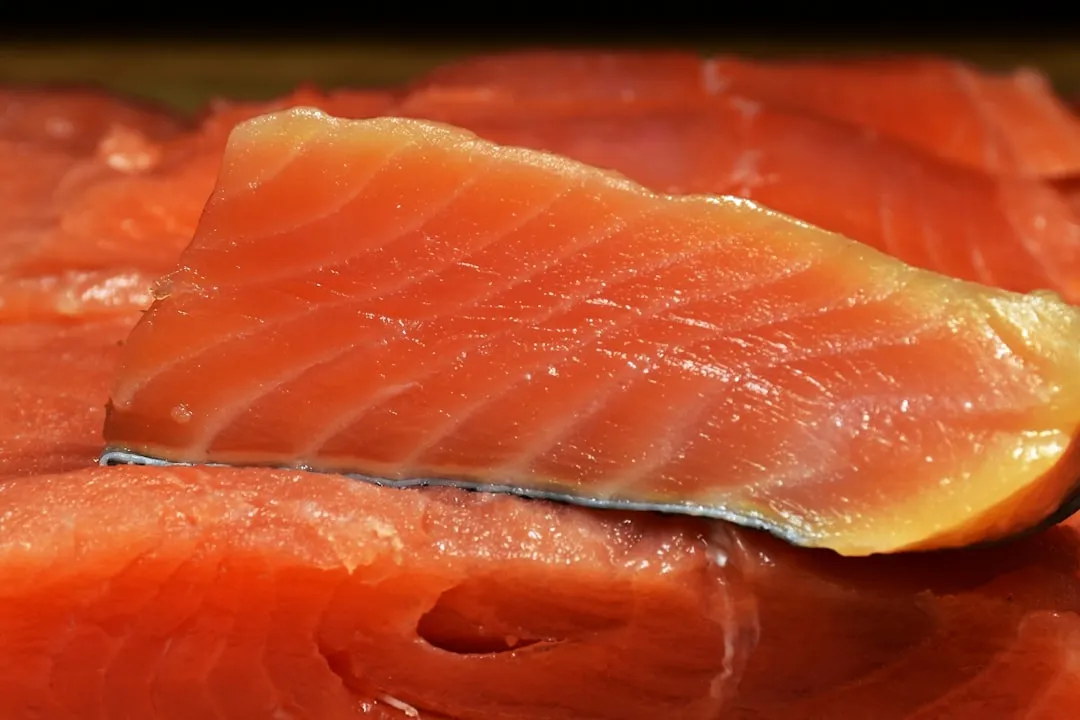
Salmon earns its place on this list through a combination of two major strengths: its omega-3 fatty acid content and its high-quality protein. This fish is rich in omega-3 fatty acids, which help boost metabolism and improve the body’s ability to burn fat. Omega-3s may have a role in raising the body’s resting metabolic rate, thus contributing to weight loss, though researchers caution that further studies are necessary.
Fatty fish like salmon are rich in omega-3 fatty acids and high-quality protein. While omega-3s don’t directly rev up metabolism, they may support hormone regulation, inflammation control, and fat metabolism, indirectly aiding the body’s overall efficiency. That indirect pathway still matters in the long run.
Omega-3 polyunsaturated fatty acids exhibit therapeutic potential, and a systematic review covering a full decade of research from 2014 to 2024 worked to elucidate their mechanisms in metabolic diseases. Salmon also contains vitamin B-12, a nutrient the body cannot produce on its own, making it a multi-benefit food worth including at least twice a week.
6. Ginger: A Warming Root with Measurable Effects

Ginger has been used in traditional medicine for centuries, but modern research has started to confirm what generations of herbalists observed. According to some studies, ginger may increase thermogenesis and enhance energy expenditure, similar to the way chili peppers work. It may also lower blood sugar levels, and consistently high glucose can lead to insulin resistance and weight gain.
Ginger contains gingerols, which have been reported to increase calorie burn. While more study is needed, some research suggests that consuming ginger may enhance weight reduction. The evidence isn’t as robust as it is for protein or green tea, but it’s genuine and growing.
You can steep fresh ginger slices or dissolve half a teaspoon of dried ginger powder in hot water. The metabolism boost is small on its own, but the reduced hunger may actually be the more useful benefit for weight management. Ginger is also exceptionally easy to work into everyday cooking, from stir-fries to smoothies to simple teas.
How These Foods Work Together

Research shows that foods with a high thermic effect or active compounds, such as chili peppers and ginger, slightly increase energy expenditure. Combining metabolism-supporting foods with a balanced diet and regular activity helps optimize the body’s natural energy utilization. No single food is a shortcut on its own.
While you can’t eat your way to massive weight loss solely through the thermic effect of food, shifting your diet toward foods with a higher thermic effect can provide a subtle metabolic advantage over time. That compounding advantage is exactly where these foods deliver their real value.
It’s also worth keeping expectations calibrated. No single item will drastically alter your calorie burn, but protein-rich foods, coffee, and green tea can all support a healthy metabolic rate when consumed consistently. The goal isn’t a dramatic overnight change. It’s steady, sustainable support for how your body functions every day.
What the Science Actually Tells Us
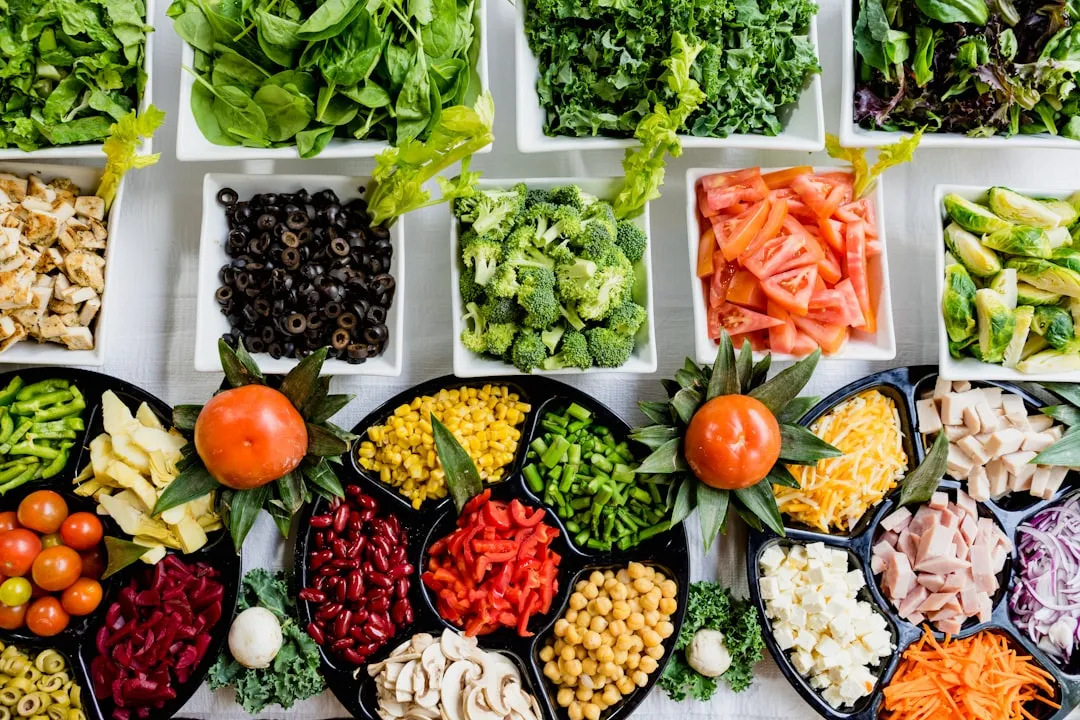
Thermogenic foods are specific ingredients, like lean proteins and chili peppers, that temporarily boost your metabolic rate because your body must expend more energy to digest them. That’s the mechanism, and it’s well-established in clinical literature. The question is always one of degree.
The total energy your body spends breaking down everything you eat accounts for roughly ten percent of your total daily energy expenditure. The other ninety percent comes from keeping your organs running and from physical movement. Understanding that ratio keeps the conversation honest.
Individual responses to foods can vary, and it’s always worth consulting with a healthcare professional or registered dietitian for personalized advice. No article, no matter how well-researched, replaces a conversation with someone who knows your specific health picture.
Practical Ways to Add These Foods Daily

The good news is that none of these six foods require dramatic lifestyle changes to incorporate. A cup of green tea in the morning, a piece of salmon twice a week, some chili flakes stirred into lunch, and a high-protein dinner can collectively shift your dietary baseline in a meaningful direction.
The optimal approach for green tea involves consuming three to four cups of properly brewed green tea daily, or the equivalent in matcha, timed strategically around meals and exercise. For coffee, one to two cups before midday tends to align best with the body’s natural cortisol rhythms.
Protein has its own thermic effect, meaning your body burns more calories digesting protein than it does fat or carbohydrates. Combining spicy foods with a high-protein meal creates a compounding effect on thermogenesis. Pairing these foods intentionally can amplify the modest but real benefits each one offers.
The Takeaway
Metabolism is not something you’re simply stuck with. The foods you choose each day interact with your body’s energy systems in ways that are measurable, consistent, and supported by a solid body of research extending through 2024 and 2025.
Green tea, chili peppers, coffee, lean protein, salmon, and ginger won’t transform your body overnight. What they will do, used consistently alongside a balanced diet and regular movement, is keep your metabolic engine running a little more efficiently than it would otherwise.
Sometimes the most effective strategy isn’t the most dramatic one. It’s the one you can actually sustain every day without much effort, quietly adding up in your favor over weeks and months.
AI Disclaimer: This article was created with the assistance of AI tools and reviewed by a human editor.