

Most people reach for a packet of cold medicine the moment their throat starts to scratch. It’s understandable. But what’s inside your kitchen could matter just as much as what’s in your medicine cabinet. A growing body of research points to specific foods that can genuinely ease symptoms, reduce inflammation, and in some cases, shorten how long a cold actually lasts.
This isn’t about miracle cures. While there is no instant cure for the common cold, there are ways to shorten its course and recover faster, using things which are already in your cupboards. The foods below are backed by real research, not just folklore, so you’ll know exactly what you’re reaching for and why.
1. Chicken Soup: The Classic with Actual Science Behind It
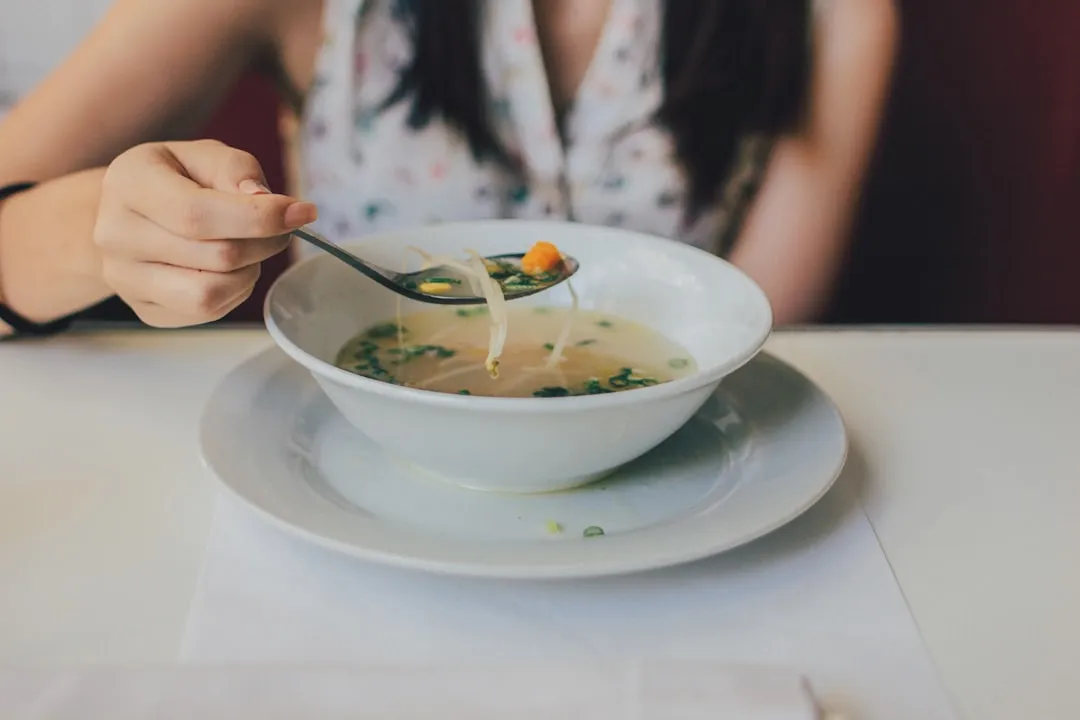
Chicken soup has been trusted for generations, but only recently have researchers started to explain why it works beyond just comfort. A 2025 report in the journal Nutrients found that savoring chicken soup eased congestion, cough, and other symptoms of respiratory tract infections such as colds and flu. That’s meaningful confirmation for something your grandmother was probably already doing right.
One study found that people who ate soup recovered up to two and a half days faster than those who didn’t, with symptoms such as nasal congestion, sore throat, and fatigue being milder. The reduction in inflammation appears to be a key mechanism. Specifically, levels of IL-6 and TNF-alpha, two proteins that help trigger inflammation, were lower in those who consumed soup, suggesting that soup may help calm an overactive immune response.
Modern research has shown that chicken soup, more than other hot liquids, increases mucus flow and helps the body rid itself of the cold virus, partly because chicken is rich in the amino acid cysteine, which helps loosen secretions. Adding garlic or black pepper enhances that effect further.
2. Honey: More Than Just a Soothing Sweetener

Humans have been using honey for generations to soothe cold symptoms and promote wound healing, citing its anti-inflammatory, antioxidant, and antimicrobial properties. The difference now is that the evidence is catching up with the tradition. A systematic review and meta-analysis published in BMJ Evidence-Based Medicine concluded that honey was superior to usual care for the improvement of symptoms of upper respiratory tract infections, and that it provides a widely available and cheap alternative to antibiotics.
In several studies, people with upper respiratory tract infections were given honey to lessen coughing, and the honey seemed to reduce their coughing and help them sleep better. That’s a practical benefit anyone dealing with a cold at night will appreciate. Preliminary studies also suggest that honey may possess antiviral activity against respiratory viruses, including those responsible for the common cold and influenza.
The antimicrobial action of honey is multifactorial, involving hydrogen peroxide production, phenolic compounds, high sugar concentrations, and the presence of bee defensin-1. One teaspoon stirred into warm water or tea is a simple, low-risk way to put this to use.
3. Ginger: A Root with Real Anti-Inflammatory Credentials
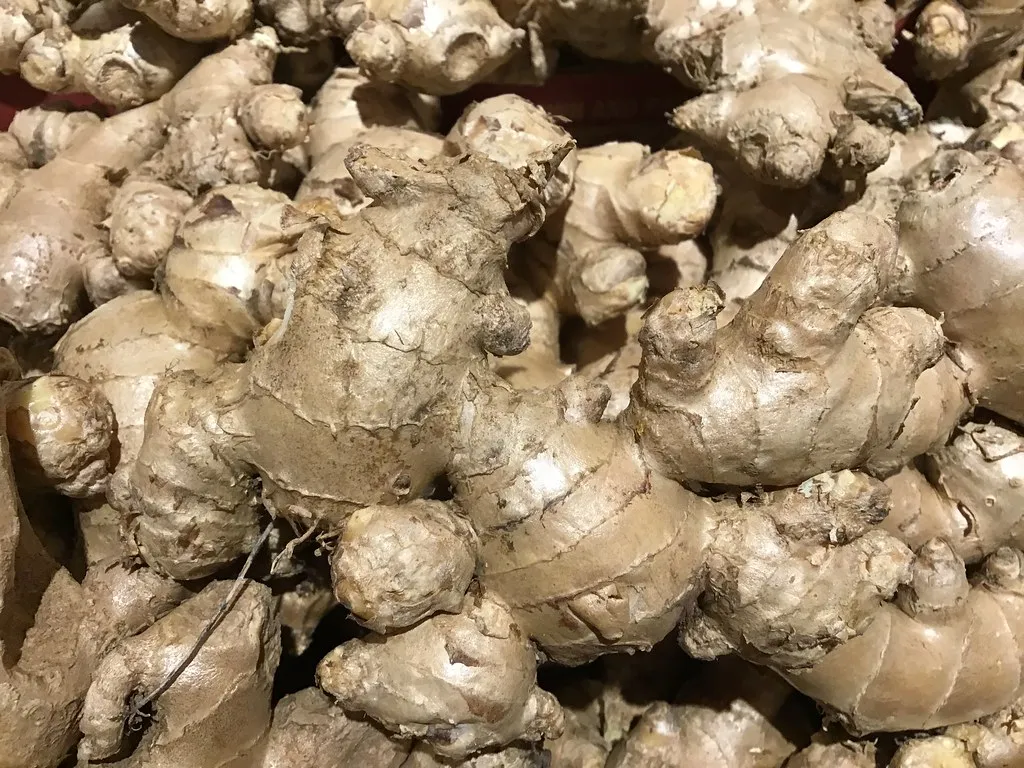
Ginger is one of the most well-known spices and medicinal plants worldwide, used since ancient times to treat a plethora of conditions including cold, gastrointestinal complaints, nausea, and migraine. Beyond tradition, modern immunology research has started to explain the specific mechanisms involved. A growing body of literature demonstrates that ginger exhibits anti-inflammatory, antioxidant, and neuroprotective actions, with these beneficial effects attributed to biologically active compounds such as gingerols, shogaols, zingerone, and paradols.
In lab studies, ginger shows potent antiviral properties, and a 2024 study found that the combination of ginger and garlic extracts had more antiviral potency than ginger or garlic alone. If you tend to use these ingredients separately, combining them in a soup or tea may amplify their effects. In laboratory models of throat infection, ginger showed anti-inflammatory activity, and researchers suggest it could reduce pharyngitis, which is inflammation at the back of the throat, helping to ease a sore throat that is a common symptom of a cold.
4. Citrus Fruits: Vitamin C Still Has a Role to Play
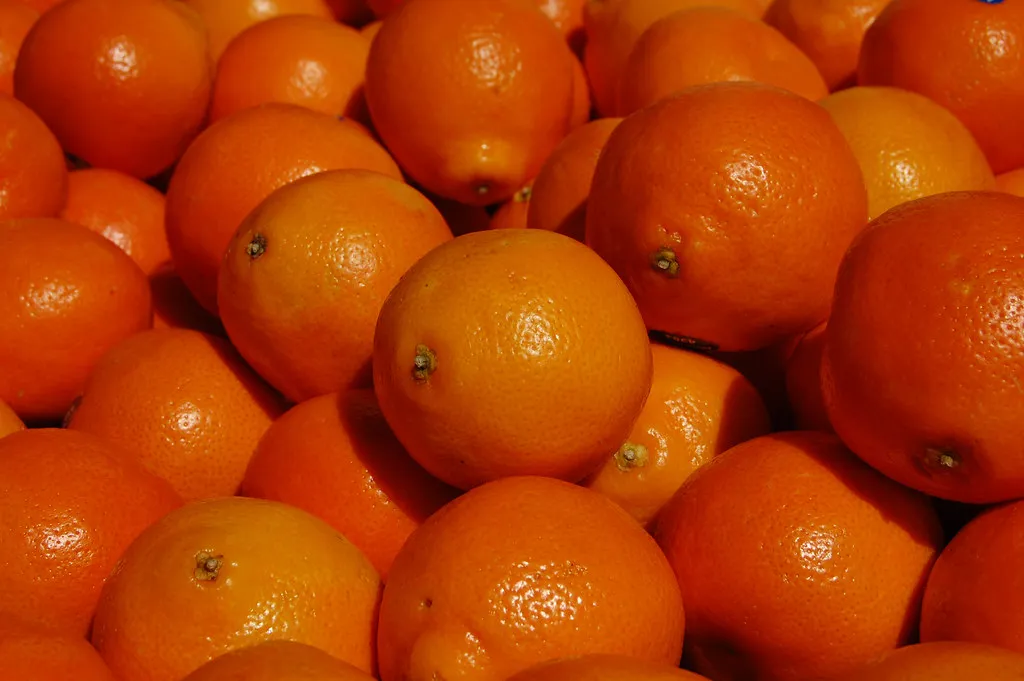
Research published in BMC Public Health found that vitamin C can reduce the severity of cold symptoms, and there is consistent evidence that daily intake also trims how long a cold lasts. One study reported that taking about two cups of orange juice worth of vitamin C daily shortened the number of days a cold lasted by roughly eight percent. That’s a modest but real effect.
Lemon in particular cools and soothes irritated or inflamed tissue and can thin mucus, useful when there are symptoms of cold or flu, and it is packed with vitamin C, a powerful antioxidant that supports immune function and helps protect the body against oxidative stress. Oranges, grapefruit, and kiwis offer similar benefits. It’s worth noting that starting vitamin C only after you get sick doesn’t seem to have the same benefit as maintaining a regular daily intake. So this is one food group worth eating consistently, not just when symptoms arrive.
5. Oatmeal: An Underrated Immune Ally
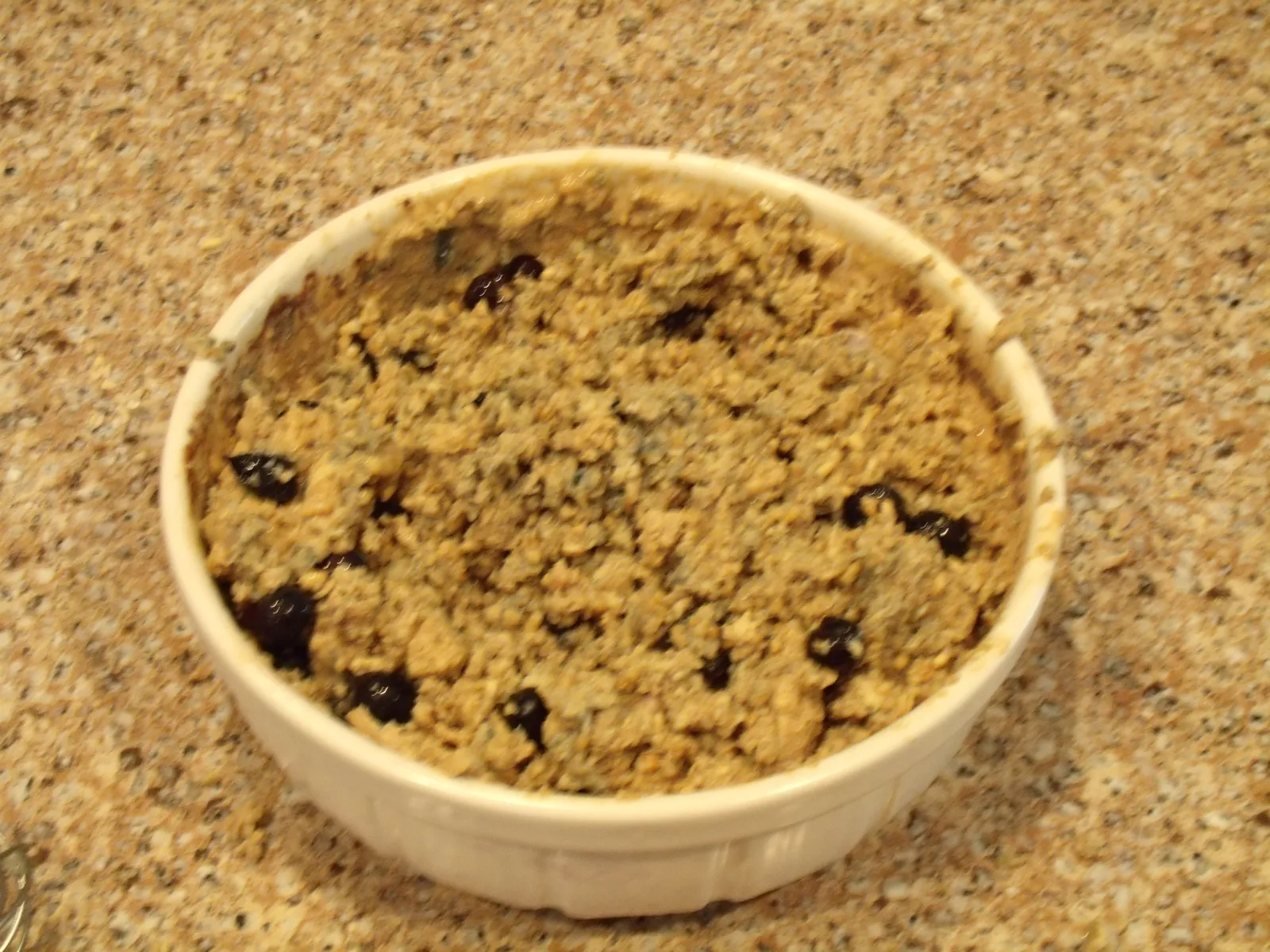
Oatmeal might not be the first thing that comes to mind when thinking of cold remedies, but this breakfast staple may actually be helpful because it is rich in beta glucan, which stimulates the immune system, and it is packed with zinc and selenium, both of which help against infections. That’s a solid nutritional profile for something most people already have in their pantry.
Oats are also rich in immune-boosting elements like copper and iron, and their warm, soft texture can soothe an irritated throat. When you’re sick and appetite is low, a bowl of oatmeal is easy to prepare, gentle on the stomach, and genuinely useful. Stirring in a little honey or fresh ginger brings together several of the foods on this list in one bowl, which isn’t a bad strategy at all.
6. Yogurt: How Gut Health Connects to Cold Recovery
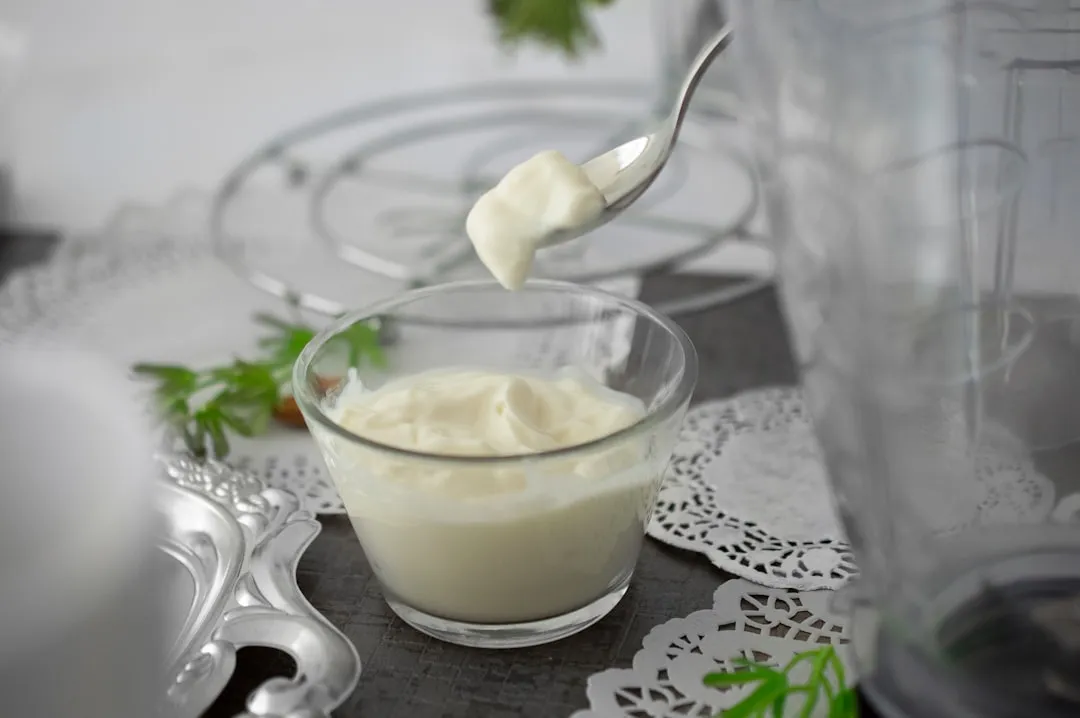
Greek yogurt is a great source of immune-boosting protein, and its probiotics may fortify your immune defenses further. The gut-immune connection isn’t new science, but it keeps gaining more research support. Probiotics help to balance the gut microbiome, which improves not only digestion but immunity as well.
Adding probiotics, the “good” bacteria, to your diet may not only help raise your guard against harmful germs but also may shorten the duration of infection. Yogurt with live and active cultures is one of the most accessible ways to get them. A registered dietitian with the Cleveland Clinic notes that if you’re having gastrointestinal symptoms such as diarrhea or indigestion, probiotic foods may help ease some of those symptoms, and good sources include yogurt with live cultures, kefir, kombucha, sauerkraut, and kimchi.
What Science Still Gets Right: Zinc-Rich Foods Alongside These Staples
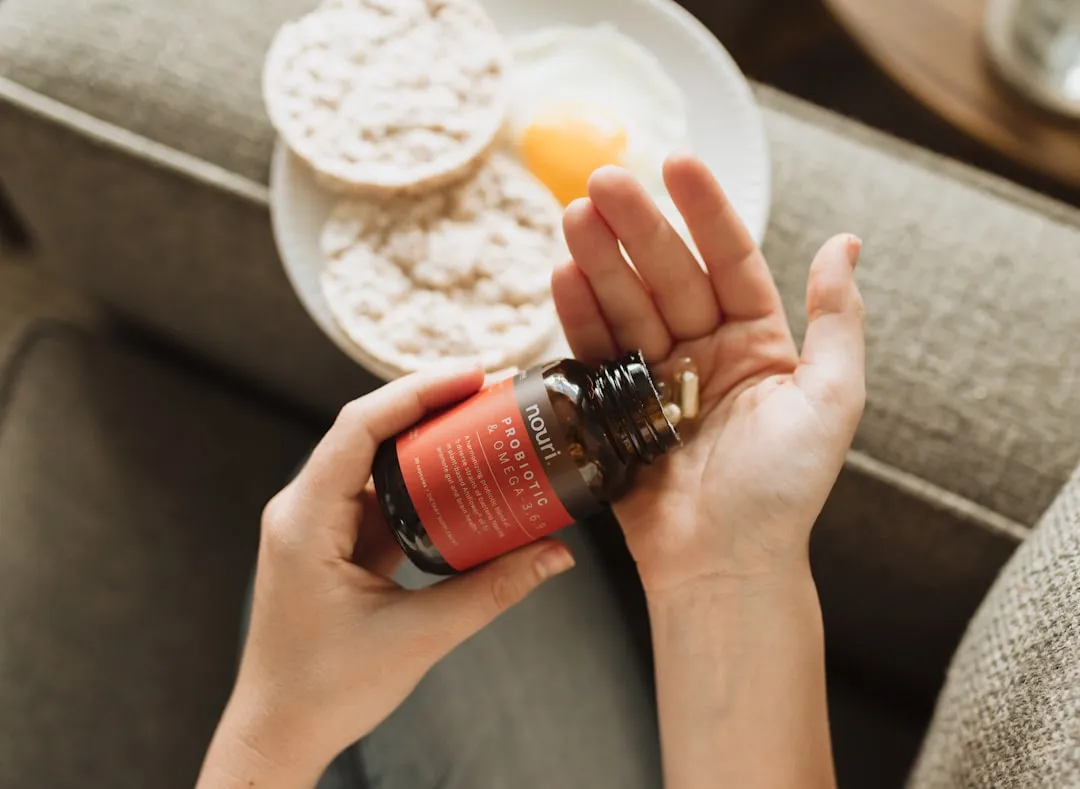
In seven randomized controlled trials, zinc acetate and zinc gluconate lozenges shortened common cold duration on average by roughly a third. While that specific finding concerns lozenges rather than whole foods, zinc is present in several everyday foods and worth keeping in mind. Some evidence suggests that taking zinc at the first sign of cold symptoms may help shorten the duration of a cold, with zinc and vitamin C working well together as a supportive combination, and good food sources of zinc include meat, shellfish, legumes, dairy, nuts, and seeds.
This is worth knowing because several of the foods already discussed, including yogurt, oatmeal, and chicken, contain meaningful amounts of zinc. You don’t necessarily need a supplement if your diet already covers these bases. No single food or supplement can prevent colds or flu, but collectively, these foods support the immune system in ways that are documented, not speculative.
What About Garlic? Here’s the Nuanced Answer
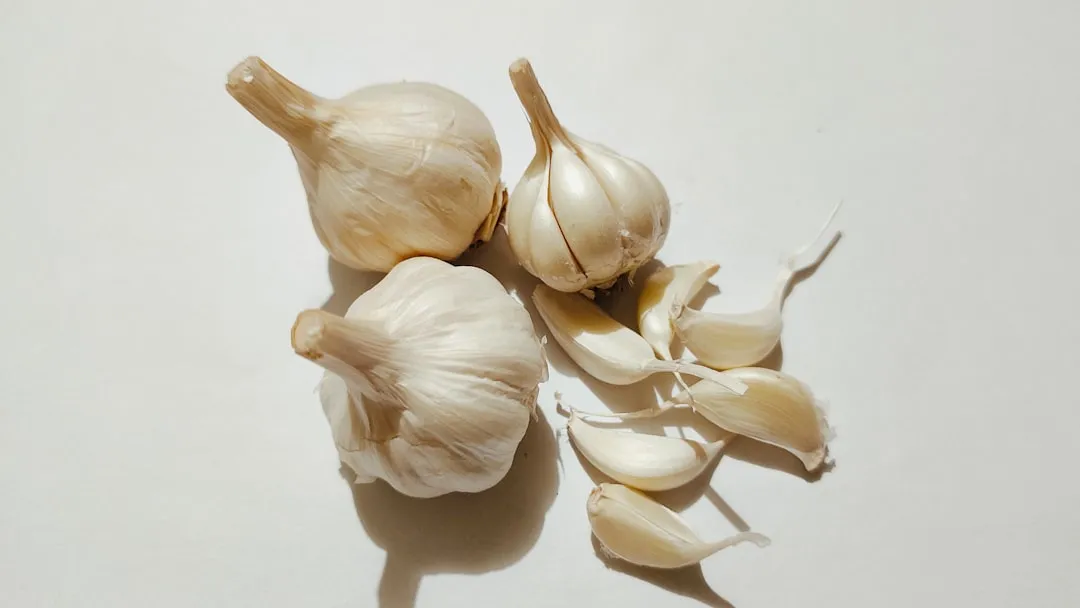
Garlic comes up in almost every conversation about cold remedies, and for good reason. Garlic is a popular culinary ingredient comprised of allicin, the bioactive compound possessing anti-inflammatory, antioxidative, and antibacterial effects. The issue is that the clinical evidence for garlic specifically is still limited. Scientific evidence for garlic and echinacea is considered weak by current standards.
That said, as noted earlier, a 2024 study found that combining ginger and garlic extracts had more antiviral potency than ginger or garlic alone. Garlic also adds flavor to soups and broths, which naturally brings you to other, better-studied foods on this list. According to a 2021 review, aged garlic extract supplements may enhance immune function and decrease the severity of colds and the flu. If you enjoy it, there’s little reason to avoid it and possibly modest reason to include it.
Hydration Is the Foundation Everything Else Rests On
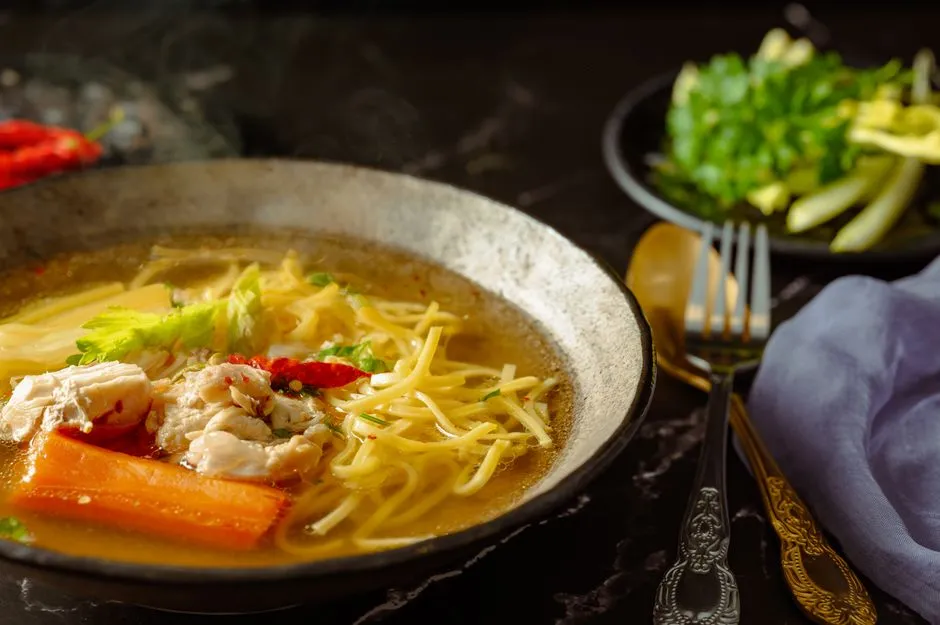
Fluids help thin mucus and keep your throat moist, and will also prevent dehydration, all of which help your body clear the virus more efficiently. No food on this list works well in a dehydrated body. Broth, warm teas, and water should run alongside every food-based strategy you try.
Chicken soup is also a rich source of fluid and electrolytes, which are helpful if you’re at risk of dehydration due to diarrhea, vomiting, sweating, or fever. Hot tea functions similarly. Just like chicken soup, hot tea acts as a natural decongestant, though it needs to be hot enough to help relieve congestion without being so hot that it further irritates your throat.
Foods to Avoid When You’re Sick

The food preferences of those suffering from a cold vary, but generally it’s best to avoid foods that might aggravate a sore throat. Some people prefer to stick to liquids or soft, smooth foods, while crunchy and textured foods like potato chips, beef jerky, and nuts are often avoided to prevent discomfort. This is straightforward advice, but easy to overlook when you’re reaching for comfort food.
Excessive caffeine and alcohol are also worth stepping back from. They can disrupt sleep, which is when a significant portion of immune recovery happens. A sick body running on poor sleep and dehydration will struggle more, regardless of what you eat.
How Long Do Colds Actually Last, and Can Food Change That?

The common cold strikes more often during fall and winter but remains a year-round threat, and according to the CDC, cold symptoms peak on the second or third day and can last ten to fourteen days. The honest answer is that food alone won’t collapse that timeline dramatically. Since colds and flu are viral, antibiotics won’t help, which is exactly why what you eat becomes more relevant.
The foods on this list, taken together, can reduce symptom severity, ease inflammation, support immune function, and in some cases trim a day or two off recovery time. That’s not nothing. The right foods to eat when you’re sick can do far more than give you energy: they can help you feel better, get better faster, or stay hydrated as you recover.
The Takeaway
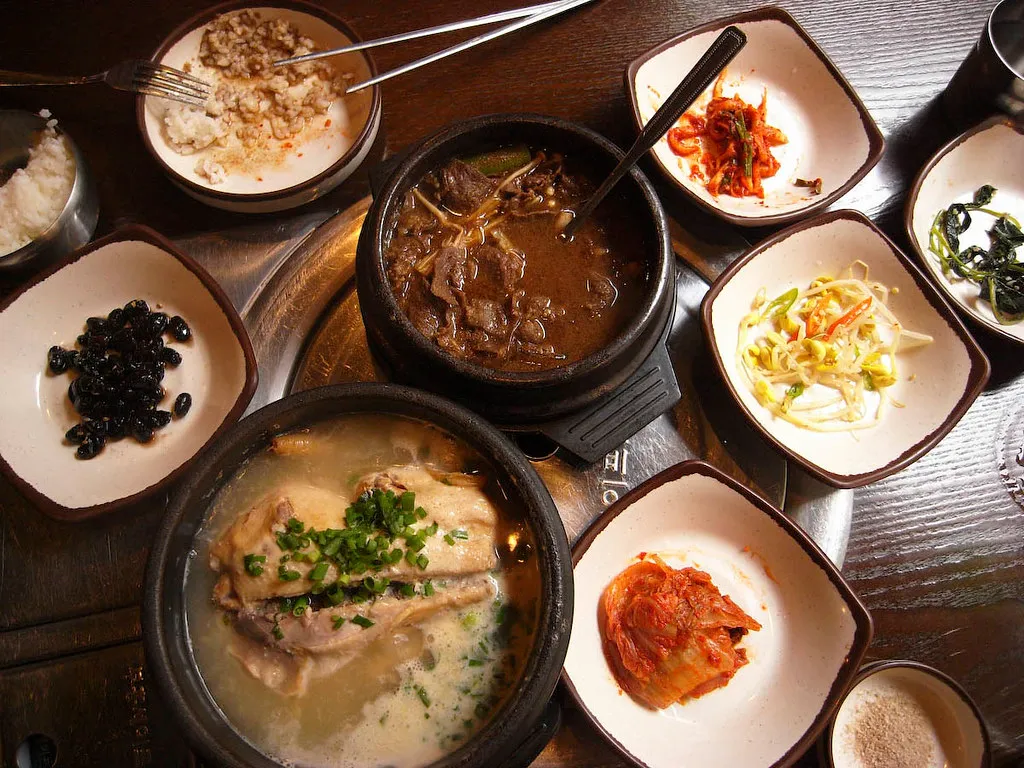
The case for food as a recovery tool isn’t built on a single breakthrough study. It’s built on decades of converging evidence pointing to the same short list: chicken soup, honey, ginger, citrus, oatmeal, and yogurt. None of them are exotic or expensive.
What makes these foods useful is that they each address a specific part of what a cold does to you: inflammation, dehydration, bacterial activity, immune suppression, and nutritional gaps. When you stack several of them together over a few days, the cumulative support is real. Your body is already doing the hard work. Good food just gives it better conditions to finish the job.
AI Disclaimer: This article was created with the assistance of AI tools and reviewed by a human editor.