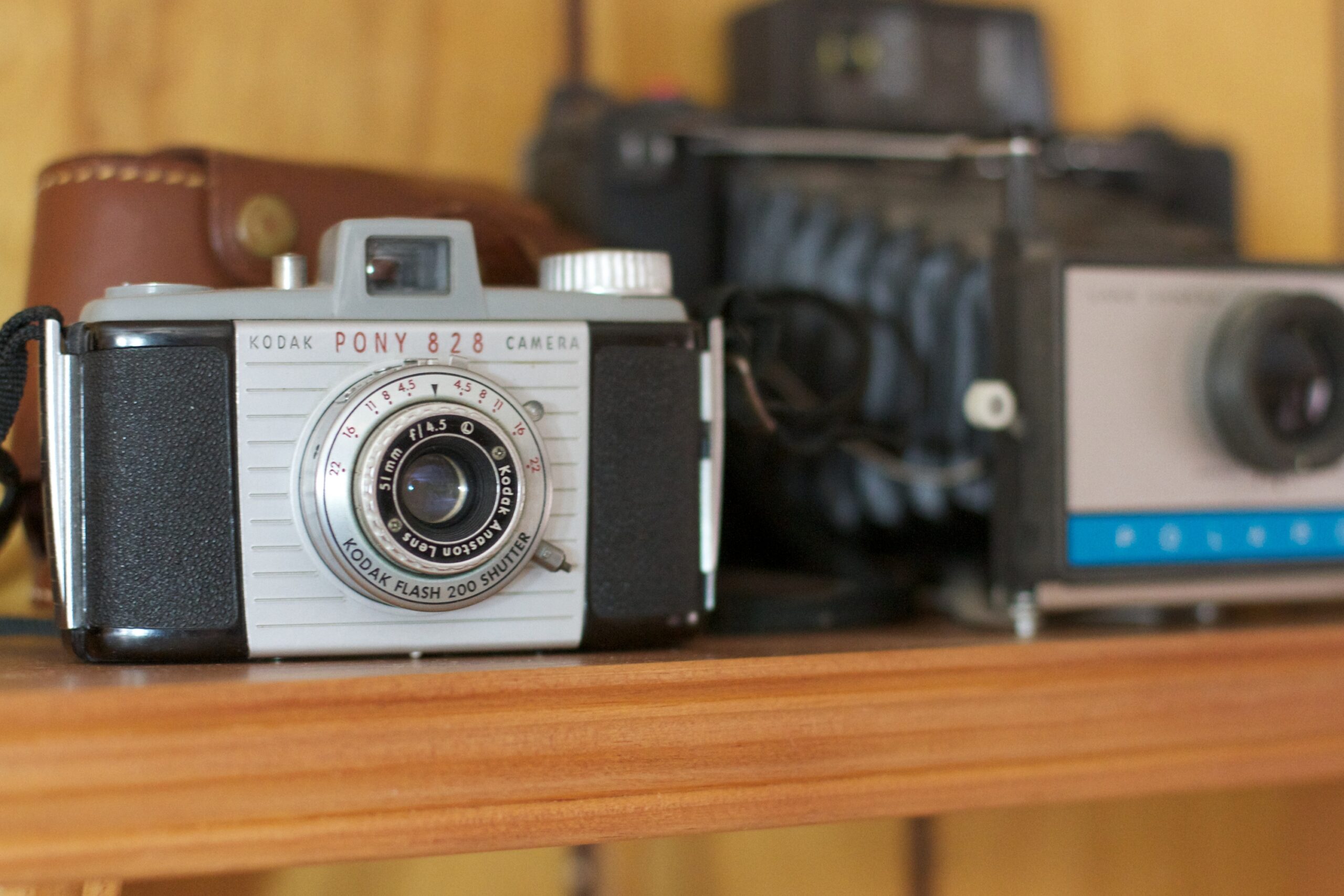

Something quiet has been building in the world of photography for several years, and in 2026 it has become impossible to ignore. Collectors, younger photographers, and serious investors are all converging on the same shelves, auction listings, and flea market tables, reaching for the same objects. Vintage film cameras, once dismissed as the dusty relics of a pre-digital era, have become one of the most actively contested collectibles on the market.
The global vintage cameras market was valued at around $800 million in 2024 and is expected to grow to over $1.2 billion by 2033, expanding at a steady compound annual growth rate through that period. What makes that number remarkable isn’t the size – it’s the momentum behind it, and who is driving it.
A Market That Wasn’t Supposed to Come Back
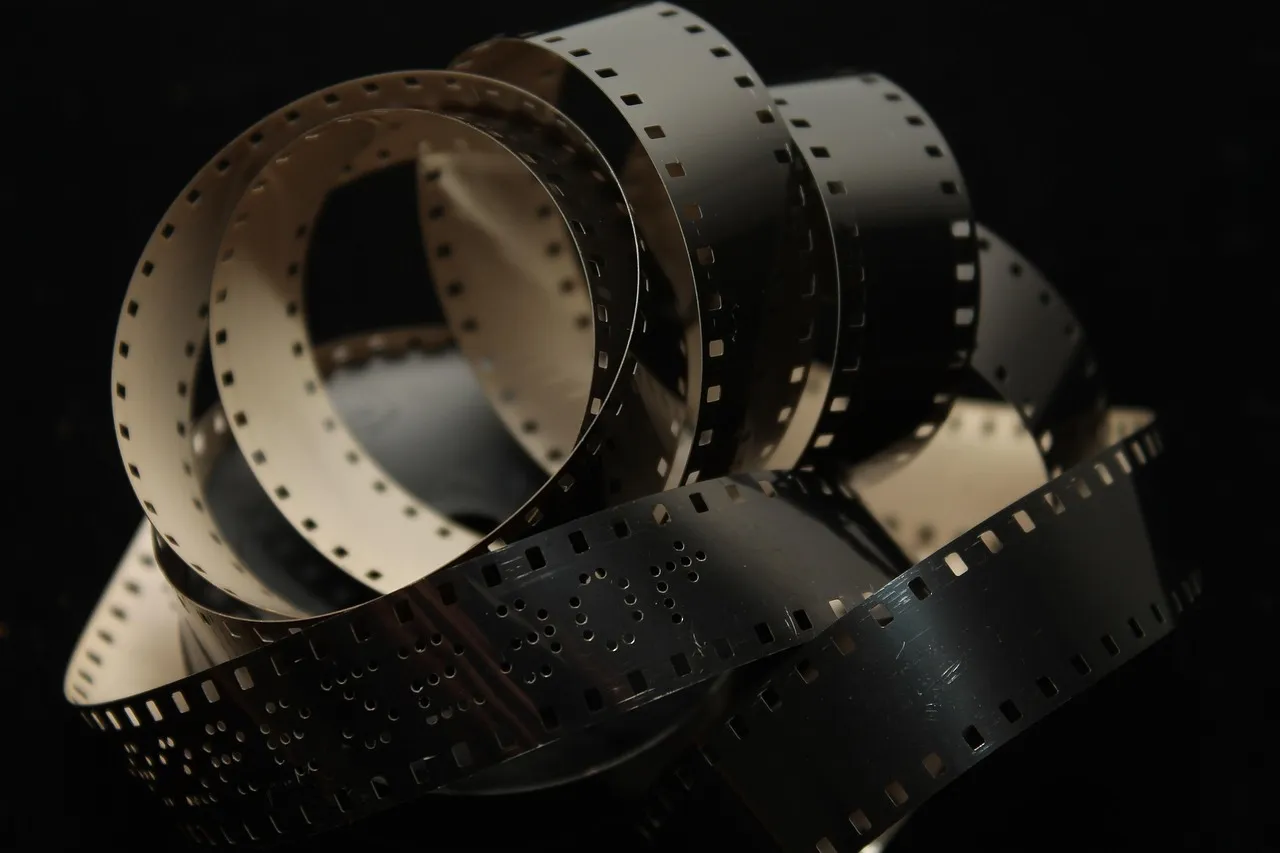
Not long ago, analog photography seemed to be heading in one direction only. Analog photography was declared all but dead, relegated to niche hobbyists and professional artists, while digital cameras had taken over nearly all areas of photographic production. Film labs closed. Darkrooms were ripped out of schools.
For most of the 2000s and 2010s, that narrative seemed airtight, with labs closing and manufacturers retreating. Yet here we are in 2026, and wholesale film order volumes have increased 127% since 2020, with annual growth rates not slowing but accelerating.
In 2025 alone, 312 new film labs opened globally. That’s not a niche revival. That’s a structural shift.
The Leica M6: The Camera Everyone Wants
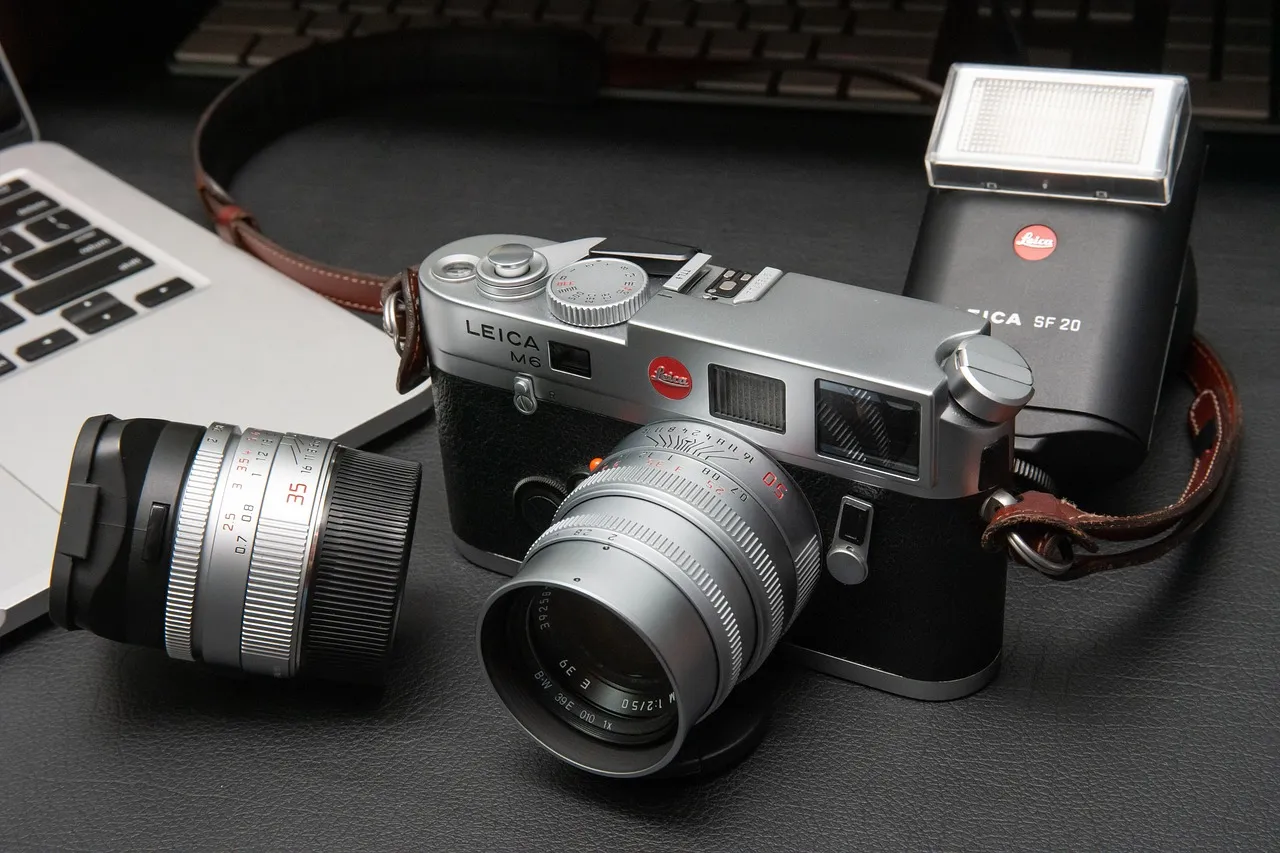
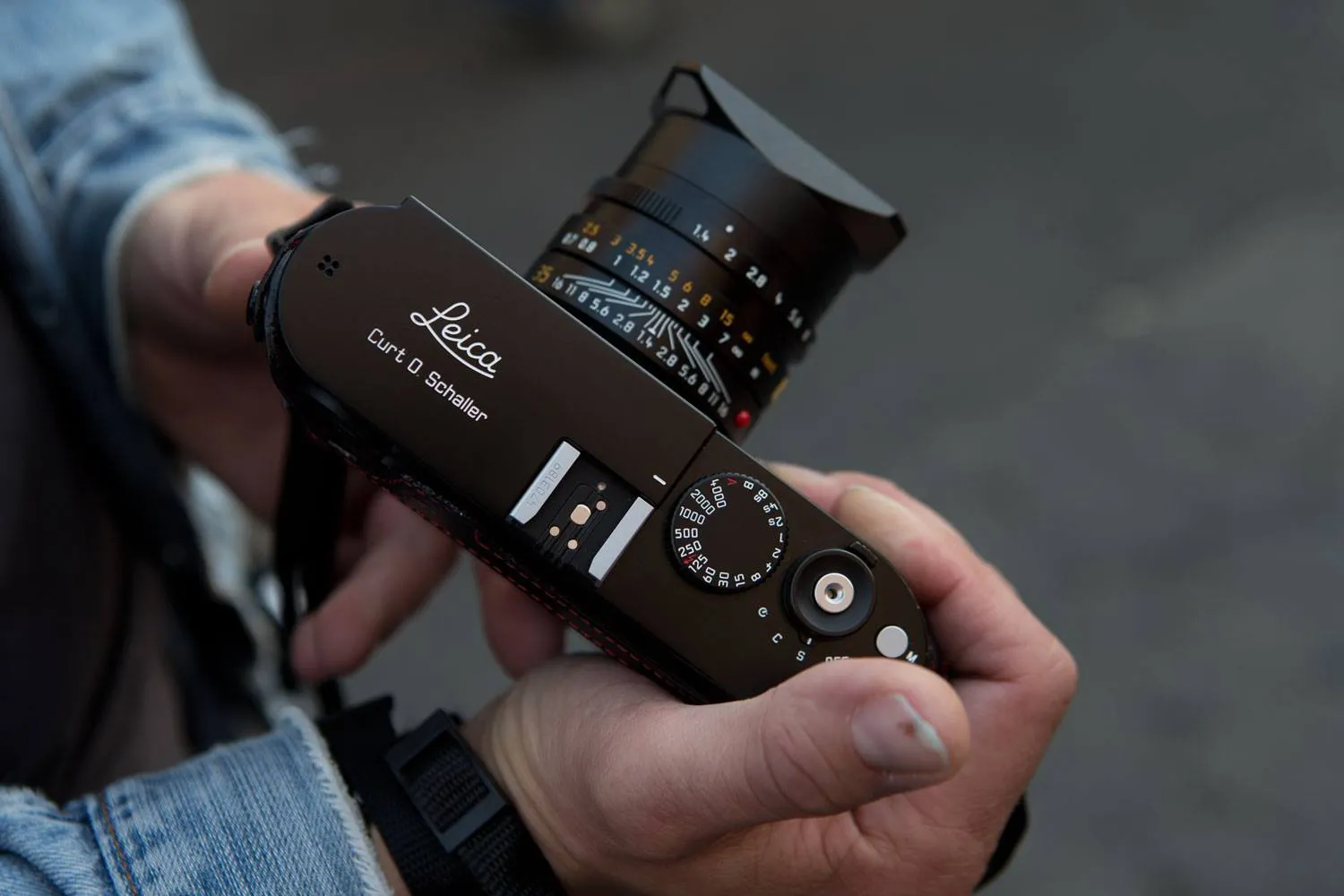
The Leica M6 is arguably the most sought-after 35mm film camera on the planet. Manufactured between 1984 and 1998, this fully mechanical rangefinder has become a cultural icon, with excellent-condition bodies regularly selling for around $3,200, while mint examples with original box and papers have fetched close to $9,000.
Black chrome versions typically command a premium over silver models. Supply is fixed and demand keeps climbing, which is precisely the formula that pushes prices into territory that surprises even seasoned collectors.
Film camera prices overall have risen between 50% and 200% since 2019, as demand from Gen Z and millennial photographers has outpaced the fixed supply of discontinued cameras. The Leica M6 sits squarely at the center of that price surge.
German Rangefinders Lead the Pack
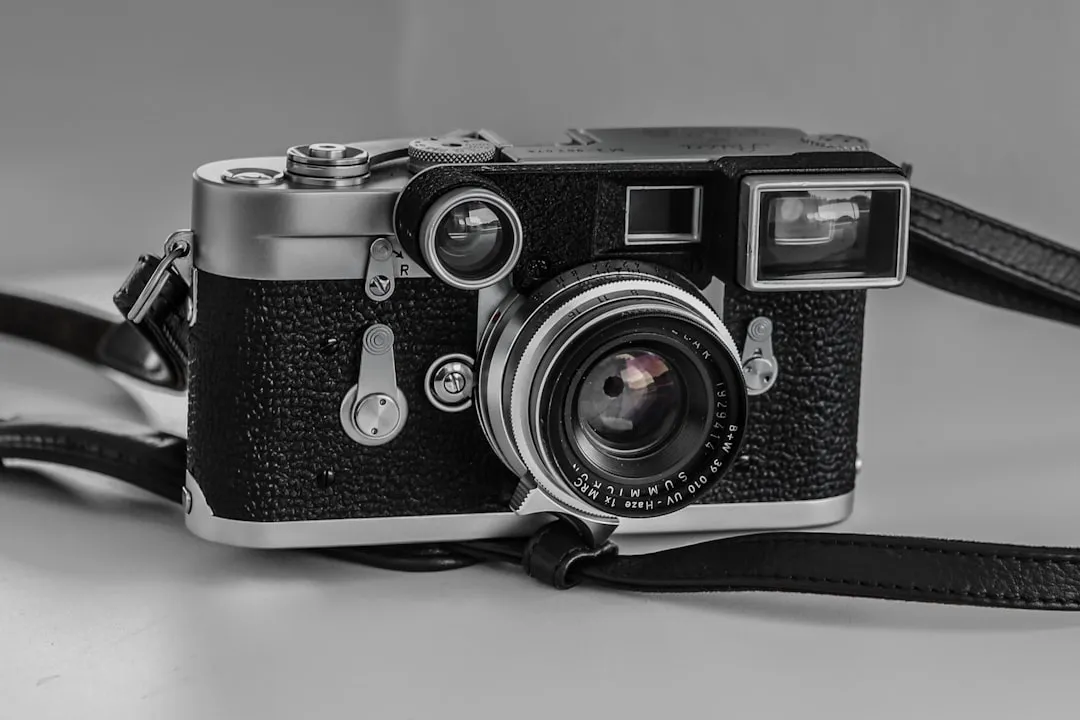
German rangefinders, particularly Leica and Contax, and medium-format systems like Rolleiflex and Hasselblad, sit at the top of the collector hierarchy, while professional Japanese classics like the Nikon SP and Nikon F command strong premiums as well.
Sought-after models such as the Leica M3, M6, Rolleiflex 2.8F, Hasselblad 500C/M, and Nikon SP trade for roughly $1,000 to $9,000 in good condition, while the rarest prototypes have sold for millions – a 1923 Leica 0-Series reached approximately $15 million in 2022.
Beyond those extreme examples, many vintage cameras regularly sell in the $5,000 to $50,000 range, including certain Leicas, Contax models, early Nikons, and specialized professional equipment. These aren’t outliers anymore. They’re the going rate.
The Compact Point-and-Shoot Surprise
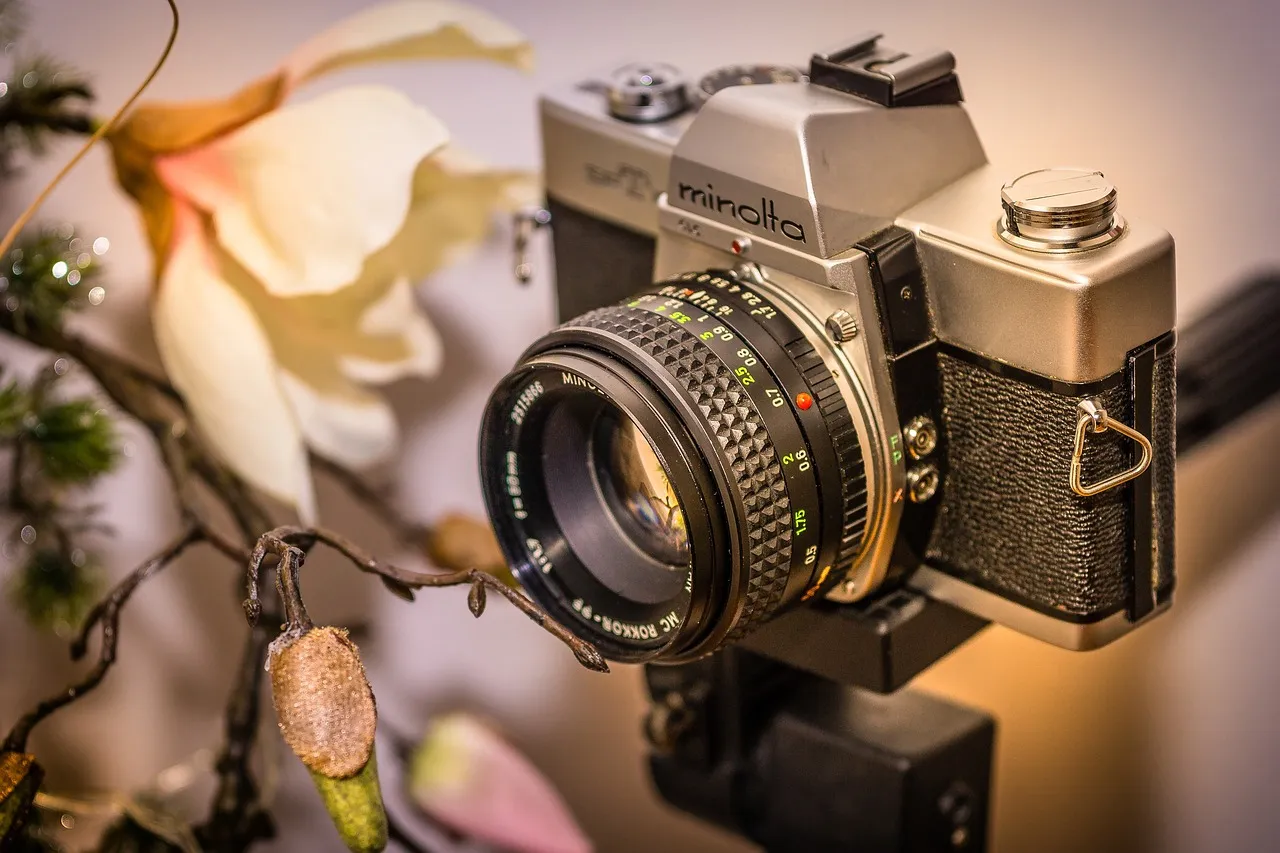
Perhaps surprisingly, certain compact 35mm point-and-shoot cameras have seen dramatic price increases. Models like the Contax T2 and T3, the Yashica T4, and premium Olympus Stylus models have multiplied in value, sometimes selling for ten times their prices from just a decade ago.
Gen Z-driven demand has pushed prices for vintage models like the Canon PowerShot Elph and Sony RX100 to between £100 and £300, with rare colored variants such as the pink Canon IXY 630 selling for over £300. Color and condition are now driving premiums that would have seemed absurd even five years ago.
The resurgence of premium compact 35mm point-and-shoot cameras represents a distinct shift in market valuation, where high-end analog models are being treated less like old cameras and more like wearable design objects with functional appeal.
Hasselblad and Medium Format: Serious Collector Territory
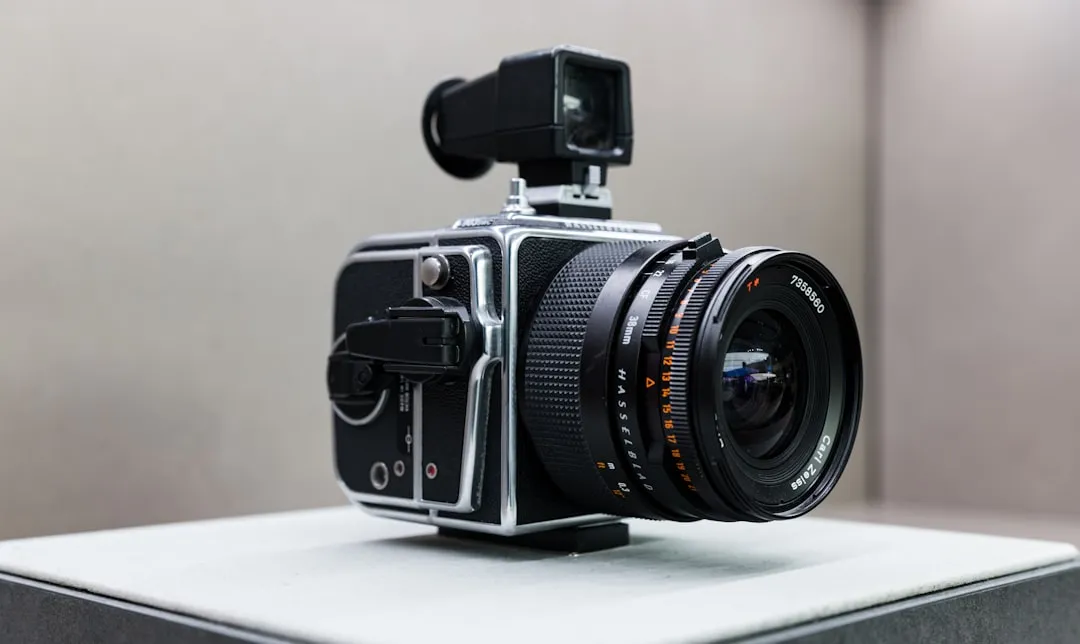
The Hasselblad 500C/M, a classic medium format camera from 1970, remains highly sought-after by collectors for its legendary quality, and many high-end vintage cameras like this can command prices well above their original costs.
The Hasselblad 500C/M trades for roughly $800 to $1,500 depending on condition, while the Rolleiflex 2.8F fetches $800 to $2,000, and the Mamiya 7 rangefinder medium format camera runs between $1,500 and $3,000. These are no longer just photographers’ tools. They’re being acquired and stored as investment pieces.
Historical cameras combine artistry, craftsmanship, and long-term value appreciation. Brands like Leica, Hasselblad, and Nikon remain reliable pillars for collector portfolios, with condition, provenance, and authenticity driving investment potential.
Gen Z Is Changing the Buyer Profile
In 2025, roughly 35% of the 42 million active film camera users worldwide were between the ages of 18 and 30. The year prior, online searches for analog photography saw a 41% rise. That combination tells a clear story about who is entering the market.
According to eBay’s 2025 Recommerce Report, 59% of Gen Z consumers intend to increase their spending on pre-owned items in the upcoming year, highlighting this demographic’s substantial influence on the vintage optics secondary market.
More than 30% of respondents to a 2024 Ilford Photo survey on film photography were in the 25-to-34 age group. These aren’t nostalgic buyers chasing the past. Many of them never shot on film before discovering it deliberately.
The AI Paradox Fueling Analog Demand

What’s happening in 2026 feels structurally different, and the AI boom is a significant reason. As AI-generated imagery floods every corner of the internet – flawlessly composed, mathematically perfect – there’s a growing hunger for photographs that are demonstrably, visibly made by a human being.
Film grain, light leaks, slightly off exposures, and the warmth of silver halide: these aren’t flaws anymore. They’re proof. Proof of human intent, human error, and a moment that actually happened in front of a lens.
A crucial driver is the increasing consumer demand for tangible and authentic user experiences, which is revitalizing mechanical photography. This trend signifies a deliberate rejection of instant gratification, favoring instead the tactile satisfaction derived from manual focus, physical shutter mechanisms, and the finite nature of photographic film.
Film Supply Is Growing to Keep Up
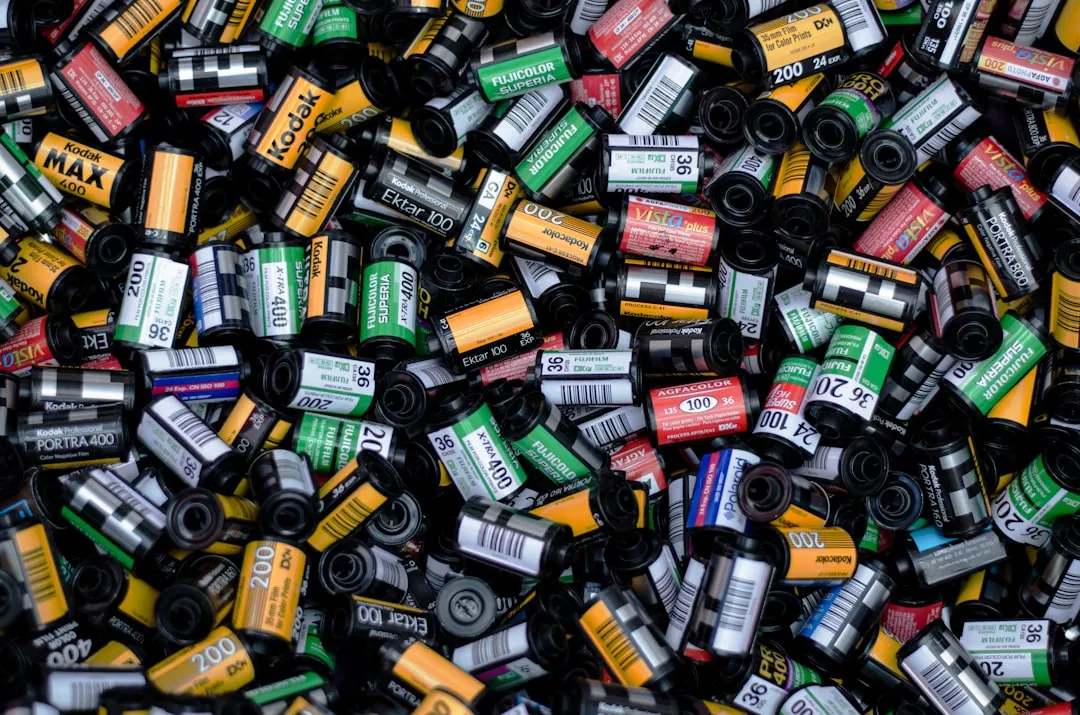
Kodak expanded film production capacity and reported approximately 20% growth in film sales during 2024 to meet increasing market demand. That’s a meaningful response from an industry that was writing its own obituary not long ago.
In 2024, more than 120 million rolls of photographic film were manufactured globally, compared with nearly 90 million rolls in 2015 – reflecting a unit-volume rebound of over 33%.
A critical enabler of sustained growth has been reinvestment by film stock manufacturers in production capacity. Kodak Alaris announced a multi-phase capacity expansion at its Harrow, UK facility in 2024, targeting a 30% increase in output. The infrastructure of analog photography is being rebuilt, not just rediscovered.
The Condition and Provenance Factor
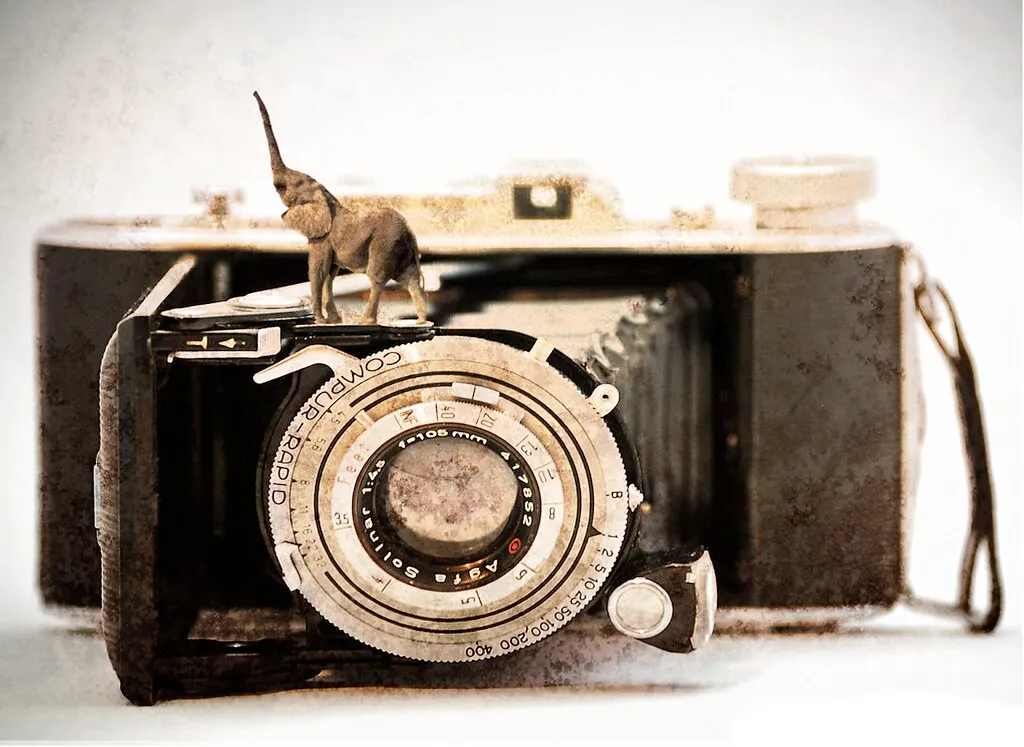
A camera in excellent or mint condition can be worth two to five times more than the same model in poor condition. That gap has widened as competition among buyers has intensified, making pristine examples genuinely rare.
Original accessories and documentation can add 30% to 50% or more to a camera’s value. Boxes, caps, straps, matching serial-number lenses, and original receipts now change the entire negotiation.
Refurbished cameras account for approximately 52% of total unit transactions, with repair success rates exceeding 82%. A well-restored body with verified mechanical function is the next best thing to mint original condition, and the collector market accepts it accordingly.
Where Collectors Are Actually Buying
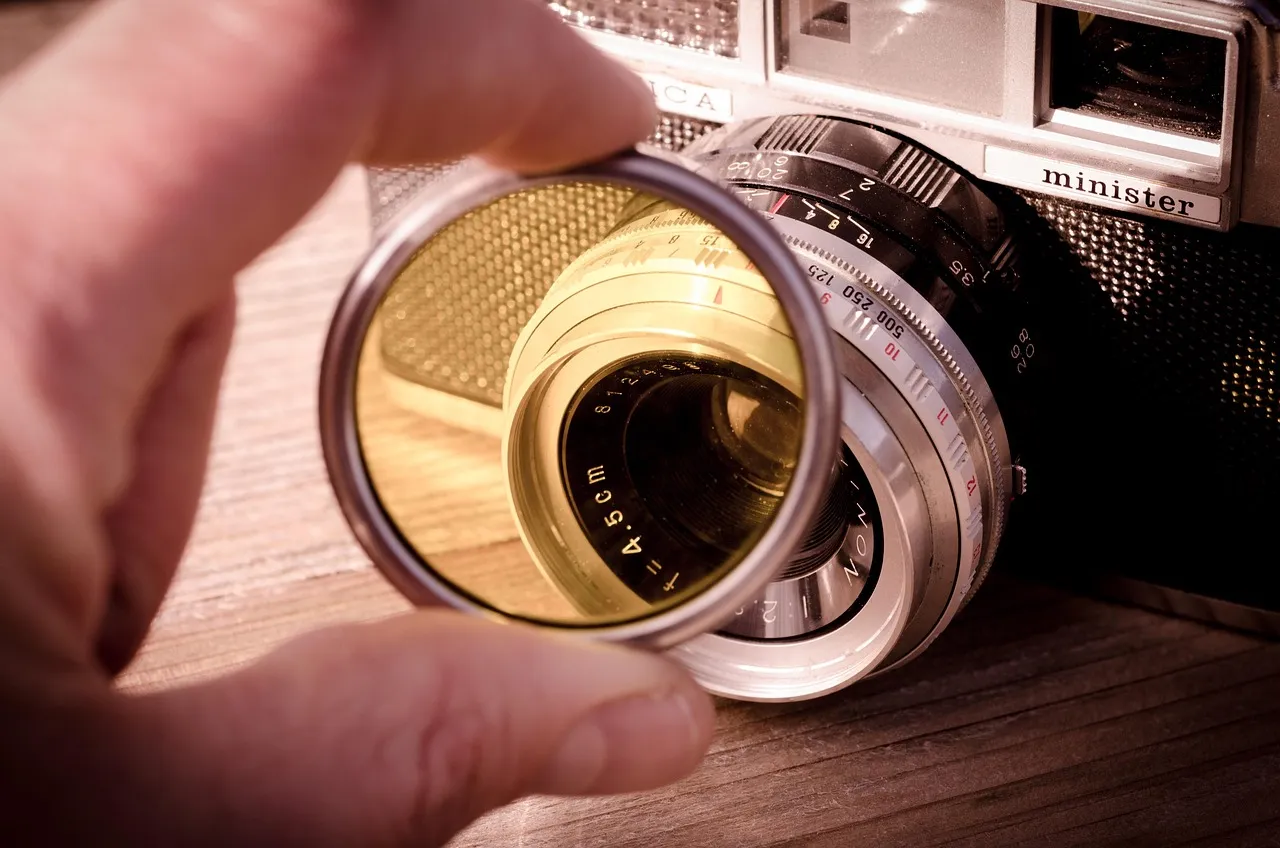
Vintage camera transactions have risen by over 25% in several secondary markets, and those markets range from specialist dealers to online auction platforms. eBay remains the most visible global venue, but dedicated resale shops and curated dealers carry increasing weight for high-value pieces.
The eBay vintage camera section regularly features once-inexpensive models at collector prices, highlighting the market shift that has taken place over the past few years. What was a bargain bin category a decade ago now has its own tier of serious buyers willing to wait and pay accordingly.
Around 65% of film camera usage is concentrated among users aged 18 to 40, with over 52% purchasing second-hand or refurbished units. That purchasing behavior keeps secondary market volume high and prices moving upward.
The Community Behind the Cameras
In April 2026, the inaugural AnalogCon took place in Los Angeles, organized by the Los Angeles Center of Photography. It wasn’t just a gathering for photography enthusiasts – it also demonstrated how analog photography as a practice, ritual, and community is flourishing.
Community darkrooms and shared labs increased 34% since 2020, particularly in urban creative centers. These spaces function as both practical facilities and social hubs, drawing in newcomers who might not yet own their own gear but quickly become buyers.
Observers working directly with undergraduate art and design students describe seeing young people not chasing nostalgia but instead rejecting algorithms, breaking free from the alienation of social media, and reacting to childhoods spent on Zoom and TikTok – a deliberate move to redefine how they engage with art and community. The camera has become something of a quiet manifesto.
What This Means for Values Going Forward
Resale prices for rare vintage models are predicted to rise between 15% and 20% annually through 2026, driven by limited supply and cultural nostalgia. With no new production of most sought-after models, the supply ceiling is essentially fixed.
The lack of new production is a key driver of rising vintage prices. Unlike most collectibles where reproduction or reissue can dilute value, true mechanical film cameras from the 1950s through 1980s cannot simply be made again at scale. What exists is what exists.
The vintage camera market, including collectible film equipment, is projected to grow from around $1.19 billion in 2025 to $1.68 billion by 2031 – a trajectory backed by institutional investment, not just social media aesthetics. The money following this market is no longer casual.
The Takeaway
The vintage camera collecting scene has crossed a threshold. It’s no longer a hobby corner of the antiques world. It’s a convergence point where photography culture, generational identity, the reaction against AI imagery, and real investment logic are all meeting at once.
The cameras that collectors are competing for – Leica M-series rangefinders, Hasselblad medium format systems, Contax compacts, classic Nikon SLRs – are appreciating not because of sentiment alone, but because the demand is broad, the supply is finite, and the community around them is growing fast.
If you have one gathering dust on a shelf, it’s worth knowing what you actually have. And if you’re looking to buy one, the window where prices felt reasonable closed a few years ago. The competition has already begun.
AI Disclaimer: This article was created with the assistance of AI tools and reviewed by a human editor.