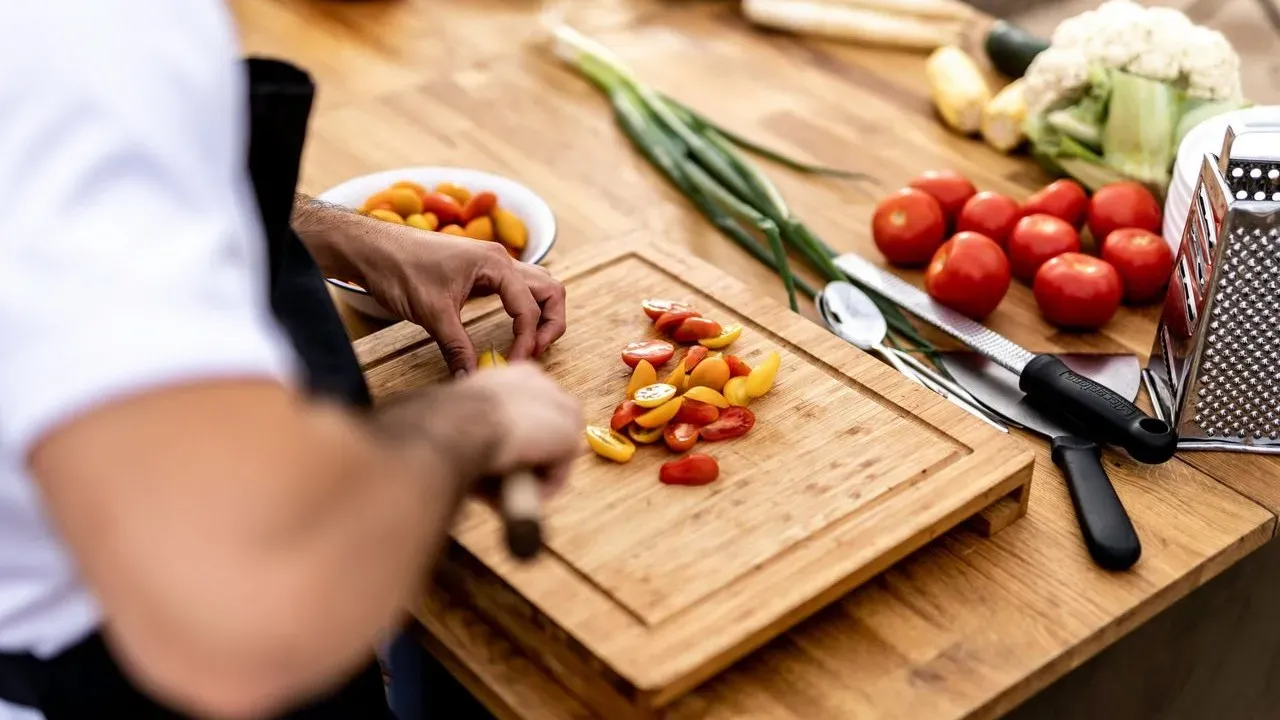

Hiring a private chef for an evening at home can turn an ordinary gathering into something memorable, yet the process often involves more coordination than most hosts anticipate. Menus must align with guest preferences, kitchens need assessment, and clear communication becomes essential long before anyone steps through the door. Those who prepare thoroughly tend to enjoy smoother results, while others encounter avoidable complications that detract from the occasion.
Choosing the Right Service Model
Private chef arrangements come in distinct forms, and selecting the wrong one creates immediate mismatches. A one-time booking typically involves a chef arriving for a single event such as a celebration or dinner party, handling cooking, service, and often cleanup on the spot. In contrast, recurring meal preparation brings a professional on a regular schedule to prepare multiple dishes for the week ahead, with billing structured differently from event-based rates. Hosts who clarify their goals early avoid later disappointment. Those seeking a special occasion benefit from chefs focused on events, while anyone wanting consistent weekly support finds meal-prep services more suitable. The distinction shapes every subsequent conversation about timing, scope, and expectations.
Clarifying Costs and Value
Headline prices rarely capture the full picture, which leads many people to compare offers that are not truly equivalent. Service fees, ingredient expenses, shopping charges, and travel costs often appear separately, and policies on cancellation vary widely from one provider to the next. Requesting a complete, itemized breakdown at the inquiry stage allows meaningful comparisons and prevents surprises once the date approaches. Some chefs combine everything into a single rate, while others itemize each element. Either approach works when both parties understand the terms in advance. Early discussion of these details also reveals how flexible the chef can be with last-minute adjustments.
Addressing Dietary Needs and Kitchen Limits
Dietary requirements demand precise detail rather than broad statements. A simple note that one guest avoids meat leaves open questions about whether the preference extends to dairy, eggs, or cross-contamination risks. Clear lists that include severity levels for allergies and any strong dislikes give the chef the information needed to design a suitable menu without last-minute revisions. Kitchen conditions matter equally. Adequate hob space, oven capacity, and clear work surfaces determine how smoothly preparation proceeds, and most chefs adapt to what is available provided the basics function. Considering parking access and a separate area for guests during active cooking further reduces pressure on the professional and keeps the evening relaxed.
Reviewing Background and Aligning on Details
The private chef field operates without the oversight applied to restaurants, placing responsibility on the client to verify qualifications. Food hygiene certifications at recognized levels offer one indicator of professionalism, yet consistent patterns in reviews often prove more revealing than isolated high ratings. References become especially useful for larger groups or significant occasions, and confirmation of liability insurance provides additional reassurance. Equally important is an upfront conversation about the evening itself. Hosts and chefs benefit from agreeing on service style, arrival and departure times, cleanup responsibilities, and the level of guest interaction desired. When these points are settled beforehand, the focus remains on the meal rather than on resolving misunderstandings during service. A well-prepared booking transforms the experience into one that feels effortless for everyone involved. The evenings that stand out almost always trace back to those early, thorough exchanges that set the right conditions from the start.
AI Disclaimer: This article was created with the assistance of AI tools and reviewed by a human editor.