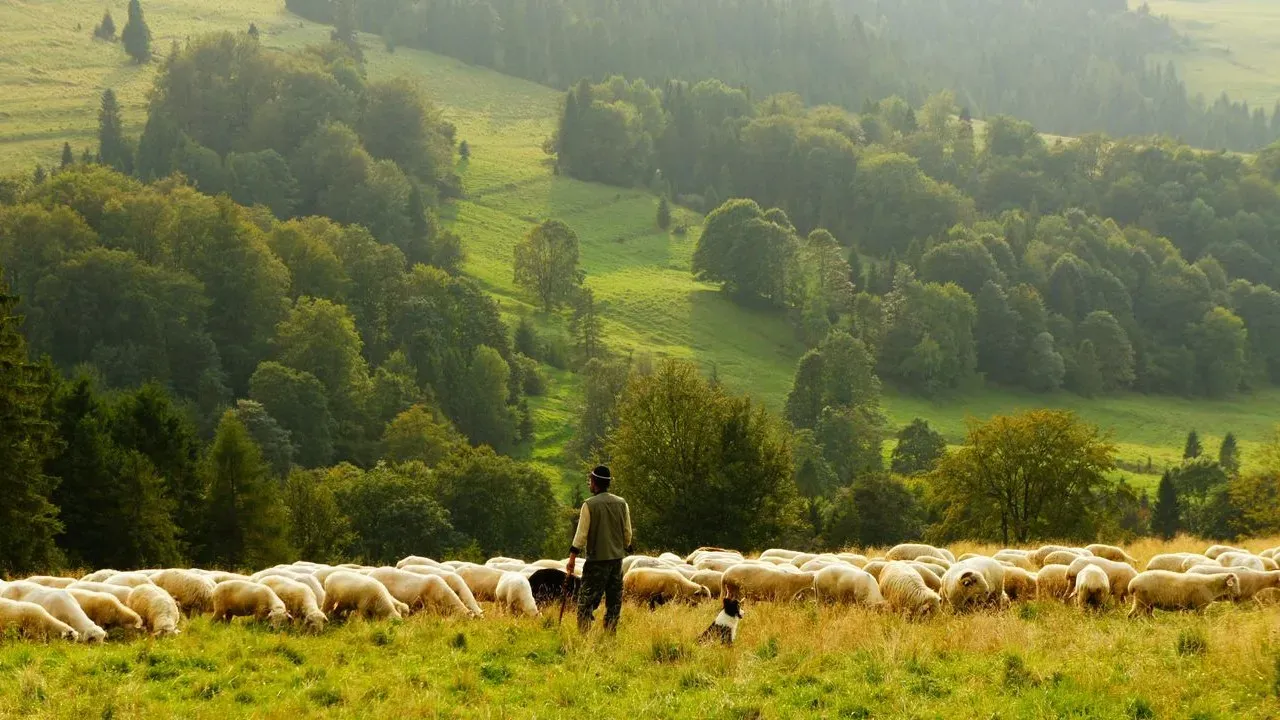

Upstate New York – Tom Clark stepped away from a career in private equity to manage a working farm that spanned more than 500 acres. On that land he maintained a focused herd of East Friesian ewes and turned their milk into cheeses that earned recognition beyond the region. The property also supported a restaurant and hotel that drew directly from the farm’s output, creating a closed-loop operation centered on food production and hospitality.
The Decision to Leave Finance
Clark’s move from investment work to hands-on agriculture reflected a deliberate shift in priorities. Rather than continuing in an office setting, he directed his attention to land management and livestock care. The scale of the property allowed room for both grazing and the infrastructure needed for cheese making and guest services. This transition placed him among a small group of professionals who have applied business discipline to rural enterprises.
Daily Operations on the Property
The farm’s size supported a modest but specialized flock. East Friesian ewes, known for higher milk yields than many other breeds, formed the core of the dairy effort. Milk from these animals moved directly into the creamery on site, where it became the base for the cheeses that later received awards. The same land supplied ingredients for the restaurant kitchen, while the hotel provided lodging for visitors interested in the full production cycle.
Building a Complete Farm Enterprise
Clark integrated several distinct activities into one location. The cheese program stood at the center, yet the restaurant and hotel extended the reach of the farm’s products. Guests could experience the cheeses in prepared dishes and learn about the animals and land during their stay. This model reduced reliance on outside suppliers and kept revenue tied to the property’s own output. The approach also created local employment and contributed to the regional food economy. By keeping production, processing, and service on the same acreage, the operation limited transportation needs and maintained tighter control over quality.
Key Elements of the Farm Model
- More than 500 acres dedicated to grazing and facilities
- A focused herd of East Friesian ewes for milk production
- On-site creamery producing award-winning cheeses
- Restaurant using farm ingredients for daily service
- Hotel offering overnight stays tied to the working farm
Clark’s background in private equity likely informed the structured way the different parts of the business supported one another. The result was a self-contained enterprise that combined livestock, food processing, and hospitality without depending on distant supply chains. Such reinventions highlight how large rural properties can sustain multiple revenue streams when managed with attention to both the animals and the market for their products. Clark’s farm demonstrated one practical path for turning land into a diversified, working operation that reached diners and travelers directly.
AI Disclaimer: This article was created with the assistance of AI tools and reviewed by a human editor.