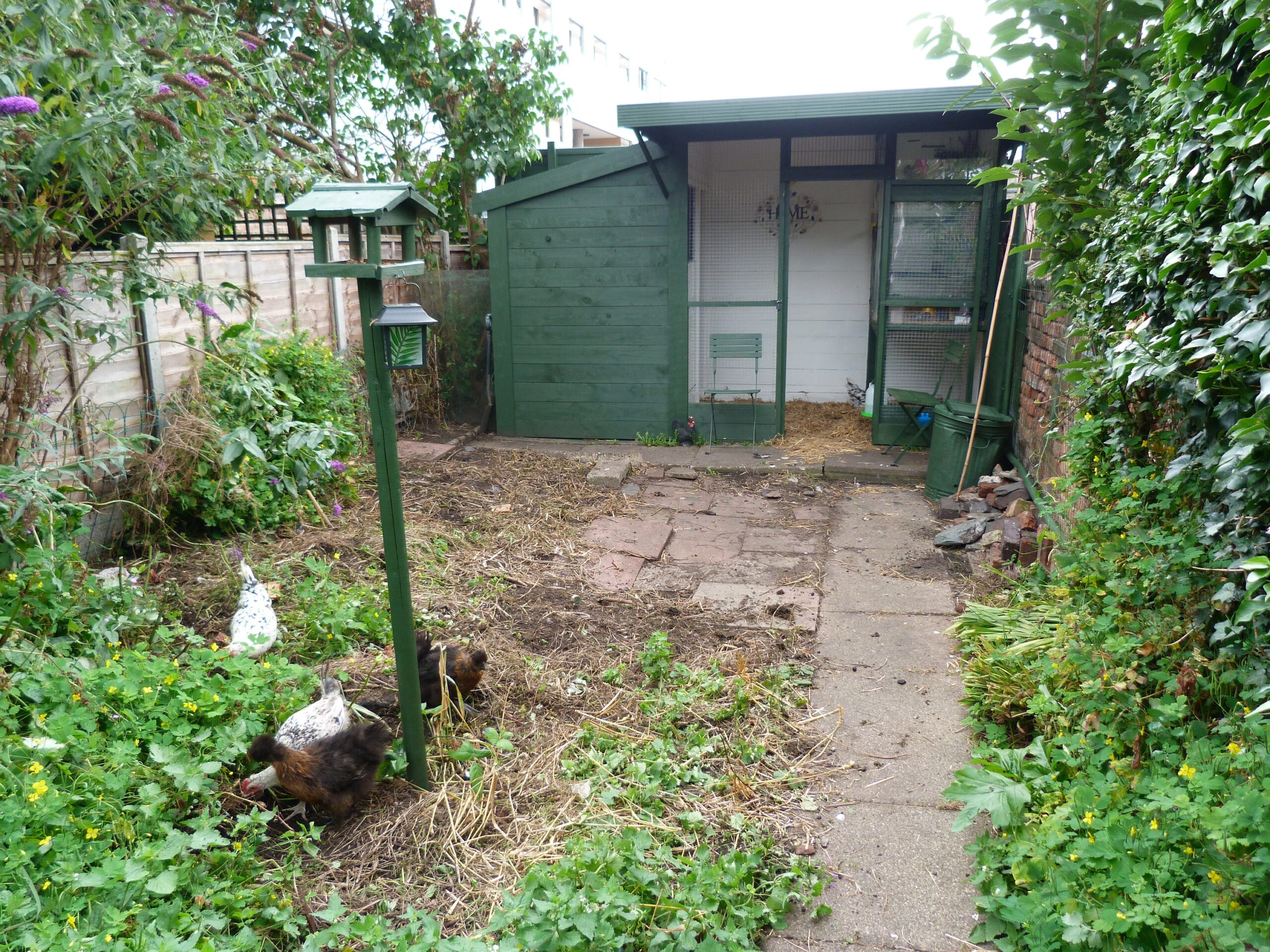

Most people scan the inside of their shed for obvious hazards. Gas cans, oily rags, maybe a space heater sitting too close to a shelf. What rarely gets a second glance is the orange or brown extension cord snaking across the floor, looped through a door gap, or coiled behind the lawnmower. It looks temporary. It looks harmless. That’s exactly the problem.
Extension cords were designed for short-term, supervised use. In a backyard shed, that design intent gets quietly ignored, season after season, often with consequences that are entirely preventable. The numbers behind this habit are worth a closer look.
The Scale of the Problem Is Larger Than Most Realize
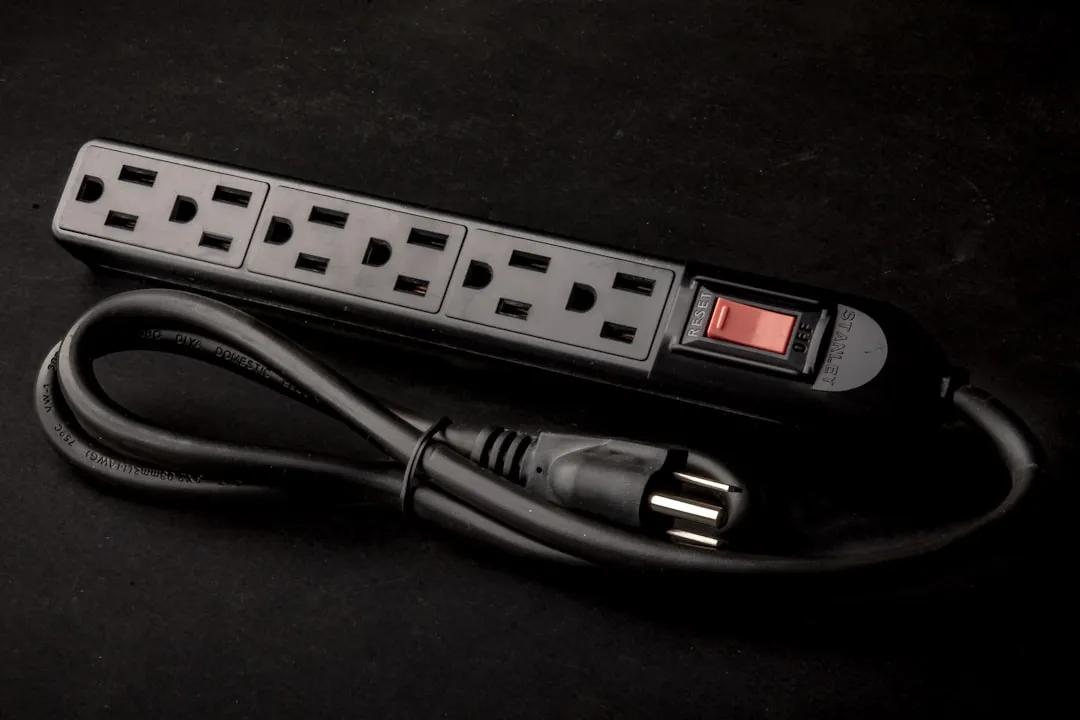
According to the U.S. Consumer Product Safety Commission, approximately 4,600 residential home fires each year are associated with extension cords, resulting in about 70 deaths and 230 injuries. That’s not a fringe risk. The Electrical Safety Foundation International reports that about 3,300 home fires are directly attributed to extension cords each year, causing around 50 deaths and hundreds of injuries annually.
According to the National Fire Protection Association, electrical distribution and lighting equipment, including extension cords, accounted for roughly one in ten home structure fires between 2012 and 2016. When you consider how many of those fires start in low-visibility outbuildings like sheds, the concern becomes more specific and urgent.
Outdoor Sheds Create a Uniquely Hostile Environment for Cords
When extension cords live outdoors, bake in summer heat, stiffen in winter cold, and soak up moisture year after year, they become far more dangerous than they look. This kind of slow, cumulative damage doesn’t announce itself. A cord can look fine on the outside while its insulation is quietly degrading.
Providing power to outdoor spaces such as sheds and outbuildings is useful for tasks involving power tools or appliances, but many homeowners resort to using extension cords for this purpose, which can pose serious safety risks. Extension cords are not designed for permanent wiring, and prolonged exposure to UV rays, rain, or snow can degrade cords even if they’re marked for outdoor use.
Using an Indoor Cord Outside Is an Underestimated Mistake
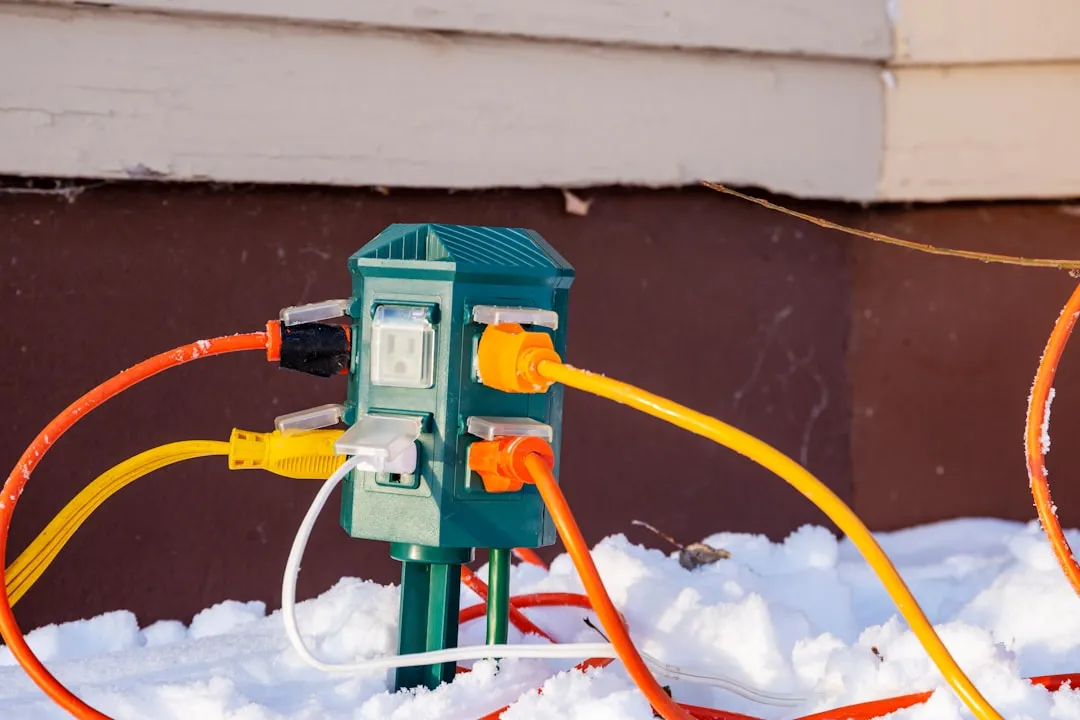
You cannot use a non-outdoor-rated extension cord for outdoor applications. Yet this happens all the time. People grab whatever cord is available, run it through a door gap to the shed, and consider the job done. The cord’s rating often goes completely unread.
Using an indoor cord outside or overloading a cord can lead to overheating, increasing the risk of electrical fires. For outdoor operation, use only extension cords marked for outdoor environments. The distinction matters because outdoor-rated cords have thicker, weather-resistant jacketing designed to handle moisture and temperature swings that indoor cords simply aren’t built for.
Treating a Temporary Cord Like Permanent Wiring
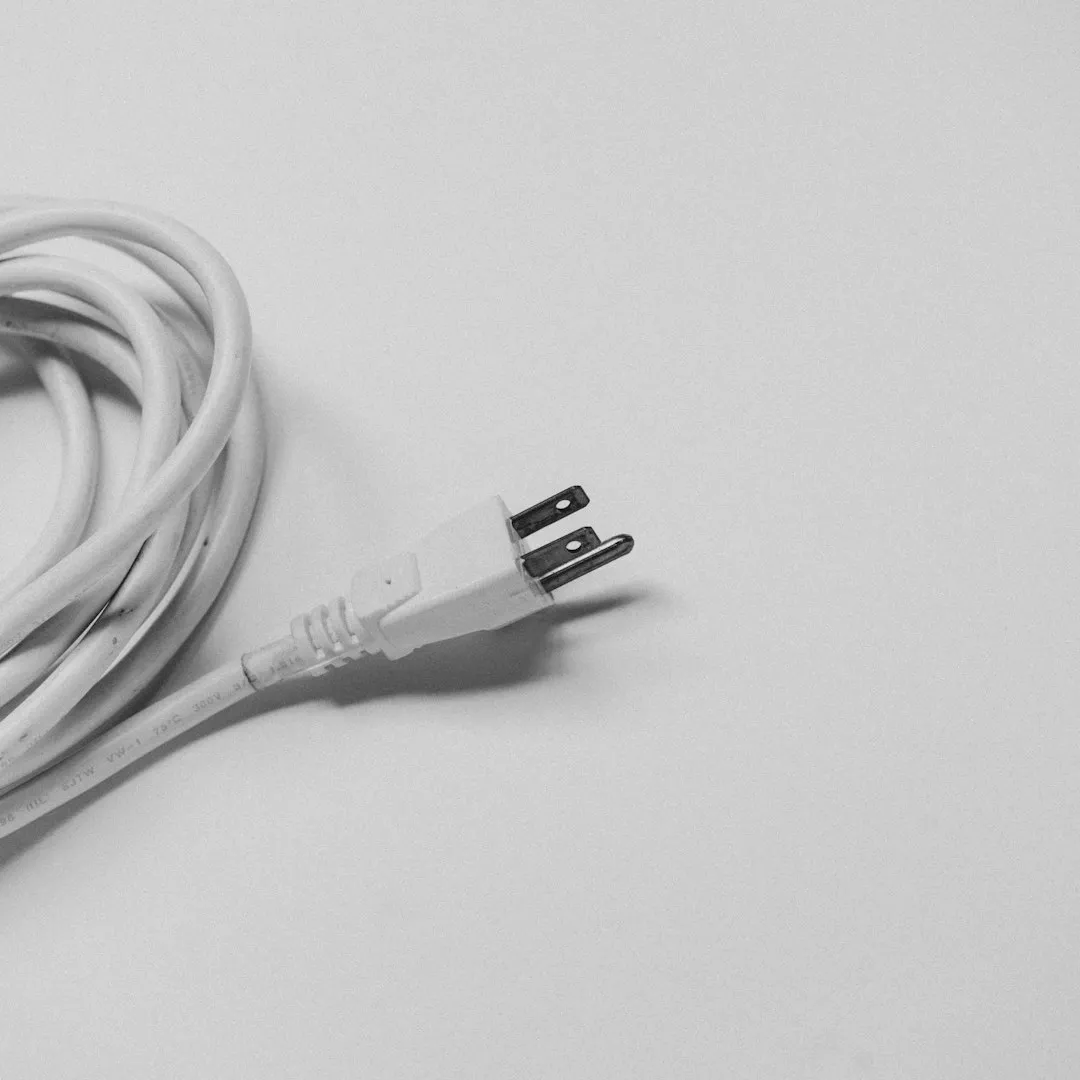
OSHA’s regulations only allow extension cords to be used as temporary wiring for up to 90 days. Any extension cords in use over 90 days are considered permanent wiring and may become a fire hazard. Most shed owners have never heard this rule, and many have had the same cord running to their shed for years.
Using extension cords as a permanent wiring solution is a common mistake that creates significant electrical hazards. They are designed for temporary power, not continuous duty, and ignoring this distinction often leads to overloaded circuits, fire risks, and system failures. Extension cords work only for temporary use, and they must be unplugged and removed after each use.
Coiling the Cord Traps Heat in a Way Most People Don’t Anticipate
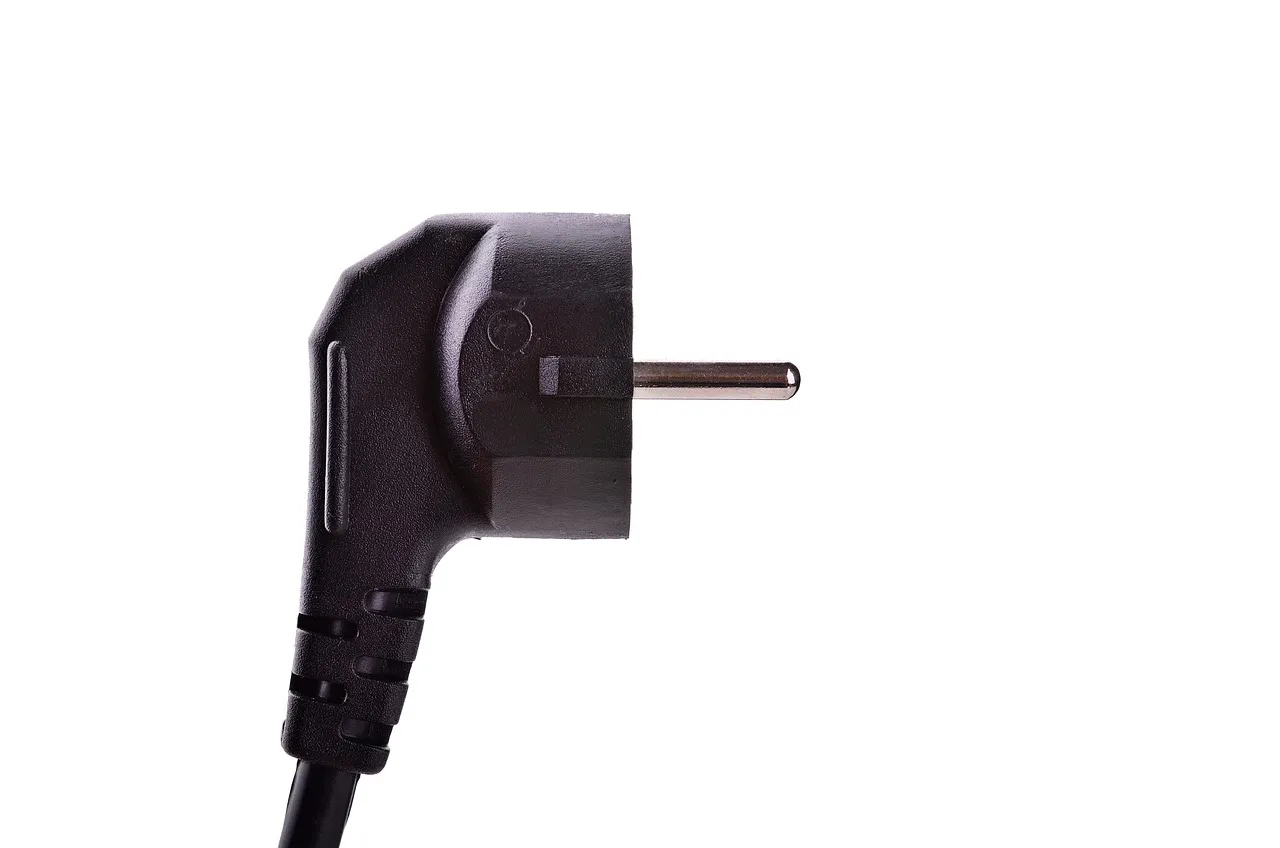
Extension cords are constructed to release heat into the air as electrical current flows through them. That heat is trapped when a cord is coiled, bundled, or stashed under rugs, mats, or furniture, causing the wiring and insulation to be unable to cool down as heat accumulates and increases resistance within the core.
Coiling up excess cord length makes the problem worse. When the cord is coiled, heat cannot escape into the air. It gets trapped between the layers of the cable, creating an induction-coil effect that can melt the insulation even if the load is technically within the cord’s rating. In a shed, where cords are frequently looped and stored without a second thought, this is a common scenario.
The Daisy-Chain Habit Multiplies the Danger Quickly
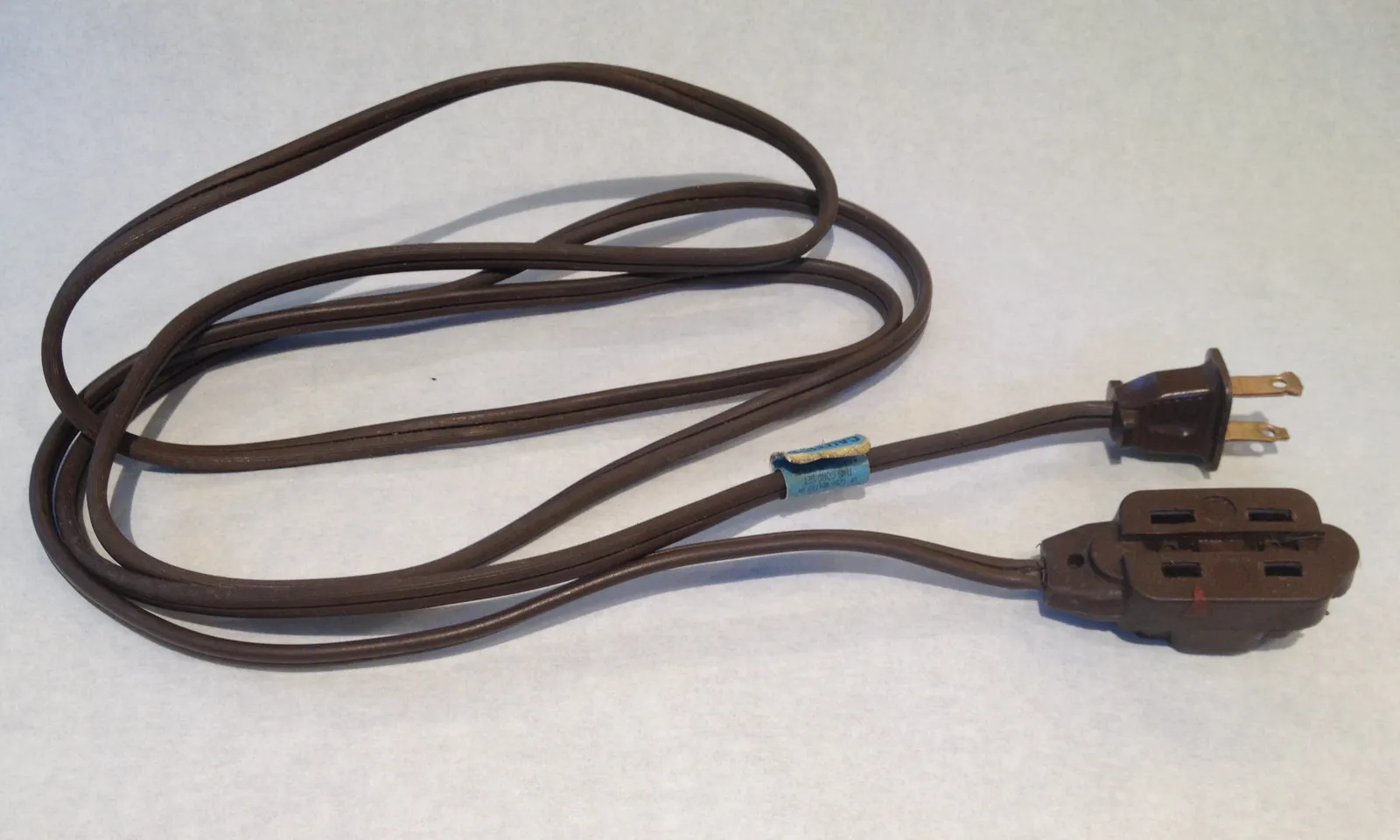
Extending the length of an extension cord by daisy-chaining can lead to overheating by overloading the cord, creating a serious fire hazard. Shed users routinely chain cords together to reach outlets or power multiple tools. It feels practical. It is not safe.
Because electrical resistance increases as power cord length increases, connecting cords together multiplies the total resistance and results in heat generation, creating an additional risk of equipment failure and fire, particularly when combustible materials are in contact with the wires. Interconnecting these devices is also a violation of OSHA regulations and the National Electrical Code.
Overloading Cords with Power Tools Is Particularly Risky

One of the primary hazards is overloading. Many people mistakenly believe that with enough outlets on the cord, it can simultaneously handle multiple high-wattage appliances. Each extension cord has a maximum capacity, typically measured in amps or watts, and exceeding this capacity can cause the cord to overheat, leading to a potential fire.
A 14- or 16-gauge extension cord won’t handle the amperage drawn by high-powered tools or appliances, which can cause the extension cord to overheat and potentially lead to a fire. In a shed environment, where circular saws, compressors, and angle grinders are common, this mismatch between cord capacity and tool demand is especially easy to fall into.
Damaged Cords Cause Fires Long Before They Look Obviously Broken
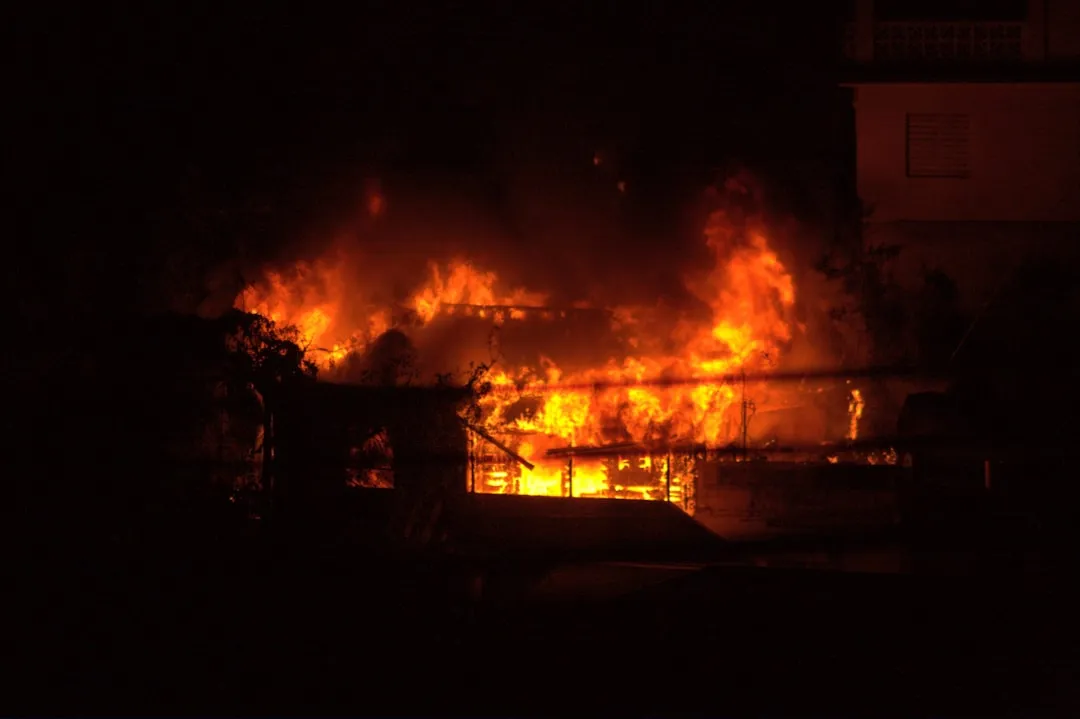
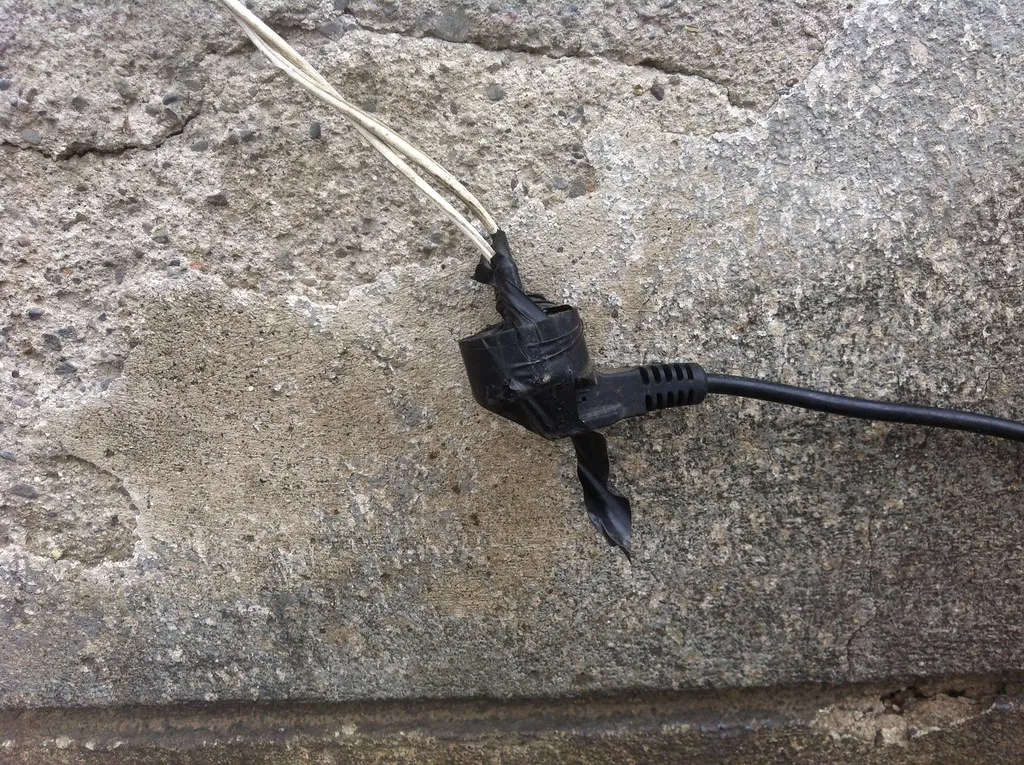
A common issue is the use of damaged extension cords. Over time, cords get used and abused, leading to wear and tear, frayed wires, or exposed conductors. These damaged areas can create sparks or short circuits, significantly increasing the fire risk.
Arc faults are produced by damaged conductors and connectors and may involve damaged wiring, frayed appliance cords, loose connections, and faulty switches. Visually inspect extension cords for damage before use and check for cracked, frayed, or burnt cords. A shed cord that gets stepped on, driven over, or pinched under a tool chest can develop internal damage that isn’t visible from the outside.
Insurance May Not Cover a Fire Caused by Extension Cord Misuse

Homeowner insurance policies contain clauses regarding the proper maintenance and safety of the property, and using extension cords as permanent wiring is widely considered a fire hazard and a code violation. This is not a detail that most shed owners consider when running a cord to a workbench.
If a fire starts in a home and the investigation reveals that it was caused by an overloaded extension cord, an insurance company might contest the claim. A shed fire has the potential to spread to a home or neighboring structures. The financial consequence of an improperly used cord can reach far beyond the cost of replacing a few tools.
What the Safer Alternative Actually Looks Like
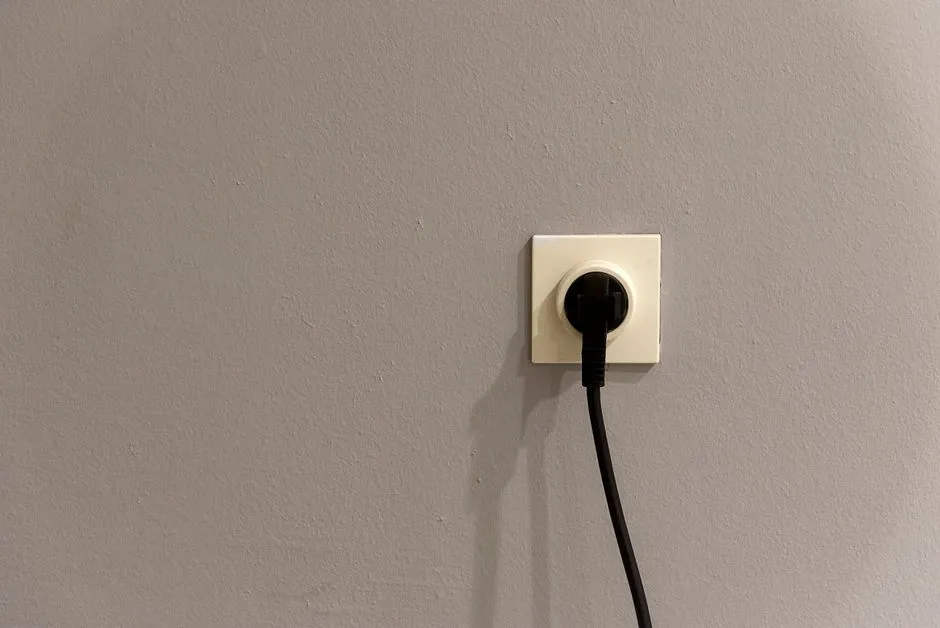
You can use an extension cord to power a shed temporarily if the cord is outdoor-rated. It works fine for occasional use, like clearing out the shed or using power tools for a specific project. Extension cords should be unplugged and removed after each use.
Adding a Ground Fault Circuit Interrupter is a sensible layer of protection, particularly when working outdoors or in damp conditions. A GFCI device, whether built into the wall outlet or used as an in-line adapter, is designed to instantly cut power if it detects an imbalance in electrical current, which dramatically reduces the risk of electrical shock. For anyone using a shed regularly, having a licensed electrician install a dedicated circuit is the most straightforward way to eliminate the risk entirely.
The Real Risk Is Normalcy

What makes extension cord misuse in outdoor sheds so persistent is that it rarely causes an immediate problem. Cords get run, tools get used, and the shed is locked up again. The cord stays plugged in. Weeks pass. Seasons change. The cord degrades a little more each time.
Roughly 3,300 home fires originate in extension cords each year, killing 50 people and injuring 270 more. Extension cords can overheat and cause fires when used improperly. The gap between what people assume about a familiar object and what that object can actually do under sustained misuse is where fires begin. A shed is often the last place anyone installs a smoke detector, and the first place a neglected cord quietly fails.
The fix is rarely dramatic or expensive. Unplug the cord when you’re done. Inspect it before you use it again. If you’re in the shed regularly enough to need permanent power, treat it like a permanent wiring job and have it done properly. The cord you’ve always used isn’t the problem. The habit of trusting it unconditionally is.
AI Disclaimer: This article was created with the assistance of AI tools and reviewed by a human editor.