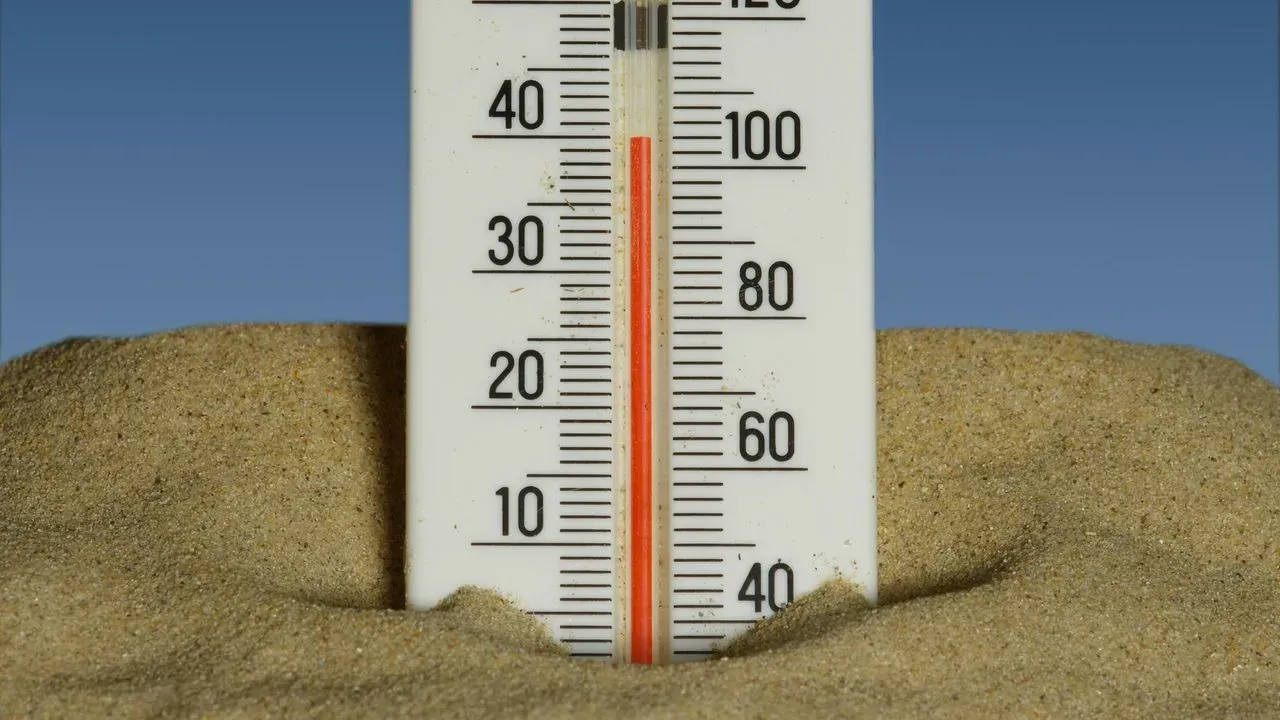

The contiguous United States just lived through its warmest July on record. The National Oceanic and Atmospheric Administration confirmed the milestone this month, noting temperatures that exceeded previous highs across much of the lower 48 states. For gardeners, the news arrives at a moment when many plants already show clear signs of strain from prolonged heat and limited rainfall.
Why the Record Matters Now
Gardeners track hardiness zones and seasonal patterns closely, and a month like this one shifts expectations quickly. Soil temperatures stay elevated longer into the evening, which can slow root growth and increase evaporation rates. Many regions that normally enjoy a brief cool-down period saw none, leaving beds and containers exposed to continuous stress.
The contiguous area covers the bulk of American farmland and home gardens, so the impact reaches far beyond a few localized spots. NOAA’s assessment draws from thousands of weather stations, giving the finding broad credibility. Gardeners who planned around historical averages now face conditions that arrived earlier and lasted longer than expected.
Visible Stress in the Landscape
Leaves that curl or scorch during peak afternoon hours signal the first layer of trouble. Lawns turn brown in patches where irrigation cannot keep pace, while vegetable crops such as tomatoes and peppers drop blossoms when daytime highs remain extreme. Perennials that normally rebound after a hot spell stay wilted, and newly planted trees show early leaf drop as roots struggle to pull enough moisture from parched ground.
Container gardens suffer fastest because their limited soil volume heats and dries more rapidly than in-ground beds. Even shade-loving plants positioned under trees can suffer when surrounding air temperatures climb without relief. These symptoms appear across climate zones that rarely saw such intensity in past decades.
Practical Steps for the Rest of the Season
Watering routines need adjustment rather than simple increases. Deep, infrequent sessions encourage roots to reach farther down, while early-morning applications reduce loss to evaporation. Mulch layers help moderate soil temperature and retain moisture, though they must stay a few inches away from stems to avoid rot.
Providing temporary shade with cloth or repositioning vulnerable pots can protect sensitive specimens during the hottest hours. Gardeners may also delay new plantings until temperatures moderate, focusing instead on maintenance of what is already established. Monitoring local extension service updates offers region-specific guidance without guesswork.
Looking Ahead
One unusually hot month does not rewrite every growing calendar, yet it highlights the value of flexible planning. Selecting heat-tolerant varieties and improving soil structure now can reduce future losses. Many gardeners already keep records of bloom times and harvest dates; adding temperature notes this year will help refine choices for the seasons ahead.
The record stands as a clear signal that conditions once considered exceptional are becoming more common. Thoughtful responses today protect both this year’s harvest and the long-term health of the garden.
AI Disclaimer: This article was created with the assistance of AI tools and reviewed by a human editor.