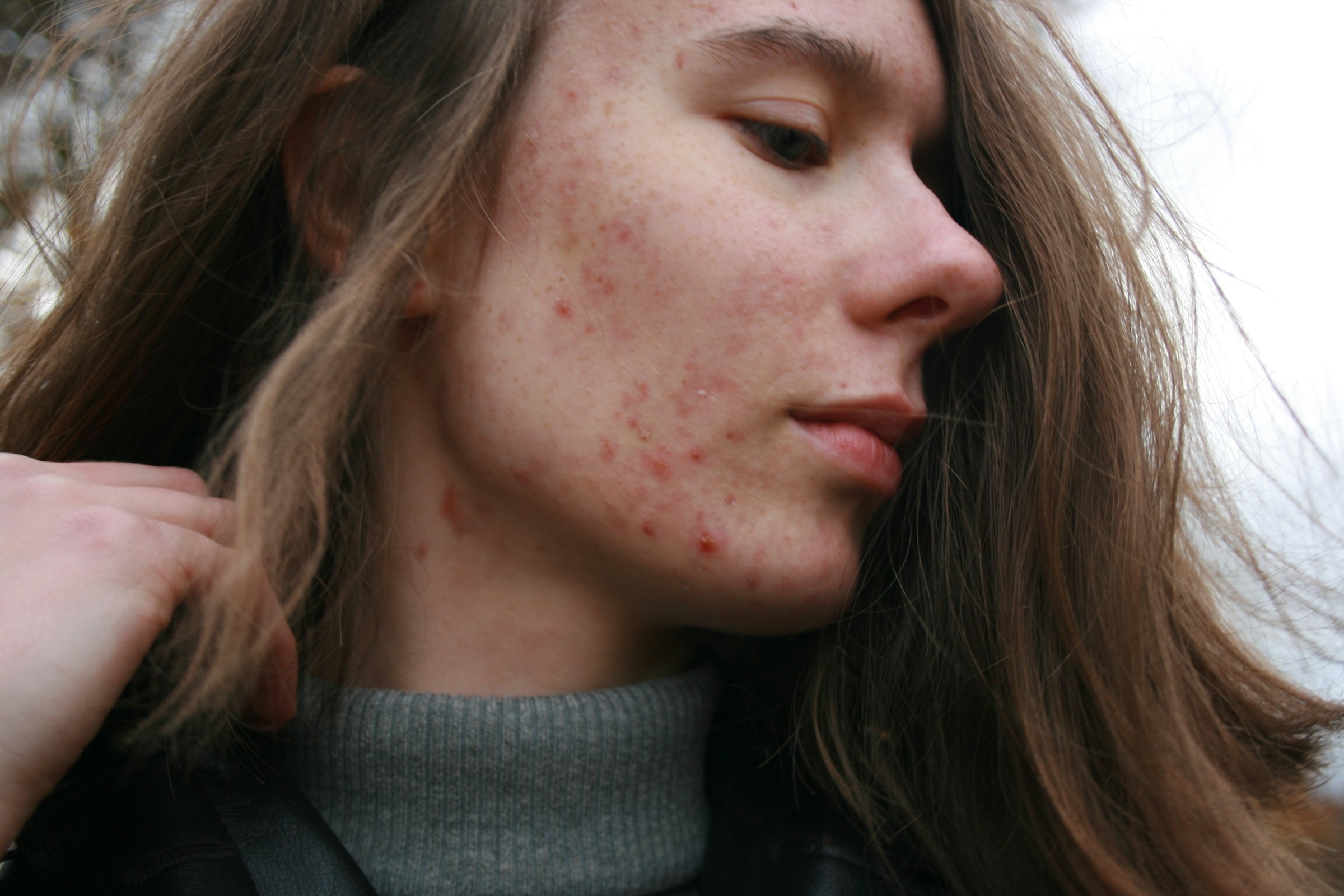

Most people know to keep their distance from a rattlesnake or a wasp nest. Plants, though, rarely get the same respect. They just sit there, green and leafy, looking completely benign. That’s exactly what makes them surprisingly dangerous.
The reality is that the plant world has evolved a remarkable arsenal of chemical and mechanical defenses. Some of them are invisible until you’re already dealing with blisters, burns, or a rash that lasts for weeks. Here are six plants that regularly catch people off guard, along with what science and medicine actually say about the harm they cause.
1. Giant Hogweed: The Plant That Burns Like the Sun
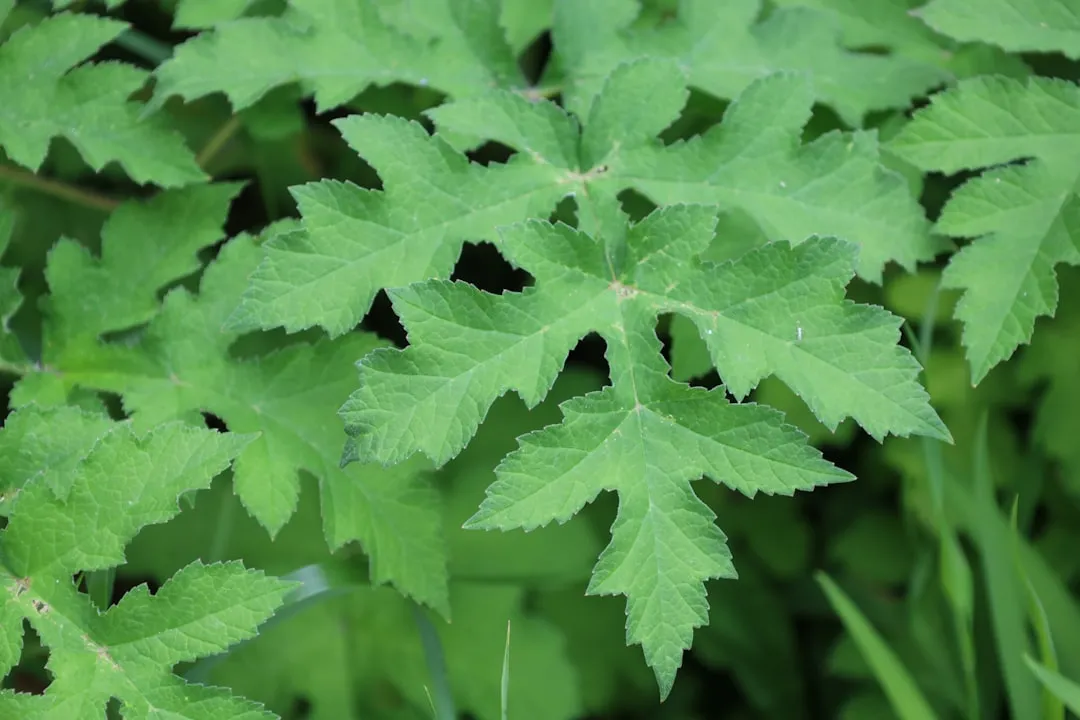
Giant hogweed is a very large, invasive plant that can cause painful burns and scarring. Brushing against or breaking the plant releases a sap that, combined with sunlight and moisture, can cause a severe burn within 24 to 48 hours. At first glance, it looks like an oversized wildflower with white clustered blooms, which is part of the problem.
The plant’s clear, watery sap contains a glucoside called furanocoumarin, a type of psoralen. Psoralens sensitize the skin to ultraviolet radiation and can result in severe burns, blistering, painful sores, and purplish or blackened scars.
The sun’s ultraviolet rays excite electrons in furocoumarin molecules, causing them to bind to two DNA bases, thymine and cytosine. This binding inhibits vital cellular functions like copying DNA into RNA and creating proteins. The skin cells die as a result, producing a burn that blisters and peels.
The affected skin may remain photosensitive indefinitely, meaning it burns more easily with future sun exposure. A 2024 advisory from Northern Ireland’s public health authority specifically warned residents to be aware of giant hogweed and avoid contact with it, as it can cause blistering and swelling on the skin.
2. Poison Ivy: Deceptively Common, Genuinely Miserable
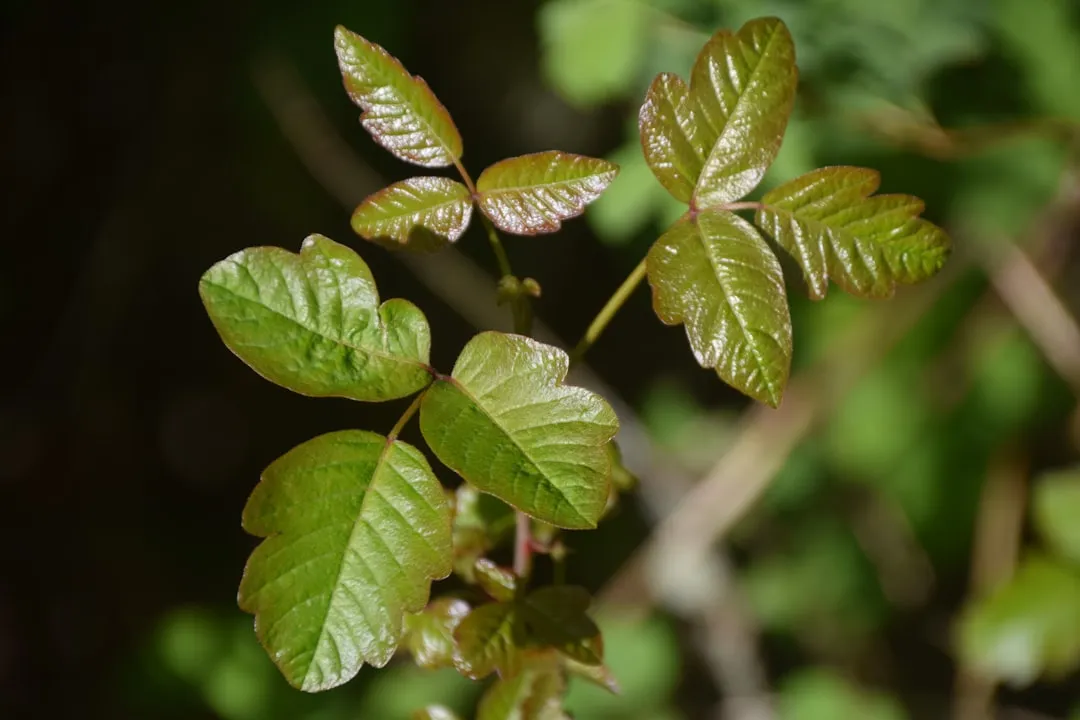
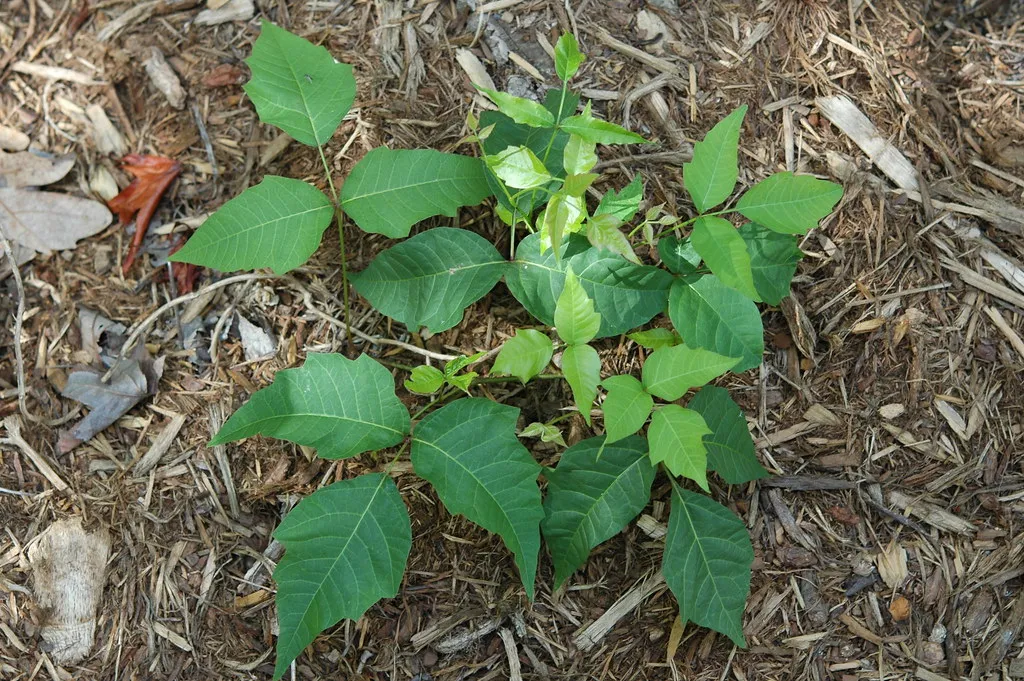
Poison ivy is the most common cause of blistery patches combined with intense itching. The cause is a protectant it exudes on its leaves, urushiol oil, that most humans are highly allergic to with any skin contact. It grows almost everywhere in the continental United States, along trails, river banks, and even up the sides of trees.
According to the American Academy of Dermatology, roughly 85 percent of the population is allergic to urushiol. Reaction occurs 12 to 72 hours later, and the rash and blisters can take two weeks to heal.
Contrary to popular belief, for urushiol to come into contact with human skin, the plant must be damaged. Therefore, brushing up against the leaves is usually not enough to result in an allergic reaction. Still, the oil is remarkably persistent. The plant’s oil can linger on clothing, gear, and pets for up to a year, so thorough washing after any potential exposure is essential.
3. Wild Parsnip: The Roadside Hazard You’ve Probably Walked Past
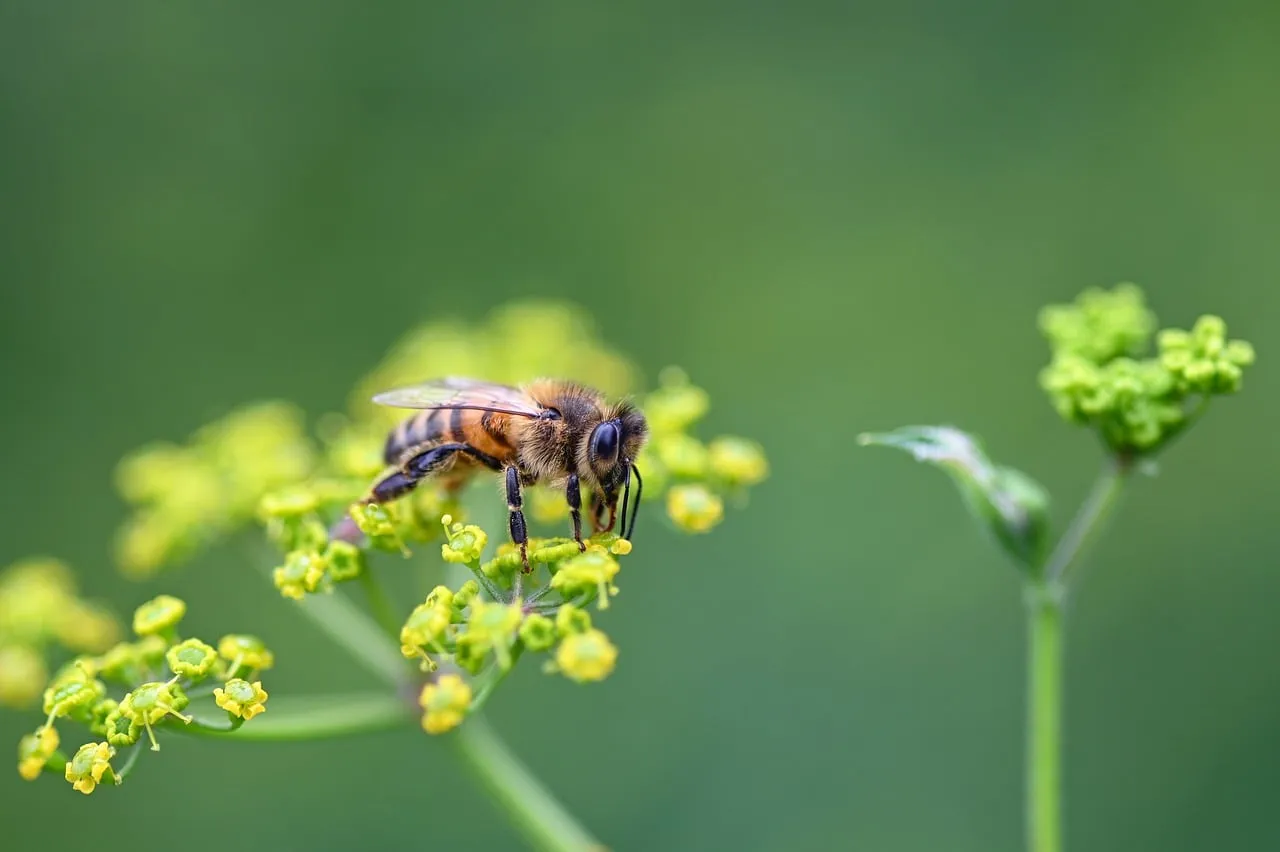
Wild parsnip grows in sunny areas, often along roads and in prairies. The plant has large bunches of yellow flowers on a thick stem. It’s easy to mistake for a harmless wildflower, and that’s a genuinely dangerous mistake to make.
Touching sap from the wild parsnip plant and then being in sunlight can cause a skin reaction that looks like a burn. Within a day, the skin turns red and might develop painful blisters. You might not notice a mild wild parsnip skin reaction.
A severe reaction can cause the skin to change color and stay that way for months or years. The chemical reaction, called phytophotodermatitis, is so corrosive that it can cause a rash and blistering as bad as second-degree burns. The blisters can take weeks to clear up and may leave scars and skin discoloration. A 2024 review published in the journal Life identified wild parsnip as one of the key plant species responsible for phytophototoxicity, noting the interaction between plant-derived photosensitizing compounds such as furanocoumarins and psoralens with ultraviolet light leading to skin damage including erythema, fluid blisters, edema, and hyperpigmentation.
4. Stinging Nettle: A Familiar Sting With a Surprising Chemistry
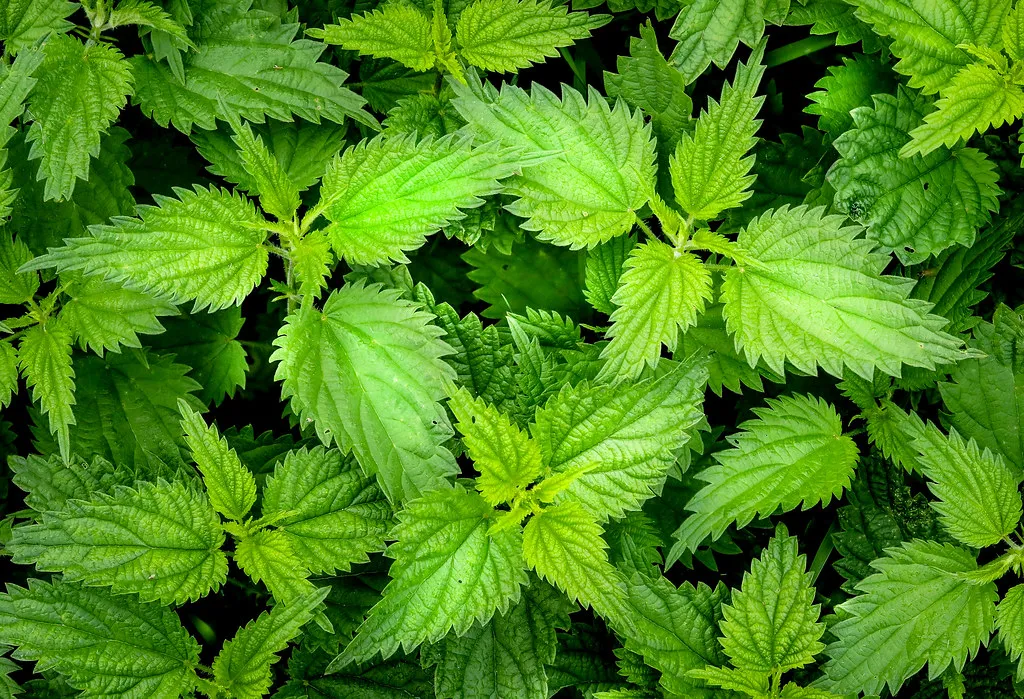
The stinging nettle is a common weed that can cause a wide range of cutaneous reactions. Contact with the hairs or spines on the stems and leaves causes the release of several biologically active substances. The released chemicals act to cause itching, dermatitis, and urticaria within moments of contact.
The plant’s stems and leaves have minute trichomes that release formic acid, histamine, acetylcholine, and serotonin, causing temporary skin irritation when touched. These trichomes serve as a natural defense mechanism against insect predators. Research published in 2025 confirmed this chemical profile, noting that the plant is widely distributed in temperate and tropical regions of Europe, Asia, and the Americas.
Unlike poison ivy, stinging nettles cause an immediate reaction, a sharp sting or burning sensation the moment you brush against them. Most reactions resolve on their own within a few hours. That said, the reaction can be intense enough to alarm people who have never experienced it before, particularly children.
5. The Manchineel Tree: The World’s Most Dangerous Tree
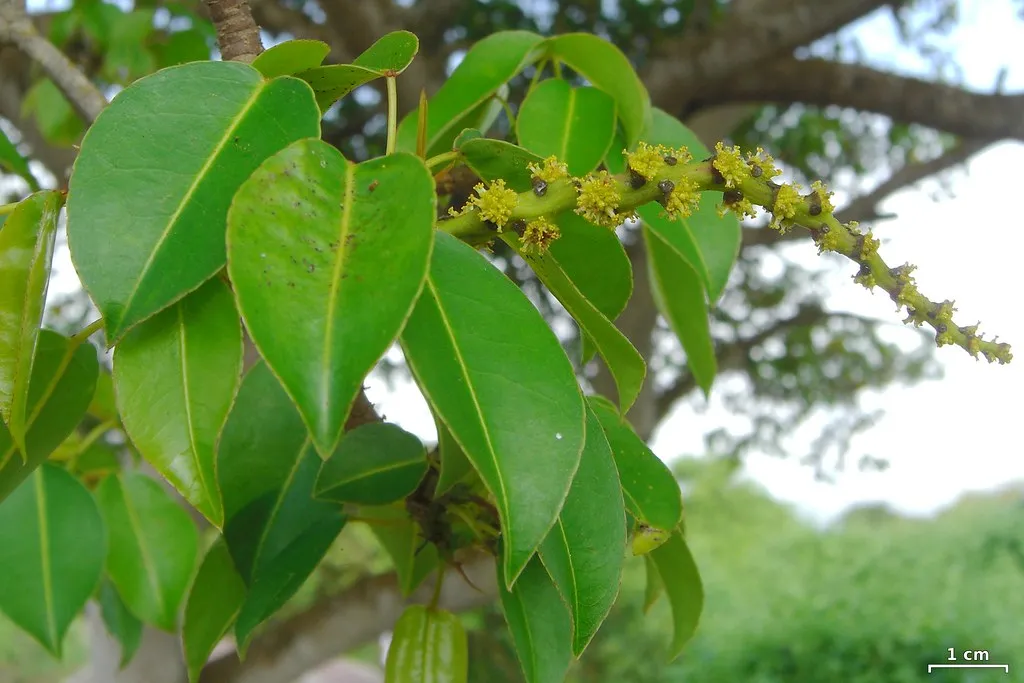
The manchineel is a medium-sized coastal tree in the spurge family. At first glance, it looks harmless, with glossy green leaves, small greenish-yellow fruits, and a grey bark that wouldn’t stand out in a tropical forest. Yet nearly every part of this tree contains potent irritant chemicals.
The manchineel tree grows along the sand-vegetation boundary of Caribbean beaches and can also be found in Florida and the US Virgin Islands. All parts of the tree are toxic. Contact with the sap can cause severe irritant dermatitis and keratoconjunctivitis, and eating the fruit can be fatal.
Simply standing under a manchineel during rain can result in skin blistering, due to the raindrops dissolving small amounts of exuded sap as they run off the leaves. A case report published in the journal Cutis in October 2024 documented a physician who developed manchineel dermatitis in the US Virgin Islands. Complete resolution took six weeks. There is no uniformly recommended treatment for manchineel dermatitis; prevention depends entirely on avoiding contact with the tree.
6. Common Fig: The Garden Plant With a Hidden Bite
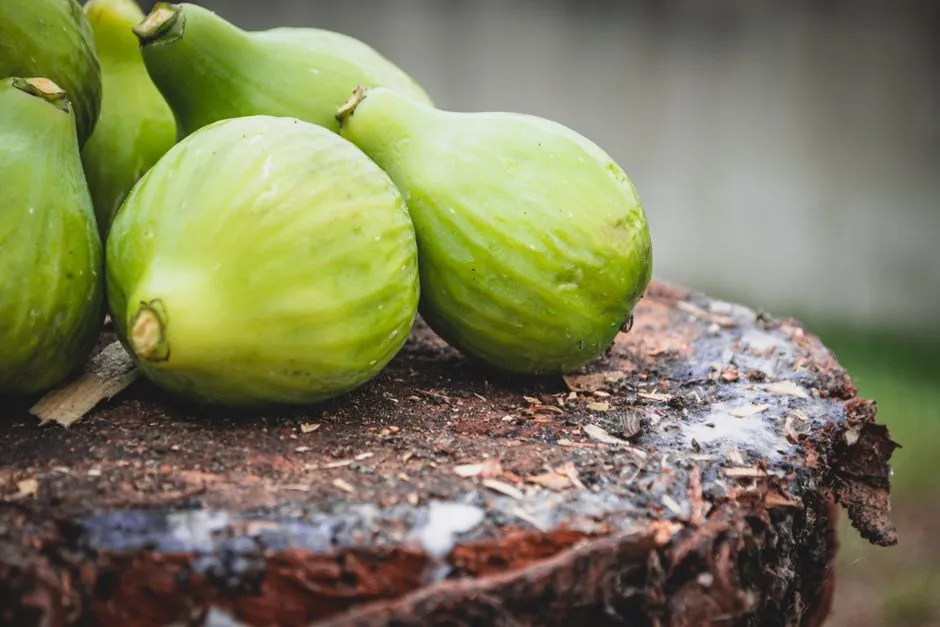
The fig tree is a staple of gardens and kitchens worldwide. Few people associate it with painful skin reactions, yet it belongs to a well-documented group of phototoxic plants. A 2024 review in the journal Life identified Ficus carica, the common fig, as one of the specific plant species responsible for inducing phytophototoxicity.
Celery, citrus, Queen Anne’s lace, and the common fig can cause a dermatitis characterized by a painful, vesicular, erythematous rash that lasts for one or two weeks. The fig’s milky sap, present in unripe fruit and the leaves, contains furanocoumarins that become activated by sunlight on the skin. Gardeners who prune fig trees in summer are among the most commonly affected.
Phytophotodermatitis occurs when the skin is exposed to both a plant toxin and ultraviolet radiation. Healing skin may show hyperpigmentation, meaning dark patches that can persist long after the rash itself has cleared. The rash pattern often follows the exact shape where sap or plant juice contacted the skin, which is how clinicians typically identify the cause.
Why These Plants Fool People So Effectively
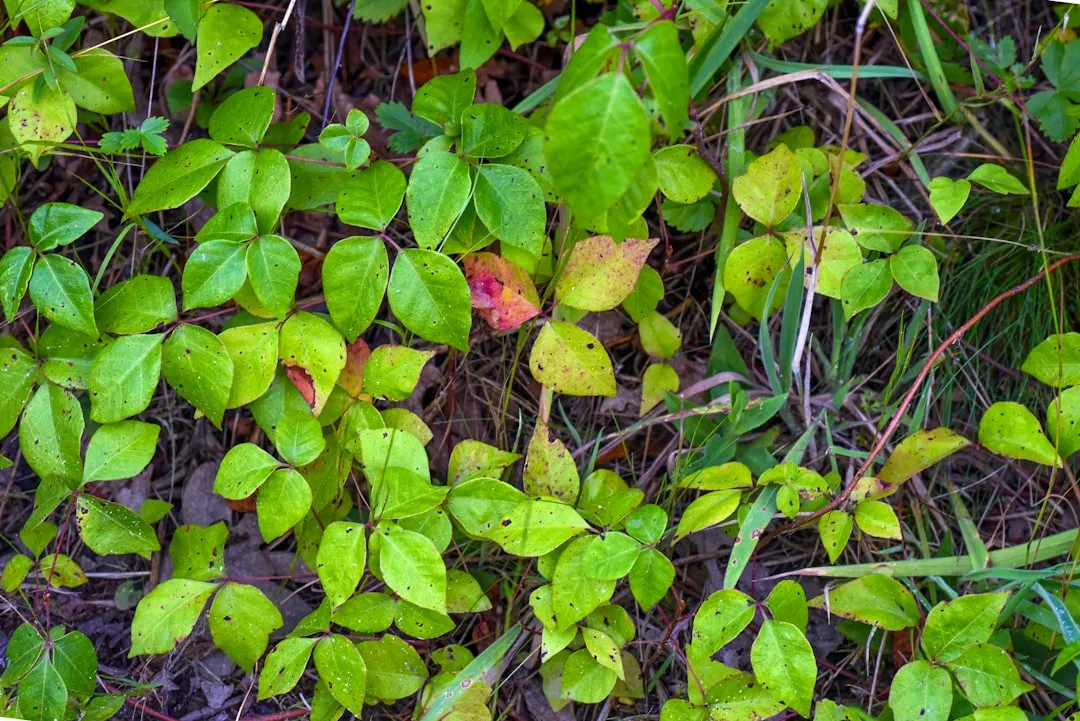
The core issue isn’t just ignorance of individual species. It’s that most people have an unconscious assumption: if a plant is everywhere, and it’s never caused obvious harm before, it’s probably fine. Symptoms from plant contact include itching, redness, swelling, and blisters, usually appearing 24 to 48 hours after touching the plants. The rash can last up to three weeks. That delay makes it genuinely difficult to connect cause and effect.
Plants can cause allergic contact dermatitis, mechanical irritant contact dermatitis, chemical irritant contact dermatitis, light-mediated dermatitis, and pseudophytodermatitis. Each mechanism is different, which means the same visible result, a painful rash or blister, can have entirely different triggers and require different approaches to treatment.
Irritant contact dermatitis makes up about 80 percent of all contact dermatitis cases and is the most common occupational skin disorder. Outdoor workers, hikers, gardeners, and farmers face the highest exposure. Wearing long sleeves, gloves, and washing skin promptly after potential contact are still the most reliable forms of protection.
What to Do If You’ve Been Exposed

Timing matters. If exposure is confirmed, the contact area should be washed immediately and covered to avoid sunlight exposure. Any skin blistering should be covered from sunlight and monitored for deterioration. For plants that trigger phytophotodermatitis specifically, avoiding sunlight in the hours after contact can significantly reduce the severity of the reaction.
Treatment generally involves washing the skin, avoiding scratching to prevent infection, and using creams to alleviate symptoms. For reactions that cover large areas, produce significant blistering, or persist beyond two weeks, medical attention is advisable rather than optional. Healthcare providers may prescribe a steroid cream to relieve swelling or inflammation. For superficial burns, application of lotion or aloe vera may be suggested to provide relief.
How to Stay Safe Outdoors
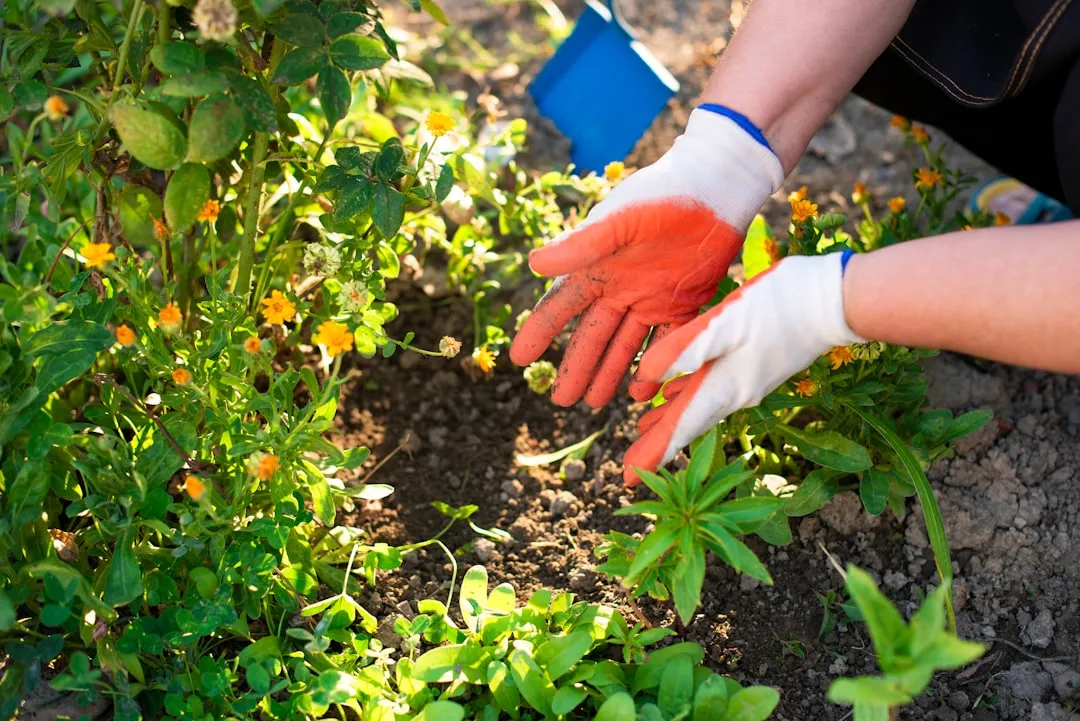
Wearing gloves and long sleeves when gardening or hiking and learning to identify plants are among the most effective protective measures. Plant identification apps can help, though researchers note they can be unreliable when used alone. Cross-referencing with a reliable field guide or a university extension resource adds a meaningful layer of accuracy.
For coastal travel specifically, if you’re visiting a tropical beach and see a tree with warning signs, red paint rings on the trunk, or ropes around it, do not touch it. In many coastal regions, this is how manchineel trees are marked. These markings exist for good reason and deserve to be taken seriously.
A practical rule worth keeping in mind: the photosensitizing chemicals in plants like giant hogweed are present in all parts of the plant, and burns can result from even lightly brushing against the foliage, stem, flower, or seed. With the most dangerous species, there is no such thing as a safe casual touch.
A Final Thought
There’s something quietly humbling about realizing that an ordinary-looking plant growing beside a hiking trail can leave you with burns that take weeks to heal. These aren’t exotic laboratory hazards. They’re plants people walk past, garden around, and in some cases eat without knowing the risks involved.
The research is consistent: awareness is the most effective protection available. Knowing what these plants look like, understanding that reactions are often delayed, and taking basic physical precautions dramatically reduces the chance of a painful encounter. Nature doesn’t label its hazards clearly. That’s our job to figure out.
AI Disclaimer: This article was created with the assistance of AI tools and reviewed by a human editor.