

There’s a quiet obsession growing in the world of horticulture, one that rarely makes headlines but runs deep among people who truly care about plants. Collectors and growers are crossing state lines, bidding at specialty auctions, and building relationships with obscure nurseries, all in pursuit of roses that most people have never heard of. These aren’t the grocery store stems wrapped in cellophane. They’re something far older, stranger, and harder to get.
The fascination isn’t new, but the urgency has sharpened. Heritage and vintage rose varieties face genuine threats from commercial trends, climate pressures, and plain neglect. Once a variety disappears from cultivation, it may be gone permanently. That stakes-driven reality is exactly what keeps collectors searching, and paying.
Why Rare Roses Command Such High Prices
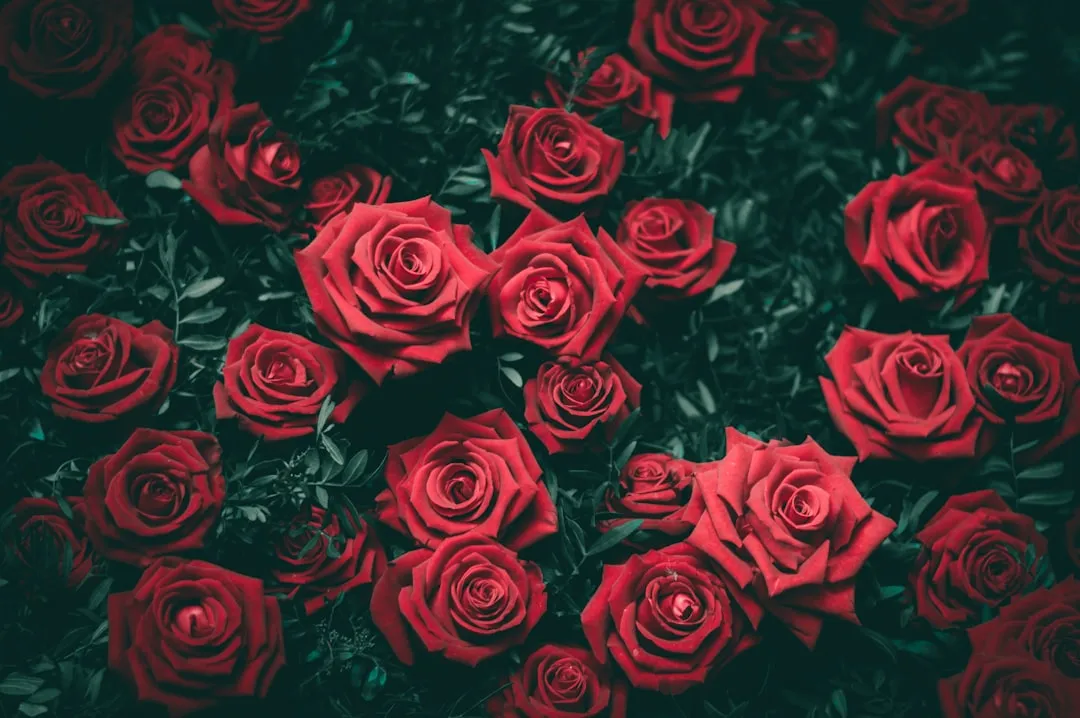
Breeding time, patent rights, color rarity, fragrance, and even the story behind a bloom all play a role in pushing certain varieties into luxury territory. A rose that took a decade or more to develop, produces only a modest number of blooms per plant, or carries an exclusive patent will naturally cost more than anything you’d find at a garden center. Roses become expensive for the same reasons any luxury good does: scarcity, craftsmanship, and demand.
Genuine luxury and rare rose varieties are typically sold through specialty growers, licensed rose nurseries, and flower auctions rather than general garden centers. Always buy from a reputable source that can verify the cultivar, since many of the most expensive roses are patented and only legally propagated by licensed growers. The market for these plants is small, serious, and surprisingly competitive.
The Juliet Rose: The Bloom That Started a Conversation
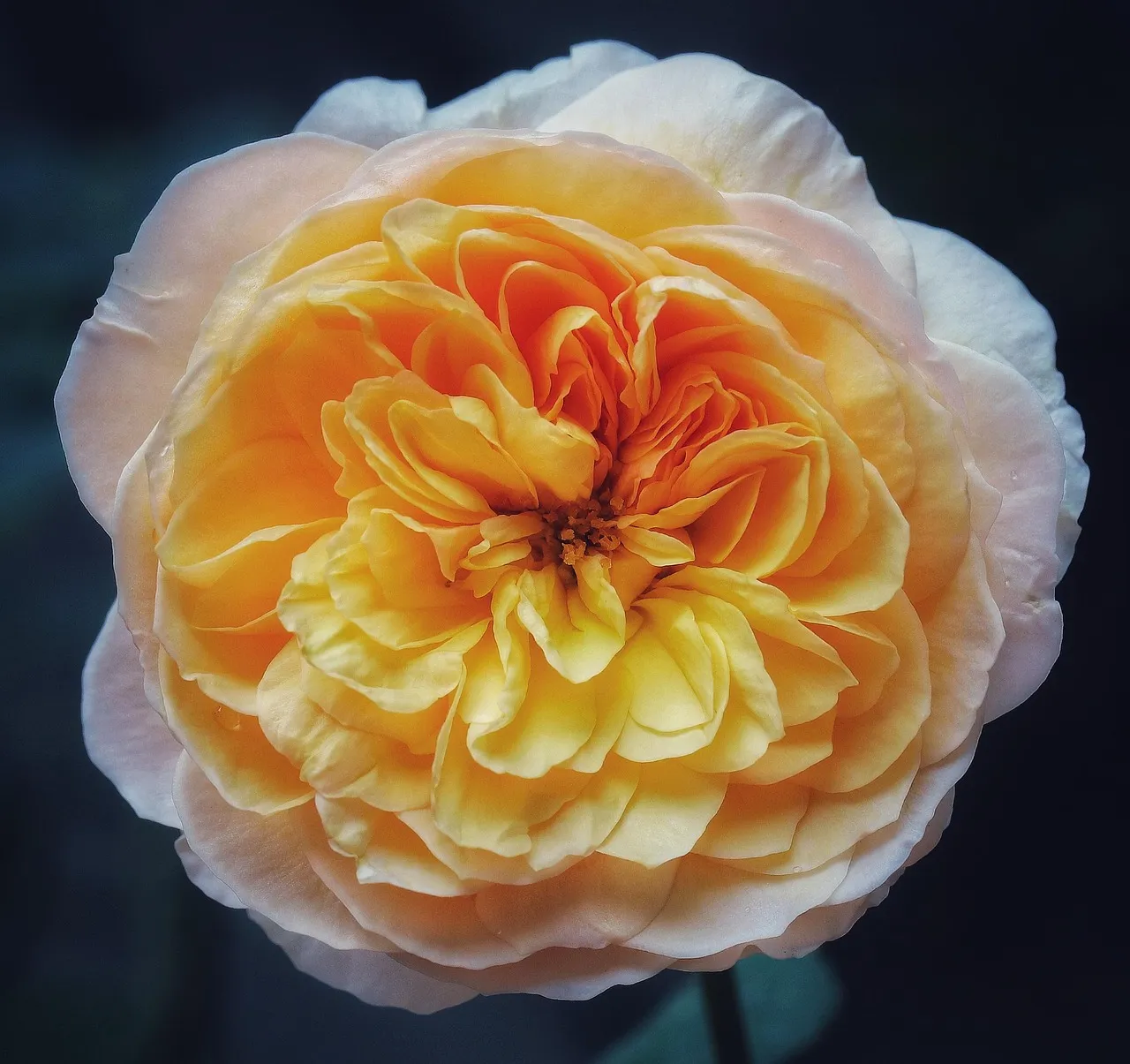
The Juliet Rose is perhaps the most famous example when talking about exclusive types of roses. Developed by breeder David Austin, it took 15 years and £3 million to create. It debuted at the Chelsea Flower Show in 2006, and almost overnight it became the reference point for what a truly extraordinary rose could be worth.
Its lush, cup-shaped blooms are composed of nearly 90 tightly packed petals, all elegantly folding toward the center to form a breathtakingly delicate rosette. The flower exudes a subtle tea-like fragrance, lending an air of sophistication and serenity that perfectly complements its beauty. Today, a single Juliet rose is priced around $120, thanks to its rarity, exquisite appearance, and the complexity of its cultivation.
The Iron Throne: A Variety You Can’t Simply Buy
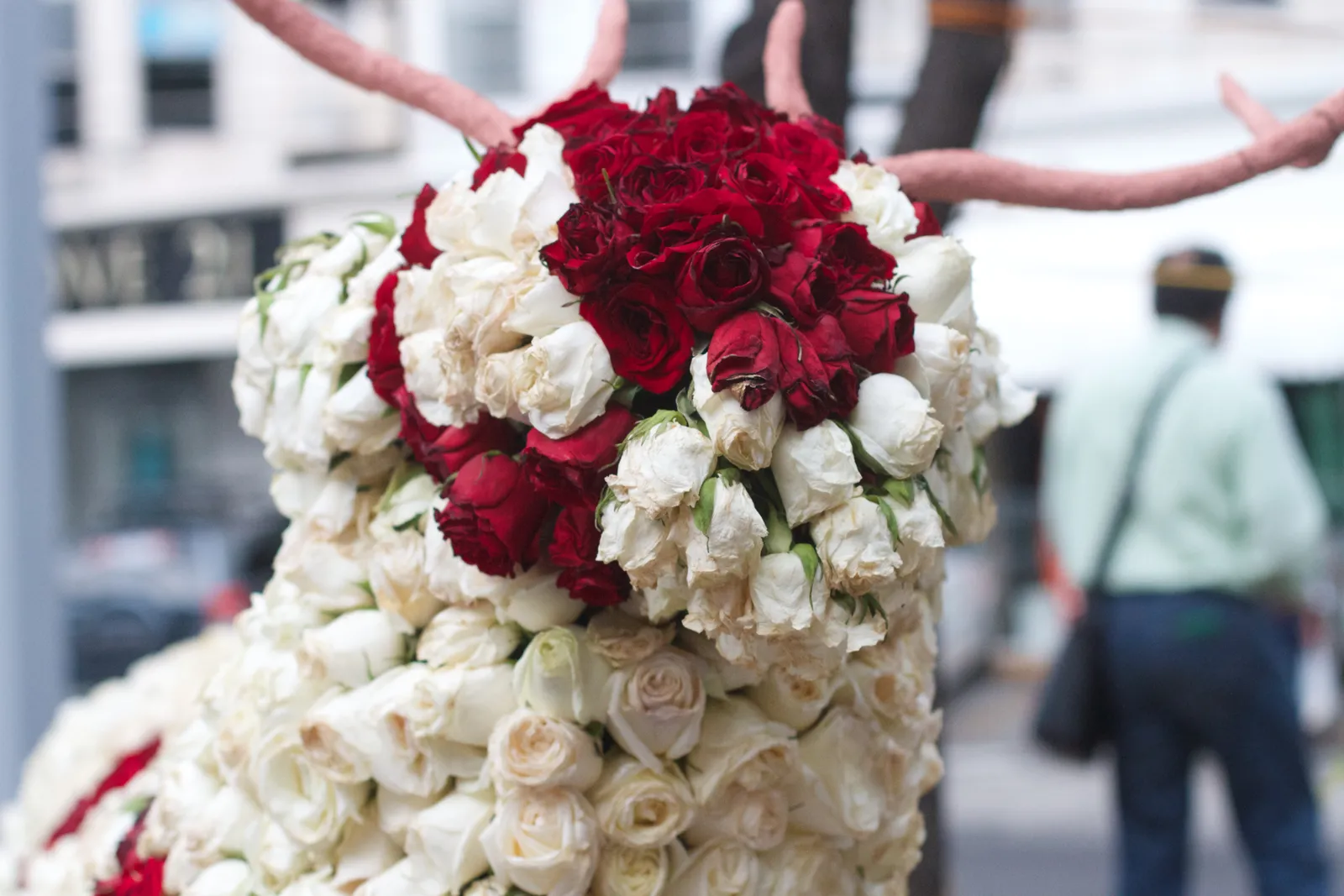
Many roses on the auction block are no longer available commercially. Some were being offered for the first time in the US. This year’s most sought-after rose was “The Iron Throne,” which sold for $350. That price tells you something important: rarity alone, when combined with a genuinely unusual appearance, can drive a single plant to a price that shocks people outside this world.
When it comes to unique heritage roses, there is a world of collectors and preservationists working hard to keep them alive amid numerous challenges including commercial trends, disease, pests and climate change. For varieties like The Iron Throne, the auction circuit may be the only route to ownership. Serious collectors often build relationships directly with breeders to secure early access to new releases.
Black Baccara: Darkness and Drama in a Single Bloom
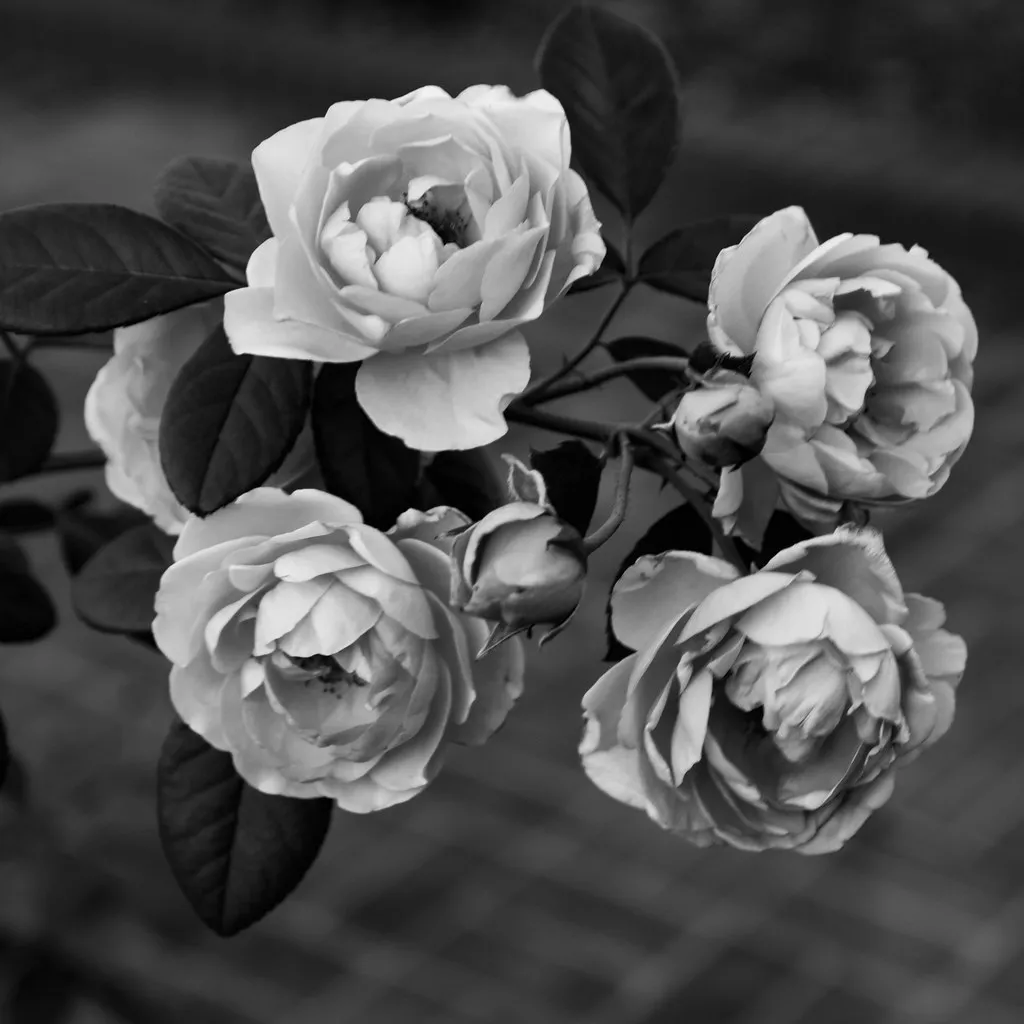
Black Baccara is a luxurious rose variety known for its deep, almost black petals. Depending on the light, the flowers can appear dark burgundy with a velvet-like texture, giving them an aristocratic elegance. These roses are often chosen for exclusive arrangements and high-profile events.
Due to their rare coloration and challenging cultivation, a single Black Baccara rose can cost up to $70. The variety occupies a specific niche: it’s dramatic enough to be immediately recognizable, yet difficult enough to cultivate consistently that supply stays constrained. Black, blue, and green exotic roses are among the most sought-after, with true dark varieties remaining genuinely scarce in the commercial market.
The Arnold Rose: Lost, Then Found Again
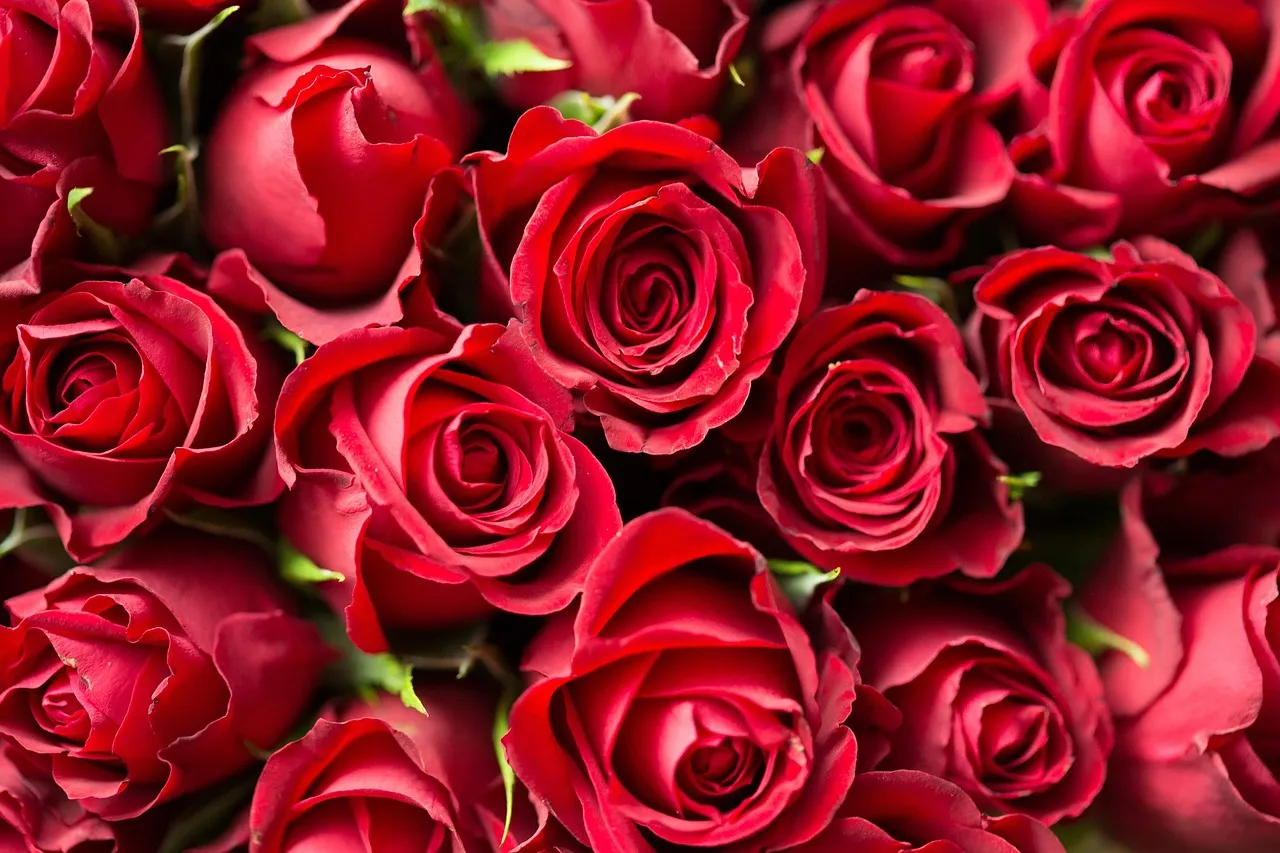
Some rare roses aren’t just expensive. They were once completely gone. Anita Clevenger, vice president of the Heritage Rose Foundation, recalled being in the garden of some rose collectors in Santa Rosa, California, when she noticed a “garnet-red rose that looked familiar.” She said, “I read the tag, and it was ‘Arnold.'” She added, “We were able to trace the provenance sufficiently to believe that it was indeed Arnold.”
The rose was eventually propagated for distribution to collectors and nurseries. The Arnold can now be purchased commercially in the US. As of late October, it is also back at the Arnold Arboretum, confirmed Michael S. Dosmann, keeper of the living collections at the arboretum. Stories like this one explain the urgency that drives collectors. A variety found is a variety saved, but only if someone acts quickly enough.
The Preservationists Keeping History Alive
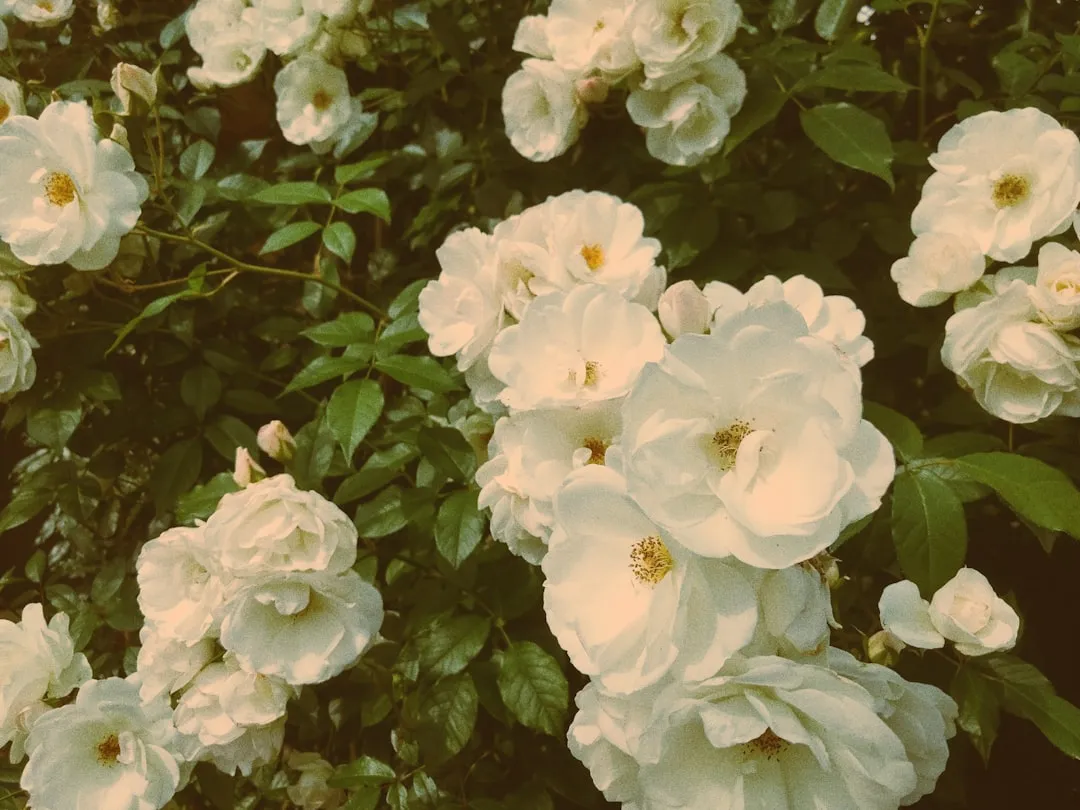
Gregg Lowery, curator for The Friends of Vintage Roses, a California-based nonprofit, aims to preserve and share a collection of close to 4,000 varieties and species of rare roses. The organization’s scope is remarkable, reaching well beyond what most people imagine when they picture a rose collection. Roses in the collection have been the source of propagation material provided to numerous public rose gardens, including the San Jose Heritage Rose Garden, the Historic Rose Garden in the Sacramento Historic City Cemetery, and the University of California Botanical Garden.
The Friends of Vintage Roses propagates a few thousand rose plants each year in order to provide plants to curators who share the work of preserving the historic rose collection. Extra plants from that process are made available to the public in sales throughout the year. These aren’t commercial transactions in any ordinary sense. They’re acts of horticultural stewardship.
Private Gardeners as the Last Line of Defense
Several private gardeners don’t just grow rare roses. They are also helping preserve them by exchanging them with other collectors. Dianne Wiley, a private gardener in Idaho, said: “If we think we are the only owner we try to get them in the hands of another.” She added, “If we lose a variety, then it could be gone forever.”
Wiley, who is growing some 1,400 roses, said she has a few duplicates, but most are of different varieties, and many are rare finds. In some cases, private gardeners and collectors help connect people with roses they are especially seeking out. The informal network of growers and collectors is, in many cases, more effective at preserving variety than any institution.
What Makes a Heritage Rose Worth Hunting Down
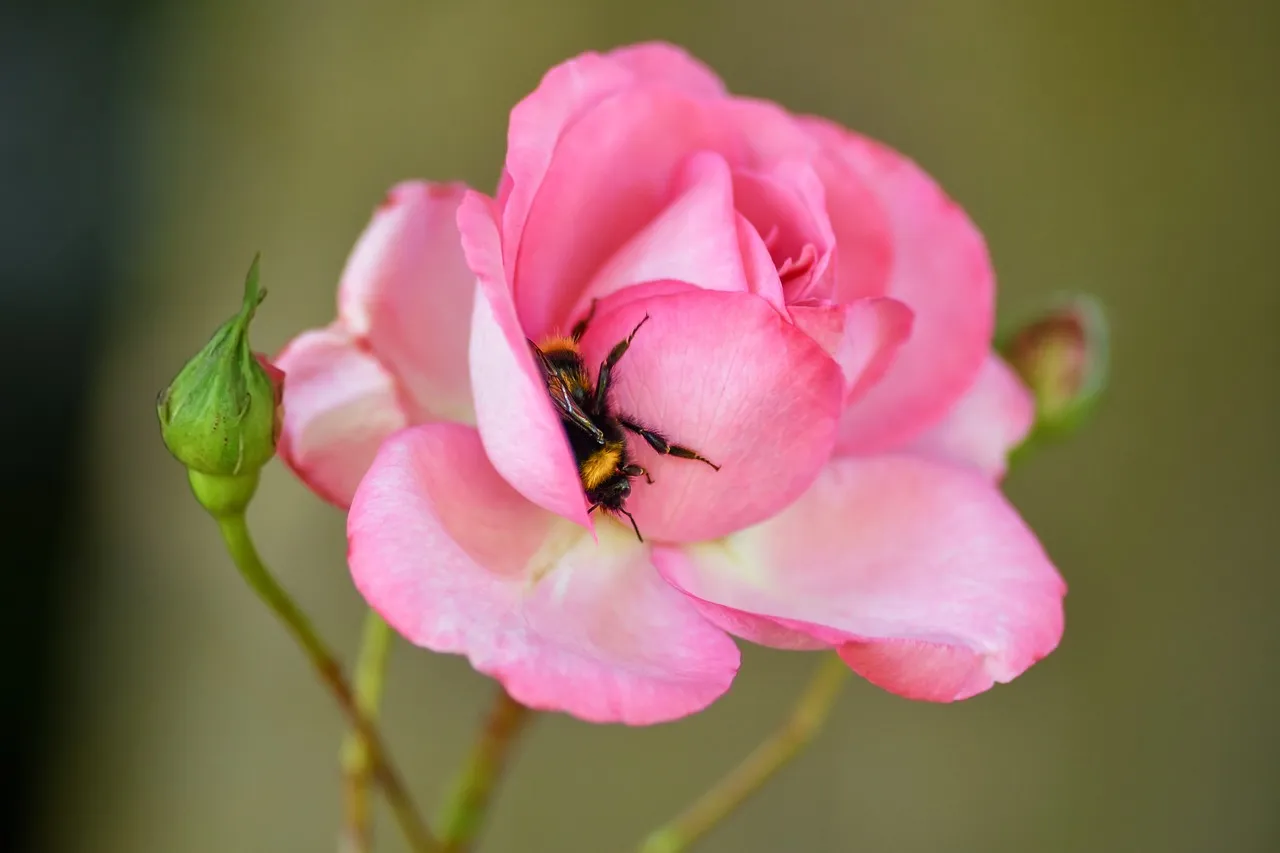
Disease resistance is one of the standout features of heritage roses. They include resistance to powdery mildew and black spots. These roses were carefully cultivated before modern chemicals and hybridization, which makes them more resilient and easier to grow. That practical advantage matters enormously to gardeners who want a plant that will perform reliably for years without constant intervention.
Whether it’s a rare color mutation, a fragrant variety with an unusual scent, or a type that has stood the test of time, each rare rose tells a story of natural wonder and human dedication. For collectors, the story is often inseparable from the flower itself. Owning a rose tied to a specific era, garden, or lineage adds a layer of meaning that no modern hybrid can replicate.
Where Collectors Go to Find What Nurseries Don’t Carry
High-end roses may occasionally be auctioned online, offering a unique opportunity to acquire rare and exclusive varieties. Beyond online auctions, the California Coastal Rose Society’s annual auction has become one of the most significant events in the domestic rare rose calendar. The society’s annual auction, which has been around for 22 years, is one of the ways private collectors are helping keep some roses from extinction.
Some botanical gardens and nurseries may offer rare or exotic rose varieties for purchase. These establishments are often staffed with knowledgeable horticulturists who can assist in selecting the perfect roses. For anyone new to this world, connecting with a botanical garden or a society with real institutional knowledge is a far better starting point than a general internet search.
The Premium Market Shifts Toward Rarity and Exclusivity
This year marks a major shift from standard roses to premium varieties, driven by a desire for higher quality, unique aesthetics, and longer-lasting blooms. Premium roses, celebrated for their superior petal density, flawless blooms, extended vase life, and rare color palettes, are redefining the standards of luxury in floral design. The broader market is catching up, slowly, to what collectors have known for decades.
Aside from their unmatched quality, premium roses are often bred for exclusivity, with growers focusing on distinctive varieties that offer maximum visual impact. Demand from the luxury wedding and events industry has also intensified this trend. Red Naomi, for example, produces oversized, velvety deep-red blooms on unusually long stems, making it one of the most requested premium cut roses in the floral industry.
The Quiet Stakes Behind Every Rare Rose
What’s easy to miss, from the outside, is how precarious all of this is. The Friends of Vintage Roses is in the process of inventorying all the varieties that still exist in the collection it has inherited. Some hundreds of varieties in this list have not survived, although they are slowly restoring many of them. Hundreds of varieties. Gone. That number carries real weight when you consider what each of those losses represents, not just a flower but a genetic line, a fragrance, a piece of cultivated history that took generations to produce.
Only then does one fully understand what’s at stake for the future of old roses and just how fragile they really are. Certain collectors have decided to adopt the old European classes which seem the most at risk and also well-suited for specific climates. The hope is to not only preserve these varieties for future generations but also help shine a spotlight on them and ultimately get more of these historic treasures planted in gardens all over the world.
The Takeaway
The growers paying hundreds to find a forgotten rose variety are not simply indulging a whim. They’re participating in something with genuine consequences. One of the primary reasons to invest in premium roses is their potential for appreciation in value over time. As rare and sought-after varieties become increasingly scarce, their market value may rise. Still, for most serious collectors, value is less about money and more about keeping something irreplaceable alive.
The forgotten rose variety isn’t a single bloom with a name you can look up. It’s a category, an entire world of plants that slipped out of commercial circulation and now lives only in private gardens, specialist auctions, and the hands of people dedicated enough to track them down. Whether that world expands or contracts depends largely on whether new growers join the effort before the window closes.
AI Disclaimer: This article was created with the assistance of AI tools and reviewed by a human editor.