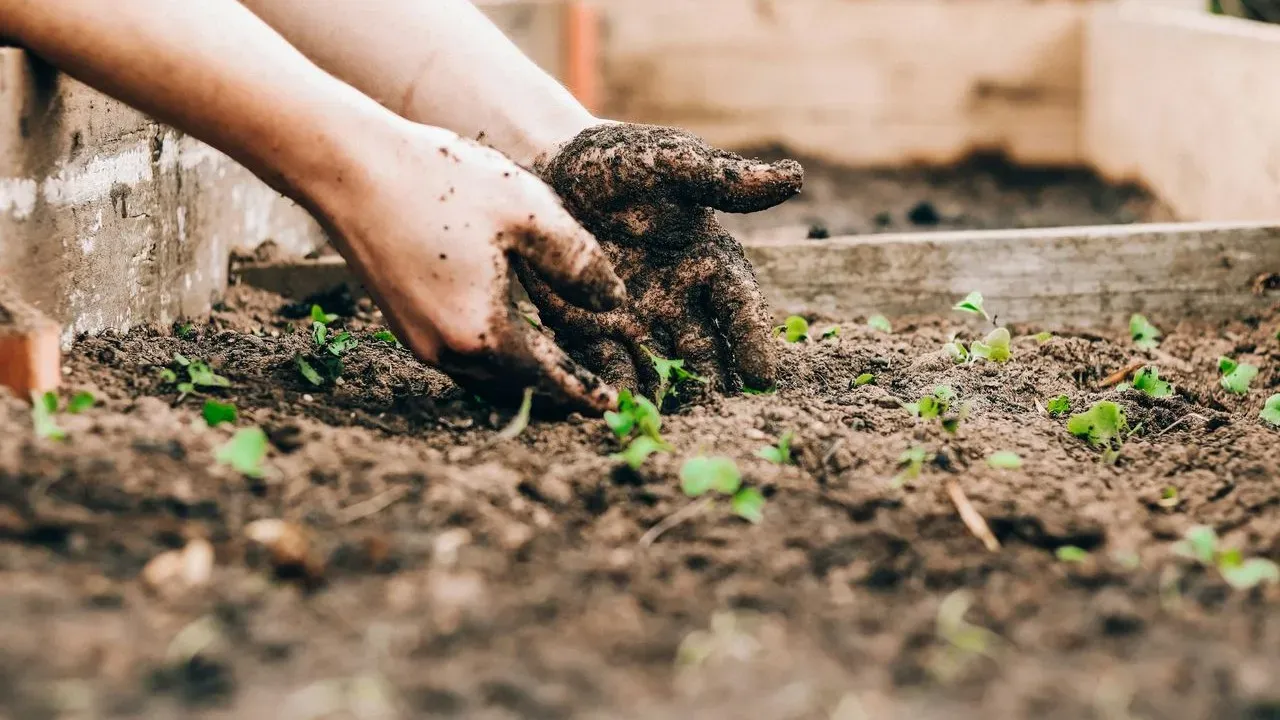

Gardeners across the country have watched the cost of a standard 50-pound bag of 13-13-13 fertilizer rise by roughly six or seven dollars since February. Factors such as global conflicts, higher oil prices, and increased shipping expenses have driven those increases. For many backyard growers, the change has prompted a closer look at materials already on hand or easily gathered nearby. The result is a renewed interest in nutrient sources that require no purchase at all.
Why Commercial Fertilizer Is No Longer Essential
Commercial blends remain important for large-scale farms, yet home gardens operate on a different scale. Nutrients cycle naturally through soil, plants, and organic matter when left to their own processes. Gardeners who collect and apply local materials often find they can maintain or even improve yields without outside inputs. This approach reduces dependence on supply chains that have proven vulnerable to outside pressures.
Years of testing have shown that productive gardens can thrive on what is already present in most neighborhoods. The key lies in recognizing the value of materials that many people discard or overlook. Once those resources are identified and used consistently, the need for purchased amendments fades.
Materials Already Present in Most Yards
Wood ashes from a fireplace or fire pit supply potassium and help adjust soil pH in acidic areas. They must be used sparingly and only when the source wood is untreated. Compost made from kitchen scraps and yard waste delivers a broad spectrum of nutrients while improving soil structure at the same time.
Seaweed collected from nearby shores or even certain freshwater plants can be rinsed and added directly to beds or compost piles. Biochar, produced by heating organic matter in low-oxygen conditions, creates a stable carbon structure that holds nutrients and moisture for longer periods. These four options alone cover a wide range of plant needs when applied thoughtfully throughout the season.
Putting the Approach Into Practice
Many gardeners begin by setting up simple collection systems. A dedicated compost bin near the kitchen door captures daily scraps, while a separate area holds leaves, grass clippings, and plant trimmings. Ashes are stored in a dry container until needed, and any available seaweed or similar aquatic material is dried before use to prevent salt buildup.
Application follows the rhythm of the garden itself. Compost is worked into beds before planting and used as a side dressing later. Ashes are sprinkled lightly around the base of fruiting plants. Biochar is mixed into the soil once and then left to do its work over multiple seasons. The process becomes routine rather than an added chore.
A Shift in Mindset for Long-Term Growing
Recognizing that nature already recycles nutrients changes the way gardeners view their own spaces. Instead of seeing waste, they see potential plant food. This perspective has encouraged many to experiment and refine their methods over time. The result is greater resilience when outside prices fluctuate.
Those who adopt these habits often report steady production even in years when store-bought options become expensive or scarce. The garden continues to feed itself and its caretakers with minimal external support. That independence brings both practical savings and a deeper connection to the growing process.
AI Disclaimer: This article was created with the assistance of AI tools and reviewed by a human editor.