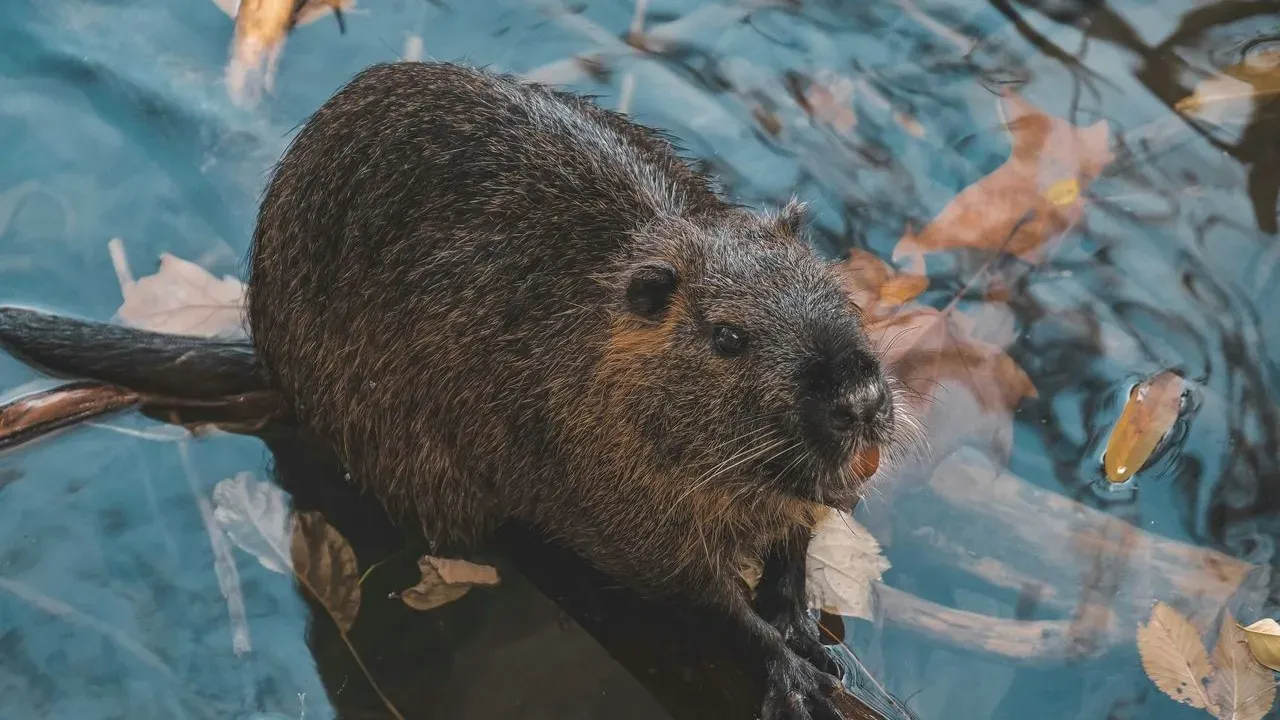

Cunningham Falls State Park has kept Hunting Creek Lake closed to swimmers and other visitors after two separate beaver attacks, one of which involved an animal that tested positive for rabies. The decision reflects a deliberate effort to verify that no additional risk remains before the area reopens. Park users in Frederick County now face an extended wait while state biologists complete their review.
Sequence of Closures at the Park
The first attack occurred when a swimmer encountered a beaver that later confirmed positive for the virus. That incident prompted an initial swimming ban at the lake. A second attack soon followed, leading officials to close the surrounding area entirely to hikers and other recreational users. These steps came after the animals displayed aggressive behavior unusual for the species. The isolated setting of the lake and its feeder creek limited the immediate spread of concern beyond the immediate shoreline.
Biologist Outlines Limited Transmission Risk
Joshua Tabora, a furbearer biologist with the Maryland Department of Natural Resources, noted that beavers are rarely linked to rabies. Typical carriers include raccoons, striped skunks, and red foxes. He suggested the two beavers likely contracted the virus through contact with one of those primary species sharing the same habitat. Grooming behavior among the animals probably facilitated transmission once the virus entered their group. Tabora described the park’s geography and beaver habits as factors that make it plausible only the two involved animals carried the disease. “We feel reasonably confident that the lake is safe. However, I think in this instance we need to corroborate that,” Tabora said. The department remains in a fact-finding phase without a set reopening date.
Steps Toward Verification
Staff members are conducting follow-up surveys and on-the-ground checks to confirm no other animals in the area show signs of infection. These efforts aim to establish clear benchmarks for public safety before any decision to lift restrictions. The process includes evaluating whether additional testing or monitoring is required. Officials have emphasized thoroughness over speed given the public health stakes. – Continued field surveys around the lake and creek
– Assessment of beaver activity patterns in the isolated waterway
– Review of any new reports from park visitors or staff
Impact on Park Visitors and Future Access
The prolonged closure affects families and outdoor enthusiasts who regularly use the lake for swimming and the trails for hiking. Many now monitor updates from the Department of Natural Resources while seeking alternative sites within the state park system. Tabora indicated that the team is weighing what specific evidence will be needed to guarantee safety. Until that threshold is met, the area stays off-limits. The situation underscores how rare wildlife incidents can disrupt routine access to popular natural areas.
AI Disclaimer: This article was created with the assistance of AI tools and reviewed by a human editor.