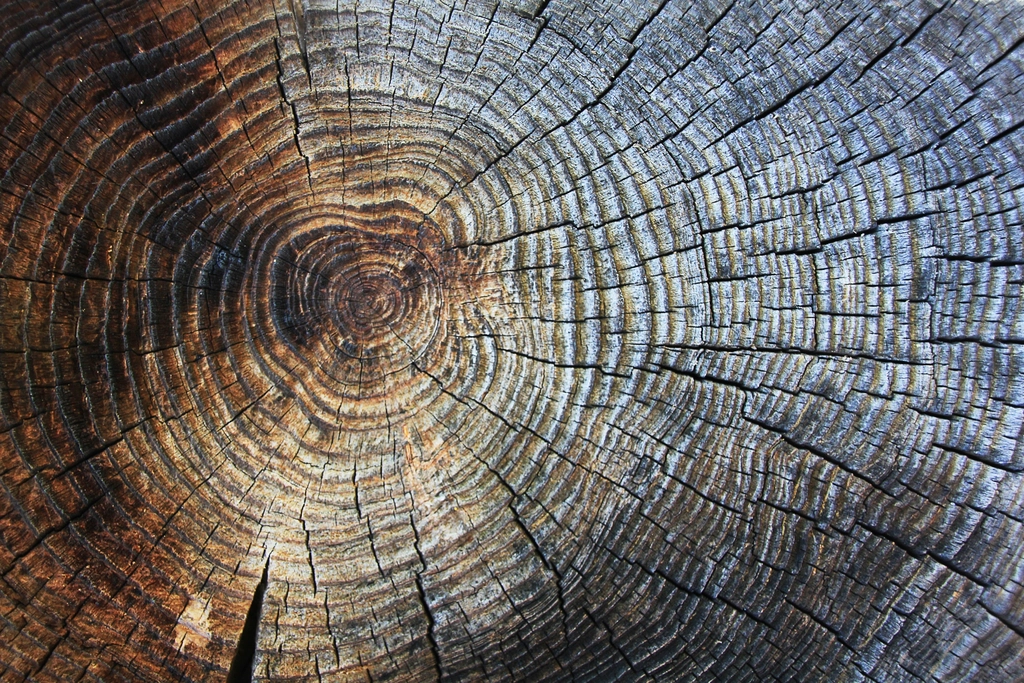

Most of us think about our gardens in terms of seasons. You plant in spring, enjoy through summer, and cut back in autumn. But a handful of plants operate on a completely different timescale. These are species that don’t just survive from year to year but from century to century, quietly outlasting empires, famines, and generations of caretakers. Some specimens alive today were already rooted in the earth before the printing press existed.
What makes them so durable? The answers vary by species, but slow growth, deep root systems, and resistance to disease and pests all seem to matter. The remarkable thing is that several of these ancient survivors aren’t locked behind museum glass. You can actually grow them in a garden.
1. Ginkgo Biloba: The Living Fossil That Never Got the Memo
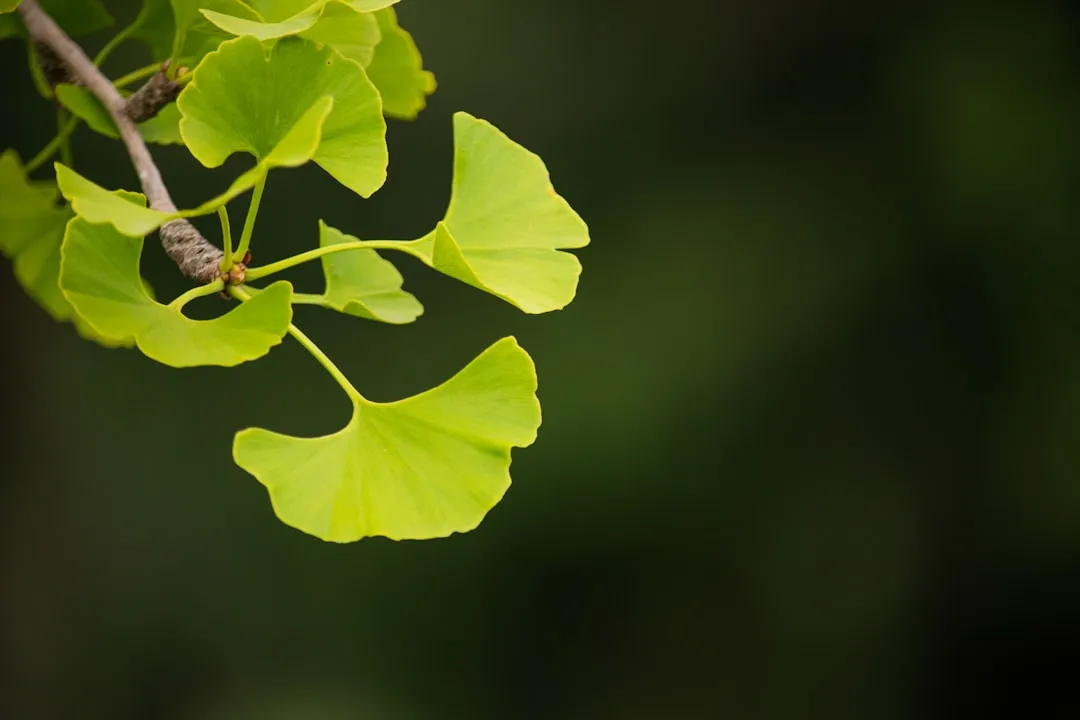
Fossil records clearly demonstrate that the group of trees known as Ginkgoales, of which today Ginkgo biloba is the sole living member, date back over 200 million years. That means this tree was already established long before the dinosaurs arrived, and it’s still here. Fossils of Ginkgo leaves have been found that date back to 170 million years ago and they’re almost identical to the leaves of the tree we know today, giving Ginkgo Biloba its nickname of “The Living Fossil.”
Ginkgo biloba is the only living species in the division Ginkgophyta, and specimens can live for over 1,000 years. Research shows that trees up to 600 years of age display similar leaf areas, leaf photosynthetic efficiencies, and seed germination rates. Transcriptomic analysis indicates that the vascular cambium of the oldest trees exhibits no evidence of senescence; rather, extensive expression of genes associated with defense likely contributes to the remarkable longevity of this species.
The oldest recorded maidenhair tree is a whopping 3,500 years old. The Ginkgo biloba at Kew Gardens was planted there in 1762, only three years after the original botanic garden was established. Even that specimen, over 260 years old, is considered a relative youngster for its kind. Ginkgo biloba is rated as Endangered according to IUCN Red List criteria. The singular species has also been given a high priority conservation status, as determined by the Evolutionary Distinct and Globally Endangered (EDGE) method.
2. The English Yew: Ancient, Toxic, and Perfectly at Home in Your Garden
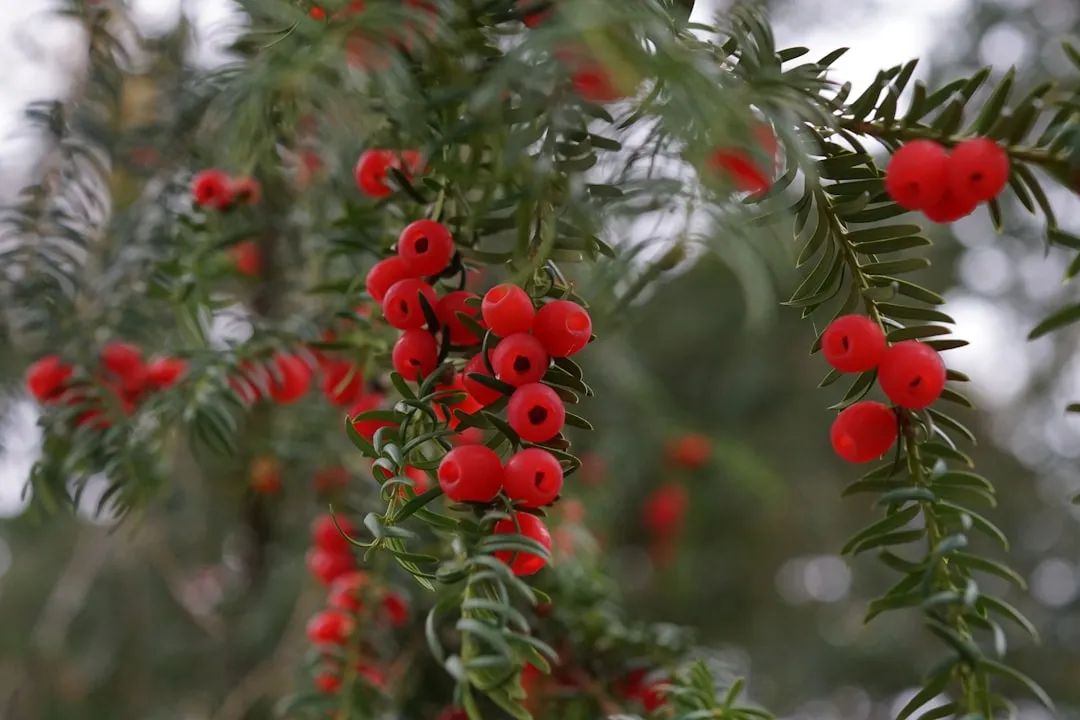
The yew is known for its exceptionally slow growth rate, a characteristic that contributes to its extraordinary lifespan. Many specimens are among the oldest living plants in Europe, with some estimated to be between 2,000 and 5,000 years old. That slowness, it turns out, is a feature rather than a flaw.
English yews can live a very long time. The Fortingall Yew, named for the small Scottish village where it has been growing for some 2,000 to 5,000 years, is the oldest living tree in Great Britain and one of the oldest living trees in Europe. Accurately determining the age of the oldest yew trees presents a challenge because their trunks often become hollow over centuries. This hollowing makes traditional tree-ring counting methods impractical for precise age estimation.
The largest yew tree growing in the Oxford Botanic Garden is also the garden’s oldest tree, planted in 1645 by the first Curator, Jacob Bobart. That specimen is already approaching 400 years, still growing quietly among students and visitors who mostly don’t notice it. Anti-cancer compounds are harvested from the foliage of Taxus baccata and used in modern medicine. A tree associated with death for millennia turns out to be saving lives.
3. Cycads: The Oldest Potted Plant in the World Lives in London
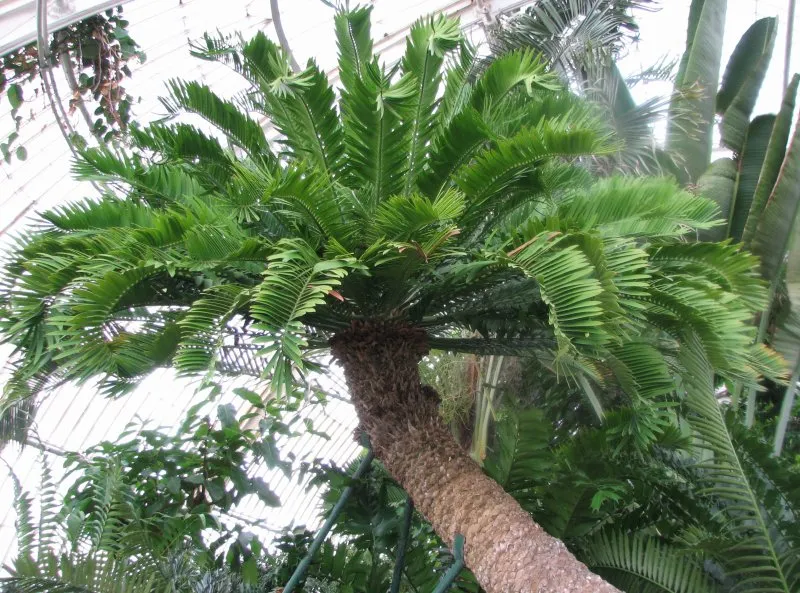
The world’s oldest potted plant is a prickly cycad (Encephalartos altensteinii), which was brought from South Africa to the UK and planted in 1775. The cycad is currently on display in the Palm House, Royal Botanical Gardens, Kew, Surrey. These tree-fern-like Cycads are often called “living fossils” as they are amongst the oldest surviving species of plants; it is known that they were growing over 200 million years ago during the Permian era.
In addition to being one of the most ancient plants, cycads are also some of the longest lived – they grow very slowly and can live for up to 1,000 years. With a fossil record going back 250 million years, the Eastern Cape giant cycad also lives long. A few have reached 2,000 years of age.
Like most plants in the genus, the Eastern Cape giant cycad is a slow-grower. The specimen at Kew averages 1 inch (2.5 cm) of growth per year. In the almost 250 years it has been at Kew, the oldest potted plant has only produced one cone. Patience, it seems, is built directly into the biology of this plant.
4. The Olive Tree: Still Bearing Fruit After Two Millennia
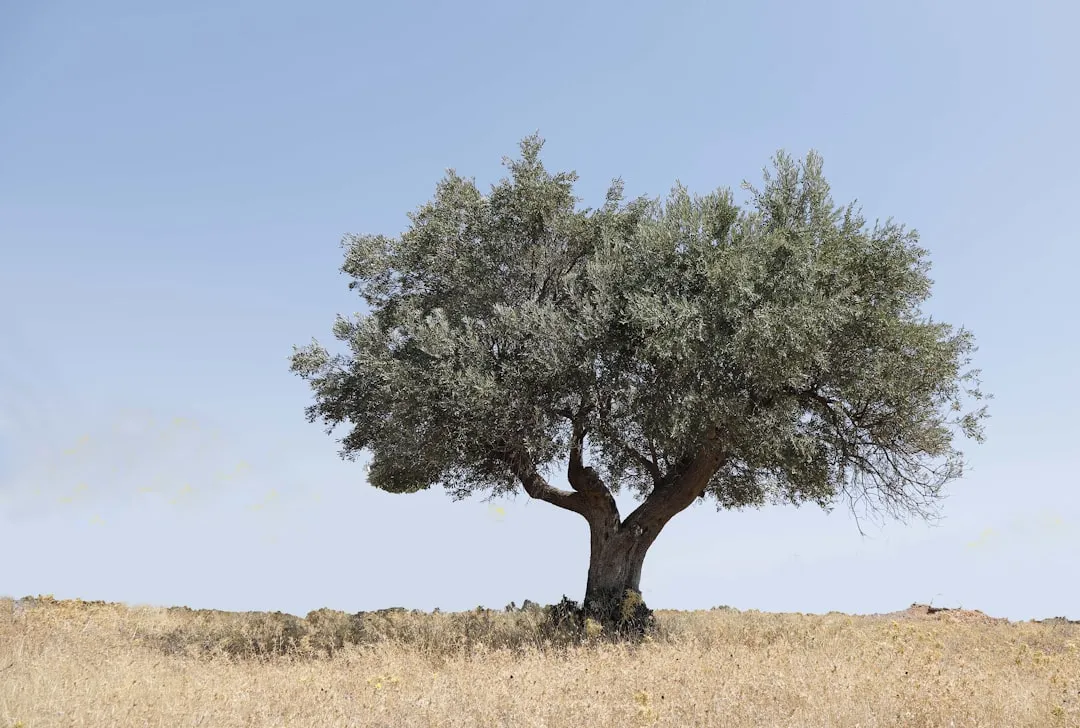
The olive (Olea europaea) is one of the most emblematic tree species of the Mediterranean and the world, recognized for its extraordinary longevity and ability to adapt to adverse conditions. Considered a symbol of peace, prosperity, and resilience, this tree is a living witness to the history of multiple civilizations. Few garden plants carry as much human history in their roots.
Among cultivated species, olive trees (Olea europaea) routinely survive 1,000–2,000 years with minimal intervention. Notable examples, such as the Farga de Arion in Tarragona, or the legendary Vouves olive tree in Crete, have been dated as the oldest in the world, with estimated ages of up to 4,000 years. Research published in ScienceDirect using tree-ring and radiocarbon dating does add an important note of caution: most monumental olive trees may have maximum ages between 300 and 500 years, and the age of these trees with large trunks and unique silhouettes is often considered several centuries to millennia.
Many reach 500–1,000 years, and several famous specimens are believed to be 2,000–3,000 years old. A unique feature is that even if the trunk dies, the root system can continue to send up new shoots, making the tree almost immortal. The trunk of an ancient olive tree becomes thick and twisted, often hollowing out in the center while still sending out new shoots from its roots. These trees have survived countless droughts, storms, and even fires, regenerating themselves from their resilient root system.
5. Cycas Revoluta: The Sago Palm That Outlives Everything in the Pot
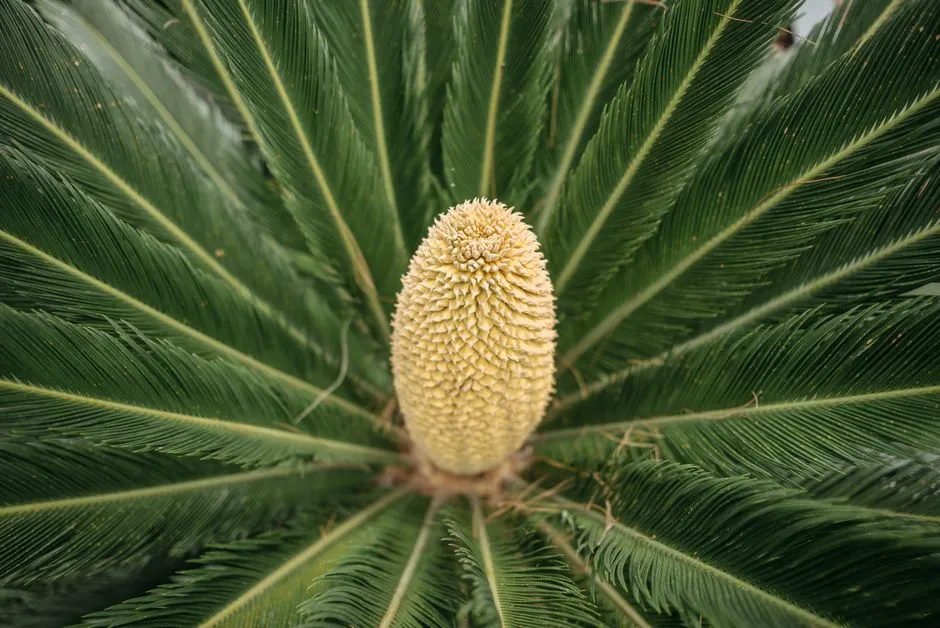
Cycads have been around for 300 million years and were a staple of the Mesozoic Era. Cycads look like a cross between ferns and palms. The Cycas revoluta, commonly sold as the sago palm, is among the most widely cultivated of the cycad family and carries the same extraordinary potential for longevity as its wild relatives.
Due to their distinct look, cycads are often used as ornamental garden and greenhouse plants and also for bonsai. An individual cycad can live for up to 1,000 years. Their distinct appearance makes them popular ornamental plants, but they are also used in medicine, gum, fiber manufacturing, and even oil production. This species is quietly remarkable because it looks almost exactly the same as it did when dinosaurs walked the earth.
Once an abundant and widespread plant, all species of cycads are classified as vulnerable. Some are also listed on Appendix 1 of CITES. Owning one in your garden, then, carries a kind of conservation weight as well as a historical one. Be cautious when coming across these plants as all their parts are poisonous and spiky.
Why These Plants Don’t Age the Way We Do
As a rule, gymnosperms – flowerless plants with naked seeds – grow slower and live longer than angiosperms, which are flowering plants with fruits. Gymnosperms include ginkgo and every kind of conifer, including yews, pines, firs, spruces, cedars, redwoods, podocarps, araucarias, and cypresses. Roughly 25 gymnosperm species can live 1,000 years or longer.
The science behind this longevity is still actively studied. In the case of ginkgo, the answer appears to lie at the cellular level. The Ginkgo biloba can survive over 1,000 years. By studying these long-living trees, a team of collaborating scientists between China and the United States identified specific genes that explain how the trees stay virtually immortal and thriving. They published their results in the Proceedings of the National Academy of Sciences.
Longevity isn’t predetermined – it’s co-created by genetics, environment, and human stewardship. The conditions we provide, the soil, the drainage, the freedom from unnecessary pruning, all play a measurable role in whether a long-lived species actually reaches its potential. Most ancient specimens alive today owe their survival partly to benign neglect.
The Role of Slow Growth in Extreme Longevity
One pattern holds across nearly all of these species: they grow slowly. The cycad at Kew adds about an inch per year. The yew expands its trunk over decades. The ginkgo takes generations to reach its full canopy. This deliberate pace isn’t a limitation – it’s a survival mechanism.
The longevity of some ancient trees lies in sectored xylem – only portions of the trunk conduct water at once, allowing decay-resistant heartwood to persist while living tissue renews locally. Slow growth also means tighter, denser wood, which resists disease and pest infiltration far more effectively than fast-growing species.
The resistance of ginkgo trees to pests such as insects, bacteria, viruses, and fungi has been studied. It is believed that their unusual resistance to pests accounts in part for the longevity of the trees and also, in turn, for the longevity of the species. Nature has had millions of years to refine these defenses, and it shows.
Conservation Status: Ancient Doesn’t Mean Safe
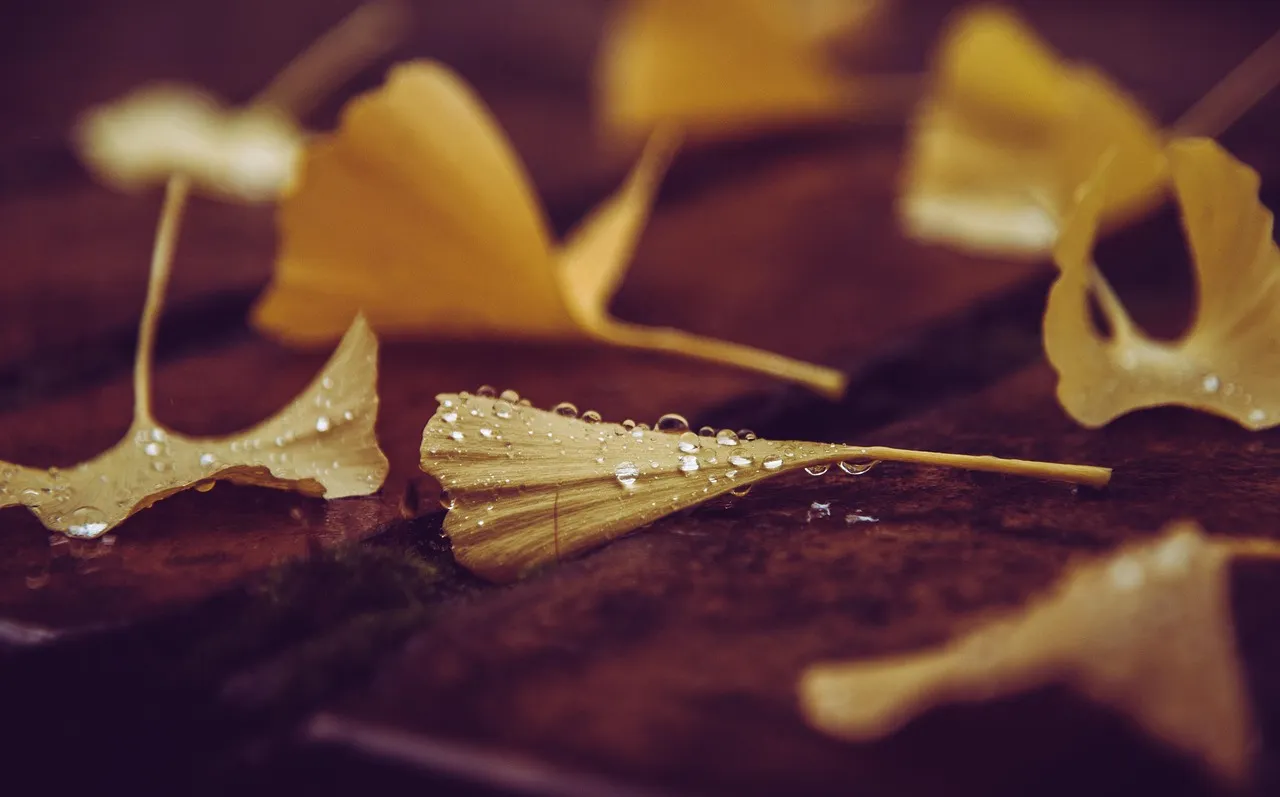
Being ancient as a species is not the same as being secure. Several of these plants face genuine threats despite their survival across geological epochs. Ginkgo biloba is endangered in the wild. According to IUCN Red List criteria, it is rated as Endangered (EN). The trees that survive today in temple gardens and city streets exist largely because humans chose to cultivate them.
Some ancient species are the sole surviving members of their genus or family, and remain virtually unchanged from prehistoric times. Current conservation efforts aim to preserve these species for many years to come. Clippings from the Fortingall Yew have been taken to the Royal Botanic Gardens, Edinburgh, to form part of a mile-long hedge. The purpose of this “Yew Conservation Hedge Project” is to maintain the DNA of Taxus baccata from ancient specimens in the UK.
The survival of these species into the next few centuries will depend, as it always has, on whether people find them worth caring for. So far, they have.
Can You Actually Grow These in a Home Garden?
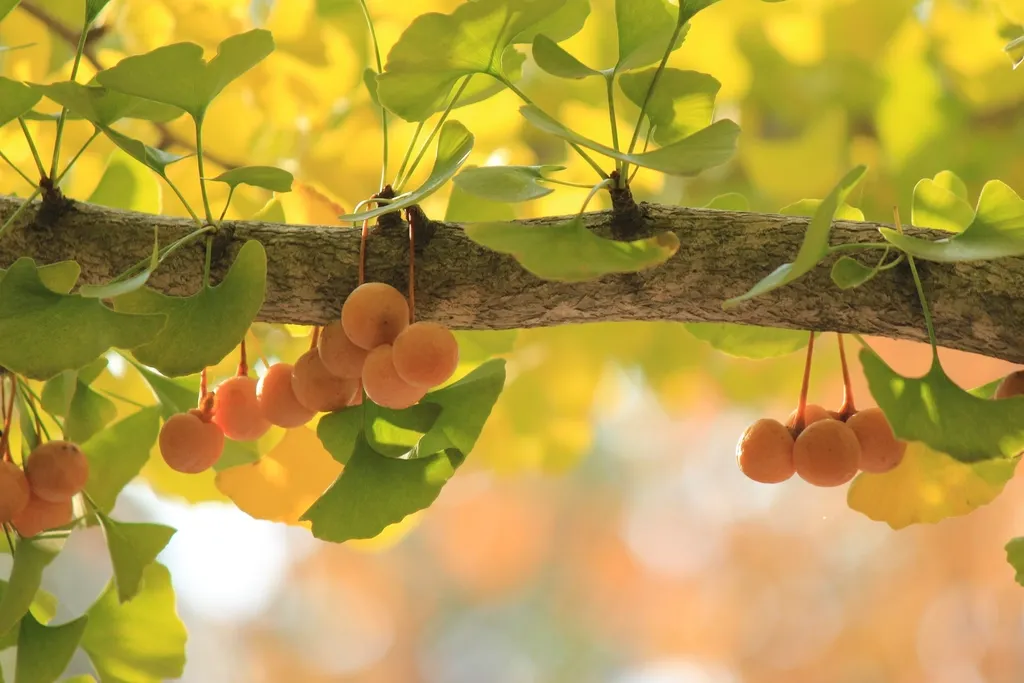
The honest answer is yes, with varying degrees of commitment. Ginkgo biloba does best in well-drained soil in full sun but is fairly tolerant of most soil types. There is now a smaller, columnar form, Ginkgo biloba ‘Fastigiata Blagon,’ which only reaches 12 by 4 meters and is an excellent specimen tree for smaller gardens.
Horsetail plants are often used for their architectural qualities in contemporary gardens and can be grown in containers or along water features. Yew is one of the most forgiving of the ancient survivors. Yew is commonly found growing in southern England and can be used as a hedging plant. It is common in churchyards. Yew hedges are incredibly dense, offering protection and nesting opportunities for many birds.
Olea europaea typically reaches 20 to 30 feet tall and wide, though it often remains smaller in poor soils or windy coastal sites. Growth is generally moderate rather than fast, especially in dry conditions, which makes it easier to manage in smaller gardens and in containers. These plants reward patience above almost anything else. If you’re looking for instant impact, look elsewhere. If you’re planting something for your grandchildren, these are worth considering seriously.
What Ancient Plants Teach Us About Gardening
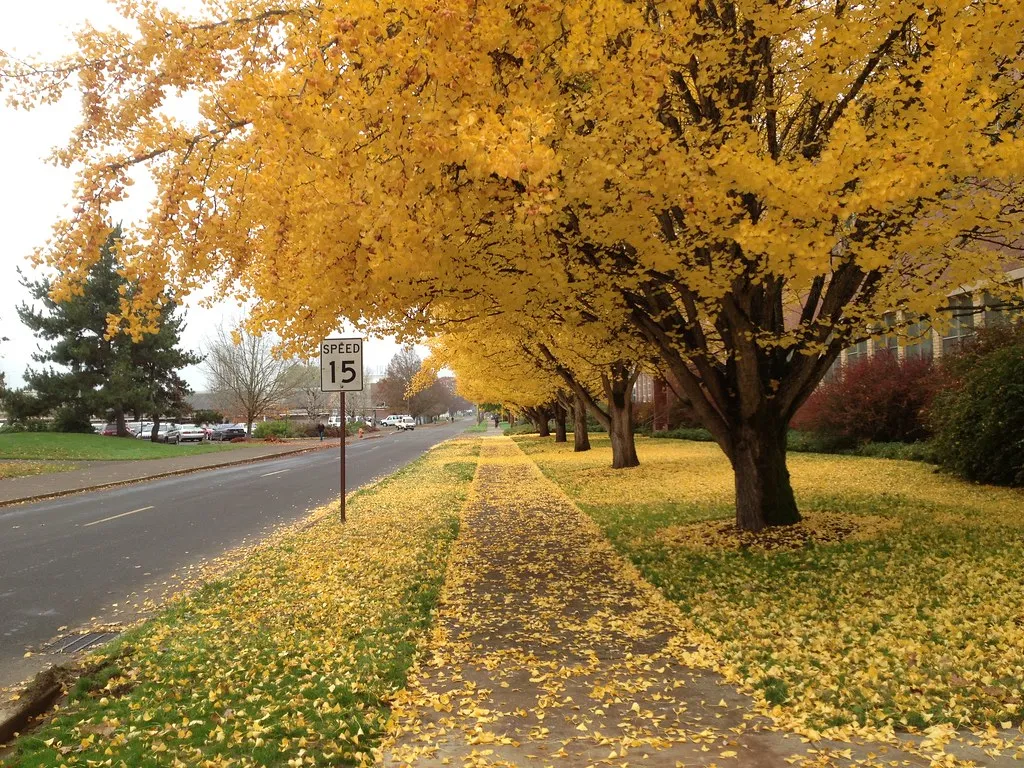
There is something quietly corrective about spending time around plants that measure their lives in centuries. The impulse in modern gardening is often toward instant results, fast-growing varieties, and heavy seasonal turnover. These ancient species push back against all of that.
Understanding plants that live the longest reshapes our relationship with time in the garden. It moves us from seasonal aesthetics to generational stewardship – where a single planting becomes legacy infrastructure. That framing is worth sitting with. A ginkgo planted today could still be here in the year 3000.
In recent years, prehistoric plants have gained popularity among gardening enthusiasts and nature lovers, who are eager to bring a piece of ancient history into their homes and gardens. It’s a trend grounded in something real: the appeal of plants that have already proven themselves across time, rather than ones we hope will survive a single winter.
Final Thoughts
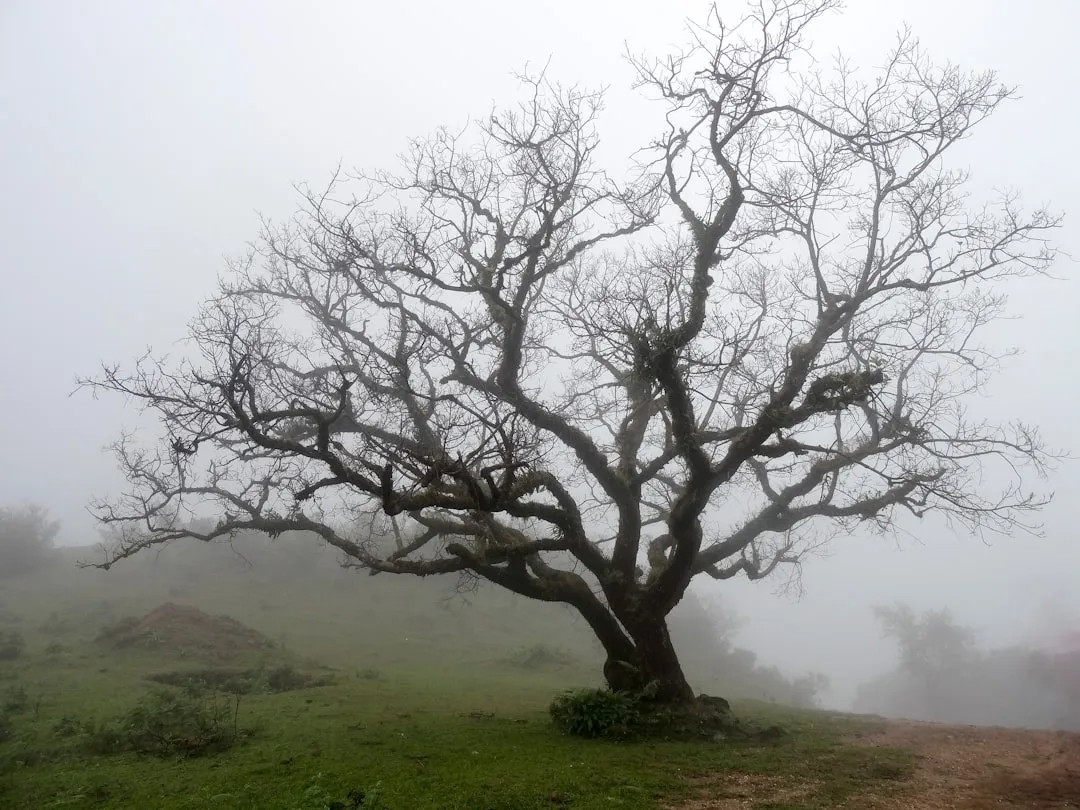
There is a particular kind of humility that comes from standing next to a tree that was alive when the Roman Empire was still expanding. These five plants carry that kind of weight. They aren’t impressive because of how fast they grow or how bright their flowers are. They’re impressive because they’re still here.
Planting one is a different kind of act than most gardening. You won’t see its full potential in your lifetime. That, in an odd way, might be precisely the point. The oldest living things on Earth aren’t relics; they’re active participants in ongoing ecological processes, responding daily to light, moisture, and microbial signals. Their longevity isn’t magic – it’s fidelity to adaptation.
The garden you plant today is already a conversation with the future. These plants just make that conversation span a little longer than most.
AI Disclaimer: This article was created with the assistance of AI tools and reviewed by a human editor.