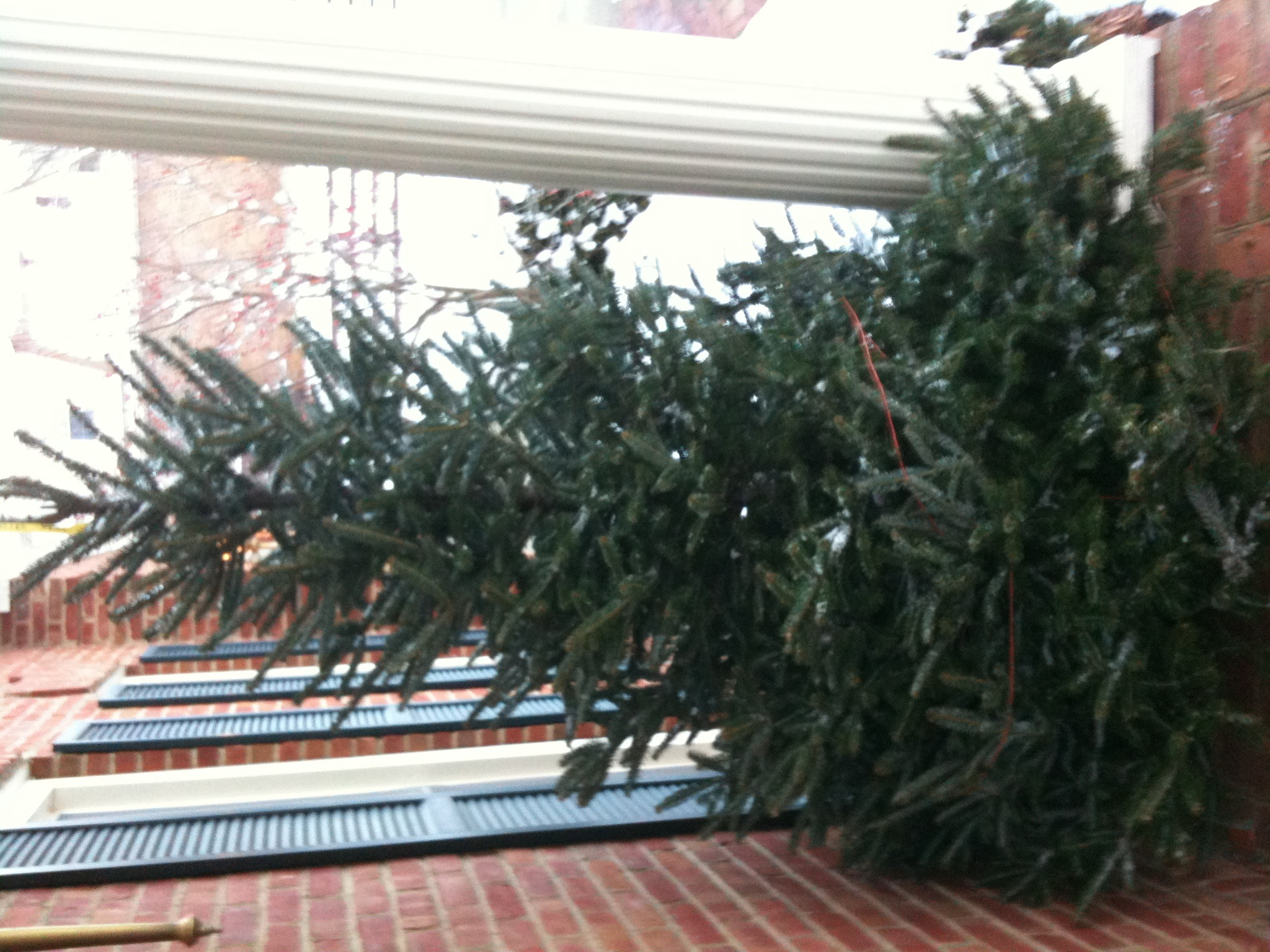

Most people water their tree on the first night, feel good about it, and then forget about it for a few days. By day three, the needles are already crunching underfoot. The frustrating part is that the damage usually starts much earlier than you’d expect, and it traces back to a handful of very specific, very preventable mistakes.
The Sap Seal Happens Faster Than You Think
When a Christmas tree is harvested, sap immediately begins to seal the exposed trunk. That’s a natural defense mechanism to protect the tree, but once it’s cut, it also prevents the trunk from drawing water. This is not a slow process.
After generally just 3 to 6 hours, the cut stump gets air in the plant tissue, which lessens the tree’s water absorption capacity. A fresh cut will reopen the pores that take up water. Most people have no idea that this window is so short.
If the trunk is allowed to be exposed to the air for 4 to 8 hours and go dry, a new cut will be required to permit it to once again absorb water. Skip that step, and you’ve essentially sealed the tree’s fate before the ornaments even go on.
Skipping the Fresh Cut at Home Is the Core Mistake
By the time a tree makes its journey from the farm, often hundreds or even thousands of miles away, to your local lot, the bottom of the trunk has typically dried out and sealed over. The cut made at the farm is essentially useless by the time you get home.
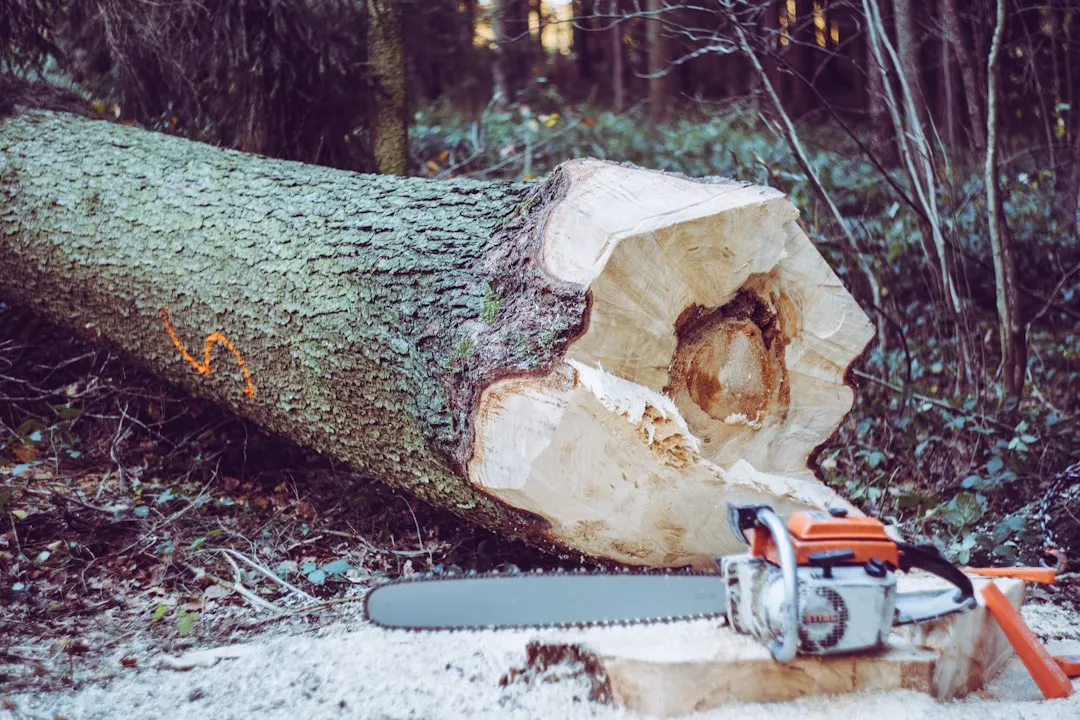
When an evergreen’s trunk is cut, sap quickly dries and seals the surface. To open your tree to water, cut off about an inch from the bottom, or ask for that to be done at the tree lot. Place the tree in water within an hour or so after it’s cut, before sap has a chance to seal the trunk again.
Only one half inch is actually necessary, not one or two inches as is sometimes instructed. What matters far more than how much you cut is how quickly you get that fresh cut into water afterward.
The First 24 Hours Demand Far More Water Than People Provide
A Christmas tree may absorb a gallon of water in the first 24 hours it is up and may drink several quarts after that. That’s a striking amount, and most standard tree stands can barely keep up.
The tree will drink up to a quart of water per day for every inch of its stem diameter. So a tree with a trunk that’s several inches across needs more than a casual top-up before bed.
It’s a common mistake to give a new Christmas tree a small amount of water, like a small daily top-up, instead of extra to account for the fact that it’ll be dehydrated from the journey home. This mistake can cause your tree to stop drinking, as a tree that’s already dehydrated to begin with may be too weak to take up water.
What Happens Inside the Trunk When Water Disappears
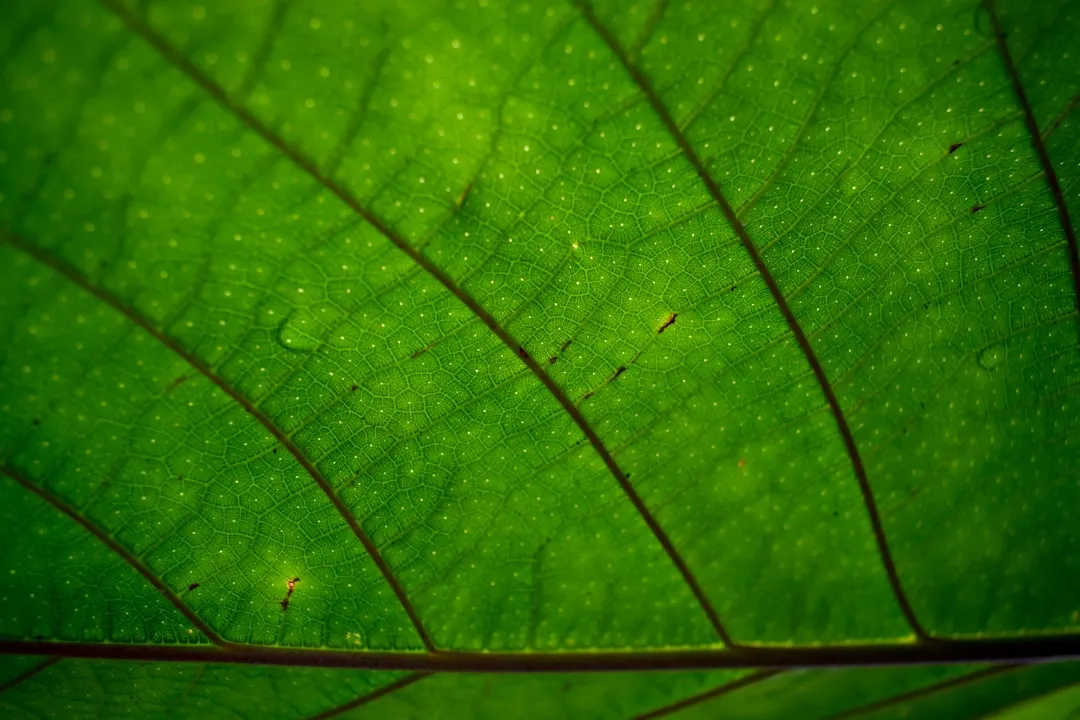
Inside each needle and branch runs a network of microscopic tubes called xylem and phloem. Think of them as the tree’s built-in plumbing system: xylem pulls water upward from the roots, and phloem moves sugars and other nutrients around. Even after a Christmas tree is cut, much of this system is still functional, which is why a tree can keep drinking and stay green for weeks indoors.
When those vessels seal with air bubbles or sap resin, uptake stops. That sealing begins within hours of cutting and accelerates dramatically without immediate, consistent hydration.
After a tree is cut, it loses access to its root system, but the trunk can still draw water upward through the xylem. Once the tree can’t transport water effectively, needles begin to dry out, branches begin to droop, and browning begins. That’s the biological reality behind what looks like a simple decoration problem.
Letting the Stand Run Dry Even Once Is Enough
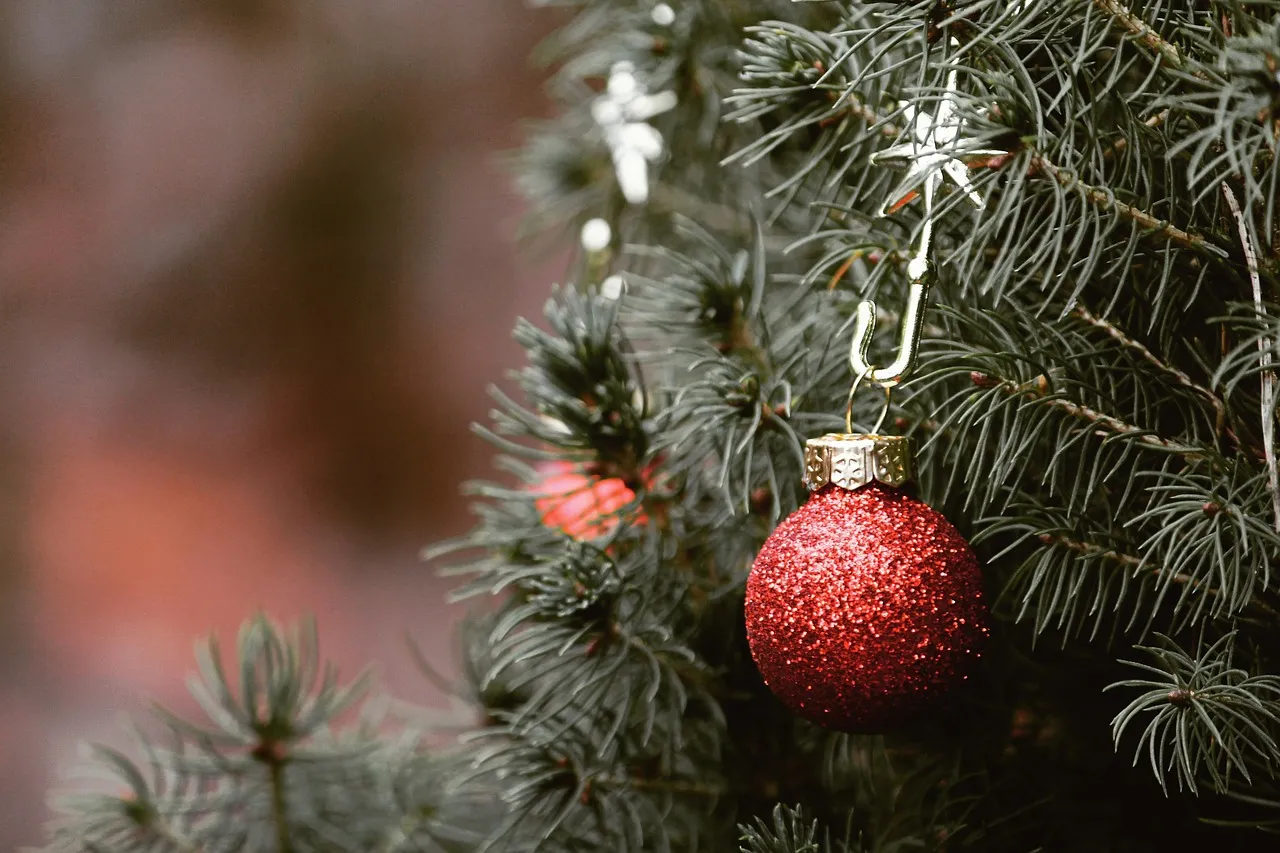
Never allow the water level to fall below the bottom of the trunk. If the cut surface is exposed to air and seals with sap, the tree will not be able to absorb any more water. That’s not an exaggeration. Once it reseals, the problem is often irreversible without a new cut.
Trees that are dry for more than 24 hours will have more trouble starting to uptake water. Many families fill the stand on night one and don’t check again for two days, which is exactly the gap that triggers early drying.
If the water level drops below the fresh cut, even for 6 to 8 hours, the trunk seals with sap, blocking uptake permanently. That’s why you must check water levels twice daily, refill before dawn and again before bedtime, and always use a stand holding at least a gallon.
Placing the Tree Near a Heat Source Speeds Everything Up
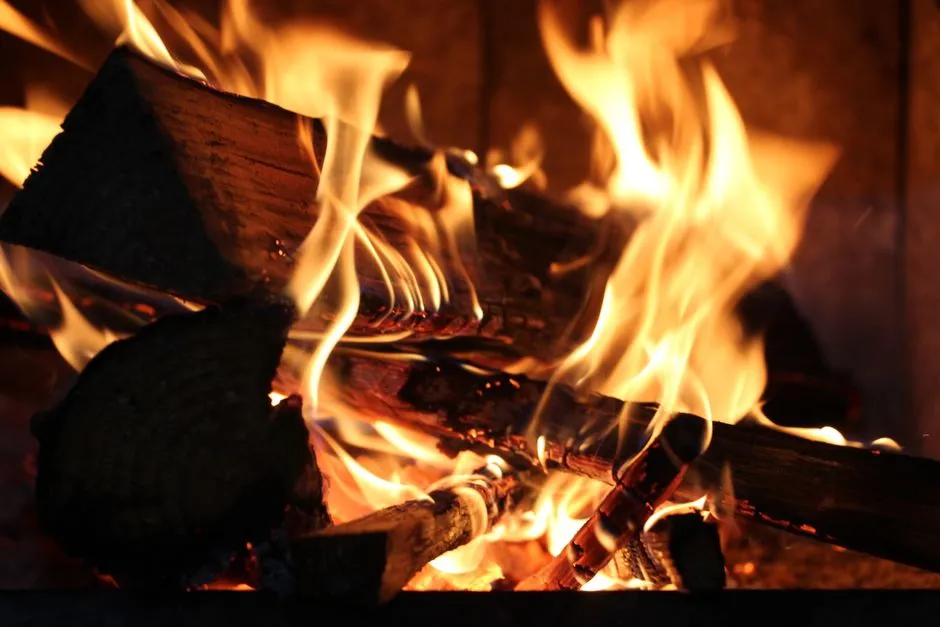
A drying-out Christmas tree will shed needles, begin to turn brown, and eventually smell bad before dying, so near a heat source is one of the places you should not put a Christmas tree for sure. Warmth accelerates moisture loss from both the needles and the water in the stand itself.
Keep the room cooler than normal, if possible, once you set up the tree. If you can, turn down the thermostat, or close or partly close the room’s heat vents. This slows down the tree’s drying out. For the same reason, locate the tree away from heat vents, fireplaces, radiators, and windows that get direct sunlight.
The simple solution is to ensure that your Christmas tree stays at least 4 feet away from a heat source at all times and that you water it correctly going forward. It sounds basic, but a lot of living rooms don’t leave much margin.
The Stand Size Is Often Too Small to Begin With
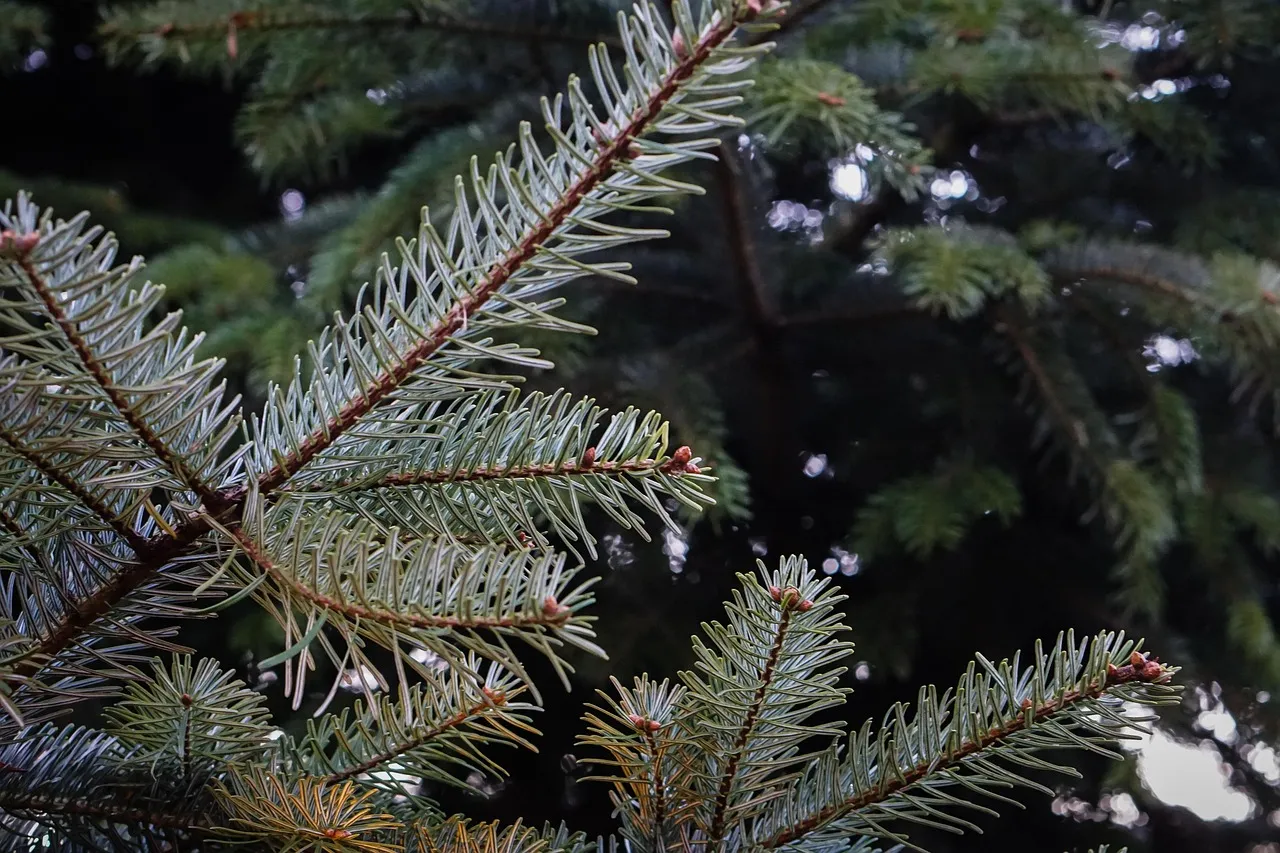
Conventional tree stands normally only contain between two to four quarts of water. A dry tree may require approximately one and a half quarts per day. Thus, the owner must fill the tree stand daily or at least every two days.
The size of the tree stand pan severely impacts the cost of the tree stand, and frequently the tree stand pan is too small to serve the needs of the tree. People buy the least expensive stand they can find without realizing that the reservoir capacity is the most important feature.
Make sure you have a tree stand with at least a 1-gallon capacity. Anything smaller forces you to refill it multiple times a day during that critical first week, and most people simply don’t.
Additives in the Water Don’t Help and Can Hurt

It’s a persistent idea that adding sugar, aspirin, bleach, or commercial tree preservatives to the water will somehow help a Christmas tree last longer. The evidence doesn’t support it.
No additives, including sugar, aspirin, bleach, or commercial preservatives, improve hydration. Plain, cool tap water is scientifically proven to be optimal. The National Christmas Tree Association echoes the same position.
Research shows plain water works best. Adding substances to the stand can sometimes interfere with the tree’s ability to absorb water through its xylem, making things worse rather than better. Keep it simple and keep the level consistent.
The Dry Tree Fire Risk Is Real and Well-Documented
Beyond aesthetics, a dried-out tree is genuinely dangerous. This isn’t holiday-season alarmism. The numbers from fire safety organizations are consistent and worth understanding.
The National Fire Protection Association said that between 2020 and 2024 there was an estimated annual average of 143 home structure fires that began with Christmas trees. Those fires resulted in seven civilian deaths. The figure is relatively small, but the severity of those fires is disproportionately high.
The Fire Research Division at NIST conducted a series of fire experiments to demonstrate how a watered Christmas tree may be less of a fire hazard than a dry one. The Christmas tree that was maintained in a stand kept filled with water did not ignite when exposed to the same ignition source as the tree that was not watered. That’s a striking contrast from a controlled test.
How to Recover If Your Tree Has Already Stopped Drinking
If you’re reading this and your tree is already showing signs of dryness, there are still a few steps worth trying before giving up entirely.
If the tree has dried out and scabbed over, hot water is your best chance of reopening any of the surfaces of the trunk, which exposes the xylem that absorbs and carries water upward in a tree. It’s not a guarantee for a scabbed and sealed trunk, but it’s certainly your best shot.
If your tree stops drinking, make a straight cut about an inch off the stump and place it back in water. That said, doing this on a fully decorated tree is a real undertaking. The honest answer is that prevention is so much easier than recovery. Christmas trees need daily watering during their first week indoors, which is when they’re most vulnerable to drying out. Everything else is damage control.
The Takeaway
The real mistake isn’t forgetting to water at all. It’s the gap between knowing you should water and understanding why those first 72 hours are so different from the rest of the season. A fresh cut at home, water in the stand within the hour, and twice-daily checks through that first week: these aren’t onerous tasks. They’re just specific enough that vague intentions don’t cover them. A tree that’s well-hydrated from day one can stay fresh and green for weeks. One that starts dehydrated rarely catches up, no matter how much water you add afterward.
AI Disclaimer: This article was created with the assistance of AI tools and reviewed by a human editor.