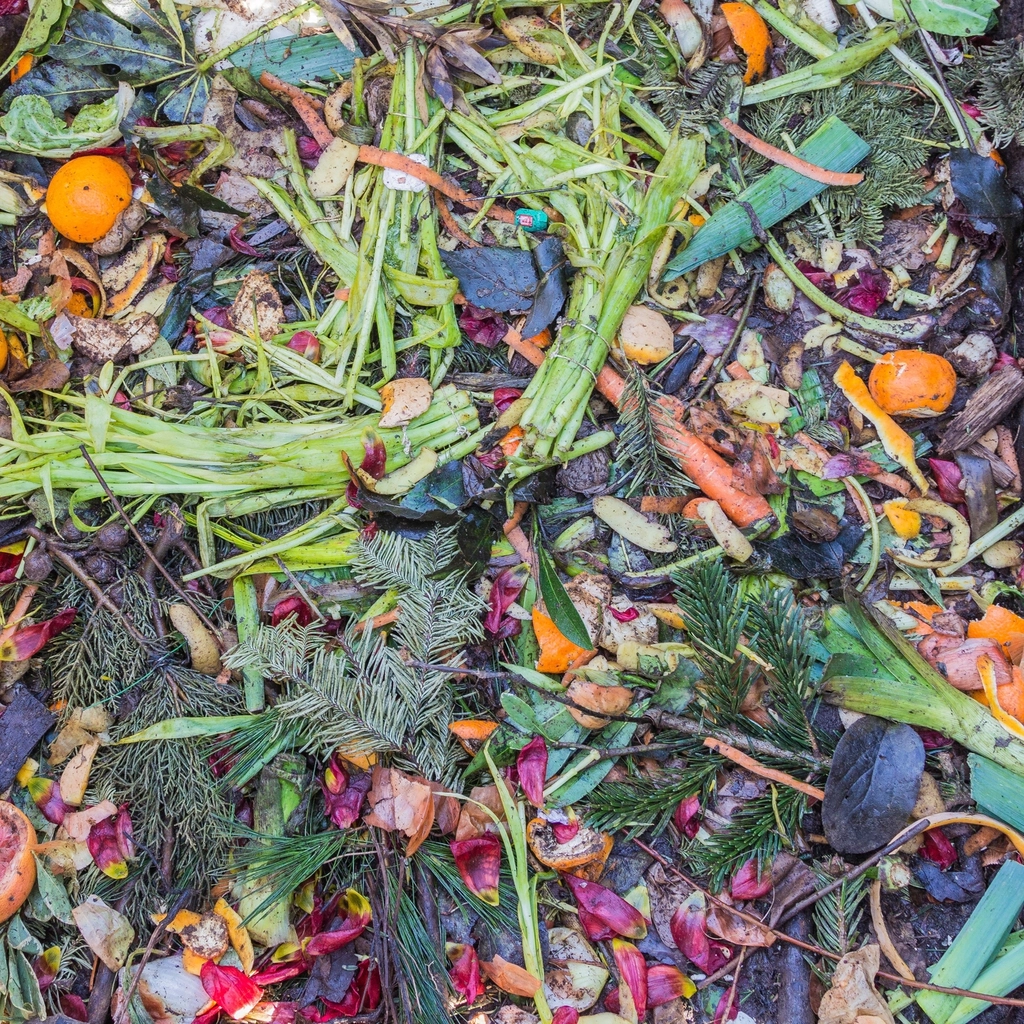

Most gardeners who compost regularly know the basics: mix greens and browns, keep things moist, turn it occasionally. Simple enough. Yet many people spend months watching a pile sit there – cold, barely changing, occasionally smelly – wondering what’s going wrong. The answer usually comes down to one overlooked habit around turning, and it’s more nuanced than just “turn more often.”
There’s a handful of specific, well-documented mistakes baked into the turning process itself that can take a thriving pile and reduce it to a slow, oxygen-starved mess. Understanding each one changes how the whole system works.
Turning Too Infrequently (or Not at All)
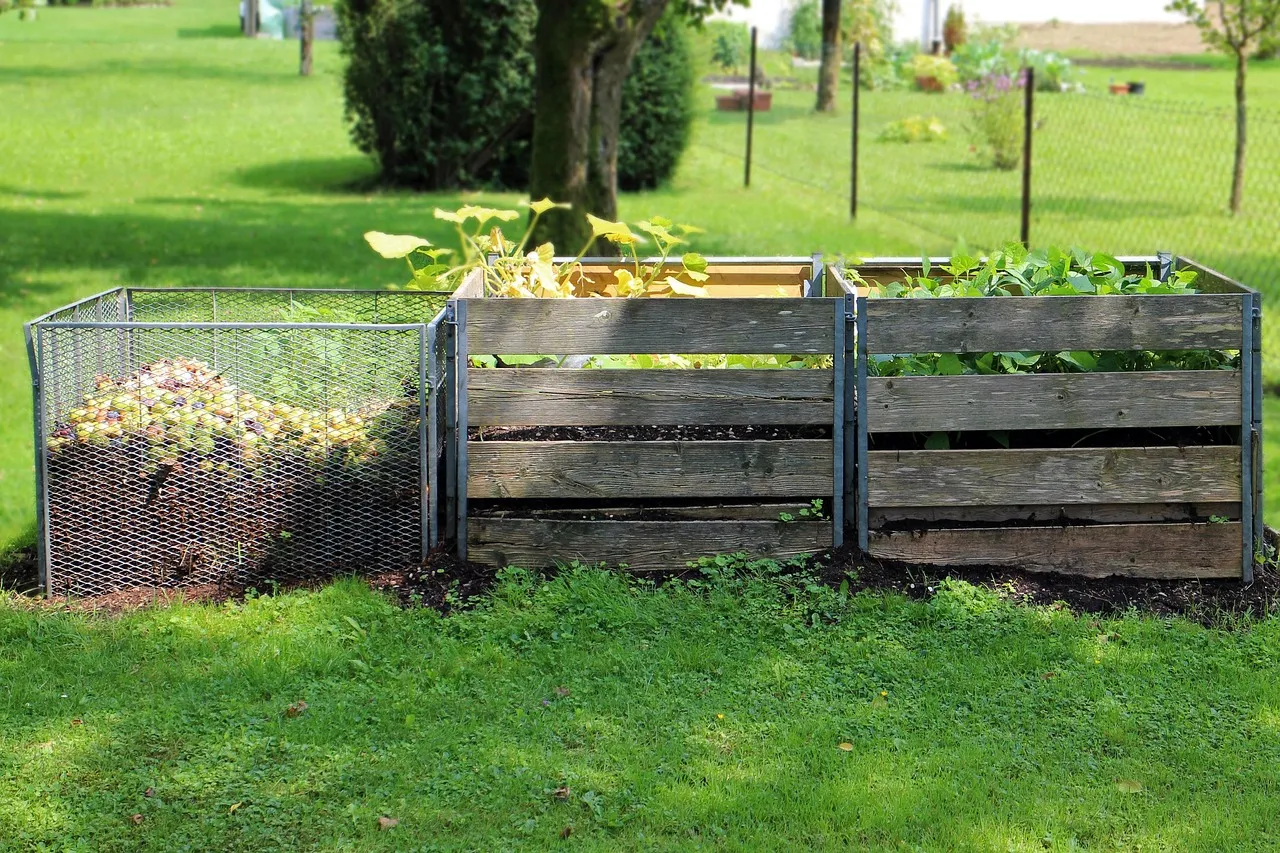
One of the most common composting mistakes is the failure to turn, or aerate, your compost pile. This might seem obvious, but plenty of people add materials and then simply wait, expecting nature to handle everything. Flipping or turning your compost brings oxygen into the core of the pile, allowing the decomposition process to continue – and the more frequently you aerate, the more quickly everything decomposes.
The rate of decomposition depends on the makeup and surface area of the material being composted, availability of moisture, and aeration. Of these three, aeration is controlled by turning the composting organic material. Without proper aeration, microbial activity will be limited since most of the microorganisms participating in decomposition are aerobic.
Ignoring the Temperature Signal
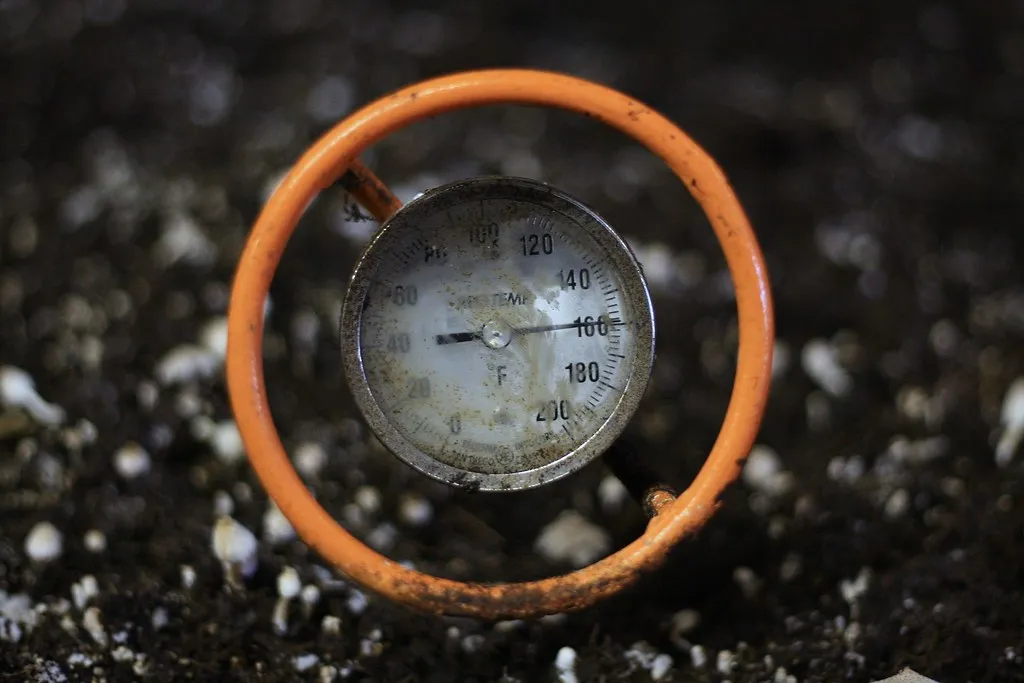
Observing the changes in temperature and decomposition rate matters. When the center of the pile cools, indicating that microbial activity is waning, it’s time to turn – this reintroduces oxygen and reignites the composting process. Many composters turn on a fixed calendar schedule, but the pile itself is telling you exactly when it needs attention.
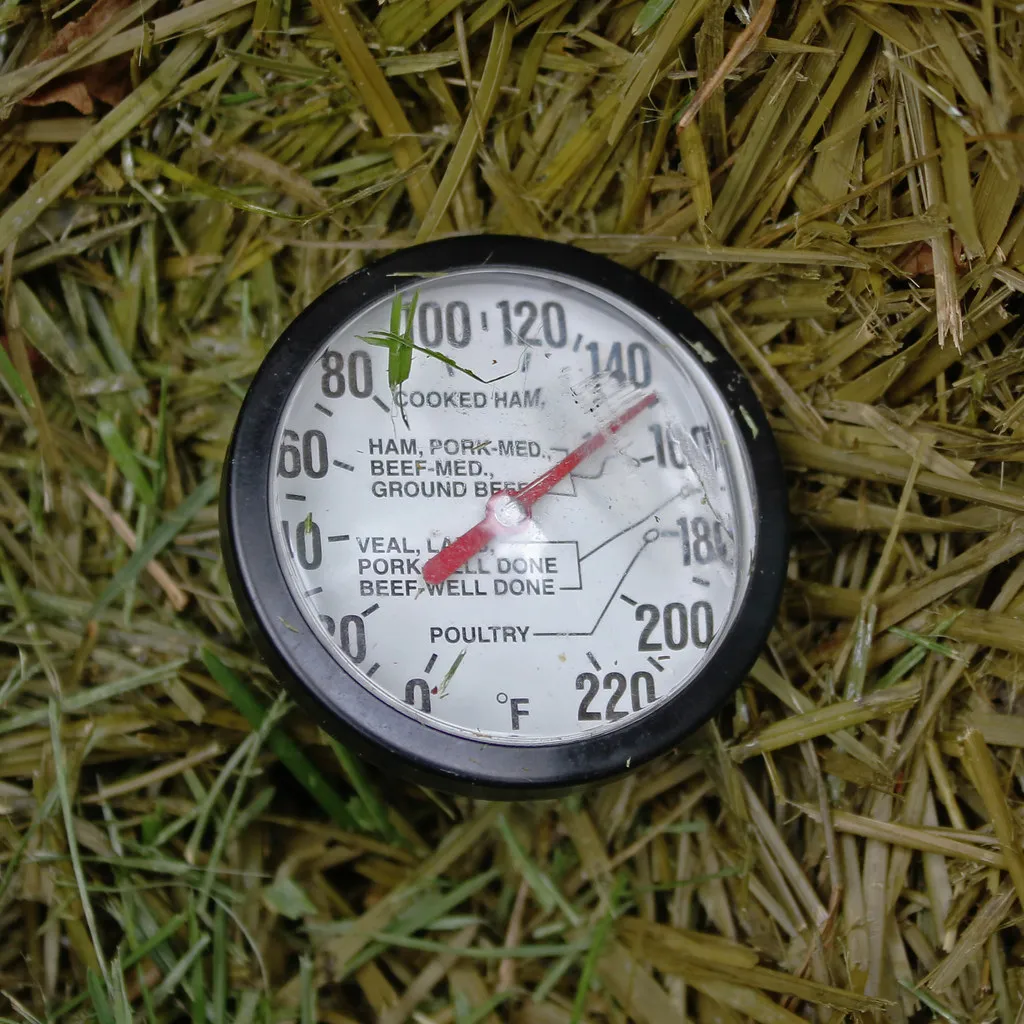
Ideally, temperatures should reach between 130°F and 160°F. If the pile cools to below 130°F, it benefits from turning to introduce oxygen and reactivate microbial activity. A simple compost thermometer costs very little and removes all the guesswork. Without one, you’re essentially flying blind.
Letting the Center Go Anaerobic
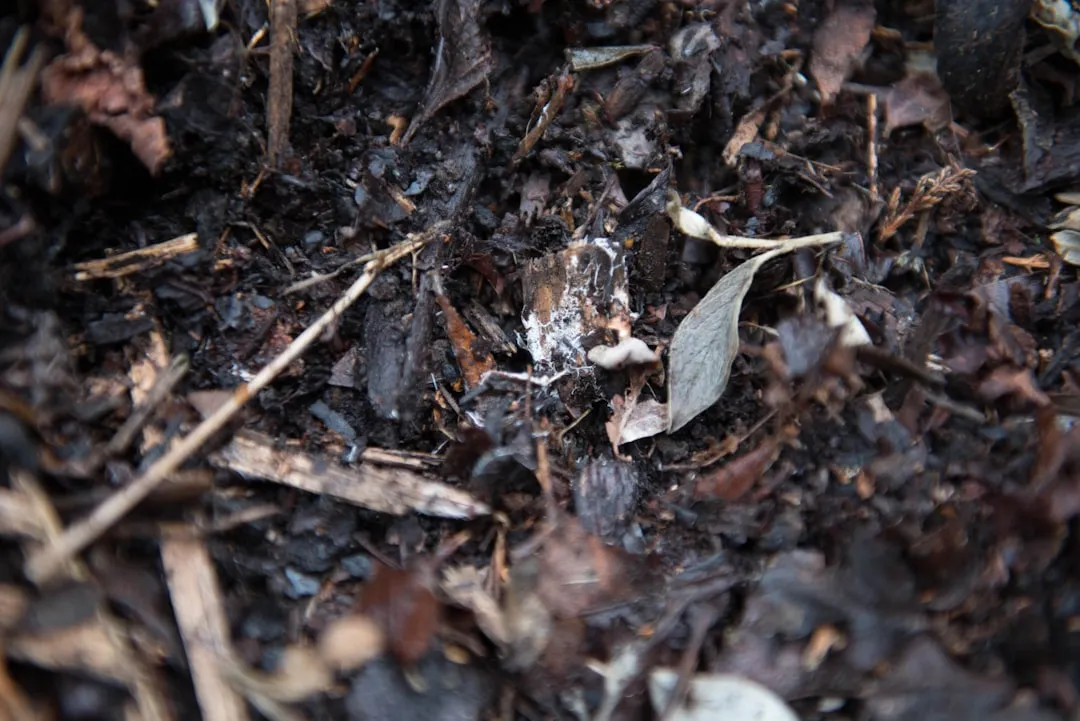
Most composting microbes are aerobic, meaning they require oxygen to thrive. In a static pile, oxygen depletes quickly in the center, where activity is highest, leading to anaerobic conditions. This shifts decomposition to slower, smellier bacteria that produce hydrogen sulfide and methane.
The oxygen is constantly being used up by the microorganisms that are breaking down the organic material, and there is a limited volume of space between the material particles of the pile to hold oxygen. As a result, a compost pile must be turned many times to refill those in-pile spaces with oxygen. When anaerobic bacteria take over, decomposition doesn’t stop entirely – it just slows to a crawl and starts producing unpleasant gases in the process.
Turning at the Wrong Frequency
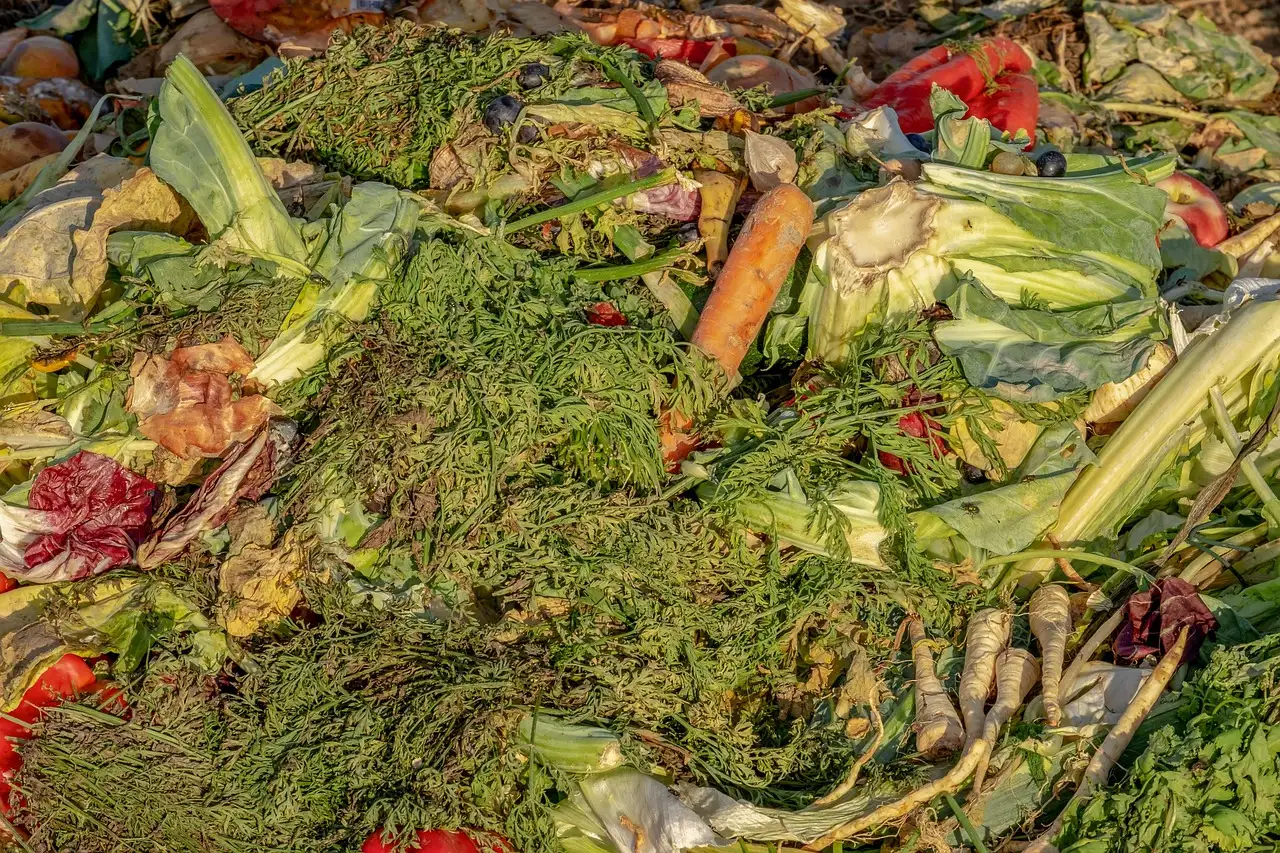
As a rule of thumb, actively decomposing materials should be turned every three to four days. Materials with slowed microbial activity can be turned less often. That said, very few home composters need to hit that pace every time. Turning every 10 to 14 days, on average, maintains a healthy and efficient composting process without it becoming too labor-intensive.
In tumblers, turning two times a week resulted in higher temperature and faster decomposition than turning once a week or once every other week. The takeaway is that there’s no single magic number – but erring on the side of too infrequent is far more damaging than turning a little too often. Warm, humid summers promote rapid microbial activity, often requiring more frequent turns every three to five days to manage heat and moisture. In cold winters, decomposition slows – turn sparingly to retain heat, or insulate the pile.
Getting the Carbon-to-Nitrogen Ratio Wrong Before Turning
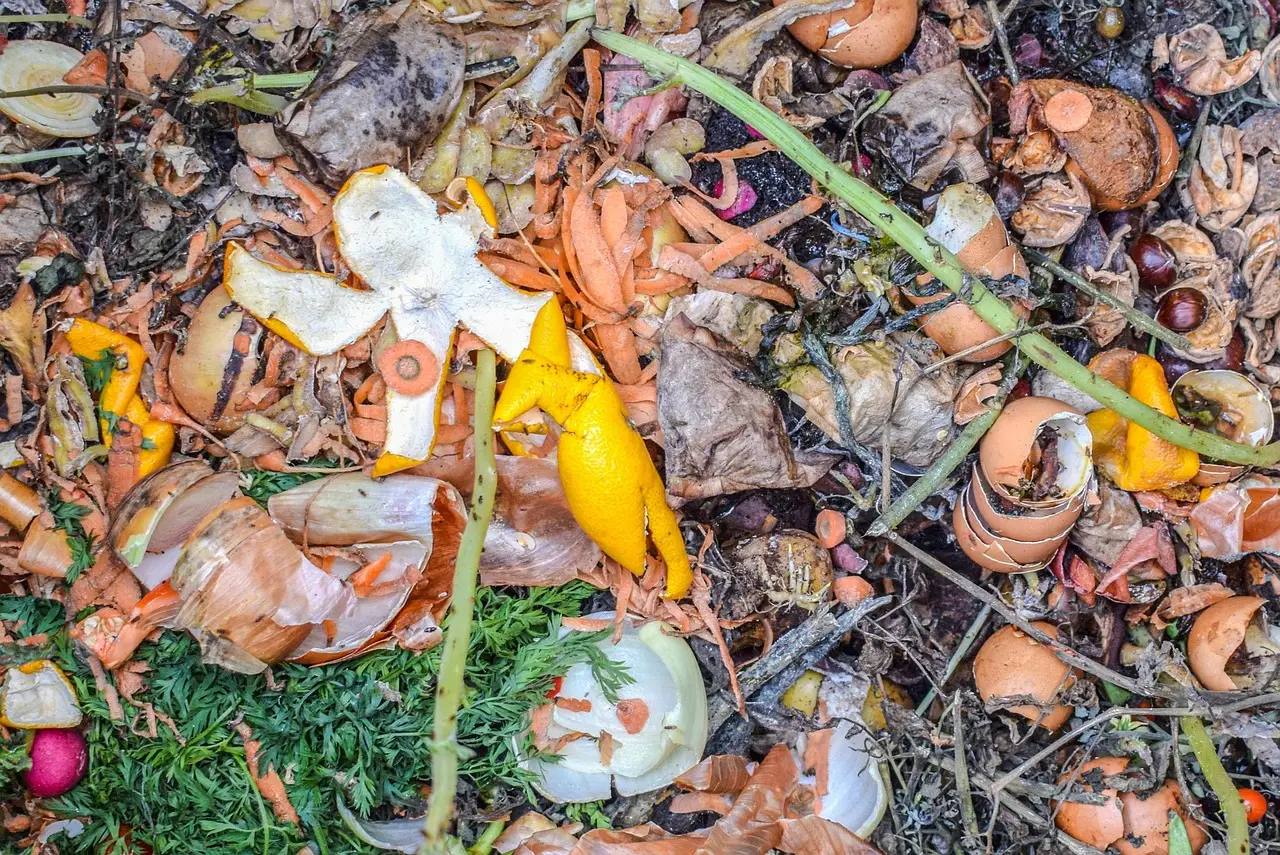
The carbon-to-nitrogen ratio (C:N ratio) is the single most important chemical factor in successful composting. Get this balance right and your pile heats up quickly, breaks down efficiently, and produces rich, earthy compost. Turning a pile with a badly skewed ratio doesn’t fix the underlying problem – it just moves a slow-decomposing mess around.
The ideal C/N ratio for composting is generally considered to be around 30:1, or 30 parts carbon for each part nitrogen by weight. Above 35:1 with too much carbon, microbes run short of nitrogen and cannot multiply fast enough to drive rapid decomposition. The pile cools and becomes slow. At 60:1 or above, active decomposition virtually stops. Turning an imbalanced pile repeatedly without correcting the ratio is one of the most frustrating traps in composting.
Not Moving Outer Material to the Center
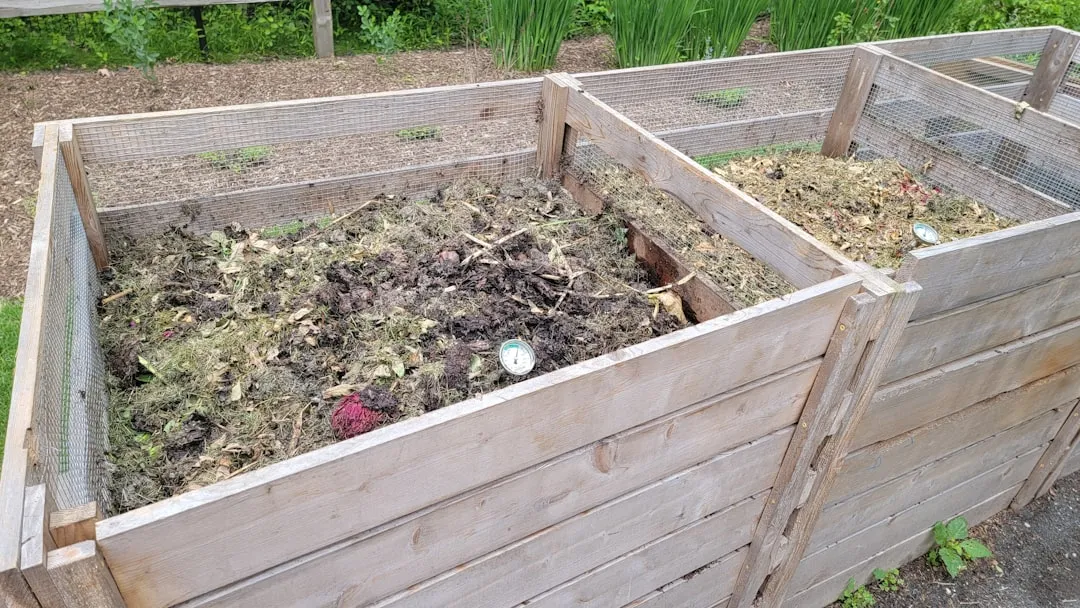
The center of the pile heats up and decomposes more quickly than the outer edges. With more activity, oxygen at the center of the pile depletes quickly and abundant heat is generated. The depleted oxygen must be replenished for the process to continue.
When the target temperature is reached, the pile should be opened, compacted materials should be loosened, and the pile should be turned so that the material previously on the top and sides is moved to the center. Most people just mix the pile generally without deliberately relocating the cooler outer layers inward. Failing to turn the pile properly can lead to layering, where material at the bottom may not break down while the top layer dries out – and uneven heating can occur, causing some materials to decompose faster than others.
Moisture Is Wrong When You Turn
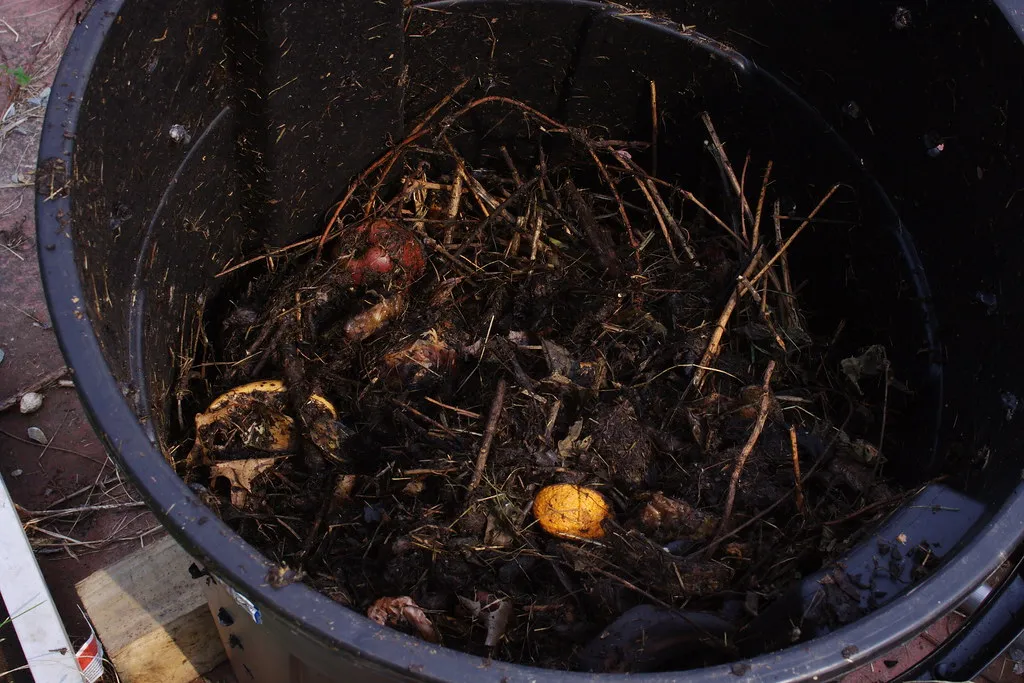
The microorganisms responsible for aerobic decomposition need four things to work efficiently: carbon as an energy source, nitrogen as a nutrient for protein synthesis, moisture at around 40 to 60 percent by weight, and oxygen to sustain their metabolism. Turning a pile that’s either bone dry or waterlogged makes the situation worse, not better.
Too little moisture (below about 30%) inhibits bacterial activity, while too much moisture (above 65%) results in slow decomposition, odor production in anaerobic pockets, and nutrient leaching. The classic test is to grab a handful and squeeze: you can use the squeeze test to gauge moisture content – the compost mixture should feel damp to the touch, with about as much moisture as a wrung-out sponge. Adjust moisture before or during each turn rather than after.
Turning a Pile That’s Too Small

A compost pile should not be too small or too large – ideally between three to five feet in each dimension. This size is manageable and allows the pile to reach the necessary temperatures. Turning a tiny pile is nearly pointless from a thermal perspective: the heat simply dissipates too fast to sustain microbial momentum.
A compost pile must be of sufficient size to prevent rapid dissipation of heat and moisture, yet small enough to allow good air circulation. When the pile is undersized, even perfect turning technique won’t compensate. The pile can’t hold the thermal mass needed to keep thermophilic bacteria working through the night or through cooler weather.
Turning Too Much at the Wrong Stage
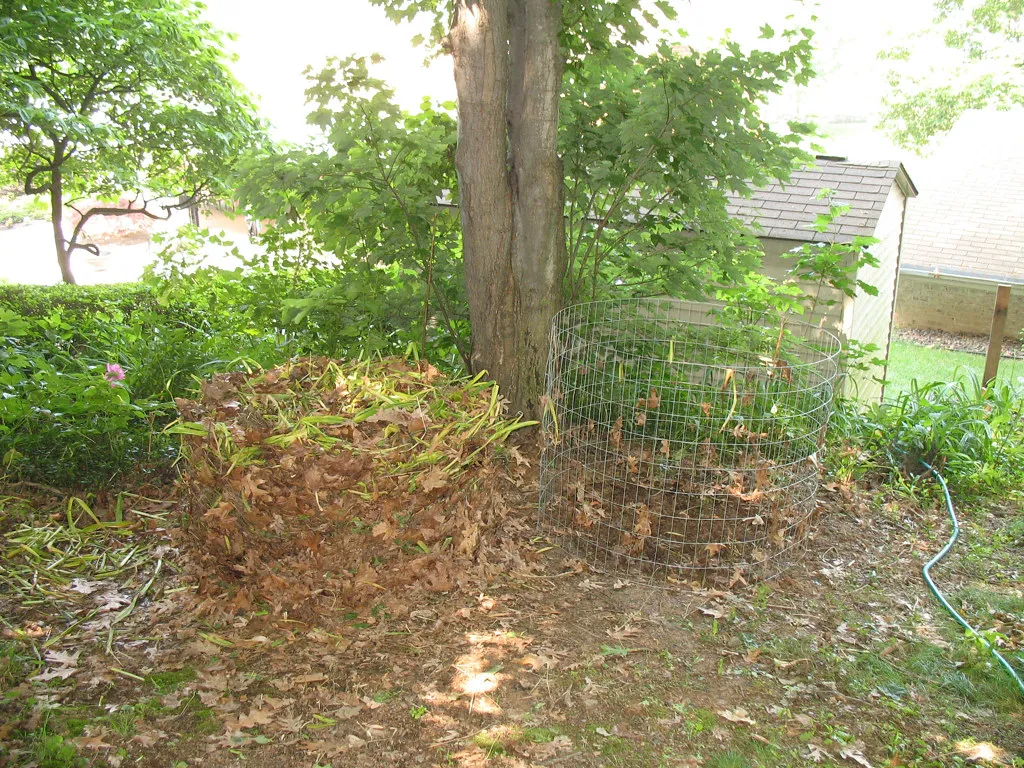
Counterintuitively, there is such a thing as over-turning – particularly during the later stages of composting. Turning can have a negative impact on nematode and protozoa life and reproduction within the pile. Turning can also disturb the fungal hyphae, so it is preferable to minimize turns after achieving an even distribution of fungal strains.
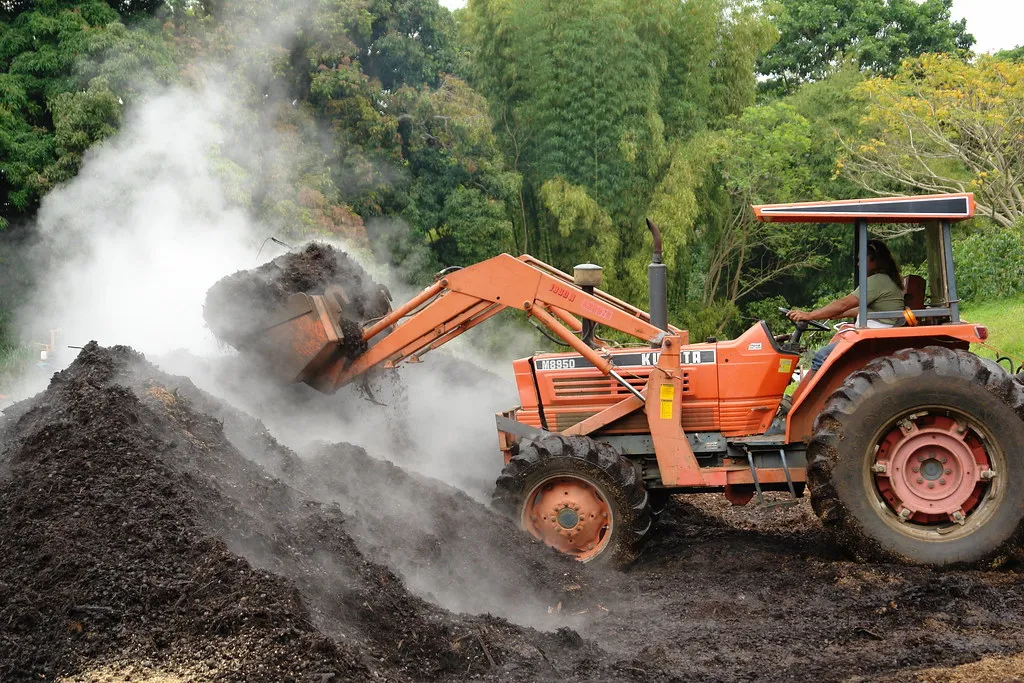
In an active compost pile, thermophilic bacteria are the primary decomposers – these heat-tolerant organisms thrive at temperatures between 130°F and 160°F, and their metabolic activity generates the characteristic heat of a well-managed hot pile. That heat also kills weed seeds and many pathogens, which is one of the primary advantages of hot composting over cold. Disrupting this stage too aggressively can force the pile back to square one, wasting days of hard-won microbial progress.
Skipping the Curing Phase After Turning Stops
Giving your compost time to cure is vital. One of the final composting mistakes is using finished compost immediately. Compost requires patience, and after it has the texture you want, it still takes time to cure at the end. Many people see a dark, crumbly pile and assume it’s ready to go into the garden right away.
Adding uncured compost to garden beds reduces oxygen availability to the roots, competing for nitrogen in the soil. It causes some plants to stop growing, or their leaves might turn yellow. Waiting a minimum of three weeks after your compost finishes is recommended, and some experts say up to three months is ideal for curing. The turning process ends before the compost is truly done – curing is where it matures into something genuinely beneficial for soil.
The Takeaway
Most of these mistakes share a common thread: treating turning as a single, uniform action rather than a responsive process guided by temperature, moisture, pile size, and stage of decomposition. Turning is less about following a rigid schedule and more about understanding what the pile needs at any given moment.
A well-turned pile that checks all these boxes can produce finished compost in as little as a few weeks rather than many months. The biology is always working in your favor – the turning habits either support it or quietly undermine it. Getting those habits right is the difference between a stagnant heap and a genuinely productive composting system.
AI Disclaimer: This article was created with the assistance of AI tools and reviewed by a human editor.