
Walk through almost any backyard vegetable plot today and you’ll likely find tomatoes growing in the same spot they’ve occupied for the past three seasons. Gardeners obsess over watering schedules, soil amendments, and companion planting apps, yet quietly ignore one of the oldest and most well-tested rules in agricultural history. The practice in question isn’t new at all. It’s been refined over thousands of years, and the evidence behind it keeps growing stronger.
A Practice as Old as Civilization Itself
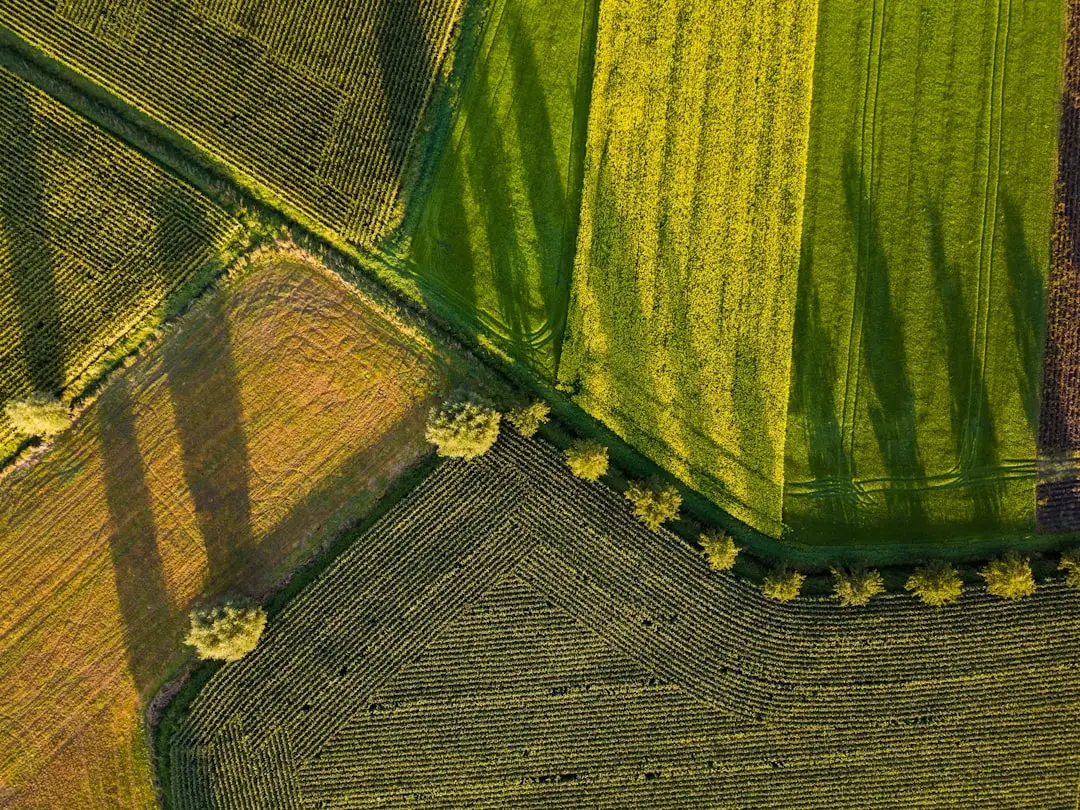
Archaeological evidence suggests that early humans were using crop rotation as far back as 8,000 BCE, when farmers in the Middle East realized that rotating their crops would help improve soil fertility and increase yields. In Mesopotamia and Egypt, farmers experimented with alternating crops to improve yields and reduce soil depletion. Historical records and archaeological findings suggest that early farmers observed how planting legumes restored nitrogen levels in the soil, which was vital for subsequent cereal crops.
Many European farmers followed centuries-old practices learned from the Roman Empire, a method known as “food, feed, fallow.” They planted food grains such as wheat in one section, crops for livestock in another, and left the third section alone for a year, during which organic matter broke down and improved the soil. Each portion served in turn as food, feed, and fallow over a three-year period.
The Four-Field Rotation That Changed European Farming
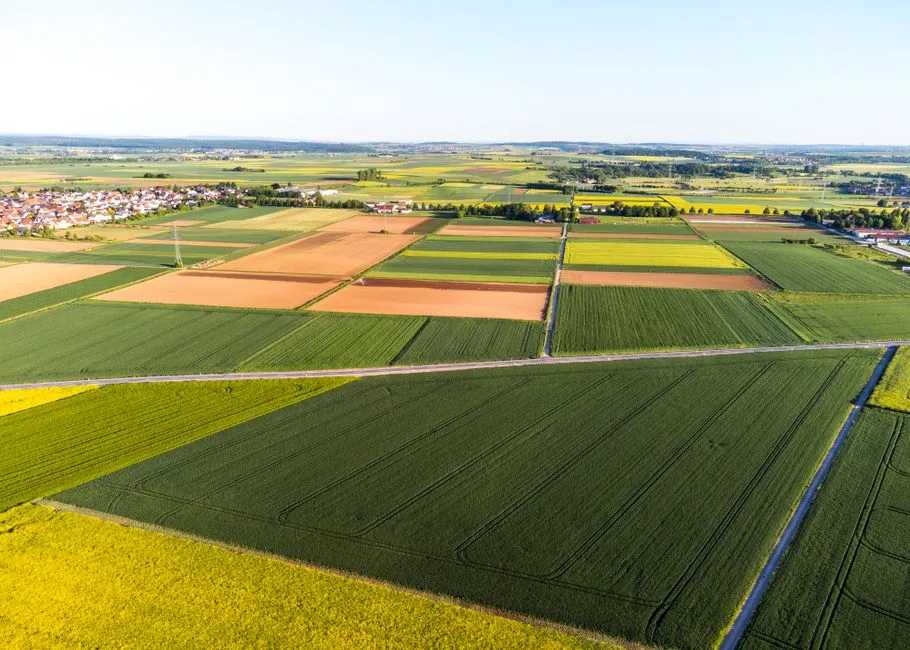
By 1800, many European farmers had adopted a four-year rotation cycle introduced in Great Britain by Viscount Charles “Turnip” Townshend in the mid-1700s. The four-field system rotated wheat, barley, a root crop like turnips, and a nitrogen-fixing crop like clover. Livestock grazed directly on the clover and consumed the root crop in the field. In the new system, fields were always planted with either food or feed, increasing both grain yields and livestock productivity.
By the 1950s, most farmers had stopped using crop rotation systems and farmed intensively using chemical fertilisers, pesticides and weed killers. Over the last few decades, there has been growing concern about the health risk to humans and wildlife when land is farmed this way. That concern has brought crop rotation back into serious conversation, and for good reason.
What the Modern Home Garden Is Actually Skipping
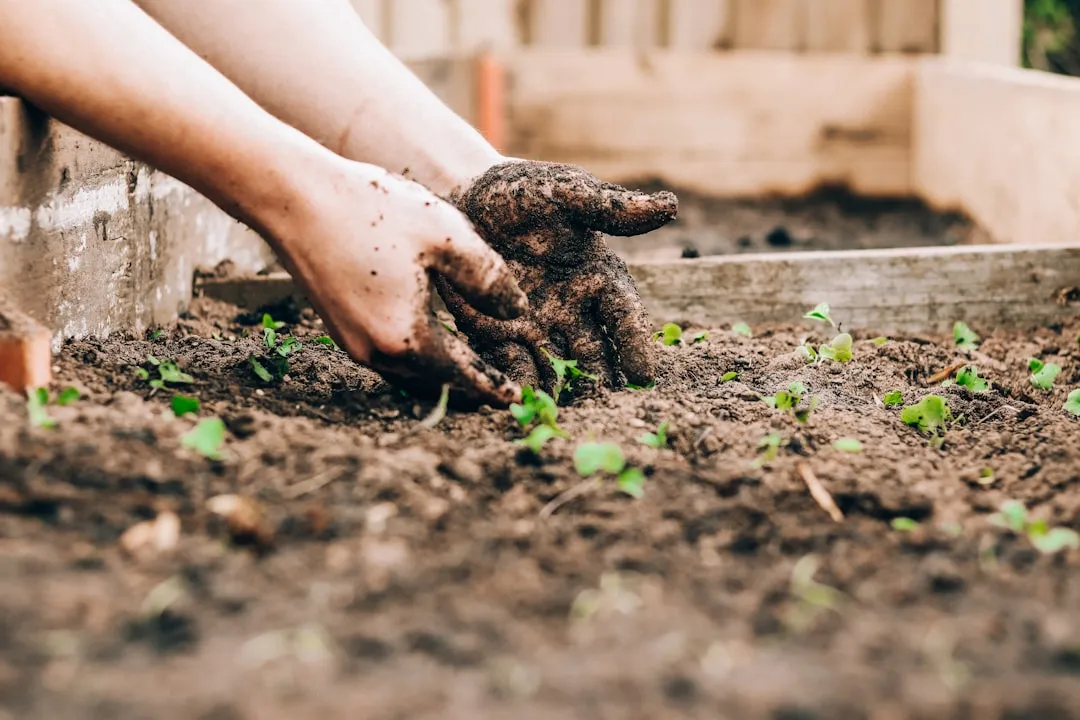
The principle of crop rotation is to grow specific groups of vegetables on a different part of the vegetable plot each year. This helps to reduce a build-up of crop-specific pest and disease problems and organises groups of crops according to their cultivation needs. Continuous planting of the same kind of plant in the same place every year is a recipe for creating problems. Most gardeners know this on some level yet do it anyway, season after season.
Any system can be used for crop rotation, provided the same plant family is not in the same location for at least three or four years. That single rule is the core of the vintage method, and it’s the one most commonly abandoned in modern small-space gardens. The logic behind it goes deeper than most gardeners realize.
The Soil Disease Problem Nobody Talks About Enough
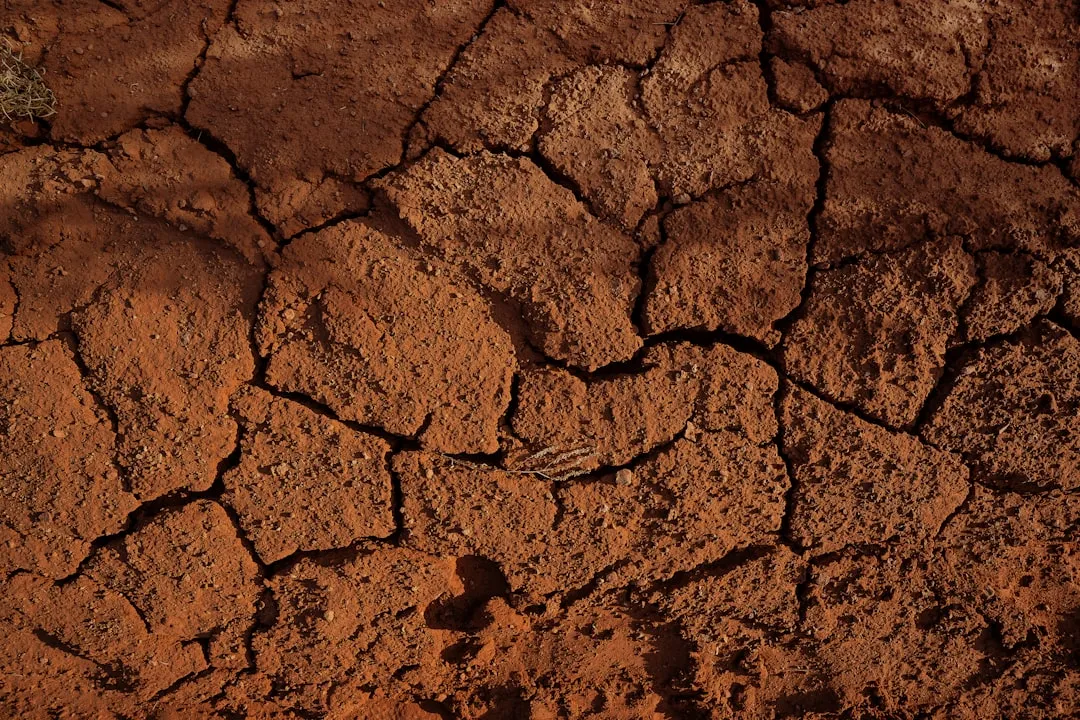
Many disease organisms are soil-borne and may persist in the soil for several years. Disease problems often increase when the same crop is planted in the same area in successive years. Fusarium wilt, a soil-borne fungus that loves tomatoes and peppers, explodes in population if you plant them in the same spot repeatedly. This isn’t a minor inconvenience. It can wipe out an entire season’s harvest before you even notice the problem starting.
A three-year rotation reduces Fusarium wilt incidence by roughly sixty to eighty percent in susceptible crops compared to continuous cropping in the same soil, according to the Cornell Plant Disease Diagnostic Clinic. If a disease like potato scab gets established where you usually plant potatoes, it can affect all plants in the Solanaceae family. Giving that area a break from all Solanaceae crops for three years interrupts the cycle and brings plant-specific pests under control.
Grouping by Plant Family: The Rule Most Gardens Ignore
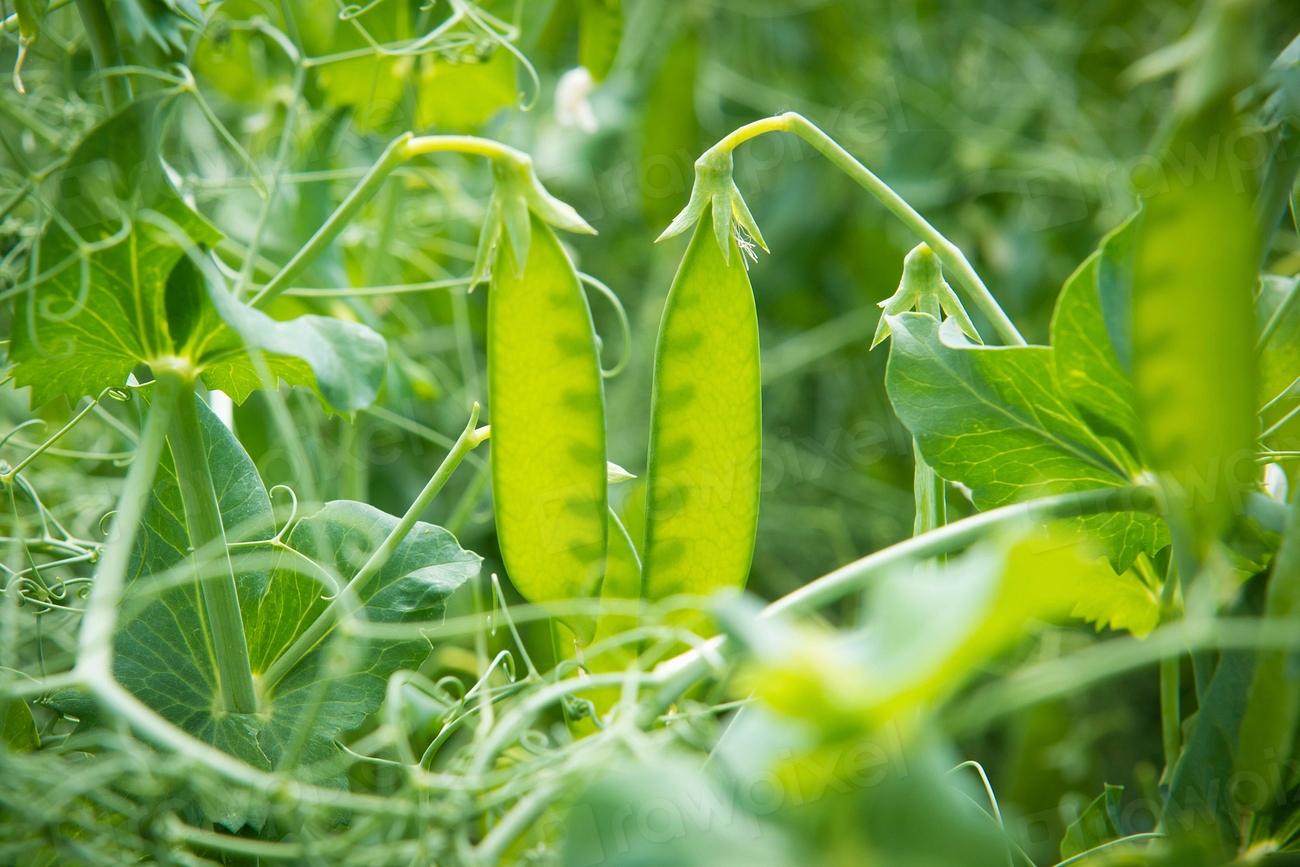
Most home vegetable gardens draw from four major plant families, and grouping by family is the practical unit of rotation, not by individual crop species. Cabbage, broccoli, cauliflower, Brussels sprouts, kale, and collards are all members of the Brassicaceae family. The Cucurbitaceae family includes cucumber, muskmelon, watermelon, squash, pumpkin, and gourd. Garden peas and snap beans fall into the Fabaceae family. Members of the Solanaceae family include tomato, pepper, eggplant, and potato.
When rotating garden crops, the advice from Kansas State University horticulture experts is clear: avoid planting anything from the same family in the same location as the previous year. To give plants a healthy start, the best practice is to rotate crops within the same family to a different location. If a pest needs a Solanaceae plant to survive, and you plant a Brassica in that spot for three years, the pest population crashes.
Nitrogen, Nutrients, and the Natural Fertility Cycle
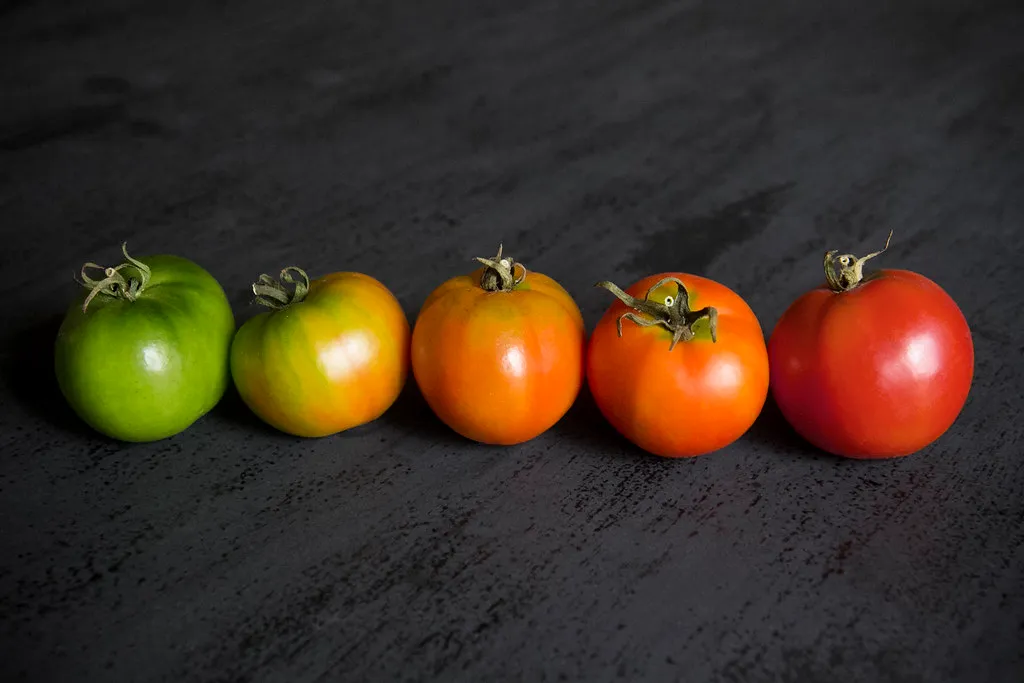
Heavy feeders such as tomatoes and corn consume large amounts of nutrients from the soil. Following them with light feeders like carrots or lettuce takes advantage of this difference. Soil improvement crops such as legumes enrich the soil by fixing nitrogen. Legumes like beans can enrich soil with up to roughly 200 pounds per acre of nitrogen. That’s nitrogen the soil gains without a bag of synthetic fertilizer ever being opened.
Even in small gardens, dedicating just a quarter of the space to legumes can provide enough nitrogen for nutrient-demanding plants like corn or leafy greens in the next season. This method reduces the need for external fertilizers and directly improves vegetable production. Soil rotation practices help maintain nutrient balance, decreasing fertilizer needs by over thirty percent in environmentally friendly farms.
Yield Gains That the Research Actually Supports
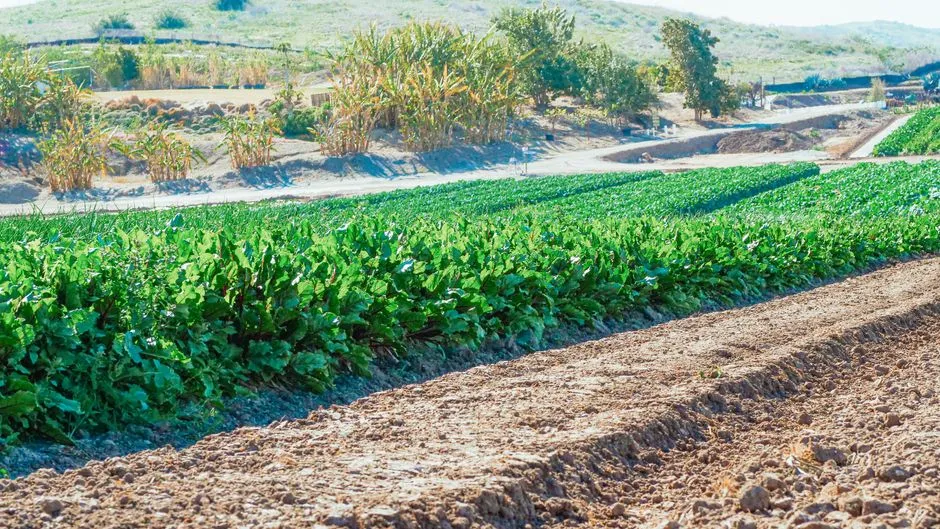
This age-old gardening method involves planting different crops in a planned sequence to improve soil health, reduce pests, and increase yields by up to nearly half. It also reduces soil-borne pathogens by roughly forty to sixty percent, with studies showing substantially higher yields with diverse rotations compared to monoculture approaches. These aren’t numbers generated from ideal laboratory conditions. They come from real-world agricultural observations.
Crop rotation has been recognized for millennia as a practice that maintains soil productivity, and modern research has quantified its multiple benefits. Rotations can improve nutrient use efficiency, suppress pests and diseases, enhance soil structure, and increase system resilience to climate variability. Legume-containing rotations contribute biologically fixed nitrogen, reducing synthetic fertilizer requirements. Diverse rotations can also mitigate greenhouse gas emissions and improve soil carbon sequestration.
What the USDA’s 2024 Research Confirmed
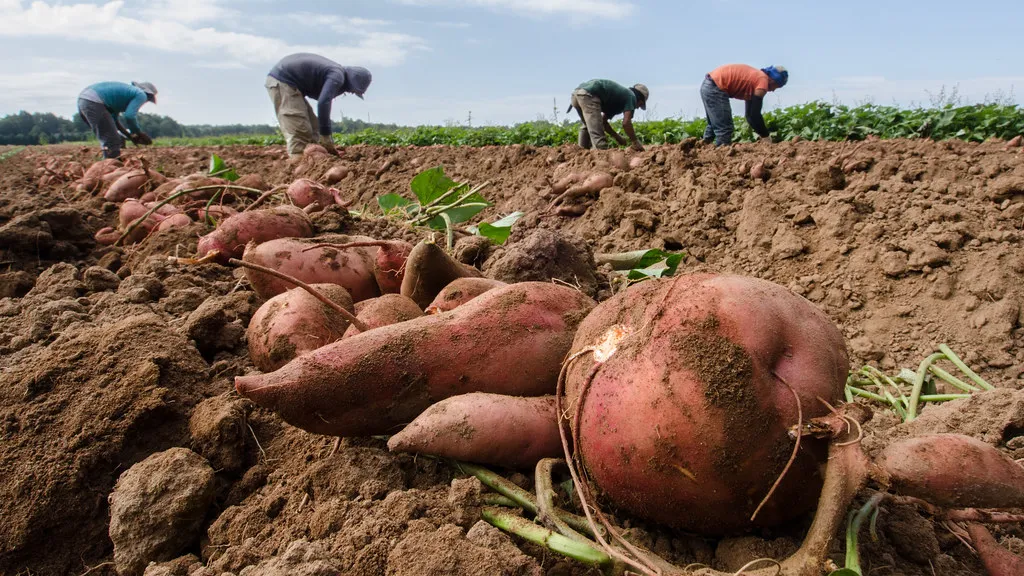
The USDA’s Agricultural Research Service released findings suggesting that diverse crop rotations can mitigate risks associated with poor growing conditions. Though effective, more diverse rotations may take years to show results, which is why long-term agricultural field experiments are a valuable source of evidence. The DRIVES Network, standing for Diverse Rotations Improve Valuable Ecosystem Services, combined data from twenty long-term experiments to investigate the impacts of crop diversity across multiple regions and production systems.
More diverse rotations proved particularly effective under poor growing conditions, underscoring their potential to reduce crop loss risks in an increasingly unpredictable climate. While the benefits of crop rotation are well-established, widespread adoption remains limited due to economic uncertainty, lack of incentives, and insufficient data on long-term outcomes. To address this, ARS agroecologists analyzed data from twenty long-term experiments, some spanning up to six decades, across North America.
The Microbial Layer Beneath the Surface
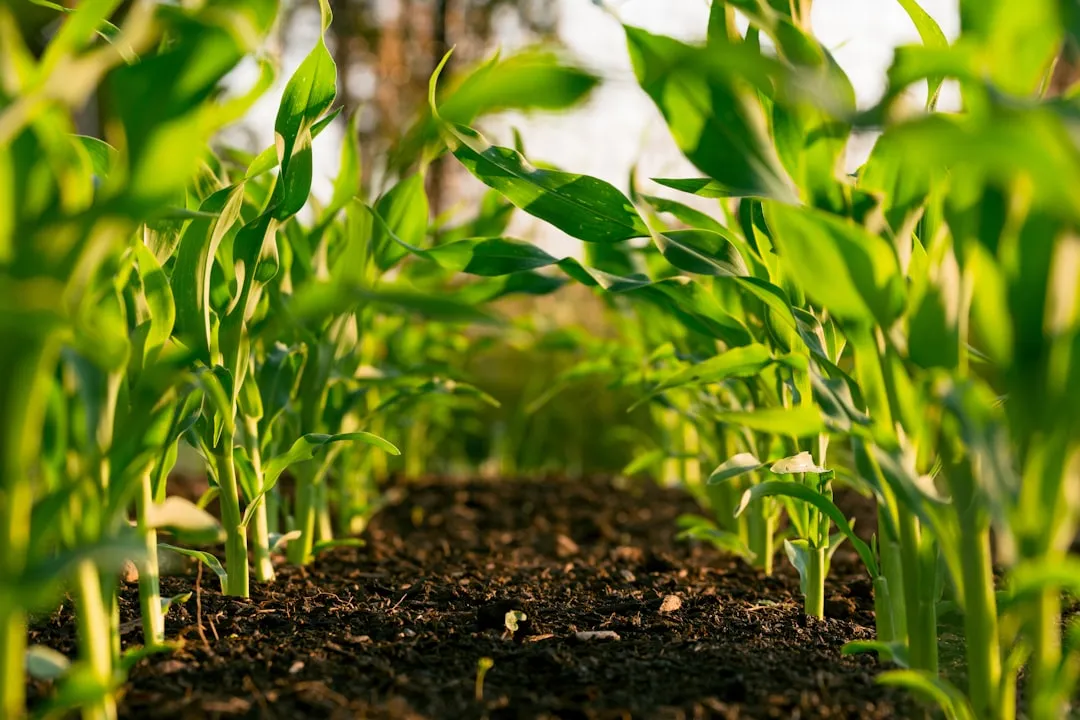
The effect of crop rotation on soil-borne diseases is a representative case of plant-soil feedback, in the sense that plant disease resistance is influenced by soils with different cultivation histories. When you rotate crops thoughtfully, you’re not just moving plants around. You’re actively shaping the community of bacteria, fungi, and microorganisms living in your soil. That invisible ecosystem is what determines whether your garden thrives or struggles.
Incidences of soil-borne diseases can be reduced by influencing microbial structures and their activities. It is therefore important to explore how strongly crop rotations alter the diversity and composition of bacterial and fungal communities. Rotations can improve nutrient use efficiency, suppress pests and diseases, enhance soil structure, and increase system resilience to climate variability. The soil ecosystem rewards the discipline of rotation with a kind of compounding interest over time.
Climate Change Is Making This Rule Even More Relevant
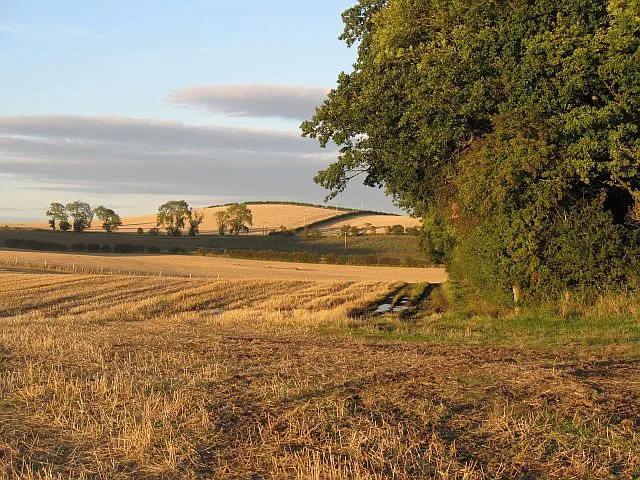
Increasingly variable and extreme precipitation patterns, including more frequent floods and droughts, are threatening agricultural production. Crop rotation diversification, or increasing the number and types of species grown through time, may improve agroecosystem resilience to these climatic changes. Functionally diverse rotations can have improved resource-use efficiency and soil quality that help ameliorate effects of variable and extreme climatic conditions.
Sustainable agriculture remains a global priority in 2025 and looks toward 2026 with an even greater emphasis on environmentally friendly practices. Among these, soil rotation and garden rotation have re-emerged as powerful, scientifically validated methods for maximizing yields, optimizing fertility, and protecting essential soil health. Today, with digital tools, artificial intelligence, and satellite technology, rotation in agriculture has become smarter and more evidence-based than ever, empowering farmers and gardeners globally to reduce inputs and promote resilient food systems.
The Takeaway
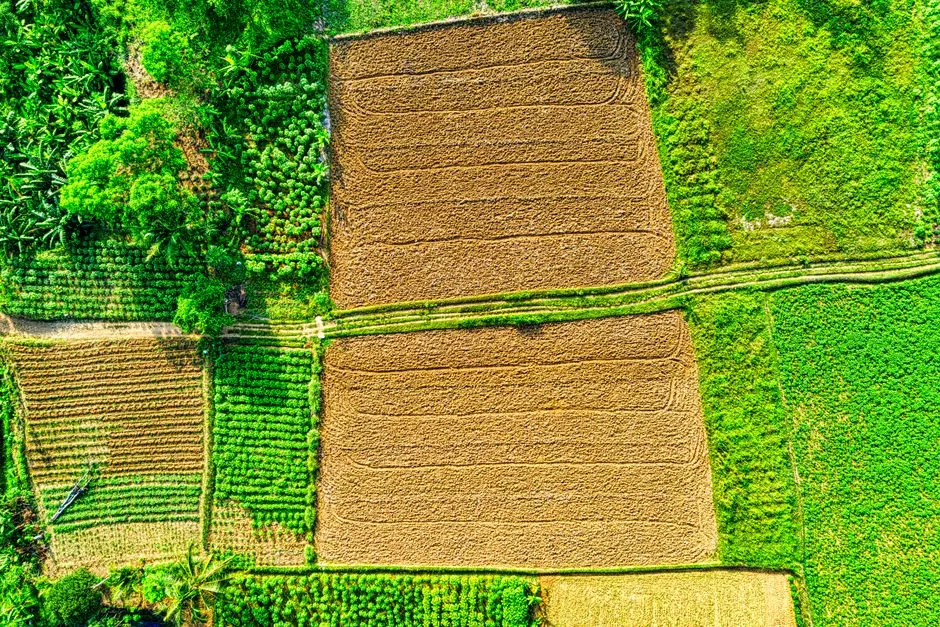
The vintage crop rotation rule isn’t complicated. Don’t plant the same family of crops in the same bed two years running. Give the soil a three to four year break from each plant family. Follow heavy feeders with light feeders, and always close the loop with a legume. That’s essentially the whole system, and it was refined over thousands of years of observation before modern science came along to confirm why it works.
The real question isn’t whether the rule is valid. Decades of research and 10,000 years of farming practice have settled that. The question is why so many modern gardens, with all their tools, apps, and YouTube tutorials, keep skipping the one thing that costs nothing and pays the most. Sometimes the oldest method in the book is still the smartest one on the shelf.
AI Disclaimer: This article was created with the assistance of AI tools and reviewed by a human editor.