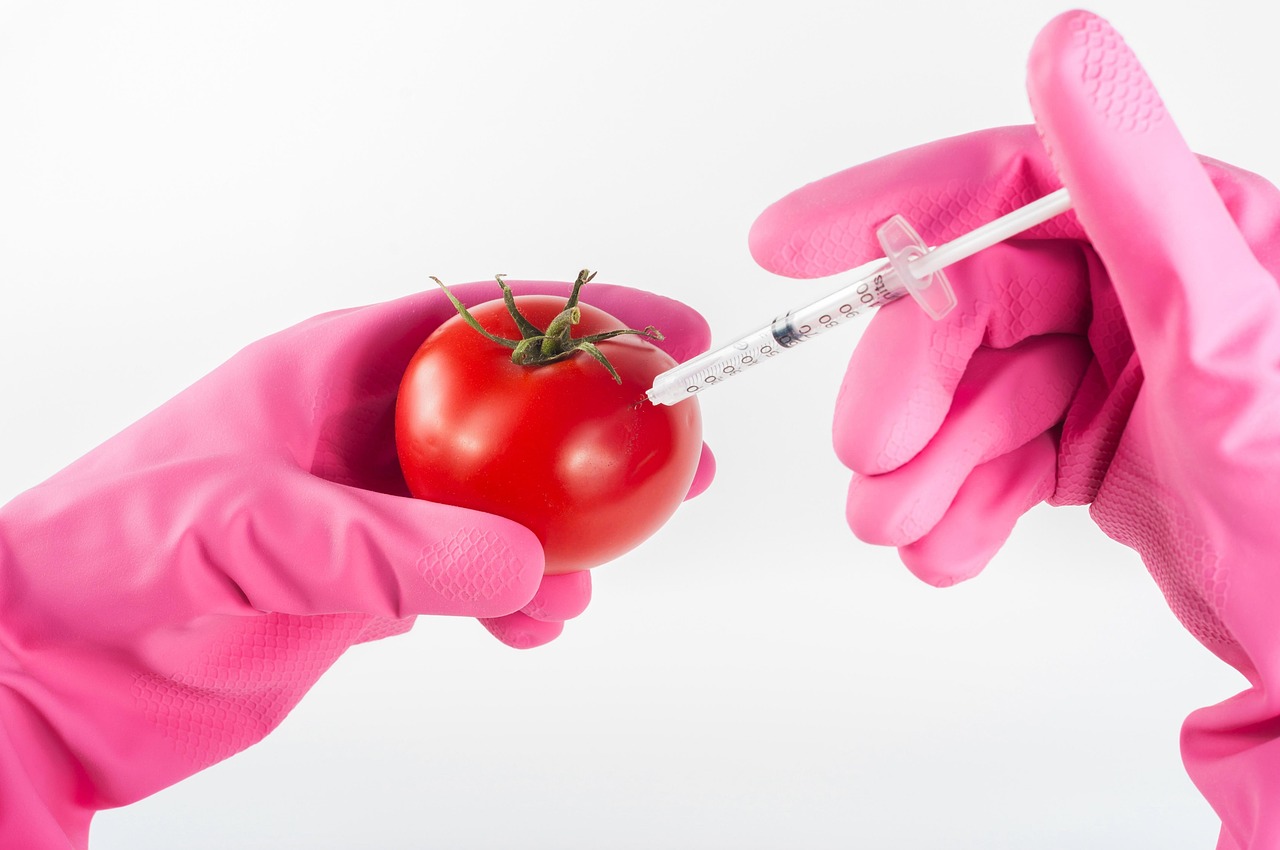

Every year, farmers, gardeners, and agricultural companies apply billions of pounds of pesticides to crops and soil with one goal in mind: kill the pests. The problem is that these chemicals rarely stop there. They travel through water, accumulate in soil, drift into the air, and settle into the bodies of people and creatures that were never the intended target.
The scale of this has grown steadily. Global pesticide use has reached 3.70 million tonnes of active ingredients annually, with a thirteen percent rise over the past decade and nearly double the amount reported in 1990, according to FAO data from 2024. That trajectory raises an uncomfortable question: if we keep applying more, who exactly is absorbing all of it?
A Chemical Built to Kill Doesn’t Ask Who’s Nearby
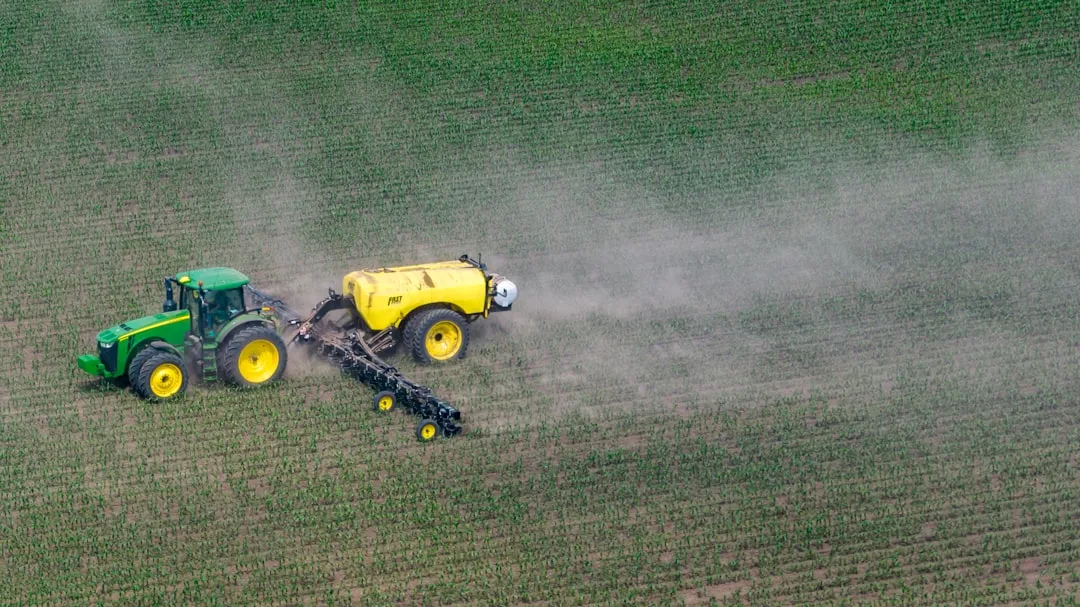
Pesticide poisonings occur when chemicals intended to control a pest affect non-target organisms such as humans, wildlife, or bees. This is not a rare glitch. It’s a routine consequence of how these substances move through ecosystems.
Pesticide elements have now perpetually entered our atmosphere and subsequently contaminated water, food, and soil, leading to health threats ranging from acute to chronic toxicities. Once a chemical enters the environment, it doesn’t stay where it was applied.
Pesticides can cause acute toxicity if a high dose is inhaled, ingested, or comes into contact with the skin or eyes, while prolonged or recurrent exposure to pesticides leads to chronic toxicity. The two scenarios, a sudden spill or a lifetime of low-level exposure, both carry serious consequences, though chronic exposure is harder to trace and often easier to overlook.
The Global Surge in Pesticide Use Is Accelerating in Vulnerable Regions

Estimates suggest that global pesticide use grew twenty percent over the last decade, and by roughly one and a half times that amount in low-income countries specifically. The places with the least regulatory infrastructure are often the places absorbing the highest chemical loads.
Developing countries apply more pesticides to protect their crops, causing significant environmental contamination of water, air, flora, fauna, and soil, which in turn impacts human health and generates disease. The burden, in other words, does not fall evenly.
The public health risks associated with pesticide exposure are particularly concerning for vulnerable populations, such as farmworkers and children. These groups often lack the political voice and protective resources to demand better safeguards.
Neonicotinoids: The Pesticide Family That Gets Everywhere

The reason neonicotinoids are dangerous is the same reason they’re used in the first place: to insects, they’re some of the deadliest pesticides ever created. They kill indiscriminately, eliminating not only pests but also butterflies, bees, and earthworms.
Neonicotinoids are considered “systemic” pesticides. This means they can be applied directly to the soil around a plant’s roots or as a coating on a seed, which the plant then absorbs as it grows, making the plant itself, including its nectar, pollen, leaves, stems, and fruit, toxic.
The problem is that only a small portion of the neonicotinoids make it into the target plant, leaving the vast majority in the soil. That chemical remainder doesn’t disappear. It washes into waterways, persists in groundwater, and enters the food supply at levels that regulators are still working to understand.
Bees Are Losing the Fight, and the Numbers Are Stark
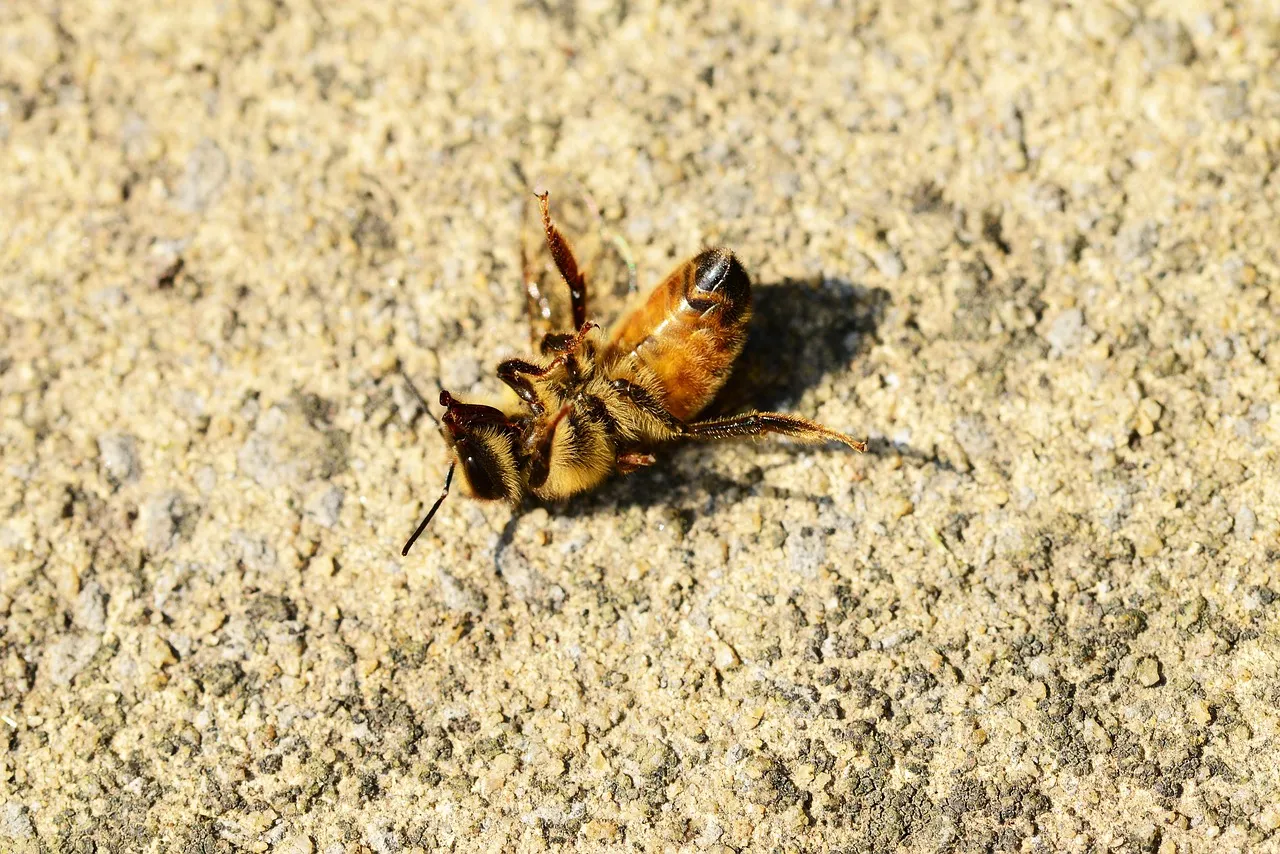
Pollinators are dying off in droves, with 2025 being particularly lethal, with beekeepers losing upward of sixty percent of their hives, potentially topping the previous year’s record losses. That is well above the forty to fifty percent losses that have become the new normal in the last two decades.
Research from the University of Ottawa in 2024 found that pesticides pose a real threat to over seventy percent of wild bees. Wild bees are harder to track and easier to lose, since no beekeeper notices when they’re gone.
Pollinators are essential for the reproduction of roughly nine out of ten flowering wild plants and can increase production of three quarters of leading global food crops. The collapse of bee populations is not just an ecological footnote. It is a direct threat to how the world eats.
What Gets Into the Pollen Tells a Difficult Story
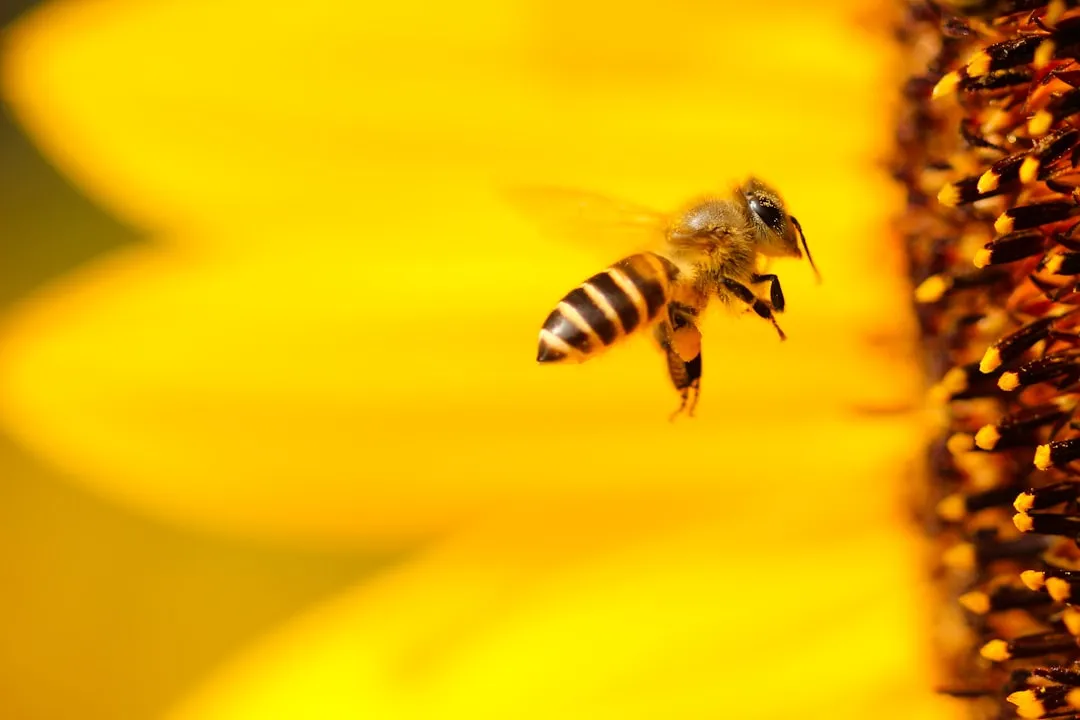
Researchers at the University of Bern and Agroscope, the Swiss government’s agricultural research arm, conducted research using agricultural land-use data from 2023 and 2024, studying hive sites within a two-kilometer radius over a two-year period.
Acetamiprid is one example of a pesticide detected in pollen following applications to rapeseed in both 2023 and 2024. The pollen samples collected from bee hives revealed a steady stream of chemical exposure throughout both growing seasons, confirming that bees operating in agricultural landscapes are chronically exposed to multiple compounds at once.
While bee losses are likely driven by various factors, the exposure of bees to agrochemicals has raised significant concern due to their ubiquitous use and potential adverse effects. Despite numerous studies suggesting neonicotinoids can negatively affect bees at the behavioral and molecular level, data linking these two factors remains sparse. The science is catching up, but slowly.
Pesticides Are Getting Into Drinking Water and Groundwater
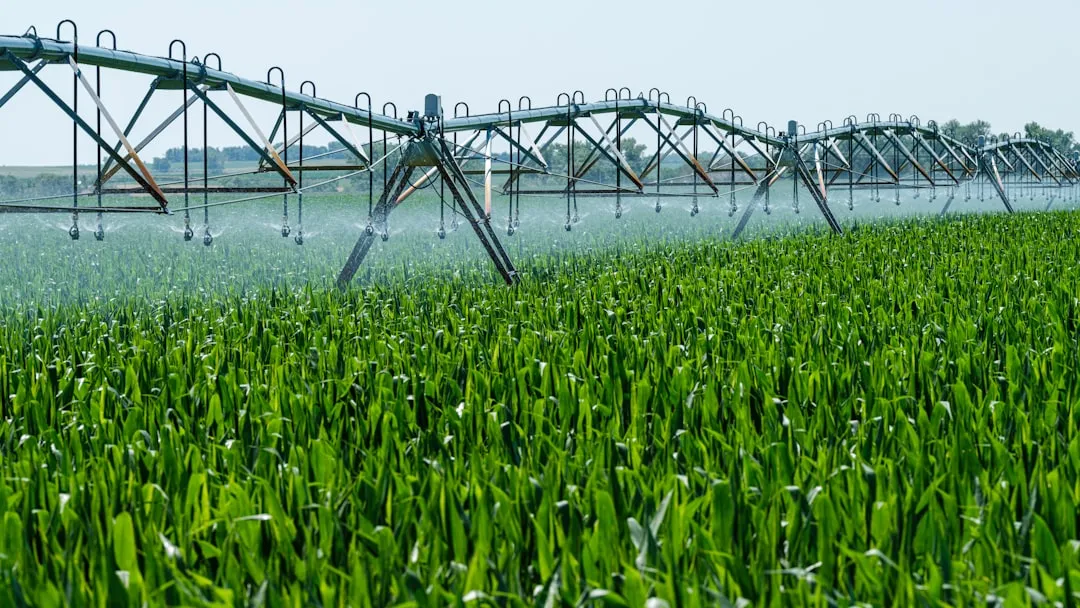
The latest Scientific Investigations Report from the U.S. Geological Survey for 2025 found moderate concentrations of five pesticides in the nation’s groundwater, with the highest percentages in agricultural wells, and concentrations of the carcinogenic soil fumigant DBCP that exceed the maximum containment level, despite the substance being banned over 45 years ago.
Pesticide residues in freshwater threaten water sustainability, and global discrepancies in freshwater pesticide contamination remain a serious and not fully understood concern. The fact that banned substances still appear in today’s groundwater illustrates just how long these chemicals can persist.
Research found that stormwater runoff and wastewater effluent in New York State contained significantly higher concentrations of glyphosate compared to river water, underscoring the importance of urban runoff and wastewater as significant sources of contamination. Agriculture is the primary driver of contamination, but urban use is a meaningful contributor that often goes underdiscussed.
The Damage to Soil Goes Deeper Than Most People Realize
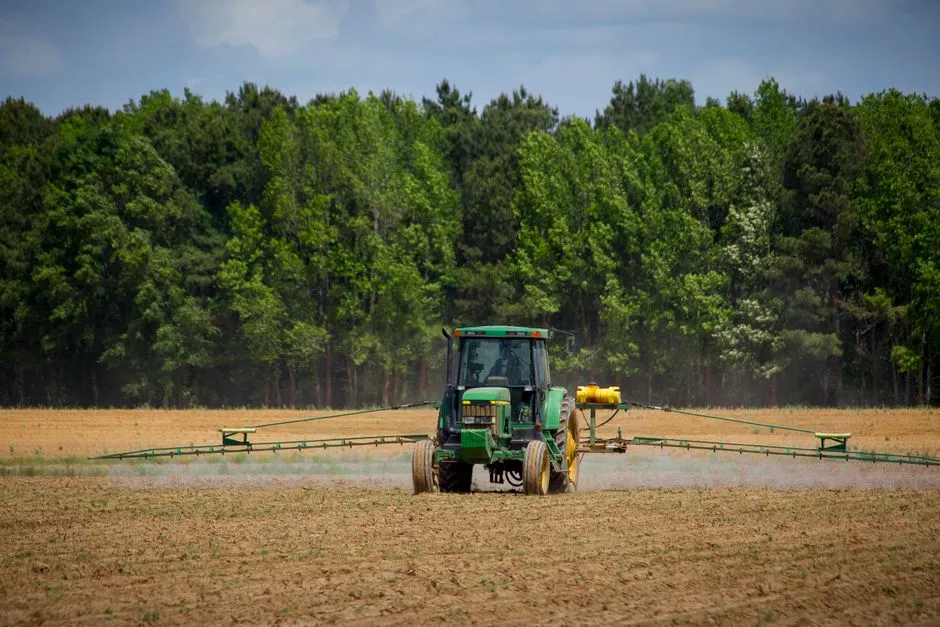
Pesticide exposure can alter soil microbial communities, leading to reduced soil biodiversity and impairing vital processes that sustain plant growth and agricultural productivity. This disruption can make soils more vulnerable to erosion, reduce crop yields, and hinder long-term sustainability in agricultural practices.
A review of European soils found that banned substances such as DDT were detected in nearly a third of sampled soils, and atrazine was present in roughly one in six, while high detection rates of currently approved pesticides like Boscalid and Epoxiconazole were also documented. These are not isolated findings. They reflect a continent-wide accumulation problem.
The widespread use of pesticides, such as organochlorine compounds known for their persistence and bioaccumulation, poses significant risks to biodiversity, water quality, and food safety. Some of the most damaging compounds were banned decades ago and are still showing up in the ground beneath farmland today.
Human Health: Cancer, Neurological Harm, and Endocrine Disruption
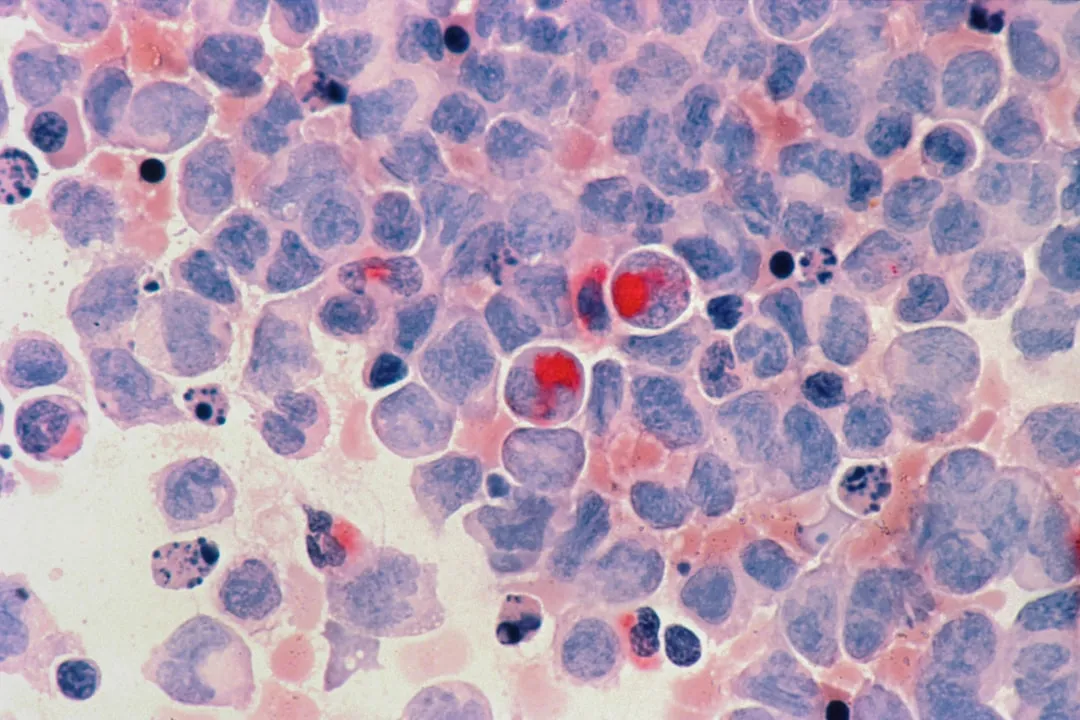
A systematic review published in late 2024 identified consistent associations between chronic pesticide exposure and non-communicable diseases, including cancer, neurological disorders, and endocrine disruptions. An increased incidence of respiratory issues and neurodegenerative diseases was often associated with occupational exposure to pesticides.
In a major literature review compiling research from 154 articles on pesticide use, scientists documented genotoxicity as one of the harmful effects, which is the alteration of genetic material that results in mutations in DNA that cause cancer.
Pesticides have been associated with short- and long-term effects on human health, including elevated cancer risks and potential disruption of the body’s metabolic functioning as well as the reproductive, immune, and nervous systems. A 2022 systematic review and meta-analysis found that pesticide exposure increased the risk of metabolic syndrome by roughly thirty percent. Farmworkers carry the highest burden, but food residues mean the exposure doesn’t stay on the farm.
Children’s Developing Brains Face Particular Risk

Increasing evidence links the widespread use of pesticides to neurotoxic effects that contribute to both neurodegenerative and neurodevelopmental disorders. New classes of pesticides such as neonicotinoids and pyrethroids have garnered particular attention due to their potential to disrupt neurodevelopment, even at low exposure levels.
Neonicotinoids are detected in human urine, breast milk, amniotic and cerebrospinal fluids, as well as the brains of treated rodents. They were once thought to pose little neurotoxic risk to humans, but a growing body of research challenges that assumption.
Subsequent regression analyses in a 2025 study of preschool-aged children revealed significant positive associations between urinary concentrations of certain neonicotinoids and neurobehavioral problems in preschoolers, particularly in the domains of emotional symptoms, hyperactivity, and total difficulties. These findings put a particularly human face on a problem that is often discussed in abstract chemical terms.
Pesticide Residues Are Showing Up in Food at Concerning Rates

Data from the Rapid Alert System for Food and Feed indicate that several food products contain residues of pesticides recognized for toxicity. Research found that roughly seventy percent of examined fruits, nearly half of vegetables, and half of honey contained at least two distinct neonicotinoids in a single sample.
Neonicotinoids routinely contaminate waterways and tap water, foods including fruits, vegetables and baby foods, and even human breast milk. The scale of this contamination means that routine dietary choices now carry an involuntary chemical exposure.
A sweeping study released in early 2026 reveals that what’s on your plate may directly shape the pesticides circulating in your body. Researchers found that people who eat more fruits and vegetables known to carry residues show higher internal pesticide levels. Eating more produce, generally the healthiest dietary advice, does not automatically mean lower pesticide exposure without careful sourcing.
What Comes Next Requires More Than Label Warnings
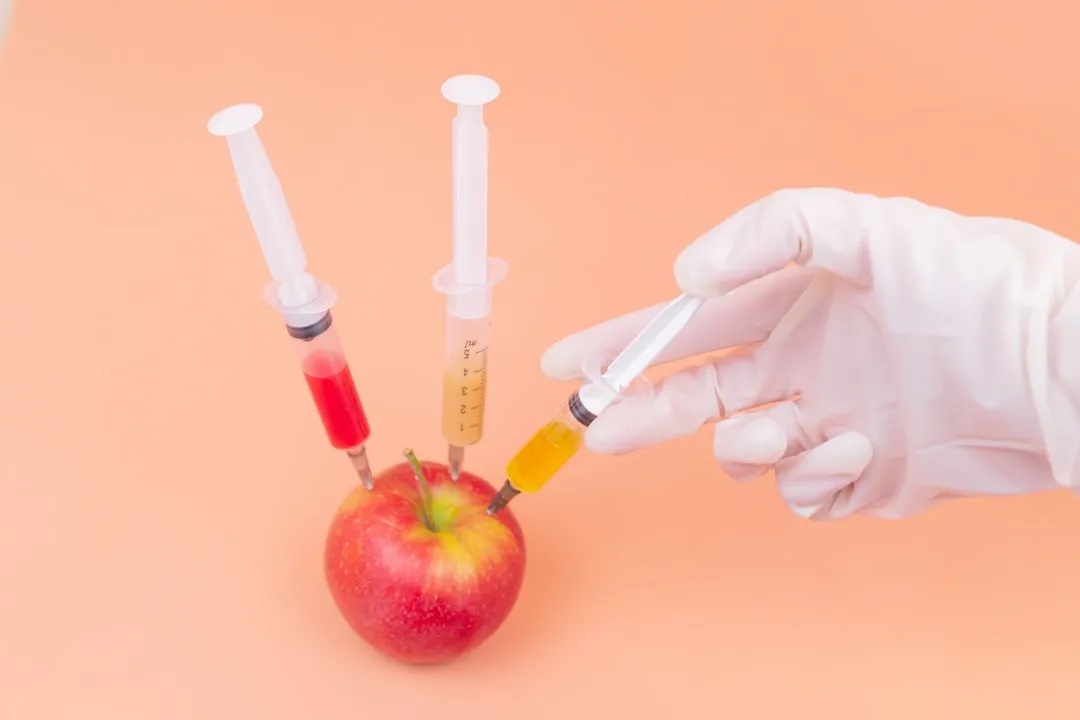
Current pesticide safety standards do not protect children from neurotoxic harm, and immediate regulatory action is needed. This conclusion, drawn from a 2025 review of EPA regulatory studies, reflects a growing consensus among independent researchers that existing thresholds were set using outdated assumptions.
The EU has taken steps to lower permitted levels of the neurotoxic pesticide acetamiprid in food, and a review protocol has been initiated that could lead to a complete ban of this insecticide. Regulatory movement is happening, though the pace rarely matches the speed of contamination.
A comprehensive review published in 2025 critically examines the multifaceted impacts of chemical pesticides on environmental ecosystems and human health, highlighting the urgent need for sustainable pest management practices. The science is no longer ambiguous about the scope of the problem. The question now is how quickly policy, agriculture, and consumer demand can catch up with what the research has already made plain.
The Bigger Picture We Can’t Keep Ignoring
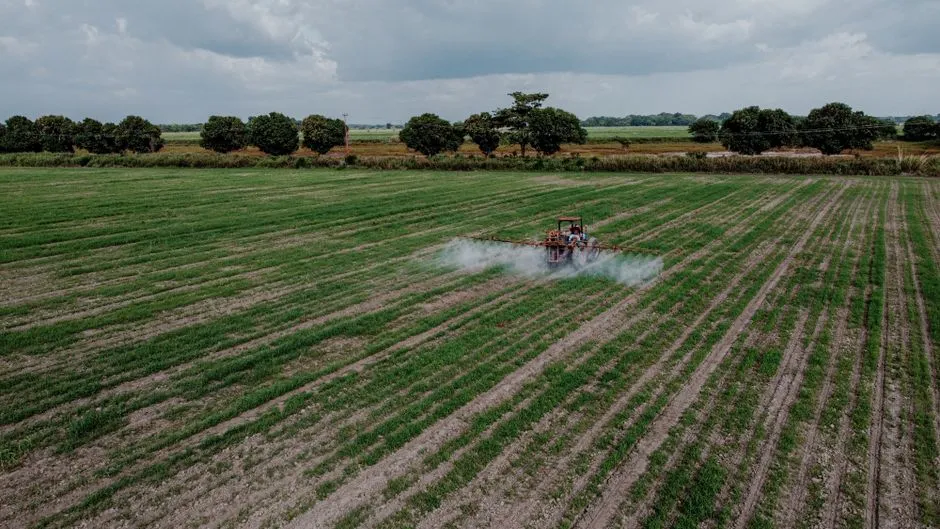
The pesticide problem is not a story about malice or negligence in any single place. It is a story about systems, where a tool designed to protect crops quietly reshapes soil, water, wildlife, and human biology in ways that were never part of the plan.
The evidence from 2024 through 2026 is consistent and growing: pesticides do not stay within their intended boundaries. They spread into groundwater that communities drink, into pollen that bees collect, into the bloodstreams of children, and into the brains of developing fetuses. Most of this happens quietly, with no visible smoke or obvious moment of harm.
Changing this will require more than asking farmers to read the label more carefully. It requires rethinking how much chemical load the environment, and the human body, can sustainably absorb. The research now being produced by institutions around the world points in one direction. Whether the policies follow is a separate question, and currently an open one.
AI Disclaimer: This article was created with the assistance of AI tools and reviewed by a human editor.