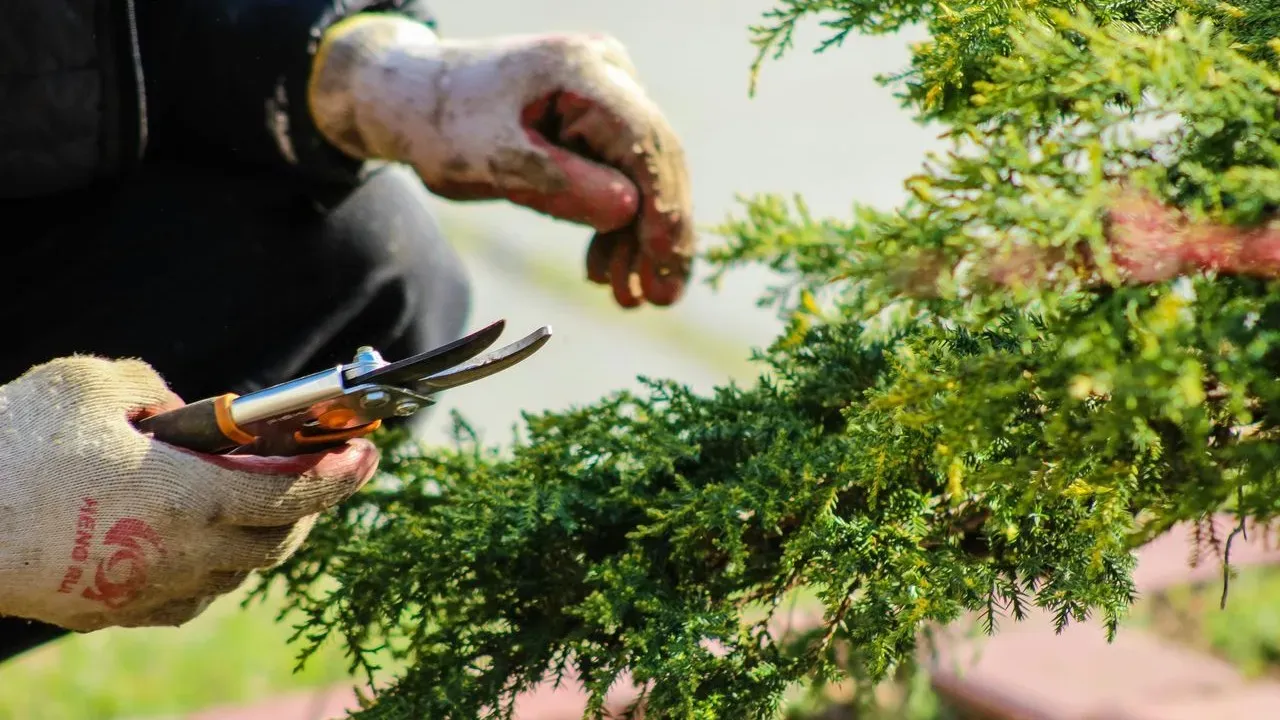

A decade spent working as a freelance gardener has brought one professional both rewarding projects and serious personal risks. Encounters with difficult clients have included unpaid invoices and, in one case, a direct threat involving a loaded rifle. These experiences highlight the need for clearer expectations on both sides of the arrangement.
Personal Safety Concerns Arise in the Field
Freelance work often takes gardeners onto private properties where interactions can turn unpredictable. One incident left the gardener fearing for their safety after a client confrontation escalated dramatically. Colleagues in the same line of work report far fewer problems, making the outlier cases stand out sharply.
Such events underscore how quickly a professional relationship can deteriorate without mutual respect. The gardener no longer works at that property and has reflected on the rarity of these situations among peers. Still, the memory serves as a reminder that boundaries matter in client interactions.
Clear Expectations Prevent Costly Mistakes
Many hiring issues stem from mismatched assumptions about the scope of work. Gardeners often specialize in particular tasks, such as hedge maintenance or border care, rather than handling every aspect of a property. Homeowners benefit from stating their priorities upfront, including any specific plant knowledge required.
Writing a short list of needed services helps match the right professional to the job. This step saves time for everyone involved and reduces the chance of misunderstandings later. Without it, even well-intentioned hires can lead to frustration on both ends.
Quality Work Carries Real Costs
Hiring a gardener involves paying for both expertise and equipment. Experienced professionals typically charge more per hour yet complete tasks efficiently and avoid errors that could damage plants or structures. Their investment in tools like ladders and machinery also factors into the overall rate.
Clients sometimes expect minimal compensation, overlooking the ongoing expenses gardeners face. Paying for proper equipment and knowledge usually delivers better long-term results than seeking the lowest bid. The alternative often shifts maintenance burdens back to the homeowner.
Communication Shapes Working Relationships
Genuine interest in the gardener’s approach can strengthen the partnership. Questions about past projects often reveal pride in the work and a willingness to share insights. In contrast, micromanagement or sudden indifference can erode motivation and lead to disengagement.
The distinction between useful dialogue and excessive oversight remains important. Gardeners bring their own methods developed through experience, which may conflict with a client’s preferred instructions. Early discussions about roles help avoid tension that could end the arrangement.
Respect for Limits Supports Reliable Service
Gardeners operate within physical and practical boundaries that clients may not fully appreciate. Tasks involving heavy lifting or ladder work carry inherent risks, and solo operators must prioritize safety. Illness or scheduling conflicts occasionally arise, just as they do in any profession.
A single missed visit once led to assumptions of unreliability, ending a long-standing arrangement. Homeowners who recognize these human factors tend to retain skilled help more successfully. Paying invoices promptly and maintaining open dialogue further supports stable working conditions.
AI Disclaimer: This article was created with the assistance of AI tools and reviewed by a human editor.