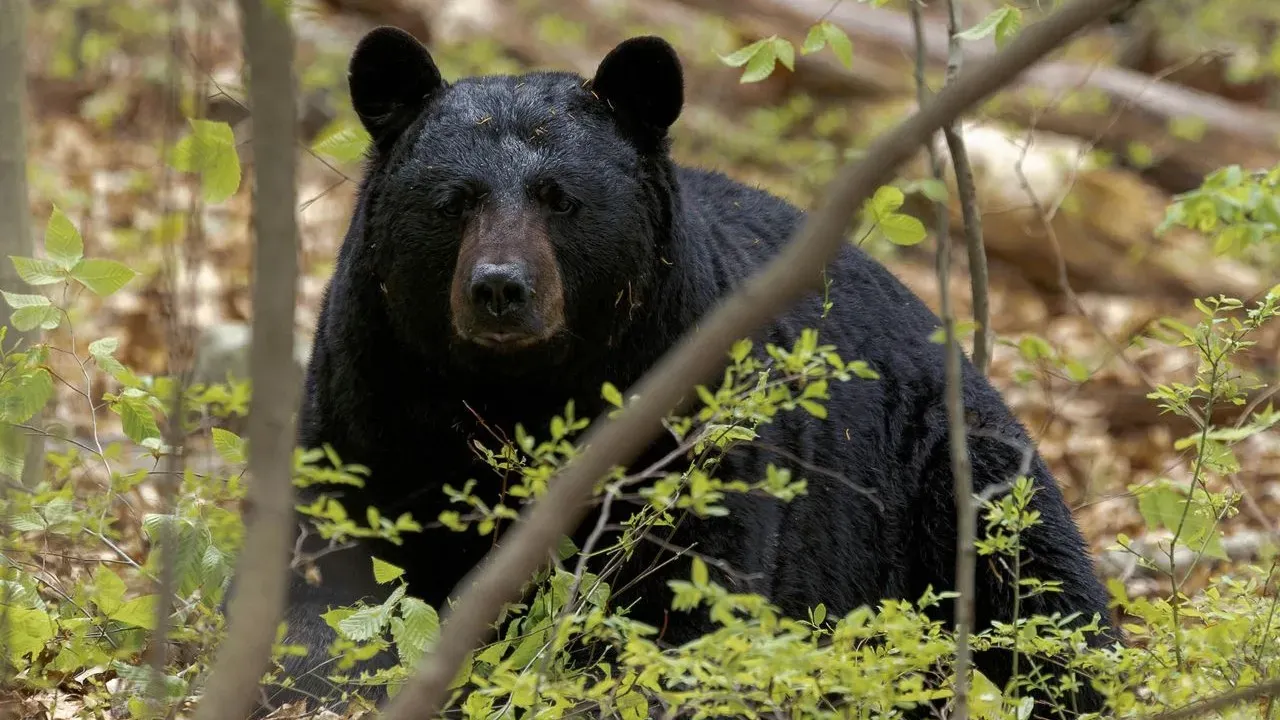

Ithaca, New York – A shared kitchen in one of Cornell University’s residence halls became the unlikely site of an unusual cleanup last September. Two students had carried a legally harvested black bear carcass inside and began skinning it on the premises. The episode prompted a swift institutional response that has now been written into housing policy.
What Happened in Ganędagǫ Hall
Residents of Ganędagǫ Hall noticed the activity and alerted campus authorities. Photographs of the scene circulated among students before reaching Cornell University Police. The students involved had hunted the bear off campus and brought it back to process the meat in the communal space.
New York State environmental officials reviewed the case and found no violations of hunting regulations. No charges resulted from the investigation. The kitchen was closed temporarily while professional cleaners handled the area, after which it reopened for normal student use.
Food Safety Risks Prompted Action
University officials weighed more than legal compliance when shaping the new rule. Wild game such as bear meat can carry parasites, including trichinella, that cause illness if not handled or cooked properly. Public health guidance from the Centers for Disease Control and Prevention highlights these hazards with raw or undercooked game.
The incident underscored the difference between storing or preparing already processed meat and conducting field dressing or butchering inside a shared residential facility. Cornell decided explicit language was needed to prevent similar situations in the future.
The Updated Housing Policy
The revised rules now prohibit skinning, butchering, or otherwise processing wild game animals inside any residential building. Students may still store and cook legally obtained game meat, provided it arrives already prepared for kitchen use.
The change took effect nearly a year after the original event, giving administrators time to assess the situation and consult with housing staff. The policy applies across all dorms and aims to maintain sanitary conditions in spaces used by hundreds of residents daily.
Campus Lore and the Bear Tradition
The story quickly entered Cornell student lore. A campus newspaper ran a satirical piece offering tongue-in-cheek advice on the subject, while jokes about a “ghost bear” lingered for months. The episode stood out even on a campus whose unofficial mascot has been a bear since 1915.
That long-standing symbol, known as Touchdown the Big Red Bear, began with a live animal and continues today as a costumed figure at athletic events. The contrast between the mascot tradition and the new kitchen restriction added an extra layer of campus commentary.
What matters now: Dorm kitchens remain available for cooking, but any field processing of wild game must occur off campus. The rule clarifies expectations for all residents and reduces the chance of future health or sanitation issues in shared spaces.
The policy change closes a narrow but memorable chapter. Students who hunt can continue to enjoy the results, yet they will need to handle the initial preparation elsewhere. For the rest of the residence halls, dinner preparation returns to more ordinary fare.
AI Disclaimer: This article was created with the assistance of AI tools and reviewed by a human editor.