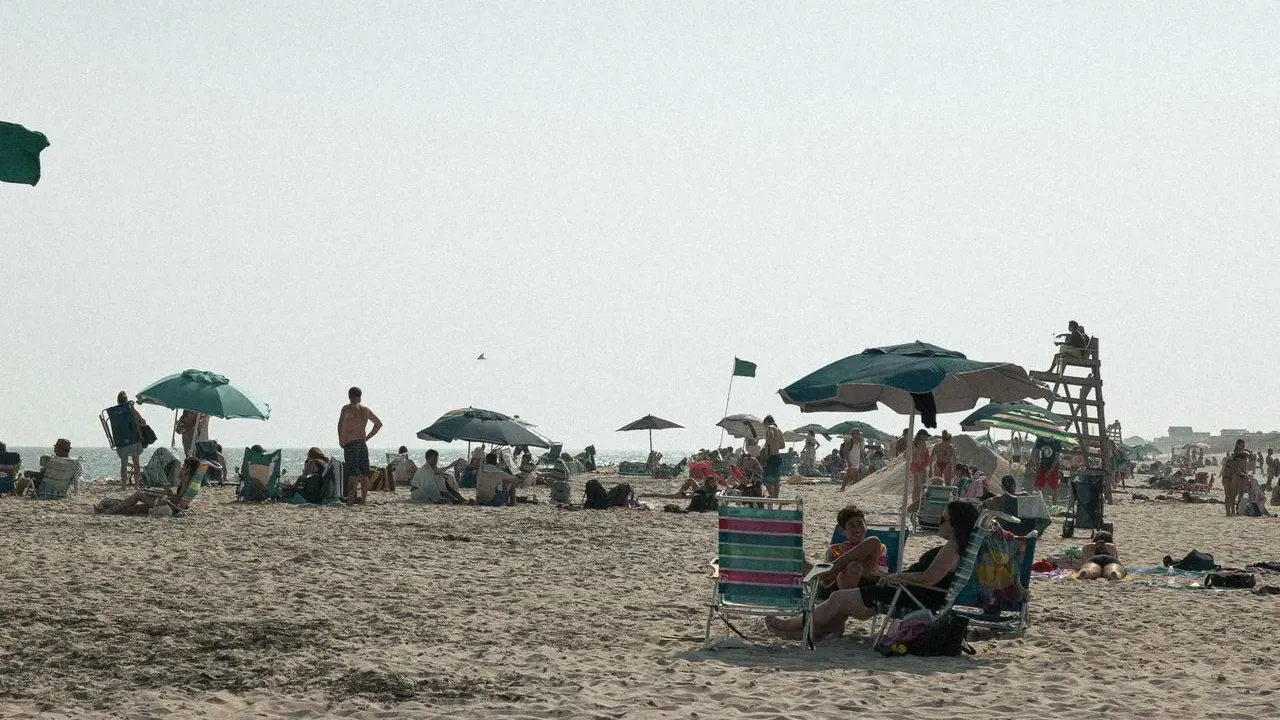

Recent analysis from Maxwell Social places Long Beach at the head of a national ranking of 45 cities for outdoor socializing. The study evaluated access to venues such as patios, rooftop bars, beer gardens, and breweries, measured on a per capita basis. Los Angeles, along with Phoenix and Houston, finished near the bottom of the list. The results highlight how smaller or mid-sized coastal cities can outperform larger metros when it comes to everyday outdoor gathering options.
How the Ranking Was Calculated
Maxwell Social focused on the density of specific outdoor-oriented establishments rather than overall park acreage or general recreation facilities. Researchers tallied locations across the selected cities and adjusted the figures for population size. This approach emphasizes places where people can meet casually outside, whether for drinks, meals, or informal gatherings.
The methodology deliberately narrowed its scope to commercial outdoor spaces that support social interaction. Cities with strong showings tended to combine favorable climates with a concentration of breweries and patios. The study did not attempt to measure usage rates or resident satisfaction, leaving room for further research on how these venues actually function in daily life.
Long Beach’s Strong Performance
Long Beach earned the top position largely through high counts of beer gardens, breweries, and patios relative to its population. The city’s layout and waterfront location appear to support a variety of outdoor venues that encourage regular use. Proximity to the coast likely contributes to the availability of spaces suited for year-round socializing.
Local infrastructure, including walkable neighborhoods and established hospitality scenes, aligns well with the criteria used in the ranking. While the study does not detail exact venue counts, the per-capita advantage proved decisive. Residents and visitors benefit from options that feel accessible without requiring travel to distant entertainment districts.
Why Larger Cities Struggled
Los Angeles placed among the lowest-ranked cities despite its size and reputation for outdoor living. The same pattern held for Phoenix and Houston, where lower per-capita numbers of the measured venues pulled the cities down. Scale alone does not guarantee abundant outdoor social infrastructure when population growth outpaces new establishments.
Urban density, zoning rules, and competition for space can limit the development of patios and similar venues in major metros. The ranking underscores that quantity per resident matters more than total numbers of businesses. Cities at the bottom may still offer high-quality individual spots, yet the overall availability falls short when measured against population.
Key points from the Maxwell Social analysis
- Long Beach ranked first among 45 cities evaluated.
- Los Angeles, Phoenix, and Houston finished near the bottom.
- Ranking based on patios, rooftop bars, beer gardens, and breweries per 100,000 residents.
- Study published in late July 2026.
Broader Implications for City Planning
The findings suggest that targeted development of outdoor hospitality spaces can improve a city’s standing in such rankings. Planners in lower-ranked cities may examine Long Beach’s mix of venues and regulatory environment for possible lessons. At the same time, the study leaves open questions about how climate, demographics, and resident preferences influence actual use of these spaces.
Future updates to the ranking could incorporate additional factors such as accessibility or seasonal availability. For now, the results provide a clear snapshot of where commercial outdoor social infrastructure is most concentrated on a per-person basis. Cities seeking to improve their positions have a concrete set of venue types to consider when shaping policy and investment decisions.
AI Disclaimer: This article was created with the assistance of AI tools and reviewed by a human editor.