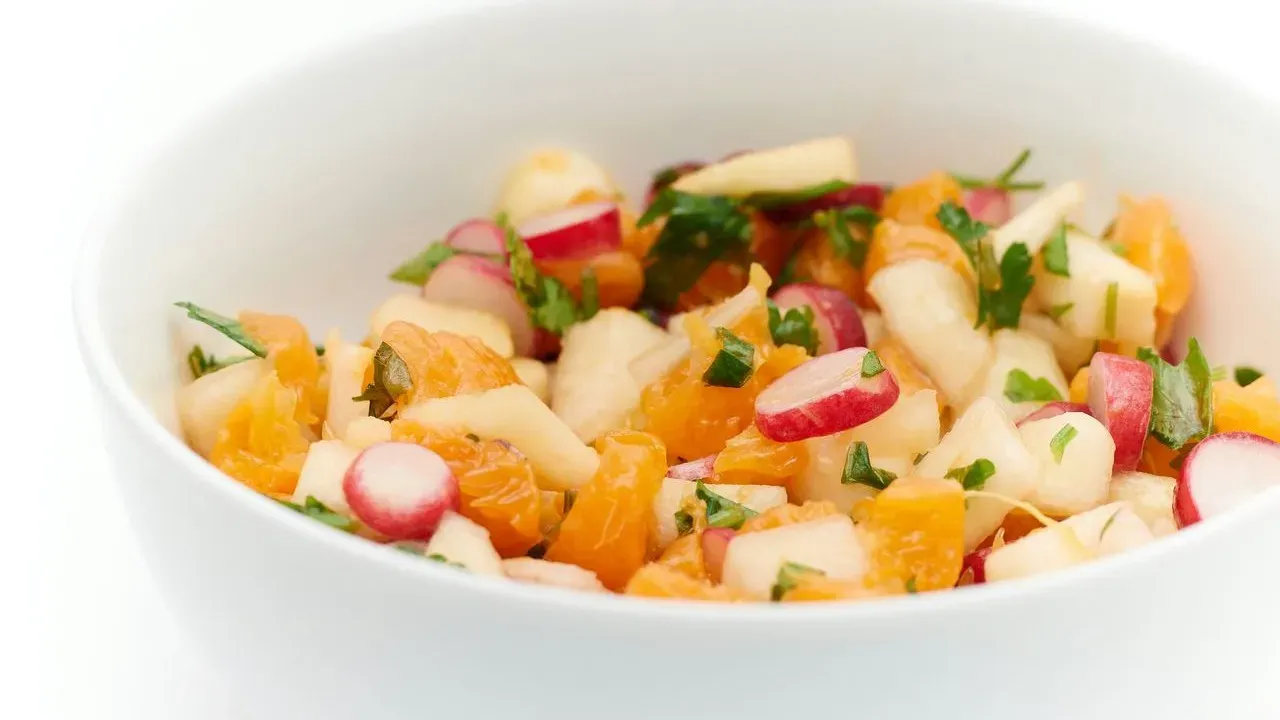

Across California, cooks turn the height of summer produce into salads that balance sweetness, acidity, and crunch in unexpected ways. Pluots, heirloom tomatoes, corn, and melons move from garden or market straight into dishes that feel both familiar and surprising. The approach highlights what is ripe right now while adding savory or spicy notes that keep each bite interesting.
Peak Produce Takes Center Stage
California summers deliver an abundance of stone fruit and vegetables at their sweetest and juiciest. Pluots, a plum-apricot hybrid, bring deep color and a honeyed flavor that pairs naturally with tomatoes. Heirloom tomatoes offer varied acidity and texture, while corn and melons add their own bright, seasonal character. These ingredients need little adornment, yet thoughtful preparation turns them into complete dishes.
Home gardeners and market shoppers alike find that timing matters. Picking or buying at peak ripeness means the natural sugars and juices do much of the work. Minimal cooking, such as a quick char on corn, preserves that freshness while adding a layer of smokiness. The result is salads that taste of the season rather than of heavy dressings or complicated techniques.
Flavor Combinations That Surprise
One standout example pairs pluot and tomato with a suya pistachio crunch. The warm, spiced nut mixture cuts through the fruit’s sweetness and adds texture that keeps the salad lively. Another uses charred corn alongside sharp Cheddar, letting the kernels’ natural sugars contrast with the cheese’s saltiness. These pairings show how California cooks often blend sweet and savory elements without forcing the issue.
Summer melon appears in a spoon salad format, where bite-sized pieces highlight the fruit’s cool juiciness. Heirloom tomatoes receive a fish sauce vinaigrette that introduces umami depth and a touch of salinity. Each combination stays simple yet delivers layers that reward attention. The focus remains on letting the produce shine while the accents provide contrast and balance.
Putting the Salads Together
These salads work well as side dishes or light main courses during warm evenings. They require little equipment beyond a sharp knife and a hot pan or grill for the corn. Assembly happens quickly once the ingredients are prepped, making them practical for weeknight meals or weekend gatherings. The emphasis stays on freshness and contrast rather than elaborate presentation.
Cooks often adjust the balance on the plate according to what arrives from the garden or market that day. A particularly sweet batch of pluots might call for a bit more crunch, while tomatoes with stronger acidity can stand up to bolder vinaigrettes. This flexibility keeps the dishes adaptable and tied to the moment.
Why These Approaches Endure
The appeal lies in how readily the ideas translate beyond professional kitchens. Anyone with access to good produce can experiment with similar contrasts at home. The salads celebrate what grows well locally while encouraging small creative risks with dressings and toppings. Over time, such combinations become part of the seasonal rhythm rather than one-off experiments.
As summer produce continues to arrive, these examples offer a reminder that simple ingredients can deliver memorable results when paired thoughtfully. The style reflects a broader California habit of letting the harvest guide the menu. It invites cooks to taste, adjust, and enjoy what the season provides.
AI Disclaimer: This article was created with the assistance of AI tools and reviewed by a human editor.