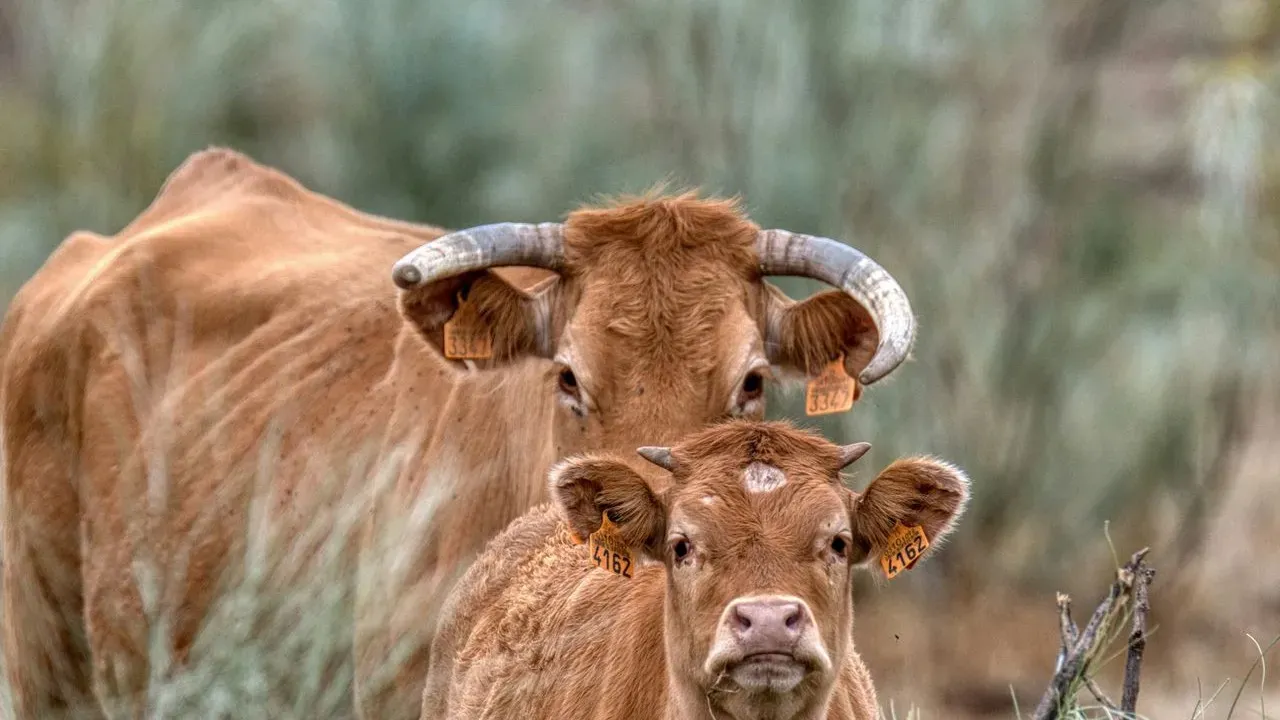

Bringing a dairy cow onto a small homestead represents a significant step toward greater self-sufficiency. The decision often stems from a desire for fresh milk and a closer connection to food production. Preparation with the right equipment and basic safety measures helps ensure the transition goes smoothly for both the animal and the new owner.
Core Equipment for Daily Milking
A functional stanchion keeps the cow steady during milking sessions. Builders can construct one from basic lumber and hardware, though the design must allow easy access and secure positioning every day. Without a reliable restraint, the routine quickly becomes frustrating for both parties.
Many owners start with hand milking and find it sufficient when their hands remain strong. Those with joint concerns may look into a compact milking machine backed by solid user feedback. A stainless steel bucket with a seamless interior and sturdy bail handle completes the basic setup, as it resists corrosion and cleans thoroughly after each use.
Additional items support hygiene and efficiency. A simple strip cup or even the side of a boot catches the first streams of milk to check for any issues. A soft rag or brush, paired with plain water, prepares the udder and signals the cow that milking time has begun. Consistency in this step matters more than the specific method chosen.
Seating, Storage, and Optional Aids
A low stool or sturdy bucket lets the milker sit close and stable while working. In the early weeks after calving, some owners sit on the ground when dealing with a larger udder. These choices keep the process comfortable without requiring specialized furniture.
A stainless steel milk can proves useful once more than one cow enters the routine. Its lid protects the collected milk from debris and insects. Kicking hobbles serve as occasional insurance rather than daily gear, ready if an unexpected noise startles the animal.
Containment and Early Security Steps
New arrivals benefit from solid fencing while they adjust to the property. After the initial period, many cows respect a single electrified strand once trained to it. Owners still prepare for the possibility of escape by considering visibility aids such as a collar and bell with a clear tone.
A halter and lead rope offer an extra handle during the learning phase. Leaving the rope attached on pasture increases the chance of quick recovery if the cow wanders. The approach balances normal freedom with practical control when needed.
Community Awareness and Routine Building
Alerting nearby residents before the cow arrives reduces confusion if she ever leaves the pasture. Neighbors who know the situation in advance can respond helpfully rather than with alarm. The conversation also sets expectations about the new addition to the area.
Evening checks focus on water and feed access before the owner steps away for the night. Establishing these habits early supports both animal welfare and owner peace of mind. Over time, the cow settles into the property and the daily rhythm becomes second nature.
These steps address the most immediate needs without requiring extensive investment. Homesteaders who focus on reliable tools and clear communication often find the experience rewarding from the outset. The emphasis remains on steady preparation rather than elaborate setups.
AI Disclaimer: This article was created with the assistance of AI tools and reviewed by a human editor.